
The Best Places to Mount Your Thermostat for Accurate Readings in a Large Buffalo House
Your thermostat controls your home’s comfort but poor placement can cause heating systems to short-cycle during Buffalo’s harsh winters. Finding the right spot ensures accurate readings and prevents your furnace from working overtime. Finding the Most Reliable Furnace Repair Services in Buffalo.
Why Thermostat Placement Matters in Buffalo Homes
Buffalo’s climate creates unique challenges for thermostat accuracy. Lake-effect snow and sub-zero temperatures mean your heating system works hardest when it matters most. A poorly placed thermostat can trigger false readings from drafts near windows or heat from kitchens making your furnace run inefficiently. Emergency Furnace Repair in Amherst When Your Heat Goes Out at Night.
Older Buffalo homes built before 1950 often have plaster walls and high ceilings that affect temperature distribution. Modern construction in suburbs like Amherst and Orchard Park typically includes better insulation but still faces placement issues with open floor plans and large windows. Orchard Park Homeowners’ Guide to Replacing an Aging Heat Pump.
Ideal Height and Location Standards
Mount your thermostat five feet from the floor on an interior wall. This height avoids cold air settling near the floor while staying above furniture that could block airflow. Interior walls prevent false readings from exterior temperature swings during Buffalo’s rapid weather changes. HVAC Buffalo.
Place the thermostat near the center of your home where air circulates naturally. Avoid corners where air becomes stagnant. The hallway outside bedrooms often works well since it represents a central living area without direct heat sources.
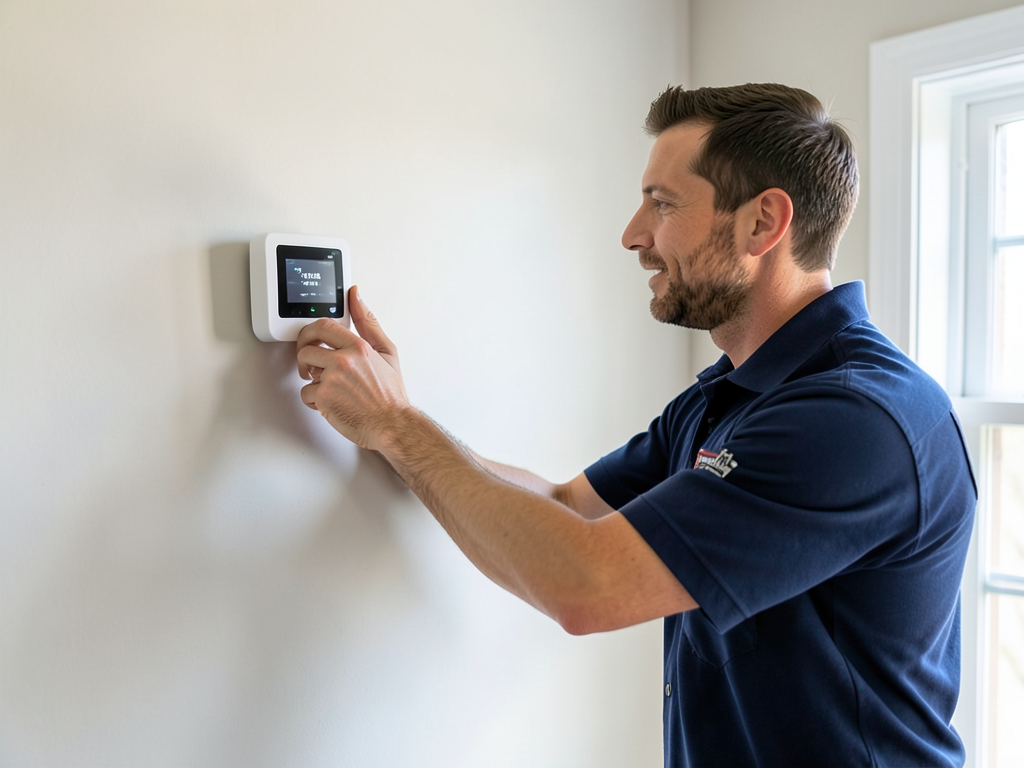
Diagram showing proper thermostat height five feet from floor on interior wall away from windows and heat sources
Places to Avoid When Mounting Your Thermostat
Direct sunlight creates false high readings making your system think the house is warmer than it actually feels. South-facing walls in Buffalo homes receive intense winter sun that can trick sensors even through windows.. Read more about Are Smart Vents Actually Worth the Cost for Managing Hot Rooms in Your Orchard Park House?.
Kitchens generate heat from ovens refrigerators and dishwashers. A thermostat mounted near cooking areas will register higher temperatures causing your heating system to shut off prematurely while other rooms remain cold.
Drafty windows and doors common in older Buffalo homes create cold spots that trigger unnecessary heating cycles. Victorian homes in the Elmwood Village often have single-pane windows that significantly impact thermostat accuracy.. Read more about How to Fix Airflow Issues and Cold Spots in Your Cheektowaga Ranch Home.
Hallways without return air vents become dead zones where air does not circulate properly. Your thermostat needs good airflow to sample the true ambient temperature of your living space.
Smart Thermostat Placement Considerations
Modern smart thermostats like Nest and Ecobee include remote sensors that expand your placement options. These devices learn your schedule and can average temperatures from multiple locations creating more balanced heating throughout large Buffalo homes.
Place remote sensors in rooms that matter most to your family. A bedroom sensor ensures comfortable sleeping temperatures while a living room sensor maintains daytime comfort. This zonal approach works especially well in two-story homes common in West Seneca and Lancaster.
Smart thermostats also feature adaptive recovery learning how long your system takes to heat your home based on outdoor temperatures. This prevents the furnace from running unnecessarily during Buffalo’s unpredictable spring and fall shoulder seasons.
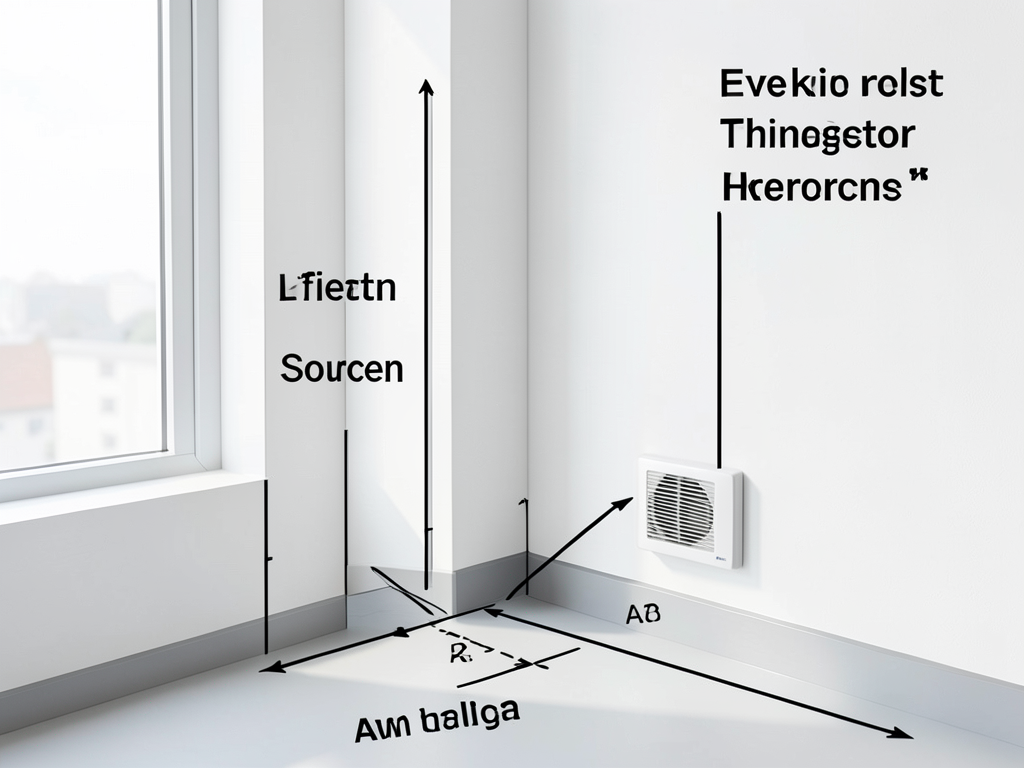
Photo of smart thermostat with remote temperature sensors placed in different rooms of a Buffalo home
Multi-Story Home Challenges
Two-story homes in Buffalo suburbs face unique heating challenges. Heat rises naturally so upstairs rooms stay warmer while downstairs areas feel cooler. A single thermostat cannot accurately represent both zones.
Consider installing a zoning system with separate thermostats for each floor. This allows independent temperature control preventing upstairs bedrooms from becoming too warm while keeping downstairs living areas comfortable during winter months.
If zoning is not an option place your main thermostat on the first floor since that is where most daily living occurs. Use the smart sensor feature to account for upstairs temperature variations.
Buffalo’s Weather Impact on Thermostat Performance
Western New York’s rapid temperature swings from 60 degrees to below zero in 24 hours stress improperly placed thermostats. Your system needs accurate readings to handle these transitions without excessive cycling.
Lake-effect snow creates additional challenges. Heavy snowfall can affect exterior wall temperatures even with good insulation. Thermostats near exterior walls may register cooler temperatures triggering unnecessary heating during storms.
Humidity levels also impact thermostat performance. Buffalo summers bring high humidity that affects how we perceive temperature. Proper placement helps your system maintain both temperature and humidity at comfortable levels.
Common Installation Mistakes to Avoid
Many DIY installations place thermostats directly above light switches or near televisions. Electronics generate heat that creates false readings. Even a nearby computer monitor can affect accuracy. Ductless AC Installation for Historical Homes in North Buffalo.
Some homeowners install thermostats near return air vents thinking it will provide better circulation. This actually creates problems since the vent pulls air past the sensor giving inaccurate readings of your home’s true temperature.
Avoid placing thermostats behind doors or in cabinets. These locations block airflow and prevent the device from sampling the room’s actual conditions.
Professional Calibration Services
Even with perfect placement your thermostat may need calibration. Professional HVAC technicians use specialized tools to verify sensor accuracy and adjust settings for your specific home layout.
United HVAC Buffalo offers thermostat calibration services that account for your home’s unique characteristics. We consider factors like insulation quality window orientation and local climate patterns that affect performance.
Calibration includes testing response times verifying temperature accuracy and optimizing settings for maximum efficiency. This service typically takes less than an hour but can reduce heating costs by 10 to 15 percent during Buffalo winters.
Thermostat Types and Their Placement Needs
Mechanical thermostats require more careful placement than digital models since they respond slower to temperature changes. Digital thermostats with quick response times offer more flexibility in placement options.
Programmable thermostats need locations where you pass frequently so you can adjust settings easily. Smart thermostats work best where Wi-Fi signal is strong typically away from exterior walls that may interfere with connectivity.
Heat pump thermostats often include emergency heat settings that require different placement considerations than standard furnace systems. These units work most efficiently when mounted where they can accurately sense the balance point temperature.
Testing Your Current Thermostat Location
Place a separate thermometer near your thermostat for 24 hours. Compare readings at different times of day especially during temperature extremes. If differences exceed two degrees your location may need adjustment.
Check for drafts by holding a tissue near windows and doors closest to your thermostat. Movement indicates airflow that could affect readings. Seal these gaps or relocate the thermostat if drafts are significant.
Monitor your heating cycles during cold snaps. Short cycling where the system turns on and off frequently often indicates poor thermostat placement rather than equipment problems.
Energy Efficiency Benefits
Proper thermostat placement can reduce heating costs by 5 to 15 percent annually. In Buffalo where heating season runs from October through April these savings add up quickly especially with current natural gas prices.
Accurate readings prevent your system from running longer than necessary. This reduces wear on components extending the life of your furnace and lowering maintenance costs over time.
Many National Grid and NYSEG customers qualify for rebates when upgrading to properly installed smart thermostats. These programs often require professional installation to ensure optimal placement and performance. National Grid heating rebates.
Special Considerations for Historic Buffalo Homes
Buffalo’s historic districts including Allentown and the Broadway Fillmore area present unique challenges. Many homes built before 1940 have plaster walls that cannot easily accommodate modern wiring for thermostat installation.
Wireless smart thermostats eliminate wiring concerns but may face connectivity issues in homes with thick masonry walls. Test signal strength before finalizing placement in older construction.
Historic home owners should also consider how thermostat placement affects energy audits. Poor placement can skew results making your home appear less efficient than it actually is.
Maintenance and Troubleshooting
Clean your thermostat annually to remove dust that can affect sensor accuracy. Use a soft brush and avoid harsh chemicals that might damage the display or internal components.
Check batteries in battery-powered models every six months. Low batteries can cause erratic behavior including incorrect temperature readings or failure to communicate with your heating system.
If your system runs constantly or cycles too frequently after checking placement consider professional diagnostics. The issue may involve more than just thermostat location.
Call to Action
Don’t let poor thermostat placement cost you money this winter. Call (716) 317-7757 today to schedule your professional thermostat assessment. Our experienced technicians will evaluate your current setup recommend optimal placement and ensure your system runs efficiently all season long.
Pick up the phone and call (716) 317-7757 before the next cold snap hits. Proper thermostat placement could save you hundreds on heating bills while keeping your family comfortable all winter.
Frequently Asked Questions
Can I install my thermostat myself?
DIY installation is possible but professional installation ensures proper placement and wiring. Incorrect installation can void warranties and create safety hazards especially in older Buffalo homes with outdated electrical systems.
How far should my thermostat be from heat sources?
Maintain at least three feet from any direct heat source including vents electronics and appliances. This prevents false readings that cause your system to run inefficiently.
Will a smart thermostat work in my old Buffalo home?
Yes smart thermostats work in homes of any age. Wireless models are ideal for plaster walls and older construction. Professional installation can address any compatibility issues with your existing heating system.
How often should I replace my thermostat?
Modern thermostats last 10 to 15 years. Consider replacement if you experience accuracy issues rising energy bills or if your system has been upgraded without updating the thermostat.
Does thermostat placement affect air conditioning too?
Absolutely. Poor placement affects both heating and cooling efficiency. In Buffalo’s humid summers incorrect readings can cause your AC to run too long or not enough leading to comfort issues and higher utility bills.
- Gather Testing Materials
Obtain a reliable thermometer and place it next to your thermostat for 24 hours.
- Monitor Temperature Differences
Compare readings at different times especially during morning and evening hours.
- Check for Drafts
Use a tissue to detect airflow near windows doors and vents closest to the thermostat.
- Evaluate System Performance
Observe heating cycles during cold weather for signs of short cycling or continuous running.
- Document Results
Record temperature differences and system behavior to discuss with a professional if needed.
Conclusion
Proper thermostat placement is essential for comfort and efficiency in Buffalo homes. Take time to evaluate your current setup or call (716) 317-7757 for professional guidance. Your heating system and wallet will thank you all winter long. For more information, visit NYSEG energy programs.
{
“@context”: “https://schema.org”,
“@type”: “BlogPosting”,
“headline”: “The Best Places to Mount Your Thermostat for Accurate Readings in a Large Buffalo House”,
“description”: “Learn optimal thermostat placement for large Buffalo homes. Avoid drafts, heat sources, and ensure accurate readings with our expert HVAC guide.”,
“wordCount”: 1785,
“datePublished”: “2026-04-13T07:40:00.000Z”,
“dateModified”: “2026-04-13T07:40:00.000Z”,
“inLanguage”: “en-US”,
“mainEntityOfPage”: {
“@type”: “WebPage”,
“@id”: “https://unitedhvacbuffalo.com”
},
“publisher”: {
“@type”: “LocalBusiness”,
“name”: “United HVAC Buffalo”,
“url”: “https://unitedhvacbuffalo.com”
},
“author”: {
“@type”: “Organization”,
“name”: “United HVAC Buffalo”,
“url”: “https://unitedhvacbuffalo.com”
},
“image”: {
“@type”: “ImageObject”,
“url”: “https://unitedhvacbuffalo.com/wp-content/uploads/2026/03/the-best-places-to-mount-your-thermostat-for-accur-1.png”
}
}
{
“@context”: “https://schema.org”,
“@type”: “HVACBusiness”,
“name”: “United HVAC Buffalo”,
“url”: “https://unitedhvacbuffalo.com”,
“address”: {
“@type”: “PostalAddress”,
“addressLocality”: “Buffalo”
},
“areaServed”: {
“@type”: “City”,
“name”: “Buffalo”
}
}
{
“@context”: “https://schema.org”,
“@type”: “FAQPage”,
“mainEntity”: [
{
“@type”: “Question”,
“name”: “Can I install my thermostat myself?”,
“acceptedAnswer”: {
“@type”: “Answer”,
“text”: “DIY installation is possible but professional installation ensures proper placement and wiring. Incorrect installation can void warranties and create safety hazards especially in older Buffalo homes with outdated electrical systems.”
}
},
{
“@type”: “Question”,
“name”: “How far should my thermostat be from heat sources?”,
“acceptedAnswer”: {
“@type”: “Answer”,
“text”: “Maintain at least three feet from any direct heat source including vents electronics and appliances. This prevents false readings that cause your system to run inefficiently.”
}
},
{
“@type”: “Question”,
“name”: “Will a smart thermostat work in my old Buffalo home?”,
“acceptedAnswer”: {
“@type”: “Answer”,
“text”: “Yes smart thermostats work in homes of any age. Wireless models are ideal for plaster walls and older construction. Professional installation can address any compatibility issues with your existing heating system.”
}
},
{
“@type”: “Question”,
“name”: “How often should I replace my thermostat?”,
“acceptedAnswer”: {
“@type”: “Answer”,
“text”: “Modern thermostats last 10 to 15 years. Consider replacement if you experience accuracy issues rising energy bills or if your system has been upgraded without updating the thermostat.”
}
},
{
“@type”: “Question”,
“name”: “Does thermostat placement affect air conditioning too?”,
“acceptedAnswer”: {
“@type”: “Answer”,
“text”: “Absolutely. Poor placement affects both heating and cooling efficiency. In Buffalo’s humid summers incorrect readings can cause your AC to run too long or not enough leading to comfort issues and higher utility bills.”
}
}
]
}
{
“@context”: “https://schema.org”,
“@type”: “HowTo”,
“name”: “How to Test Your Thermostat Placement”,
“step”: [
{
“@type”: “HowToStep”,
“position”: 1,
“name”: “Gather Testing Materials”,
“text”: “Obtain a reliable thermometer and place it next to your thermostat for 24 hours.”
},
{
“@type”: “HowToStep”,
“position”: 2,
“name”: “Monitor Temperature Differences”,
“text”: “Compare readings at different times especially during morning and evening hours.”
},
{
“@type”: “HowToStep”,
“position”: 3,
“name”: “Check for Drafts”,
“text”: “Use a tissue to detect airflow near windows doors and vents closest to the thermostat.”
},
{
“@type”: “HowToStep”,
“position”: 4,
“name”: “Evaluate System Performance”,
“text”: “Observe heating cycles during cold weather for signs of short cycling or continuous running.”
},
{
“@type”: “HowToStep”,
“position”: 5,
“name”: “Document Results”,
“text”: “Record temperature differences and system behavior to discuss with a professional if needed.”
}
],
“image”: “https://unitedhvacbuffalo.com/wp-content/uploads/2026/03/the-best-places-to-mount-your-thermostat-for-accur-1.png”
}
{
“@context”: “https://schema.org”,
“@type”: “BreadcrumbList”,
“itemListElement”: [
{
“@type”: “ListItem”,
“position”: 1,
“name”: “Home”,
“item”: “https://unitedhvacbuffalo.com”
},
{
“@type”: “ListItem”,
“position”: 2,
“name”: “Blog”,
“item”: “https://unitedhvacbuffalo.com/blog”
},
{
“@type”: “ListItem”,
“position”: 3,
“name”: “The Best Places to Mount Your Thermostat for Accurate Readings in a Large Buffalo House”
}
]
}
{
“@context”: “https://schema.org”,
“@type”: “Service”,
“serviceType”: “HVAC”,
“provider”: {
“@type”: “LocalBusiness”,
“name”: “United HVAC Buffalo”,
“url”: “https://unitedhvacbuffalo.com”
},
“areaServed”: {
“@type”: “City”,
“name”: “Buffalo”
},
“description”: “Learn optimal thermostat placement for large Buffalo homes. Avoid drafts, heat sources, and ensure accurate readings with our expert HVAC guide.”
}