
Why Your Furnace Turns On and Off Every Few Minutes (Short Cycling)
Your furnace is supposed to run in steady cycles, not constantly start and stop. If you notice it turning on and off every few minutes, you’re dealing with a problem called short cycling. This wastes energy, drives up your utility bills, and puts unnecessary strain on your heating system. Emergency Furnace Repair in Amherst When Your Heat Goes Out at Night.
In Buffalo’s harsh winters, where temperatures regularly drop below zero and lake-effect snow piles up against your home, a furnace that can’t maintain a consistent burn cycle can leave you without heat when you need it most. Let’s break down what’s happening and what you can do about it. HVAC Buffalo.
What Causes Your Furnace to Short Cycle?
Short cycling happens when your furnace shuts down before completing a full heating cycle. Instead of running for 10-15 minutes and then taking a break, it might run for just 2-3 minutes before turning off again. This constant on-off pattern can damage components and leave your home cold.
Common causes include dirty air filters restricting airflow, blocked exhaust vents from snow buildup, faulty flame sensors, or even an oversized furnace that heats your home too quickly. In Buffalo’s older homes, from Elmwood Victorians to Tonawanda Cape Cods, aging ductwork and poor insulation can make these problems worse.
5 Quick Checks You Can Do Right Now
Before calling for professional help, try these simple troubleshooting steps:
- Check Your Air Filter
Remove the filter and hold it up to a light. If you can’t see light through it, it’s clogged. Buffalo homes with pets or near construction sites may need monthly filter changes during winter.
- Inspect Exhaust and Intake Pipes
Go outside and look at the white PVC pipes near your foundation. Snow, ice, or debris blocking these can trigger safety switches that shut down your furnace. Clear any visible obstruction.
- Check Thermostat Settings
Make sure your thermostat is set to “Heat” mode and the fan switch is on “Auto.” Replace batteries if it’s a battery-powered model. Improper thermostat placement near drafts or heat sources can also cause short cycling.
- Listen for Unusual Noises
A failing blower motor might make squealing or grinding sounds before it stops working. If you hear these, turn off your furnace and call a professional.
- Check Vents and Registers
Make sure furniture or rugs aren’t blocking return air vents. Restricted airflow can cause your furnace to overheat and shut down prematurely.
When Short Cycling Signals a Bigger Problem
If those quick checks don’t solve the issue, you’re likely dealing with a technical problem that needs professional attention. Here are the most common causes we see in Buffalo homes:
Flame Sensor Issues
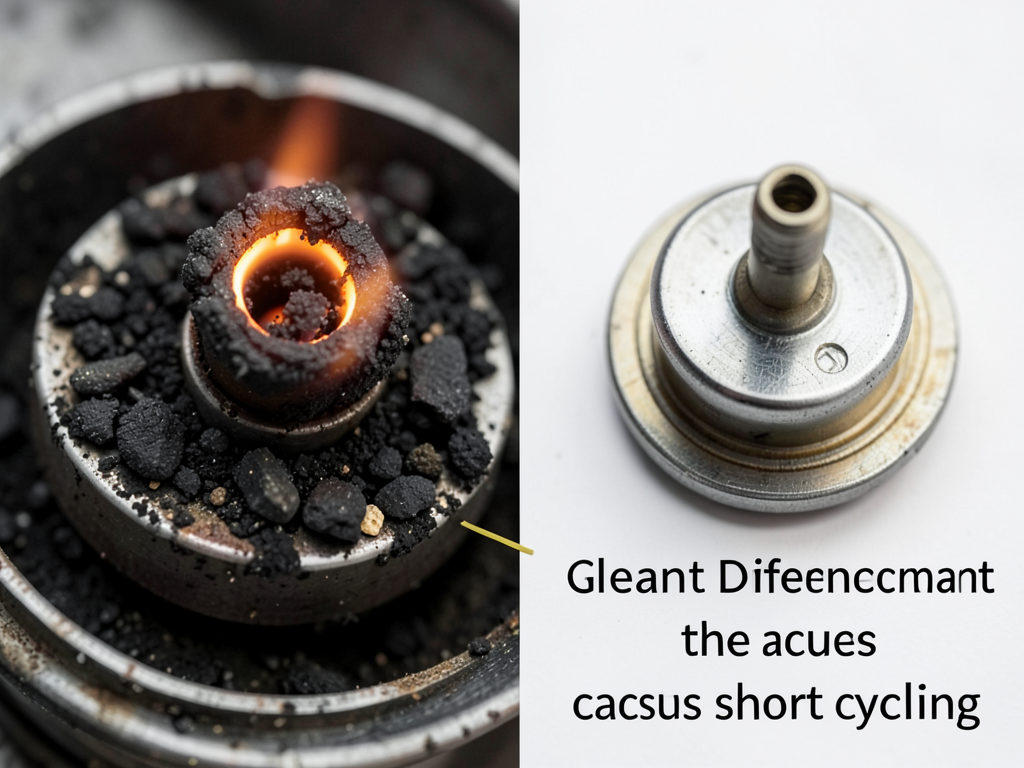
The flame sensor is a metal rod that detects whether your furnace’s burners are lit. When it gets coated with carbon buildup, it can’t sense the flame properly and shuts down the gas valve as a safety measure. This creates the exact short cycling pattern you’re experiencing.
In our 15+ years servicing Buffalo homes, we’ve found that flame sensors in high-efficiency furnaces near Lake Erie tend to fail more often due to the moisture in the air accelerating corrosion.
Oversized Furnace Problems
Many older Buffalo homes were retrofitted with new, high-efficiency furnaces that are too large for the space. An oversized unit heats the air too quickly, satisfies the thermostat in minutes, then shuts off. The house cools down, and the cycle repeats.
This is especially common in post-war Cape Cods in Tonawanda and Amherst where contractors installed the biggest furnace they could fit without proper load calculations.
High-Limit Switch Tripping
Your furnace has a safety device called a high-limit switch that monitors internal temperature. If the furnace gets too hot, it shuts down the burners. Common causes include restricted airflow from dirty filters, blocked vents, or failing blower motors.
When the furnace cools down, it tries to restart, creating the short cycling pattern. This is a serious issue because it can indicate overheating that might crack your heat exchanger.
Cracked Heat Exchanger
A cracked heat exchanger is one of the most dangerous causes of short cycling. The crack allows the furnace to overheat quickly, tripping the high-limit switch. You might notice a yellow or flickering flame instead of a steady blue one, or a clicking sound when the furnace tries to start.
This requires immediate professional attention due to carbon monoxide risks. New York State Building Code Section 1602.1 requires proper inspection and testing of heat exchangers during maintenance.
Buffalo’s Unique Climate Challenges
Western New York’s extreme weather creates furnace problems you won’t find in other regions. Our lake-effect snow can bury exhaust vents within hours during a storm. The rapid temperature swings from -10°F to 30°F in a single day stress furnace components.
Many Buffalo homes have aging ductwork installed before modern insulation standards. These systems leak heated air into unheated spaces like crawl spaces or attics, causing your furnace to run longer and cycle more frequently.
The freeze-thaw cycles common in Buffalo can also cause condensate drain lines to freeze, triggering safety switches that shut down high-efficiency furnaces. This is particularly problematic in Amherst and Orchard Park where homes are spread farther apart and snow removal might be delayed. Orchard Park Homeowners’ Guide to Replacing an Aging Heat Pump.
Safety Warning: When to Call Immediately
Some short cycling symptoms indicate dangerous conditions that require immediate professional attention:
- Gas smell near your furnace
- Yellow or flickering burner flame (should be steady blue)
- Metal banging or popping sounds during operation
- Carbon monoxide detector alarms
- Visible cracks in your furnace’s metal housing
If you notice any of these signs, turn off your furnace at the thermostat and call for emergency service. Carbon monoxide poisoning is a serious risk in malfunctioning furnaces, especially in tightly sealed modern homes.
What to Tell Your HVAC Technician
When you call for service, provide these details to help the technician diagnose the problem faster:
- How long the furnace runs before shutting off
- Whether the problem started suddenly or gradually
- Any unusual noises, smells, or performance changes
- When the problem occurs (consistently, only during certain weather, etc.)
- What troubleshooting steps you’ve already taken
This information helps the technician bring the right tools and parts, potentially saving you time and money on the service call. Choosing the Right HVAC Contractor for Your West Seneca Home Renovation.
Preventing Future Short Cycling Issues
Regular maintenance is your best defense against short cycling and other furnace problems. A professional tune-up includes cleaning the flame sensor, checking the heat exchanger for cracks, testing safety controls, and ensuring proper airflow.
For Buffalo homeowners, we recommend annual maintenance before the heating season begins. This timing allows technicians to identify and fix potential problems before you need your furnace during a blizzard.
Consider upgrading your thermostat to a programmable or smart model. These maintain more consistent temperatures and can help identify patterns in your furnace’s operation that might indicate developing problems.
Cost Considerations for Buffalo Homeowners
Ignoring short cycling can cost you significantly. A furnace running inefficiently might use 30% more energy, adding hundreds to your winter heating bills. The constant on-off cycling also wears out components faster, potentially reducing your furnace’s lifespan by years.
A basic diagnostic service call in the Buffalo area typically costs $75-$125. Repairs might range from $150 for a flame sensor cleaning to $1,500+ for major component replacements. If your furnace is over 15 years old and needs expensive repairs, replacement might be more cost-effective. EPA carbon monoxide safety guidelines.
National Fuel offers rebates for high-efficiency furnace installations that can offset replacement costs. These programs change annually, so ask your HVAC contractor about current incentives. Ductless AC Installation for Historical Homes in North Buffalo.
Emergency Service When You Need It Most
Furnace problems don’t wait for convenient times. That’s why we offer 24/7 emergency service throughout Buffalo, Amherst, Tonawanda, and surrounding areas. During lake-effect snow events, we maintain extra technicians on call because we know how critical heat is when temperatures plummet.
Our service vehicles are stocked with common replacement parts so we can often fix your furnace the same day. We understand that being without heat in a Buffalo winter isn’t just uncomfortable—it can be dangerous.
Don’t wait until your furnace completely fails. If it’s short cycling, call us today at (716) 317-7757 to schedule a diagnostic service. The sooner we identify the problem, the less likely you are to face a no-heat emergency during the next cold snap.
Frequently Asked Questions
How do I know if my furnace is short cycling or just running normally?
A healthy furnace typically runs 10-15 minutes per cycle, 2-3 times per hour. If yours runs less than 5 minutes and cycles on and off more frequently, that’s short cycling. You might also notice temperature swings in your home.
Can I keep running my furnace if it’s short cycling?
You can run it briefly to stay warm while waiting for service, but don’t ignore the problem. Short cycling wastes energy and can damage components. If you smell gas or notice other warning signs, turn it off immediately and call for emergency service.
How much does it cost to fix a short cycling furnace?
Repair costs vary widely depending on the cause. A simple fix like cleaning a flame sensor might cost $150-$200. More complex repairs or part replacements can run $300-$1,500. A diagnostic service call is typically $75-$125.
Will a new furnace prevent short cycling?
A properly sized, professionally installed furnace is less likely to short cycle. However, installation quality matters as much as the equipment. Poor ductwork, incorrect thermostat placement, or improper setup can cause short cycling even in new systems. For more information, visit NYSERDA Clean Heat Program.
{
“@context”: “https://schema.org”,
“@type”: “BlogPosting”,
“headline”: “Why Your Furnace Turns On and Off Every Few Minutes (Short Cycling)”,
“description”: “Buffalo homeowners: Learn why your furnace short cycles and what to do about it. Find expert solutions for Western NY winters. Call (716) 317-7757.”,
“wordCount”: 1630,
“datePublished”: “2026-04-05T15:31:00.000Z”,
“dateModified”: “2026-04-05T15:31:00.000Z”,
“inLanguage”: “en-US”,
“mainEntityOfPage”: {
“@type”: “WebPage”,
“@id”: “https://unitedhvacbuffalo.com”
},
“publisher”: {
“@type”: “LocalBusiness”,
“name”: “United HVAC Buffalo”,
“url”: “https://unitedhvacbuffalo.com”
},
“author”: {
“@type”: “Organization”,
“name”: “United HVAC Buffalo”,
“url”: “https://unitedhvacbuffalo.com”
},
“image”: {
“@type”: “ImageObject”,
“url”: “https://unitedhvacbuffalo.com/wp-content/uploads/2026/03/why-your-furnace-turns-on-and-off-every-few-minute-1.png”
}
}
{
“@context”: “https://schema.org”,
“@type”: “HVACBusiness”,
“name”: “United HVAC Buffalo”,
“url”: “https://unitedhvacbuffalo.com”,
“address”: {
“@type”: “PostalAddress”,
“addressLocality”: “Buffalo”
},
“areaServed”: {
“@type”: “City”,
“name”: “Buffalo”
}
}
{
“@context”: “https://schema.org”,
“@type”: “FAQPage”,
“mainEntity”: [
{
“@type”: “Question”,
“name”: “What Causes Your Furnace to Short Cycle?”,
“acceptedAnswer”: {
“@type”: “Answer”,
“text”: “Short cycling happens when your furnace shuts down before completing a full heating cycle. Instead of running for 10-15 minutes and then taking a break, it might run for just 2-3 minutes before turning off again. This constant on-off pattern can damage components and leave your home cold.”
}
},
{
“@type”: “Question”,
“name”: “How do I know if my furnace is short cycling or just running normally?”,
“acceptedAnswer”: {
“@type”: “Answer”,
“text”: “A healthy furnace typically runs 10-15 minutes per cycle, 2-3 times per hour. If yours runs less than 5 minutes and cycles on and off more frequently, that’s short cycling. You might also notice temperature swings in your home.”
}
},
{
“@type”: “Question”,
“name”: “Can I keep running my furnace if it’s short cycling?”,
“acceptedAnswer”: {
“@type”: “Answer”,
“text”: “You can run it briefly to stay warm while waiting for service, but don’t ignore the problem. Short cycling wastes energy and can damage components. If you smell gas or notice other warning signs, turn it off immediately and call for emergency service.”
}
},
{
“@type”: “Question”,
“name”: “How much does it cost to fix a short cycling furnace?”,
“acceptedAnswer”: {
“@type”: “Answer”,
“text”: “Repair costs vary widely depending on the cause. A simple fix like cleaning a flame sensor might cost $150-$200. More complex repairs or part replacements can run $300-$1,500. A diagnostic service call is typically $75-$125.”
}
},
{
“@type”: “Question”,
“name”: “Will a new furnace prevent short cycling?”,
“acceptedAnswer”: {
“@type”: “Answer”,
“text”: “A properly sized, professionally installed furnace is less likely to short cycle. However, installation quality matters as much as the equipment. Poor ductwork, incorrect thermostat placement, or improper setup can cause short cycling even in new systems. For more information, visit NYSERDA Clean Heat Program.”
}
}
]
}
{
“@context”: “https://schema.org”,
“@type”: “HowTo”,
“name”: “Quick Furnace Troubleshooting”,
“step”: [
{
“@type”: “HowToStep”,
“position”: 1,
“name”: “Check Your Air Filter”,
“text”: “Remove the filter and hold it up to a light. If you can’t see light through it, it’s clogged. Buffalo homes with pets or near construction sites may need monthly filter changes during winter.”
},
{
“@type”: “HowToStep”,
“position”: 2,
“name”: “Inspect Exhaust and Intake Pipes”,
“text”: “Go outside and look at the white PVC pipes near your foundation. Snow, ice, or debris blocking these can trigger safety switches that shut down your furnace. Clear any visible obstruction.”
},
{
“@type”: “HowToStep”,
“position”: 3,
“name”: “Check Thermostat Settings”,
“text”: “Make sure your thermostat is set to \”Heat\” mode and the fan switch is on \”Auto.\” Replace batteries if it’s a battery-powered model. Improper thermostat placement near drafts or heat sources can also cause short cycling.”
},
{
“@type”: “HowToStep”,
“position”: 4,
“name”: “Listen for Unusual Noises”,
“text”: “A failing blower motor might make squealing or grinding sounds before it stops working. If you hear these, turn off your furnace and call a professional.”
},
{
“@type”: “HowToStep”,
“position”: 5,
“name”: “Check Vents and Registers”,
“text”: “Make sure furniture or rugs aren’t blocking return air vents. Restricted airflow can cause your furnace to overheat and shut down prematurely.”
}
],
“image”: “https://unitedhvacbuffalo.com/wp-content/uploads/2026/03/why-your-furnace-turns-on-and-off-every-few-minute-1.png”
}
{
“@context”: “https://schema.org”,
“@type”: “BreadcrumbList”,
“itemListElement”: [
{
“@type”: “ListItem”,
“position”: 1,
“name”: “Home”,
“item”: “https://unitedhvacbuffalo.com”
},
{
“@type”: “ListItem”,
“position”: 2,
“name”: “Blog”,
“item”: “https://unitedhvacbuffalo.com/blog”
},
{
“@type”: “ListItem”,
“position”: 3,
“name”: “Why Your Furnace Turns On and Off Every Few Minutes (Short Cycling)”
}
]
}
{
“@context”: “https://schema.org”,
“@type”: “Service”,
“serviceType”: “HVAC”,
“provider”: {
“@type”: “LocalBusiness”,
“name”: “United HVAC Buffalo”,
“url”: “https://unitedhvacbuffalo.com”
},
“areaServed”: {
“@type”: “City”,
“name”: “Buffalo”
},
“description”: “Buffalo homeowners: Learn why your furnace short cycles and what to do about it. Find expert solutions for Western NY winters. Call (716) 317-7757.”
}