
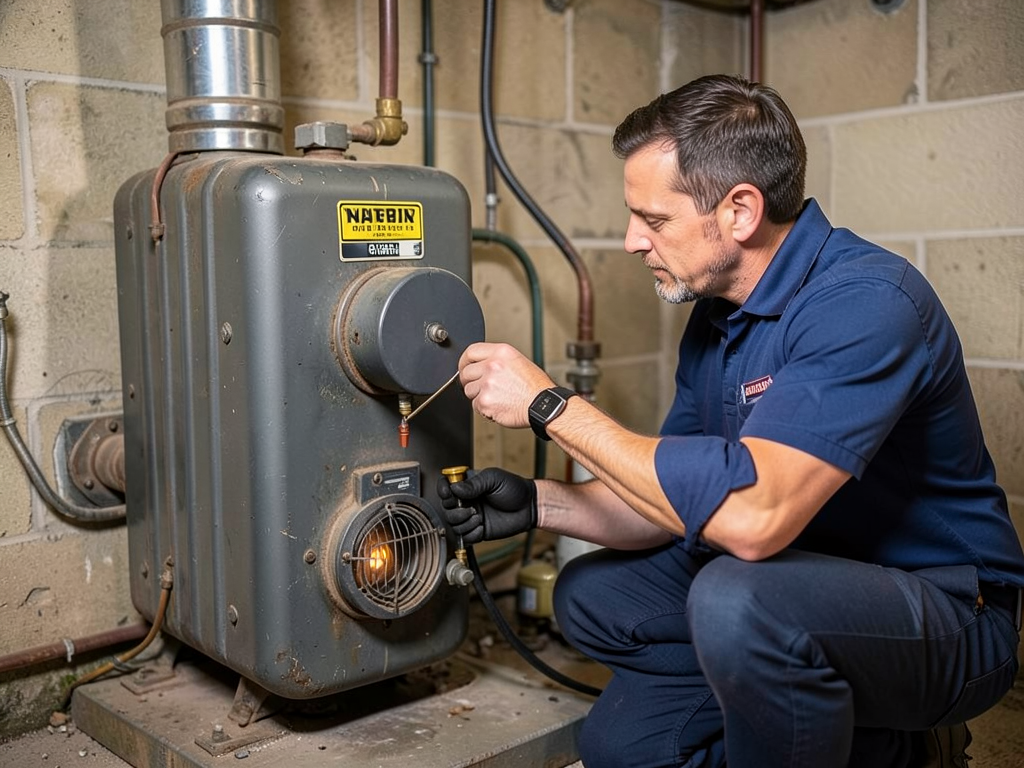
What to Do When Your Older Boiler Pilot Light Won’t Stay Lit
Your boiler pilot light keeps going out and your home is getting colder by the minute. This is a common problem in Buffalo’s older homes, especially during the first cold snap when heating systems that sat idle all summer get pushed to the limit. Before you call for emergency service, there are several things you can check yourself to potentially get your heat working again. Emergency Furnace Repair in Amherst When Your Heat Goes Out at Night.
The most likely culprits include a dirty thermocouple, a clogged pilot orifice, or a draft that’s blowing out the flame. In Buffalo’s lake-effect climate, moisture and debris can accumulate in your system over the summer months, causing these components to fail just when you need them most. Let’s walk through the safety steps and troubleshooting process so you can make an informed decision about whether this is a DIY fix or time to call a professional. HVAC Buffalo.
Safety First: Immediate Steps to Take
Before attempting any troubleshooting, your safety comes first. If you smell gas anywhere near your boiler, leave the house immediately and call National Fuel’s emergency line from outside. Do not operate any electrical switches, phones, or anything that could create a spark. National Fuel emergency services.
If there’s no gas smell, locate your boiler’s gas shut-off valve. It’s typically a red or yellow handle located on the gas line near the unit. Turn it perpendicular to the pipe to shut off gas flow. This prevents gas from accumulating if you accidentally damage a component during troubleshooting.
Check your carbon monoxide detectors. If any are sounding or showing error codes, evacuate immediately. Older boilers in Buffalo homes can develop cracks in heat exchangers that allow carbon monoxide to leak into living spaces. Never bypass safety devices or ignore detector warnings.. Read more about Upgrading Your Old Buffalo Radiator Valves to Save Money on Heating.
5 Common Reasons Your Boiler Pilot Light Won’t Stay Lit
Understanding what’s causing your pilot light to fail helps you determine whether this is a simple fix or a sign of a more serious problem. Here are the five most common issues we see in Buffalo’s older homes:
Thermocouple Failure: The thermocouple is a safety device that senses whether the pilot flame is burning. When it works properly, it generates a small electrical current that keeps the gas valve open. A failing thermocouple produces inconsistent current, causing the valve to shut off gas flow randomly. In Buffalo’s humid climate, thermocouples typically last 1-3 years before corrosion affects their performance.
Pilot Orifice Clogs: The tiny opening that supplies gas to the pilot light can become blocked by dust, debris, or spider webs. This creates an unstable flame that may light initially but won’t stay lit. Buffalo’s seasonal temperature swings cause metal components to expand and contract, potentially loosening connections that allow debris to enter the gas line.
Gas Valve Malfunction: The gas control valve regulates gas flow to both the pilot and main burners. A failing valve may allow gas to flow intermittently or not at all. This is a more serious issue that requires professional diagnosis, as gas valves contain internal components that cannot be repaired.
Draft Problems: Your boiler needs proper ventilation to operate safely. Drafts from nearby windows, doors, or even strong winds can blow out the pilot light. Buffalo’s notorious lake-effect winds can create downdrafts in chimneys, especially during storms when wind speeds exceed 30 mph.
Heat Exchanger Issues: A cracked or damaged heat exchanger can cause improper combustion, leading to pilot light instability. This is a serious safety concern that can allow carbon monoxide to enter your home. Heat exchangers in older boilers often fail after 15-20 years of service, particularly in homes with poor water quality or inconsistent maintenance.
Buffalo-Specific Factors: Cold Snaps and Older Systems
Buffalo’s unique climate creates challenges for older boiler systems that homeowners in other regions don’t face. Our lake-effect snow and extreme temperature swings put additional stress on heating equipment.
During severe cold snaps, when outdoor temperatures drop below zero, the metal components in your boiler contract more than usual. This can cause slight gaps in connections that allow drafts to affect the pilot light. The rapid temperature changes we experience in Western New York – sometimes 30-40 degrees in a single day – accelerate wear on these components. Outdoor Unit Not Spinning.
Many Buffalo homes, particularly in neighborhoods like Elmwood Village and North Buffalo, were built between 1920 and 1950 with hydronic heating systems. These older systems often lack the safety features and efficiency of modern equipment. The original cast iron boilers in these homes are now 70-100 years old, well beyond their intended service life.
Buffalo’s high humidity levels, especially during seasonal transitions, contribute to corrosion of metal components. The moisture in the air accelerates the deterioration of thermocouples, pilot assemblies, and electrical connections. Homes near Lake Erie experience even higher humidity levels, particularly during summer months when the lake is warm.
According to the New York State Uniform Fire Prevention and Building Code, all fuel-burning appliances must have proper venting and safety controls. Older boilers may not meet current code requirements, which is why professional inspection is crucial when troubleshooting persistent pilot light problems.
DIY Troubleshooting: What You Can Check Today
If you’re comfortable working with gas appliances and have taken the proper safety precautions, here are several things you can check yourself. Remember to turn off the gas supply at the shut-off valve before beginning any work.
Step 1: Visual Inspection
- Check the Pilot Flame
A healthy pilot flame should be blue with a small yellow tip, about 1-2 inches high. If the flame is mostly yellow or orange, it indicates incomplete combustion or a dirty orifice.
- Examine the Thermocouple Position
The thermocouple tip should be in the upper third of the pilot flame. If it’s positioned too far away, it won’t generate enough current to keep the gas valve open.
- Look for Corrosion
Check all metal components for rust, corrosion, or white powdery deposits. These indicate moisture problems that can affect electrical connections and gas flow.
Step 2: Clean the Pilot Orifice
Turn off the gas supply and let the boiler cool completely. Use a can of compressed air to blow out the pilot assembly. You can also use a needle to gently clean the orifice opening, but be extremely careful not to enlarge the hole. A properly sized orifice is critical for correct gas flow and flame stability.
Step 3: Check for Drafts
Feel around the boiler area for drafts on a cold day. Even small air movements can affect pilot light stability. Check windows, doors, and any openings in the room. In basements, check for gaps around pipes or vents that might allow cold air to enter.
Step 4: Reset the System
Many older boilers have a reset button on the gas valve. After checking for obvious issues, turn the gas back on, set the thermostat to call for heat, and press the reset button. Hold it for 30-60 seconds while the pilot lights. If the pilot stays lit after releasing the button, the system may be working again.
Step 5: Test the Thermocouple
If you have a multimeter, you can test the thermocouple’s output. A healthy thermocouple should produce 25-30 millivolts when the pilot is lit. If the reading is below 20 millivolts, the thermocouple needs replacement. This test requires the gas to be on and the pilot lit, so only attempt it if you’re comfortable with gas appliances.
When to Call a Buffalo HVAC Professional
While some pilot light issues are simple fixes, others indicate serious problems that require professional attention. Here’s how to know when it’s time to call United HVAC Buffalo at (716) 317-7757.
Call immediately if:
- You smell gas anywhere in your home
- Your carbon monoxide detector is sounding
- The pilot light won’t stay lit after multiple reset attempts
- You notice soot or yellow flames when the main burners operate
- Your boiler is making unusual noises (banging, whistling, or rumbling)
- You see water leaking around the boiler
- The system is more than 20 years old and showing multiple problems
Professional diagnosis is needed for:
- Gas valve replacement or testing
- Heat exchanger inspection and replacement
- Combustion analysis and efficiency testing
- Vent and chimney inspection
- Gas pressure testing and adjustment
- Electrical control board diagnosis
Professional technicians use specialized tools that aren’t available to homeowners. A combustion analyzer measures the efficiency and safety of your boiler’s operation. A manometer tests gas pressure to ensure proper flow. Thermal imaging can detect heat exchanger cracks that aren’t visible to the naked eye.
In Buffalo, we also deal with specific local code requirements. The Erie County Department of Health requires permits for certain boiler repairs, and National Fuel has specific safety standards that must be met. A licensed professional ensures your system meets all local requirements.
Emergency service calls during winter often have longer wait times, especially during severe weather events. Having a professional diagnose the problem quickly can prevent extended periods without heat, which is crucial in Buffalo’s sub-zero temperatures.
Cost Considerations for Common Repairs
Understanding typical repair costs helps you make informed decisions about whether to repair or replace your boiler. In the Buffalo area, thermocouple replacement typically costs $150-250 including parts and labor. This is often the first component checked when a pilot light won’t stay lit.
Pilot assembly replacement, which includes the orifice and surrounding components, runs $200-350. If the gas valve needs replacement, expect to pay $400-600 for the part alone, plus installation labor. These are higher-cost repairs that often indicate an aging system nearing the end of its service life. Ductless AC Installation for Historical Homes in North Buffalo.
Heat exchanger replacement is the most expensive repair, often costing $1,500-2,500. In many cases, especially with boilers over 20 years old, replacement is more cost-effective than this level of repair. Modern high-efficiency boilers can reduce heating costs by 20-30%, which helps offset the investment over time.
Many Buffalo homeowners qualify for New York State energy efficiency rebates when upgrading to high-efficiency equipment. The NYSERDA Clean Heat Program offers incentives that can significantly reduce the cost of new boiler installation. Financing options are also available to help manage the upfront investment. NYSERDA Clean Heat Program.
Preventing Future Pilot Light Problems
Regular maintenance is the best way to prevent pilot light failures and extend the life of your boiler. Annual professional maintenance should include cleaning the burner assembly, checking gas pressure, testing safety controls, and inspecting the heat exchanger for cracks.
Between professional visits, you can help maintain your system by keeping the area around your boiler clean and free of debris. Make sure air vents aren’t blocked and that the area remains dry. In Buffalo’s humid climate, using a dehumidifier in your mechanical room can help prevent corrosion.
Consider upgrading older components before they fail. Replacing a 10-year-old thermocouple as preventive maintenance is much cheaper than an emergency service call during a blizzard. Many homeowners schedule this type of maintenance in early fall before the heating season begins.
If your boiler is over 20 years old and experiencing frequent problems, it may be time to consider replacement rather than continuing to invest in repairs. Modern boilers offer significantly better efficiency, reliability, and safety features compared to equipment from the 1990s or earlier.
Call (716) 317-7757 today to schedule your inspection. Don’t wait until your home is freezing to address boiler problems. Our experienced technicians understand the unique challenges of Buffalo’s older homes and can provide fast, reliable service to get your heat working again.
Frequently Asked Questions
Is it safe to relight my own pilot light?
Yes, if you follow proper safety procedures. Turn off the gas for at least five minutes before attempting to relight, ensure there are no gas odors, and follow the manufacturer’s instructions exactly. If the pilot won’t stay lit after three attempts, stop and call a professional.
How long should a boiler pilot light stay on?
A properly functioning pilot light should stay on continuously whenever the boiler is ready to operate. It should ignite immediately when the thermostat calls for heat and remain stable throughout the heating cycle. If it goes out when the main burners activate, there’s likely a draft or combustion issue.
What does a bad thermocouple look like?
A failing thermocouple often shows visible signs of corrosion, particularly at the tip where it contacts the pilot flame. The metal may appear discolored, rough, or have white powdery deposits. However, many failing thermocouples look normal visually but produce insufficient electrical current when tested.
{
“@context”: “https://schema.org”,
“@type”: “BlogPosting”,
“headline”: “What to Do When Your Older Boiler Pilot Light Won’t Stay Lit”,
“description”: “Your older boiler pilot light keeps going out? Learn the common causes, safety steps, and when to call a Buffalo HVAC pro. Fast help for freezing homes.”,
“wordCount”: 2099,
“datePublished”: “2026-04-12T13:48:00.000Z”,
“dateModified”: “2026-04-12T13:48:00.000Z”,
“inLanguage”: “en-US”,
“mainEntityOfPage”: {
“@type”: “WebPage”,
“@id”: “https://unitedhvacbuffalo.com”
},
“publisher”: {
“@type”: “LocalBusiness”,
“name”: “United HVAC Buffalo”,
“url”: “https://unitedhvacbuffalo.com”
},
“author”: {
“@type”: “Organization”,
“name”: “United HVAC Buffalo”,
“url”: “https://unitedhvacbuffalo.com”
},
“image”: {
“@type”: “ImageObject”,
“url”: “https://unitedhvacbuffalo.com/wp-content/uploads/2026/03/what-to-do-when-your-older-boiler-pilot-light-won-1.png”
}
}
{
“@context”: “https://schema.org”,
“@type”: “HVACBusiness”,
“name”: “United HVAC Buffalo”,
“url”: “https://unitedhvacbuffalo.com”,
“address”: {
“@type”: “PostalAddress”,
“addressLocality”: “Buffalo”
},
“areaServed”: {
“@type”: “City”,
“name”: “Buffalo”
}
}
{
“@context”: “https://schema.org”,
“@type”: “FAQPage”,
“mainEntity”: [
{
“@type”: “Question”,
“name”: “Is it safe to relight my own pilot light?”,
“acceptedAnswer”: {
“@type”: “Answer”,
“text”: “Yes, if you follow proper safety procedures. Turn off the gas for at least five minutes before attempting to relight, ensure there are no gas odors, and follow the manufacturer’s instructions exactly. If the pilot won’t stay lit after three attempts, stop and call a professional.”
}
},
{
“@type”: “Question”,
“name”: “How long should a boiler pilot light stay on?”,
“acceptedAnswer”: {
“@type”: “Answer”,
“text”: “A properly functioning pilot light should stay on continuously whenever the boiler is ready to operate. It should ignite immediately when the thermostat calls for heat and remain stable throughout the heating cycle. If it goes out when the main burners activate, there’s likely a draft or combustion issue.”
}
},
{
“@type”: “Question”,
“name”: “What does a bad thermocouple look like?”,
“acceptedAnswer”: {
“@type”: “Answer”,
“text”: “A failing thermocouple often shows visible signs of corrosion, particularly at the tip where it contacts the pilot flame. The metal may appear discolored, rough, or have white powdery deposits. However, many failing thermocouples look normal visually but produce insufficient electrical current when tested.”
}
}
]
}
{
“@context”: “https://schema.org”,
“@type”: “HowTo”,
“name”: “How to Inspect Your Boiler Pilot Light”,
“step”: [
{
“@type”: “HowToStep”,
“position”: 1,
“name”: “Check the Pilot Flame”,
“text”: “A healthy pilot flame should be blue with a small yellow tip, about 1-2 inches high. If the flame is mostly yellow or orange, it indicates incomplete combustion or a dirty orifice.”
},
{
“@type”: “HowToStep”,
“position”: 2,
“name”: “Examine the Thermocouple Position”,
“text”: “The thermocouple tip should be in the upper third of the pilot flame. If it’s positioned too far away, it won’t generate enough current to keep the gas valve open.”
},
{
“@type”: “HowToStep”,
“position”: 3,
“name”: “Look for Corrosion”,
“text”: “Check all metal components for rust, corrosion, or white powdery deposits. These indicate moisture problems that can affect electrical connections and gas flow.”
}
],
“image”: “https://unitedhvacbuffalo.com/wp-content/uploads/2026/03/what-to-do-when-your-older-boiler-pilot-light-won-1.png”
}
{
“@context”: “https://schema.org”,
“@type”: “BreadcrumbList”,
“itemListElement”: [
{
“@type”: “ListItem”,
“position”: 1,
“name”: “Home”,
“item”: “https://unitedhvacbuffalo.com”
},
{
“@type”: “ListItem”,
“position”: 2,
“name”: “Blog”,
“item”: “https://unitedhvacbuffalo.com/blog”
},
{
“@type”: “ListItem”,
“position”: 3,
“name”: “What to Do When Your Older Boiler Pilot Light Won’t Stay Lit”
}
]
}
{
“@context”: “https://schema.org”,
“@type”: “Service”,
“serviceType”: “HVAC”,
“provider”: {
“@type”: “LocalBusiness”,
“name”: “United HVAC Buffalo”,
“url”: “https://unitedhvacbuffalo.com”
},
“areaServed”: {
“@type”: “City”,
“name”: “Buffalo”
},
“description”: “Your older boiler pilot light keeps going out? Learn the common causes, safety steps, and when to call a Buffalo HVAC pro. Fast help for freezing homes.”
}