
Why You Should Get a Second Opinion Before Replacing Your Hamburg Furnace
If you’ve been told your furnace needs replacement in Hamburg, you’re not alone. Many homeowners receive high-pressure sales pitches claiming their heating system is beyond repair. Before you spend thousands on a new unit, a second opinion from a NATE-certified technician can save you money and confirm whether repair or replacement is truly necessary. NATE certification.
Hamburg’s unique climate—with lake-effect snow, sub-zero winter temperatures, and rapid seasonal transitions—places specific demands on heating systems. A technician familiar with Erie County’s building codes and National Fuel service area can provide an accurate assessment that accounts for these local factors. National Fuel Energy Efficiency Rebate Program.
Common Red Flags in a ‘Condemned’ Furnace Diagnosis
Many homeowners receive alarming diagnoses that may not be accurate. Understanding these red flags can help you make an informed decision:
Cracked Heat Exchanger Claims
A cracked heat exchanger is often cited as an immediate replacement necessity due to carbon monoxide risks. However, some technicians use visual inspection alone, which can be misleading. A proper diagnostic includes a combustion analyzer test and visual confirmation under proper lighting conditions.
The New York State Uniform Fire Prevention and Building Code requires specific testing procedures before condemning any heating equipment. A second opinion should verify these procedures were followed according to Section 1302 of the Mechanical Code.
End-of-Life Age Determinations
While furnaces typically last 15-20 years, age alone doesn’t determine replacement necessity. Many units continue functioning efficiently beyond this timeframe with proper maintenance. A technician should evaluate the AFUE rating, repair history, and current performance rather than simply citing age. Emergency Furnace Repair in Amherst When Your Heat Goes Out at Night.
Carbon Monoxide Scare Tactics
Carbon monoxide detection is serious, but not every detection requires immediate replacement. Source identification is crucial—CO can come from water heaters, gas stoves, or even vehicle exhaust near intake vents. A comprehensive inspection should identify the exact source before recommending expensive replacements.
Our Transparent 21-Point Inspection Process
A thorough inspection goes far beyond a quick visual check. Our diagnostic process includes:
- Visual System Assessment
Complete examination of the furnace cabinet, venting, and surrounding area for signs of wear, corrosion, or damage.
- Combustion Analysis
Testing oxygen levels, carbon monoxide production, and flue gas temperature to ensure safe and efficient operation.
- Heat Exchanger Examination
Using a combustion analyzer and visual inspection tools to check for cracks, corrosion, or deterioration.
- Blower Motor and Wheel Inspection
Checking for proper airflow, bearing wear, and cleaning of accumulated dust and debris.
- Electrical Component Testing
Verifying all safety controls, limit switches, and ignition systems function correctly.
- Gas Pressure and Manifold Verification
Ensuring proper gas pressure for optimal combustion and efficiency.
- Flue and Venting System Check
Inspecting for proper drafting, blockages, or deterioration that could cause dangerous backdrafting.
- Filter and Ductwork Evaluation
Checking for proper airflow and identifying any restrictions or leaks in the distribution system.
- Thermostat Calibration
Verifying accurate temperature control and proper cycling of the heating system.
- Safety Control Verification
Testing all safety interlocks and emergency shutoff systems.
- Flame Sensor Cleaning and Testing
Ensuring proper flame detection and safe burner operation.
- Gas Valve Operation Check
Verifying proper opening, closing, and pressure regulation.
- Induced Draft Motor Testing
Checking for proper operation and any unusual noises or vibrations.
- Ignition System Verification
Testing hot surface ignitors or spark ignition systems for proper function.
- Temperature Rise Measurement
Confirming the system achieves proper temperature differential across the heat exchanger.
- Condensate Drain Inspection
For high-efficiency units, checking for proper drainage and potential blockages.
- Control Board Diagnostics
Scanning for error codes and verifying all circuits function properly.
- Gas Leak Detection
Using electronic leak detectors to identify any gas leaks in supply lines or connections.
- Carbon Monoxide Testing
Measuring ambient CO levels in the living space and near the furnace.
- Efficiency Assessment
Calculating actual AFUE performance compared to manufacturer specifications.
- Maintenance Recommendations
Providing specific, prioritized recommendations based on inspection findings. Finding the Most Reliable Furnace Repair Services in Buffalo.
Repair vs. Replace: When Does a New Unit Actually Make Sense?
Understanding the decision factors helps you make the right choice for your home and budget. Here’s a comparison framework: Choosing the Right HVAC Contractor for Your West Seneca Home Renovation.
| Factor | Repair Makes Sense | Replace Makes Sense |
|---|---|---|
| Age of Unit | Under 12 years | Over 15 years |
| Repair Cost | Under 30% of replacement cost | Over 50% of replacement cost |
| AFUE Rating | 80% or higher | Below 80% or significant efficiency loss |
| Safety Issues | Minor, easily corrected | Major, expensive to repair |
| Comfort Issues | Minor, fixable with adjustments | Major, indicates system undersizing |
| Energy Bills | Stable or minor increases | Consistently rising despite maintenance |
For Hamburg homes, the decision becomes more complex due to local factors. Many homes in the Village of Hamburg were built between 1950-1980 with original heating systems. These units often operate below modern efficiency standards, wasting energy during our long heating season.
National Fuel’s Energy Efficiency Rebate Program offers significant incentives for upgrading to high-efficiency equipment. A second opinion can help you understand if these rebates make replacement more financially attractive than repair.
Serving Our Neighbors in the Southtowns
Hamburg’s location in Erie County’s Southtowns presents unique heating challenges. The area experiences some of Western New York’s heaviest lake-effect snow, with annual snowfall often exceeding 80 inches. This extreme weather places additional stress on heating systems, particularly those with outdoor components or venting systems. Outdoor Unit Not Spinning.
The Village of Hamburg’s mix of historic homes and newer developments requires different approaches. Many homes near McKinley Mall and along Union Road were built in the post-war boom with mid-efficiency systems that have reached their service life expectancy. Meanwhile, newer developments in areas like Water Valley often feature modern high-efficiency equipment that still requires expert maintenance.
Erie County’s soil composition—heavy clay that retains moisture—can impact basement humidity levels and affect furnace operation. This is particularly relevant for Hamburg homes with finished basements where proper humidity control becomes essential for both comfort and equipment longevity.
Local building codes in Hamburg require specific permits for heating system replacements, ensuring proper sizing and installation. A second opinion should verify that any proposed replacement meets these requirements and qualifies for local utility rebates through National Fuel’s rebate program. Ductless AC Installation for Historical Homes in North Buffalo.
Understanding the True Cost of Replacement
Replacement costs vary significantly based on several factors that a second opinion can clarify:
- System sizing requirements based on your home’s actual heat loss calculation
- Efficiency ratings and their impact on long-term operating costs
- Venting modifications required by current building codes
- Electrical upgrades needed for modern high-efficiency units
- Permit fees and inspection requirements in Hamburg
A proper heat loss calculation considers your home’s insulation, window quality, and construction type. Many Hamburg homes have unique characteristics—from historic balloon framing to modern open-concept designs—that affect heating requirements.
Why Local Experience Matters
Western New York’s climate creates specific failure patterns that out-of-area technicians might miss. Our technicians understand:
- How freeze-thaw cycles affect venting systems and condensate drains
- The impact of high humidity on heat exchanger corrosion
- Proper sizing for homes with varying insulation levels common in Hamburg
- Local utility rebate programs and how to maximize savings
The rapid temperature swings characteristic of Hamburg winters—sometimes 40 degrees in a single day—place stress on heating equipment. Understanding these patterns helps diagnose whether issues are normal wear or signs of impending failure.
Getting Your Second Opinion
A quality second opinion should include:
- A complete written diagnostic report with findings and recommendations
- Clear explanation of any safety concerns with supporting data
- Options for repair versus replacement with cost comparisons
- Information about local rebates and financing options
- References from other Hamburg homeowners with similar situations
Look for technicians with NATE certification and experience with National Fuel’s rebate programs. These credentials indicate proper training and familiarity with local requirements.
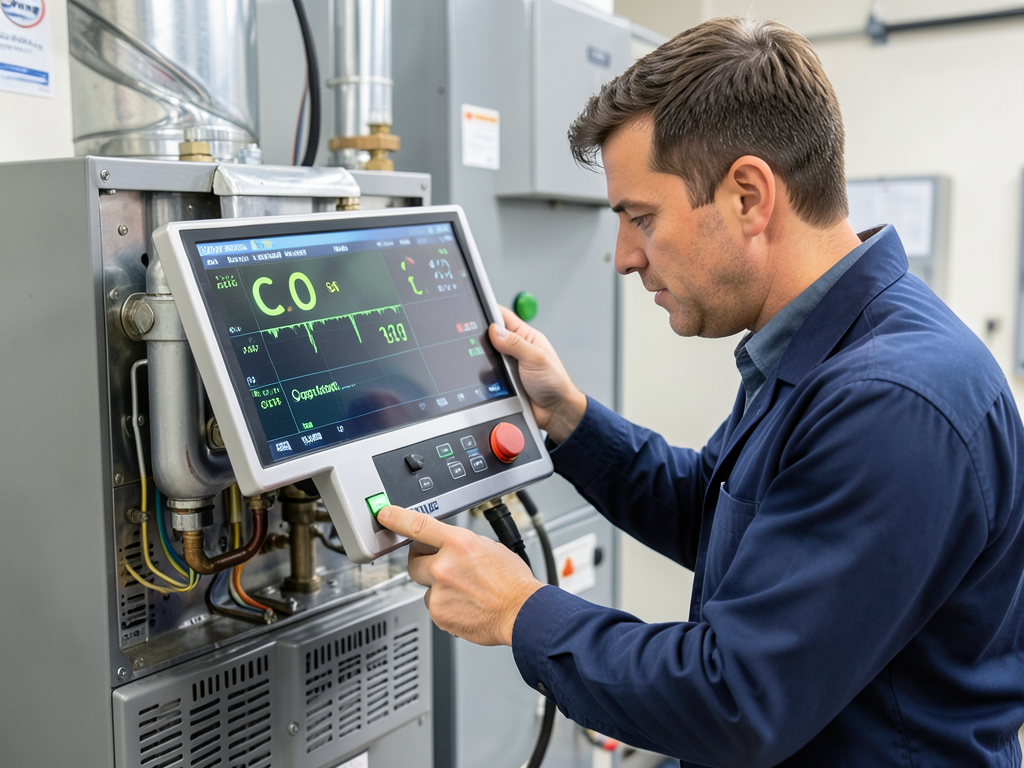
Image Description: Technician performing combustion analysis on a gas furnace using a digital analyzer, showing real-time CO and oxygen readings on the display screen.
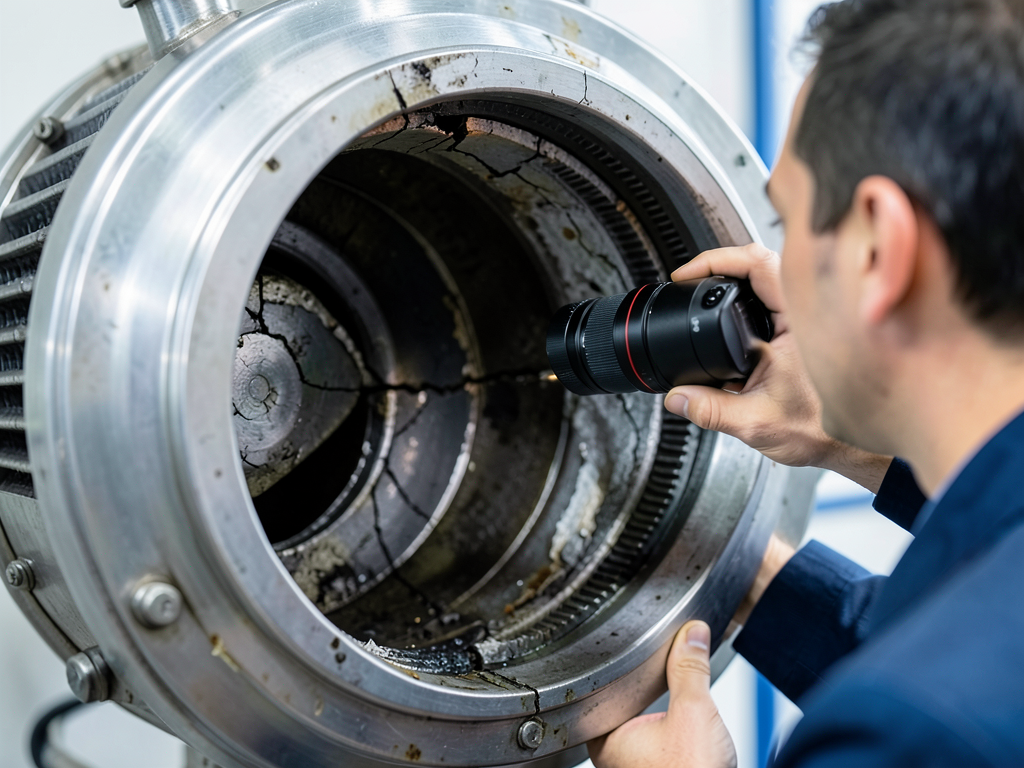
Image Description: Close-up of a heat exchanger inspection showing a technician using a specialized camera to examine the interior surfaces for cracks or corrosion.
Image Description: Side-by-side comparison of an old mid-efficiency furnace and a new high-efficiency unit, highlighting the size difference and modern venting configuration.
Frequently Asked Questions
How much does a second opinion cost?
Most reputable HVAC companies offer free second opinions, especially if you’ve received a replacement quote from another provider. Some may charge a small diagnostic fee that’s waived if you proceed with their recommended service.
How long does a second opinion inspection take?
A thorough 21-point inspection typically takes 60-90 minutes. This allows time for proper testing, data collection, and answering your questions about the findings.
Can a second opinion really save me money?
Yes. We frequently find that repair costs are significantly lower than replacement quotes, or that the existing system can be repaired safely and efficiently. Even when replacement is necessary, a second opinion often identifies cost-saving options the first technician didn’t mention.
What should I ask during a second opinion?
Ask about the specific tests performed, request to see any concerning findings, inquire about repair options and costs, and ask about local rebates or financing. A trustworthy technician will welcome these questions.
Is it worth repairing a 15-year-old furnace?
It depends on the specific unit’s condition, repair history, and efficiency. Some 15-year-old furnaces operate efficiently with minor repairs, while others may be costing you significantly more in energy bills than a new high-efficiency model would.
How do I know if the technician is being honest?
Look for NATE certification, request to see test results, ask for written documentation of findings, and verify the company’s standing with local business bureaus. Honest technicians welcome questions and provide clear explanations.
What if the second opinion agrees with the first?
Even if both opinions recommend replacement, a second opinion often provides more options, better pricing, or identifies specific features that better suit your needs. It ensures you’re making the most informed decision possible.
Don’t Make a $5,000 Mistake
Replacing a furnace is a significant investment that affects your comfort and energy bills for the next 15-20 years. A second opinion provides peace of mind and potentially saves you thousands of dollars. Our NATE-certified technicians understand Hamburg’s unique heating challenges and can provide an honest assessment of your system’s condition.
Whether you need a simple repair or a complete system replacement, you deserve accurate information to make the right decision. Don’t let high-pressure sales tactics force you into an unnecessary replacement.
Call (716) 317-7757 today to schedule your free second opinion. Our technicians are ready to provide the honest assessment you need to make the best decision for your home and budget.
Pick up the phone and call (716) 317-7757 before the next cold snap hits. We’re here to help Hamburg homeowners make informed decisions about their heating systems.
{
“@context”: “https://schema.org”,
“@type”: “BlogPosting”,
“headline”: “Why You Should Get a Second Opinion Before Replacing Your Hamburg Furnace”,
“description”: “Before spending thousands on a new furnace in Hamburg, get a second opinion from local NATE-certified technicians who understand Erie County’s unique heating demands.”,
“wordCount”: 1811,
“datePublished”: “2026-04-22T13:28:00.000Z”,
“dateModified”: “2026-04-22T13:28:00.000Z”,
“inLanguage”: “en-US”,
“mainEntityOfPage”: {
“@type”: “WebPage”,
“@id”: “https://unitedhvacbuffalo.com”
},
“publisher”: {
“@type”: “LocalBusiness”,
“name”: “United HVAC Buffalo”,
“url”: “https://unitedhvacbuffalo.com”
},
“author”: {
“@type”: “Organization”,
“name”: “United HVAC Buffalo”,
“url”: “https://unitedhvacbuffalo.com”
},
“image”: {
“@type”: “ImageObject”,
“url”: “https://unitedhvacbuffalo.com/wp-content/uploads/2026/03/why-you-should-get-a-second-opinion-before-replaci-1.png”
}
}
{
“@context”: “https://schema.org”,
“@type”: “HVACBusiness”,
“name”: “United HVAC Buffalo”,
“url”: “https://unitedhvacbuffalo.com”,
“address”: {
“@type”: “PostalAddress”,
“addressLocality”: “Buffalo”
},
“areaServed”: {
“@type”: “City”,
“name”: “Buffalo”
}
}
{
“@context”: “https://schema.org”,
“@type”: “FAQPage”,
“mainEntity”: [
{
“@type”: “Question”,
“name”: “Repair vs. Replace: When Does a New Unit Actually Make Sense?”,
“acceptedAnswer”: {
“@type”: “Answer”,
“text”: “Understanding the decision factors helps you make the right choice for your home and budget. Here’s a comparison framework: Choosing the Right HVAC Contractor for Your West Seneca Home Renovation.”
}
},
{
“@type”: “Question”,
“name”: “How much does a second opinion cost?”,
“acceptedAnswer”: {
“@type”: “Answer”,
“text”: “Most reputable HVAC companies offer free second opinions, especially if you’ve received a replacement quote from another provider. Some may charge a small diagnostic fee that’s waived if you proceed with their recommended service.”
}
},
{
“@type”: “Question”,
“name”: “How long does a second opinion inspection take?”,
“acceptedAnswer”: {
“@type”: “Answer”,
“text”: “A thorough 21-point inspection typically takes 60-90 minutes. This allows time for proper testing, data collection, and answering your questions about the findings.”
}
},
{
“@type”: “Question”,
“name”: “Can a second opinion really save me money?”,
“acceptedAnswer”: {
“@type”: “Answer”,
“text”: “Yes. We frequently find that repair costs are significantly lower than replacement quotes, or that the existing system can be repaired safely and efficiently. Even when replacement is necessary, a second opinion often identifies cost-saving options the first technician didn’t mention.”
}
},
{
“@type”: “Question”,
“name”: “What should I ask during a second opinion?”,
“acceptedAnswer”: {
“@type”: “Answer”,
“text”: “Ask about the specific tests performed, request to see any concerning findings, inquire about repair options and costs, and ask about local rebates or financing. A trustworthy technician will welcome these questions.”
}
},
{
“@type”: “Question”,
“name”: “Is it worth repairing a 15-year-old furnace?”,
“acceptedAnswer”: {
“@type”: “Answer”,
“text”: “It depends on the specific unit’s condition, repair history, and efficiency. Some 15-year-old furnaces operate efficiently with minor repairs, while others may be costing you significantly more in energy bills than a new high-efficiency model would.”
}
},
{
“@type”: “Question”,
“name”: “How do I know if the technician is being honest?”,
“acceptedAnswer”: {
“@type”: “Answer”,
“text”: “Look for NATE certification, request to see test results, ask for written documentation of findings, and verify the company’s standing with local business bureaus. Honest technicians welcome questions and provide clear explanations.”
}
},
{
“@type”: “Question”,
“name”: “What if the second opinion agrees with the first?”,
“acceptedAnswer”: {
“@type”: “Answer”,
“text”: “Even if both opinions recommend replacement, a second opinion often provides more options, better pricing, or identifies specific features that better suit your needs. It ensures you’re making the most informed decision possible.”
}
}
]
}
{
“@context”: “https://schema.org”,
“@type”: “BreadcrumbList”,
“itemListElement”: [
{
“@type”: “ListItem”,
“position”: 1,
“name”: “Home”,
“item”: “https://unitedhvacbuffalo.com”
},
{
“@type”: “ListItem”,
“position”: 2,
“name”: “Blog”,
“item”: “https://unitedhvacbuffalo.com/blog”
},
{
“@type”: “ListItem”,
“position”: 3,
“name”: “Why You Should Get a Second Opinion Before Replacing Your Hamburg Furnace”
}
]
}
{
“@context”: “https://schema.org”,
“@type”: “Service”,
“serviceType”: “HVAC”,
“provider”: {
“@type”: “LocalBusiness”,
“name”: “United HVAC Buffalo”,
“url”: “https://unitedhvacbuffalo.com”
},
“areaServed”: {
“@type”: “City”,
“name”: “Buffalo”
},
“description”: “Before spending thousands on a new furnace in Hamburg, get a second opinion from local NATE-certified technicians who understand Erie County’s unique heating demands.”
}