
Hybrid Heat Pump Water Heaters in Hamburg Basements: What You Need to Know
A hybrid heat pump water heater pulls heat from the surrounding air using refrigeration technology and transfers it to your water tank. In Buffalo basements, this means the unit can capture warmth from your home’s conditioned space during much of the year, reducing electricity use by up to 60% compared to standard electric resistance models. These systems switch automatically between heat pump and electric resistance modes depending on demand and ambient temperature, making them well-suited for Western New York’s climate swings. HVAC Buffalo.
For Hamburg homeowners, the technology offers two major local advantages: it dehumidifies damp basements during humid summers, and it qualifies for substantial New York State rebates through the Clean Heat Program. The catch is that performance drops when basement temperatures fall below 45°F, which happens during prolonged cold snaps in Hamburg’s lake-effect winters.. Read more about Navigating NYS Clean Heat Rebates for Your Buffalo HVAC Upgrade.
How Hybrid Heat Pump Water Heaters Work in Buffalo’s Climate
The heart of a hybrid system is its heat pump, which operates like a refrigerator in reverse. It extracts thermal energy from basement air using refrigerant coils, compresses it to raise the temperature, and transfers that heat to the water in the tank. In Buffalo basements, this process is most efficient when ambient air stays between 50°F and 80°F.
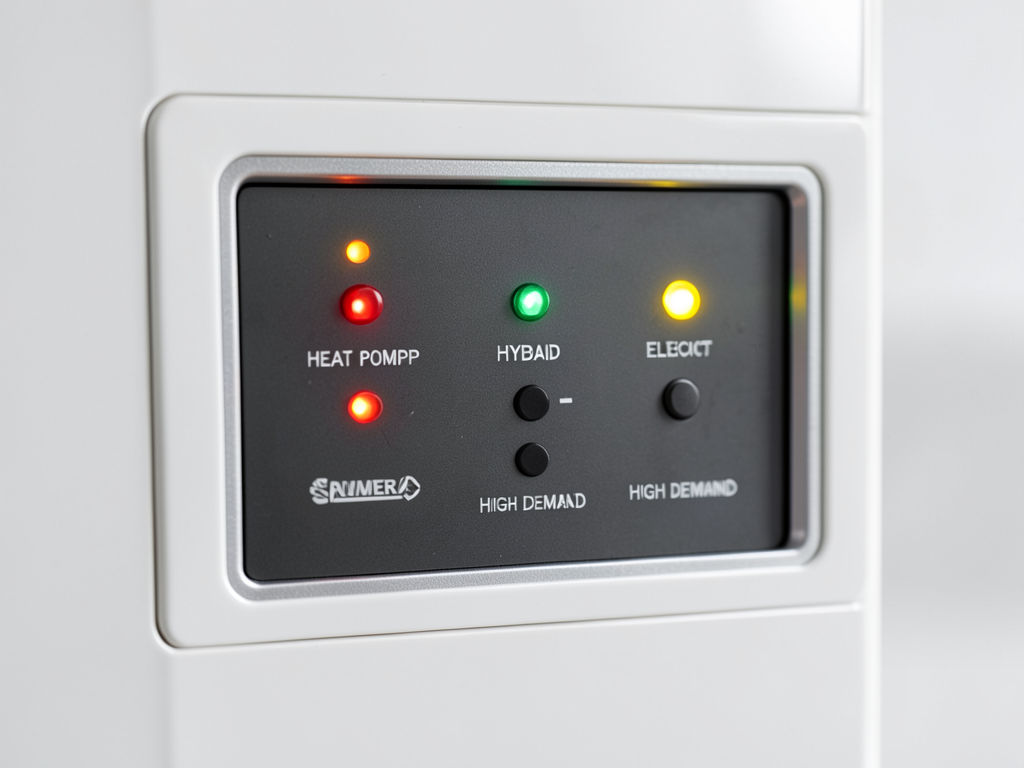
During Hamburg’s winter months, when basement temperatures can drop into the 40s, the unit automatically switches to electric resistance heating. This “hybrid” operation ensures you never run out of hot water, but it also means the efficiency gains are reduced during the coldest periods. The system’s Coefficient of Performance (COP) typically ranges from 2.0 to 3.5 in optimal conditions, meaning it moves two to three times more energy than it consumes.. Read more about How to Select the Right High Efficiency Pool Heater for Your Tonawanda Backyard.
Key Advantages for Hamburg Homeowners
Energy efficiency is the primary draw. A 50-gallon hybrid unit might use 1,000-1,500 kWh annually compared to 4,000-5,000 kWh for a standard electric model. At current National Grid rates of $0.16 per kWh, that translates to $400-$500 in annual savings for a typical household. National Grid energy efficiency rebates.
Dehumidification is a significant secondary benefit in Hamburg’s older homes. Many basements in the area suffer from high humidity due to clay soil and poor drainage. A hybrid unit removes 2-3 pints of moisture per day during operation, reducing the workload on your dehumidifier and helping prevent mold growth on basement walls.. Read more about How to Choose a Quiet Dehumidifier for Your Finished North Tonawanda Basement.
The units also qualify for multiple incentives. The federal Inflation Reduction Act provides a 30% tax credit up to $2,000 on qualified models. New York’s Clean Heat Program offers rebates up to $750 through participating utilities like National Grid and NYSEG. These incentives can cut the $2,500-$3,500 installed cost by 40-50%.
Important Considerations Before Installation
Space requirements are substantial. You need at least 750 cubic feet of air volume around the unit for proper heat exchange – roughly a 10×10 foot area with 8-foot ceilings. Hamburg basements in older homes often have lower ceilings or are partially finished, which can limit placement options.
Noise levels average 50-55 decibels during heat pump operation – comparable to a microwave or soft conversation. This is louder than a standard electric tank and may be noticeable in finished basement spaces or near bedrooms.
Recovery time is slower than gas water heaters. A 50-gallon hybrid unit needs 2-3 hours to fully reheat after heavy use, compared to 1 hour for a 40,000 BTU gas model. The “high-demand” mode helps but uses more electricity.
Condensate drainage is required. The heat pump produces 5-10 gallons of condensate daily that must drain to a floor drain or be pumped out. In Hamburg basements with high water tables, this adds complexity to the installation. Ductless AC Installation for Historical Homes in North Buffalo.
Buffalo Winter Performance: The Critical Factor
The efficiency of heat pump water heaters drops significantly when ambient air temperatures fall below 50°F. In Hamburg basements during January and February, temperatures often hover in the upper 40s to low 50s, reducing the COP to 1.5-2.0 – still better than resistance heating but less impressive than summer performance.
The unit’s control system manages this by switching to hybrid mode when demand is high or temperatures are low. However, during extended cold snaps, you may see your electricity usage approach that of a standard electric heater. The key is that even in winter, the system maintains a net efficiency advantage over resistance-only models.
Local water quality affects maintenance needs. Hamburg’s water supply contains moderate hardness – about 7-9 grains per gallon – which is lower than some areas but still requires annual anode rod inspection. The heat pump’s cooling effect can also cause condensation on cold water pipes, potentially leading to corrosion if not properly insulated.
Financial Analysis for Hamburg Homes
Using National Grid’s current residential rates of $0.16 per kWh and assuming 60% efficiency improvement over a standard electric heater, a typical Hamburg household would save $300-$400 annually. With rebates and tax credits, the net installed cost might be $1,500-$2,000.
The payback period typically ranges from 4-7 years depending on usage patterns and whether you’re replacing an electric or gas water heater. Gas water heaters have lower operating costs ($200-$300 annually) so the savings are less dramatic when switching from gas to hybrid electric.
National Grid and NYSEG both offer additional rebates for high-efficiency water heaters through their energy efficiency programs. These vary by utility territory and change annually, so checking current offers before purchasing is essential.
Installation Requirements and Building Codes
Erie County requires a mechanical permit for water heater replacements, including hybrid models. The installation must comply with New York State Uniform Fire Prevention and Building Code, which includes specific requirements for combustion air when installing near gas appliances.
Electrical requirements are substantial. Most hybrid units need a dedicated 240-volt, 30-amp circuit. Many Hamburg homes built before 1980 may need electrical panel upgrades to accommodate this load, adding $500-$1,000 to installation costs.
Proper ventilation is critical. The unit needs unrestricted airflow to the basement space – don’t install it in a closet or sealed mechanical room. Some homeowners in older Hamburg homes worry about the unit making their basement “too cold,” but the effect is minimal (2-4°F temperature drop) and is offset by the efficiency gains.
Comparing Hybrid vs. Traditional Water Heaters
| Feature | Hybrid Heat Pump | Standard Electric | Natural Gas |
|---|---|---|---|
| Annual Energy Use | 1,000-1,500 kWh | 4,000-5,000 kWh | 40-50 therms |
| Annual Operating Cost | $160-$240 | $640-$800 | $200-$300 |
| Installed Cost (after rebates) | $1,500-$2,500 | $800-$1,200 | $1,200-$2,000 |
| Lifespan | 10-15 years | 10-12 years | 12-15 years |
| Space Requirements | 750+ cubic feet | Minimal | Venting required |
Maintenance and Longevity
Annual maintenance for hybrid units includes checking the anode rod (replace every 3-5 years), cleaning the air filter (monthly), and inspecting the condensate drain line. The heat pump compressor and fan are sealed units with typical lifespans of 10-15 years.
Water hardness in Hamburg (7-9 gpg) is moderate but still causes scale buildup over time. Installing a water softener can extend the life of both the tank and the heat pump components, though this adds to the overall system cost.
The units have more electronic controls than standard water heaters, which means more potential failure points. However, most manufacturers offer 6-10 year warranties on the tank and 1-3 years on electronic components.
Is a Hybrid Heat Pump Right for Your Hamburg Home?
The technology makes the most sense for homes with electric water heating now, basements with adequate space and airflow, and homeowners planning to stay 5+ years to recoup the investment. If you have a gas water heater and adequate venting, staying with gas might be more cost-effective.
For new construction or major renovations in Hamburg, hybrid units are worth serious consideration given the available rebates and the long-term energy savings. The units also future-proof your home against potential increases in electricity rates or carbon pricing.
Consider your household’s hot water usage patterns. Families of four or more with high simultaneous demand might find the recovery time limiting, especially during winter when the heat pump operates less efficiently.
Frequently Asked Questions
How much can I really save with a hybrid water heater in Buffalo?
Most Hamburg homeowners save $300-$400 annually compared to standard electric models, with total savings of $3,000-$5,000 over the unit’s lifetime. Actual savings depend on your usage, basement temperature, and electricity rates.
Will this make my basement uncomfortably cold?
The heat pump removes heat from basement air, typically lowering temperatures by 2-4°F. This is usually not noticeable unless your basement is already cold. The unit automatically switches to electric resistance when basement temperatures drop too low.
What rebates are available for Hamburg residents?
National Grid and NYSEG customers can receive up to $750 in rebates through the NYS Clean Heat Program. The federal government offers a 30% tax credit up to $2,000. These can cut your installed cost by 40-50%.
How long does installation take?
Most installations require 4-6 hours by a licensed plumber/HVAC technician. If electrical upgrades are needed, allow an additional 2-4 hours and budget for an electrician’s services.
Can I install this myself?
New York State requires a licensed plumber for water heater installation, and electrical work must be done by a licensed electrician. DIY installation voids warranties and may violate building codes.
What happens during a power outage?
The unit won’t operate without power. Unlike gas water heaters with pilot lights, hybrid units need electricity for both the heat pump and controls. Consider a whole-house generator if outages are frequent in your area.
Next Steps for Hamburg Homeowners
Start by having your basement evaluated for space, electrical capacity, and drainage. A qualified technician can measure cubic footage, check your electrical panel, and assess whether your basement’s temperature profile makes a hybrid unit practical.
Before making a final decision, get quotes from multiple contractors and verify their familiarity with local rebates and building codes. Ask specifically about their experience with hybrid installations in older Hamburg homes with the unique challenges of lake-effect climate and clay soil conditions.
Call (716) 317-7757 today to schedule your inspection and learn which water heating solution makes the most sense for your home’s specific needs and your family’s budget.
Pick up the phone and call (716) 317-7757 before the next cold snap hits – upgrading your water heater now could save you hundreds in energy costs this winter. For more information, visit Department of Energy heat pump water heater guide.
{
“@context”: “https://schema.org”,
“@type”: “BlogPosting”,
“headline”: “Should You Upgrade to a Hybrid Heat Pump Water Heater in Your Hamburg Basement?”,
“description”: “Thinking about a hybrid heat pump water heater for your Hamburg basement? Learn local efficiency, costs, rebates, and Buffalo-specific performance before you decide.”,
“wordCount”: 1725,
“datePublished”: “2026-05-01T10:55:00.000Z”,
“dateModified”: “2026-05-01T10:55:00.000Z”,
“inLanguage”: “en-US”,
“mainEntityOfPage”: {
“@type”: “WebPage”,
“@id”: “https://unitedhvacbuffalo.com”
},
“publisher”: {
“@type”: “LocalBusiness”,
“name”: “United HVAC Buffalo”,
“url”: “https://unitedhvacbuffalo.com”
},
“author”: {
“@type”: “Organization”,
“name”: “United HVAC Buffalo”,
“url”: “https://unitedhvacbuffalo.com”
}
}
{
“@context”: “https://schema.org”,
“@type”: “HVACBusiness”,
“name”: “United HVAC Buffalo”,
“url”: “https://unitedhvacbuffalo.com”,
“address”: {
“@type”: “PostalAddress”,
“addressLocality”: “Buffalo”
},
“areaServed”: {
“@type”: “City”,
“name”: “Buffalo”
}
}
{
“@context”: “https://schema.org”,
“@type”: “FAQPage”,
“mainEntity”: [
{
“@type”: “Question”,
“name”: “Is a Hybrid Heat Pump Right for Your Hamburg Home?”,
“acceptedAnswer”: {
“@type”: “Answer”,
“text”: “The technology makes the most sense for homes with electric water heating now, basements with adequate space and airflow, and homeowners planning to stay 5+ years to recoup the investment. If you have a gas water heater and adequate venting, staying with gas might be more cost-effective.”
}
},
{
“@type”: “Question”,
“name”: “How much can I really save with a hybrid water heater in Buffalo?”,
“acceptedAnswer”: {
“@type”: “Answer”,
“text”: “Most Hamburg homeowners save $300-$400 annually compared to standard electric models, with total savings of $3,000-$5,000 over the unit’s lifetime. Actual savings depend on your usage, basement temperature, and electricity rates.”
}
},
{
“@type”: “Question”,
“name”: “Will this make my basement uncomfortably cold?”,
“acceptedAnswer”: {
“@type”: “Answer”,
“text”: “The heat pump removes heat from basement air, typically lowering temperatures by 2-4°F. This is usually not noticeable unless your basement is already cold. The unit automatically switches to electric resistance when basement temperatures drop too low.”
}
},
{
“@type”: “Question”,
“name”: “What rebates are available for Hamburg residents?”,
“acceptedAnswer”: {
“@type”: “Answer”,
“text”: “National Grid and NYSEG customers can receive up to $750 in rebates through the NYS Clean Heat Program. The federal government offers a 30% tax credit up to $2,000. These can cut your installed cost by 40-50%.”
}
},
{
“@type”: “Question”,
“name”: “How long does installation take?”,
“acceptedAnswer”: {
“@type”: “Answer”,
“text”: “Most installations require 4-6 hours by a licensed plumber/HVAC technician. If electrical upgrades are needed, allow an additional 2-4 hours and budget for an electrician’s services.”
}
},
{
“@type”: “Question”,
“name”: “Can I install this myself?”,
“acceptedAnswer”: {
“@type”: “Answer”,
“text”: “New York State requires a licensed plumber for water heater installation, and electrical work must be done by a licensed electrician. DIY installation voids warranties and may violate building codes.”
}
},
{
“@type”: “Question”,
“name”: “What happens during a power outage?”,
“acceptedAnswer”: {
“@type”: “Answer”,
“text”: “The unit won’t operate without power. Unlike gas water heaters with pilot lights, hybrid units need electricity for both the heat pump and controls. Consider a whole-house generator if outages are frequent in your area.”
}
}
]
}
{
“@context”: “https://schema.org”,
“@type”: “BreadcrumbList”,
“itemListElement”: [
{
“@type”: “ListItem”,
“position”: 1,
“name”: “Home”,
“item”: “https://unitedhvacbuffalo.com”
},
{
“@type”: “ListItem”,
“position”: 2,
“name”: “Blog”,
“item”: “https://unitedhvacbuffalo.com/blog”
},
{
“@type”: “ListItem”,
“position”: 3,
“name”: “Should You Upgrade to a Hybrid Heat Pump Water Heater in Your Hamburg Basement?”
}
]
}
{
“@context”: “https://schema.org”,
“@type”: “Service”,
“serviceType”: “HVAC”,
“provider”: {
“@type”: “LocalBusiness”,
“name”: “United HVAC Buffalo”,
“url”: “https://unitedhvacbuffalo.com”
},
“areaServed”: {
“@type”: “City”,
“name”: “Buffalo”
},
“description”: “Thinking about a hybrid heat pump water heater for your Hamburg basement? Learn local efficiency, costs, rebates, and Buffalo-specific performance before you decide.”
}