
Do UV Lights Actually Kill Mold and Bacteria in Your Buffalo AC System?
UV lights installed in your air conditioning system can eliminate up to 99.9% of airborne mold spores, bacteria, and viruses that thrive in Western New York’s humid climate. These specialized germicidal lamps use UV-C light at 254 nanometers to destroy the DNA of microorganisms, preventing them from reproducing and spreading through your home’s air supply.
Buffalo homeowners face unique challenges with indoor air quality. Our lake-effect humidity creates perfect conditions for mold growth inside HVAC systems, especially during summer months when AC units run continuously. UV light technology offers a proven, chemical-free solution that works 24/7 to keep your air clean and your system running efficiently. HVAC Buffalo.
How UV-C Light Works in Your HVAC System
UV-C light operates at a specific wavelength that disrupts the cellular structure of microorganisms. When mold spores, bacteria, or viruses pass through the UV light field, the high-energy photons damage their DNA and RNA, rendering them unable to reproduce or cause harm.
The effectiveness depends on several factors including exposure time, light intensity, and the specific pathogen being targeted. Most residential UV systems are designed to provide sufficient dosage to neutralize common household contaminants within milliseconds of exposure.
UV-C light penetrates the cell walls of microorganisms and causes thymine dimers to form in their DNA strands. This genetic damage prevents the organism from performing essential cellular functions, leading to cell death or inability to reproduce. The process is similar to how sunlight causes sunburn in humans, but at a much more concentrated and targeted level.
Modern UV systems use specialized quartz glass bulbs that allow maximum UV-C transmission while protecting the internal components. These bulbs typically last 9-12 months before needing replacement, as their intensity gradually decreases over time.
Types of UV Light Systems for HVAC Applications
Two main types of UV systems are used in residential HVAC applications: coil sterilization and air sterilization. Each serves a different purpose and offers distinct advantages depending on your specific needs.
Coil Sterilization UV Systems
Coil sterilization units mount inside the air handler near the evaporator coil. These systems shine UV light continuously on the coil surface, preventing mold and biofilm buildup that commonly occurs in the dark, damp environment of the coil housing.
The constant exposure keeps the coil clean and free of organic growth, which improves heat transfer efficiency and prevents the musty odors often associated with dirty AC coils. This type of system is particularly effective in Buffalo’s humid climate where moisture accumulation on coils is a constant concern.
Air Sterilization UV Systems
Air sterilization units are installed in the ductwork and designed to treat the air as it passes through the system. These units typically use higher intensity UV lamps and may include reflective surfaces to maximize exposure time for passing air.
These systems can treat larger volumes of air and are effective at reducing airborne pathogens throughout the entire home. They work best when the HVAC system is running, treating all air that circulates through the ducts.
Benefits of UV Light Installation in Buffalo Homes
Western New York’s climate creates ideal conditions for indoor air quality problems. Our high summer humidity, combined with tightly sealed modern homes, can trap pollutants and create breeding grounds for mold and bacteria within HVAC systems.
UV light installation offers multiple benefits beyond just killing microorganisms. Clean coils improve system efficiency by up to 35%, reducing energy consumption and extending equipment life. The elimination of biofilm buildup also improves airflow, reducing strain on your system’s components. Ductless AC Installation for Historical Homes in North Buffalo.
Health Benefits for Allergy and Asthma Sufferers
Buffalo ranks among the top cities for seasonal allergies due to our diverse pollen sources and long growing season. UV light systems can significantly reduce airborne allergens by neutralizing mold spores and bacteria that trigger respiratory symptoms.
Many homeowners report reduced allergy symptoms, fewer asthma attacks, and improved overall respiratory health after installing UV systems. The technology is particularly beneficial for households with young children, elderly residents, or anyone with compromised immune systems.. Read more about Surviving Spring Allergy Season Near Delaware Park with Better Home Air Filtration.
Energy Efficiency Improvements
Clean evaporator coils maintain their designed heat transfer efficiency. When coils become coated with biofilm or mold, they act as insulation, reducing the system’s ability to absorb heat from indoor air. This forces the system to run longer cycles, increasing energy consumption.
Studies show that UV light systems can reduce energy consumption by 10-35% depending on the severity of coil contamination before installation. In Buffalo’s climate, where AC systems often run for extended periods during humid summers, these savings can be substantial.
Buffalo Climate Considerations for UV Light Effectiveness
Western New York’s unique climate creates specific challenges for indoor air quality. Our proximity to Lake Erie means high humidity levels throughout much of the year, particularly during summer months when AC systems are most active.
The freeze-thaw cycles common in Buffalo also affect HVAC systems. When outdoor temperatures fluctuate dramatically, condensation patterns inside air handlers change, creating varying moisture conditions that can promote different types of microbial growth. Outdoor Unit Not Spinning.
Lake Effect Humidity Impact
Buffalo’s lake effect weather patterns contribute to indoor humidity levels that often exceed 60% during summer months. This high moisture content creates ideal conditions for mold and bacteria growth within HVAC systems, particularly in the dark, cool environment of air handlers.
UV light systems are especially effective in these conditions because they provide continuous protection against the constant moisture that would otherwise promote microbial growth. The technology works continuously, regardless of whether the AC is actively cooling or just circulating air.
Seasonal Considerations
During Buffalo’s humid summers, AC systems run frequently, creating consistent moisture on evaporator coils. This is when UV systems are most active and beneficial. However, during spring and fall when systems cycle on and off more frequently, UV lights continue to prevent mold growth during idle periods.
Winter operation presents different challenges. While heating systems don’t produce the same moisture levels as cooling systems, UV lights can still prevent dust and other particulates from accumulating on heat exchanger surfaces, maintaining efficiency year-round.
Installation and Maintenance Requirements
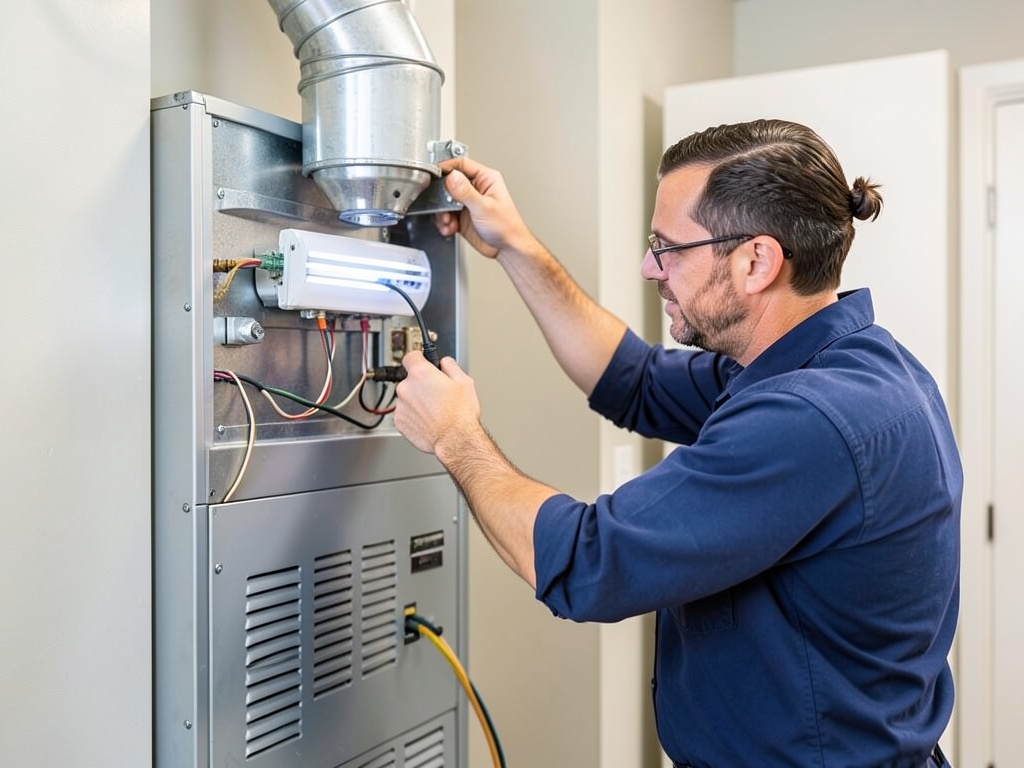
Proper installation is critical for UV system effectiveness. The lights must be positioned to provide maximum exposure to the target area while ensuring safe operation. Professional installation includes proper mounting, electrical connections, and safety interlocks to prevent UV exposure when the system is serviced.
Maintenance involves annual bulb replacement and periodic cleaning of the UV lamp housing. Most systems include indicator lights to show when bulbs need replacement, though many homeowners prefer scheduled maintenance to ensure optimal performance.
Professional Installation Process
Installation typically takes 1-2 hours for a professional HVAC technician. The process involves selecting the optimal mounting location, installing the UV housing, connecting to the system’s power supply, and testing all safety features.
Technicians must follow specific guidelines to ensure proper UV intensity at the target surface. This includes calculating the required wattage based on coil size and airflow patterns, and ensuring the light reaches all critical areas without creating shadows where mold could grow.
Cost Considerations and ROI
Initial installation costs for UV light systems range from $400 to $800 for most residential applications, depending on the system type and complexity. Coil sterilization systems are typically less expensive than whole-house air sterilization units.
The return on investment comes through multiple channels: reduced energy consumption, extended equipment life, fewer service calls for coil cleaning, and potential health benefits that may reduce medical expenses. Most systems pay for themselves within 2-3 years through energy savings alone.
Safety and Ozone Concerns
Quality UV light systems are designed with multiple safety features to prevent harmful UV exposure. These include protective shields, safety interlocks that cut power when access panels are opened, and proper housing designs that contain the UV radiation within the HVAC system.
Another important consideration is ozone production. Some UV lamps can produce ozone as a byproduct, which can be harmful at high concentrations. Look for systems certified as “ozone-free” or those that operate at wavelengths that minimize ozone generation.
UL Certification and Safety Standards
Reputable UV light systems carry UL certification and comply with EPA guidelines for indoor air quality equipment. These certifications ensure the systems meet safety standards for electrical operation, UV containment, and ozone emissions. EPA Indoor Air Quality Guidelines.
The National Air Filtration Association (NAFA) and ASHRAE provide guidelines for UV system installation and operation. Following these standards ensures both safety and effectiveness of the installation. ASHRAE Technical Resources.
Common Myths About UV Light Systems
Several misconceptions exist about UV light technology in HVAC systems. Understanding the facts helps homeowners make informed decisions about whether this technology is right for their homes. Choosing the Right HVAC Contractor for Your West Seneca Home Renovation.
One common myth is that UV lights can replace air filters. While UV systems are excellent at killing microorganisms, they do not remove dust, pollen, or other particulates from the air. High-quality air filters remain essential for comprehensive air quality management.
Myth: UV Lights Damage HVAC Components
Modern UV systems are designed to operate safely within HVAC equipment. The UV intensity used in residential systems is not strong enough to damage plastic components, wiring, or other system parts when properly installed.
The key is proper installation by qualified technicians who understand the correct positioning and intensity requirements. When installed correctly, UV systems actually extend the life of HVAC components by preventing the corrosive effects of mold and biofilm.
Myth: UV Lights Work Immediately
While UV lights begin working immediately upon installation, the full benefits may take several weeks to become apparent. This is because existing mold and biofilm need time to be eliminated, and the system needs time to demonstrate improved efficiency.
Most homeowners notice reduced odors within days and improved system performance within weeks. The complete elimination of existing contamination may take a month or more, depending on the initial conditions.
Integration with Other Air Quality Solutions
UV light systems work best as part of a comprehensive indoor air quality strategy. They complement other technologies rather than replacing them, creating a multi-layered approach to air purification.
Combining UV lights with high-efficiency air filters, proper humidity control, and regular maintenance provides the most comprehensive protection against indoor air pollutants. This integrated approach addresses both biological and particulate contaminants.
Filter Compatibility
UV systems are fully compatible with all types of air filters, from basic fiberglass filters to high-MERV HEPA filters. In fact, using a quality filter in conjunction with UV lights provides the best overall air quality results.
The filter removes particulates while the UV light neutralizes microorganisms. This combination addresses the full spectrum of indoor air contaminants, from dust and pollen to mold spores and bacteria.
Frequently Asked Questions
How long do UV light bulbs last in HVAC systems?
UV light bulbs typically last 9-12 months in residential HVAC applications. While the bulbs may continue to produce visible light beyond this period, their UV-C output gradually decreases, reducing effectiveness. Most manufacturers recommend annual replacement to maintain optimal performance.
Can UV lights eliminate all mold and bacteria in my home?
UV lights installed in your HVAC system are highly effective at treating air and surfaces within the system itself, eliminating up to 99.9% of microorganisms that pass through. However, they cannot treat mold or bacteria that exist in other areas of your home, such as bathrooms, basements, or on household surfaces.
Are UV light systems noisy or disruptive to operate?
UV light systems operate silently and do not produce any noticeable noise or disruption. The UV lamps produce no sound, and the small amount of heat they generate is negligible compared to the overall HVAC system operation. You won’t notice any difference in system noise or operation after installation.
Do UV lights increase my energy bills?
UV light systems consume very little electricity, typically using less power than a standard light bulb. The energy cost is negligible, usually less than $5-10 per year. The energy savings from improved system efficiency typically far outweigh the small amount of power the UV system consumes.
Can I install UV lights myself or do I need a professional?
Professional installation is strongly recommended for UV light systems. Proper installation requires knowledge of HVAC system design, electrical connections, and safety protocols. Incorrect installation can result in ineffective operation, potential safety hazards, or damage to your HVAC system. Professional installation also ensures warranty coverage.
Making the Right Choice for Your Buffalo Home
Deciding whether UV light installation is right for your home depends on several factors specific to your situation. Consider your home’s age, your family’s health concerns, your current indoor air quality issues, and your budget for home improvements.
Most Buffalo homeowners find that UV light systems provide significant benefits, particularly those with allergy sufferers, homes in humid areas, or anyone concerned about indoor air quality. The technology has proven effective in our local climate and offers measurable improvements in both air quality and system efficiency.
The best way to determine if UV lights are right for your home is to have a professional HVAC technician evaluate your specific situation. They can assess your current system, identify any existing air quality issues, and recommend the most appropriate solution for your needs.
Take Action for Cleaner Air Today
Clean indoor air is essential for your family’s health and comfort, especially in Buffalo’s challenging climate. UV light technology offers a proven, effective solution for eliminating mold, bacteria, and other microorganisms from your home’s air supply.
Don’t wait until air quality issues affect your family’s health or your HVAC system’s efficiency. The investment in UV light technology pays for itself through improved comfort, better health, and lower energy bills.
Call (716) 317-7757 today to schedule your UV light consultation and take the first step toward cleaner, healthier air in your Buffalo home. Our experienced technicians understand the unique challenges of Western New York’s climate and can recommend the perfect solution for your specific needs.
Pick up the phone and call (716) 317-7757 before the next humid summer season hits. Your family deserves to breathe clean, healthy air year-round, and we’re here to make that happen with professional UV light installation and comprehensive indoor air quality solutions.
You may also find this helpful. How to Choose a Quiet Dehumidifier for Your Finished North Tonawanda Basement.
{
“@context”: “https://schema.org”,
“@type”: “BlogPosting”,
“headline”: “Do UV Lights Actually Kill Mold and Bacteria in Your Buffalo AC System?”,
“description”: “Discover how UV-C light technology eliminates mold and bacteria in Buffalo homes. Learn about installation, benefits, and why Western NY’s climate makes UV lights essential.”,
“wordCount”: 2369,
“datePublished”: “2026-05-09T14:04:00.000Z”,
“dateModified”: “2026-05-09T14:04:00.000Z”,
“inLanguage”: “en-US”,
“mainEntityOfPage”: {
“@type”: “WebPage”,
“@id”: “https://unitedhvacbuffalo.com”
},
“publisher”: {
“@type”: “LocalBusiness”,
“name”: “United HVAC Buffalo”,
“url”: “https://unitedhvacbuffalo.com”
},
“author”: {
“@type”: “Organization”,
“name”: “United HVAC Buffalo”,
“url”: “https://unitedhvacbuffalo.com”
},
“image”: {
“@type”: “ImageObject”,
“url”: “https://unitedhvacbuffalo.com/wp-content/uploads/2026/03/do-uv-lights-actually-kill-mold-and-bacteria-in-yo-1.png”
}
}
{
“@context”: “https://schema.org”,
“@type”: “HVACBusiness”,
“name”: “United HVAC Buffalo”,
“url”: “https://unitedhvacbuffalo.com”,
“address”: {
“@type”: “PostalAddress”,
“addressLocality”: “Buffalo”
},
“areaServed”: {
“@type”: “City”,
“name”: “Buffalo”
}
}
{
“@context”: “https://schema.org”,
“@type”: “FAQPage”,
“mainEntity”: [
{
“@type”: “Question”,
“name”: “How long do UV light bulbs last in HVAC systems?”,
“acceptedAnswer”: {
“@type”: “Answer”,
“text”: “UV light bulbs typically last 9-12 months in residential HVAC applications. While the bulbs may continue to produce visible light beyond this period, their UV-C output gradually decreases, reducing effectiveness. Most manufacturers recommend annual replacement to maintain optimal performance.”
}
},
{
“@type”: “Question”,
“name”: “Can UV lights eliminate all mold and bacteria in my home?”,
“acceptedAnswer”: {
“@type”: “Answer”,
“text”: “UV lights installed in your HVAC system are highly effective at treating air and surfaces within the system itself, eliminating up to 99.9% of microorganisms that pass through. However, they cannot treat mold or bacteria that exist in other areas of your home, such as bathrooms, basements, or on household surfaces.”
}
},
{
“@type”: “Question”,
“name”: “Are UV light systems noisy or disruptive to operate?”,
“acceptedAnswer”: {
“@type”: “Answer”,
“text”: “UV light systems operate silently and do not produce any noticeable noise or disruption. The UV lamps produce no sound, and the small amount of heat they generate is negligible compared to the overall HVAC system operation. You won’t notice any difference in system noise or operation after installation.”
}
},
{
“@type”: “Question”,
“name”: “Do UV lights increase my energy bills?”,
“acceptedAnswer”: {
“@type”: “Answer”,
“text”: “UV light systems consume very little electricity, typically using less power than a standard light bulb. The energy cost is negligible, usually less than $5-10 per year. The energy savings from improved system efficiency typically far outweigh the small amount of power the UV system consumes.”
}
},
{
“@type”: “Question”,
“name”: “Can I install UV lights myself or do I need a professional?”,
“acceptedAnswer”: {
“@type”: “Answer”,
“text”: “Professional installation is strongly recommended for UV light systems. Proper installation requires knowledge of HVAC system design, electrical connections, and safety protocols. Incorrect installation can result in ineffective operation, potential safety hazards, or damage to your HVAC system. Professional installation also ensures warranty coverage.”
}
}
]
}
{
“@context”: “https://schema.org”,
“@type”: “BreadcrumbList”,
“itemListElement”: [
{
“@type”: “ListItem”,
“position”: 1,
“name”: “Home”,
“item”: “https://unitedhvacbuffalo.com”
},
{
“@type”: “ListItem”,
“position”: 2,
“name”: “Blog”,
“item”: “https://unitedhvacbuffalo.com/blog”
},
{
“@type”: “ListItem”,
“position”: 3,
“name”: “Do UV Lights Actually Kill Mold and Bacteria in Your Buffalo AC System?”
}
]
}
{
“@context”: “https://schema.org”,
“@type”: “Service”,
“serviceType”: “HVAC”,
“provider”: {
“@type”: “LocalBusiness”,
“name”: “United HVAC Buffalo”,
“url”: “https://unitedhvacbuffalo.com”
},
“areaServed”: {
“@type”: “City”,
“name”: “Buffalo”
},
“description”: “Discover how UV-C light technology eliminates mold and bacteria in Buffalo homes. Learn about installation, benefits, and why Western NY’s climate makes UV lights essential.”
}