
Is Propane Heating a Viable Alternative for Rural Homes in Elma and Marilla?
Propane heating offers a practical solution for rural homes in Elma and Marilla where natural gas lines don’t reach. These communities sit outside the National Fuel service area, leaving many homeowners searching for reliable heating options that can handle Western New York’s brutal winters. Propane delivers consistent heat output and works well in older homes with existing ductwork or baseboard systems. propane heating efficiency.
Homeowners in these areas face unique challenges. The lack of natural gas infrastructure means propane becomes the primary alternative to expensive electric heating. Modern propane furnaces achieve 95% efficiency ratings and provide steady heat even when temperatures drop below zero. The fuel burns cleaner than oil and requires less maintenance than older systems. propane environmental impact.
Cost considerations matter for rural residents. Propane prices fluctuate with market conditions but typically run higher per BTU than natural gas. However, propane furnaces cost less to install than geothermal systems and work without the electrical demands of heat pumps in extreme cold. Tank placement requires permits from Erie County and must meet setback requirements from property lines. Emergency Furnace Repair in Amherst When Your Heat Goes Out at Night.
Local factors influence system performance. Elma’s heavier clay soils can affect foundation stability for outdoor tanks. Marilla’s rolling terrain sometimes requires longer propane line runs to reach distant structures. Both communities experience lake-effect snow that can delay fuel deliveries during peak winter months. Planning for adequate tank capacity becomes essential. Outdoor Unit Not Spinning.
Cost Comparison: Propane vs Natural Gas in Western New York
Understanding the true cost of propane heating requires comparing several factors beyond just fuel prices. Installation costs vary based on home size and existing infrastructure. A typical 2,000-square-foot home in Elma might need a 100,000 BTU furnace that costs between $3,500 and $5,000 installed. Ductless AC Installation for Historical Homes in North Buffalo.
Operating costs depend on efficiency and local propane prices. Current 2026 rates in Erie County average $2.85 per gallon. A high-efficiency furnace burns about 800 gallons annually for a typical home. National Fuel’s natural gas customers pay around $12 per MCF with average usage of 100 MCF per heating season.
Installation differences matter significantly. Natural gas furnaces connect to existing pipelines requiring minimal setup. Propane systems need storage tanks, regulators, and safety controls. Underground tanks cost more but last longer and maintain better aesthetics. Above-ground tanks install faster but require more maintenance.
Maintenance costs favor propane systems. Natural gas furnaces need annual inspections but propane systems require less frequent service. The sealed combustion design of modern propane units reduces carbon monoxide risks. However, propane tanks need recertification every 12 years and pressure testing after any disturbance.
| Factor | Propane System | Natural Gas System |
|---|---|---|
| Initial Installation | $3,500 – $5,000 | $2,500 – $4,000 |
| Annual Fuel Cost | $2,280 (800 gal) | $1,200 (100 MCF) |
| Maintenance Frequency | Every 2-3 years | Annually |
| Efficiency Rating | 95% AFUE | 96% AFUE |
Heating Performance During Buffalo’s Extreme Cold
Propane furnaces deliver reliable heat when temperatures plummet. The fuel contains 91,500 BTUs per gallon compared to natural gas at 1,030 BTUs per cubic foot. This higher energy density means propane systems produce more heat per unit of fuel, crucial during -10°F nights common in Elma and Marilla. Finding the Most Reliable Furnace Repair Services in Buffalo.
Modern propane furnaces use sealed combustion chambers that draw air from outside. This design prevents negative pressure issues common in tightly sealed rural homes. The systems maintain steady output even when wind speeds exceed 30 mph, a frequent occurrence during lake-effect storms.
Temperature consistency improves with propane. The fuel burns at a higher temperature than natural gas, allowing furnaces to reach set points faster. Homes in Marilla’s valley locations benefit from this quick recovery when cold air settles overnight. The higher flame temperature also means less condensation in heat exchangers.
Backup power considerations affect reliability. Propane furnaces need electricity for blowers and controls. During extended outages, homeowners often pair systems with generators. A 5,000-watt generator runs most propane furnaces for 8-10 hours on one gallon of gasoline, providing crucial backup during winter emergencies.
Altitude impacts performance slightly. Elma sits around 700 feet elevation while Marilla varies from 600 to 900 feet. Propane systems self-adjust for these variations, unlike some natural gas units that require manual orifice changes. This automatic compensation ensures consistent heating regardless of specific location.
Installation Requirements and Safety Standards
Propane tank installation follows strict New York State regulations. Tanks under 125 gallons can sit 10 feet from structures. Larger tanks need 25-foot setbacks. Erie County requires permits for all installations, with inspections verifying proper anchoring and valve protection. The New York State Department of Environmental Conservation oversees compliance.
Underground tanks need cathodic protection to prevent corrosion. This electrical system includes sacrificial anodes that corrode instead of the tank. Installation depth must reach frost line, typically 36-48 inches in Erie County. Proper bedding material prevents settling that could damage connections or regulators.
Vaporization rates affect system sizing. Cold temperatures reduce propane’s ability to vaporize from liquid to gas. Homes using multiple high-BTU appliances simultaneously might need larger tanks or vaporizers. A 500-gallon tank provides adequate vaporization for most residential applications down to -20°F.
Gas line installation requires specific materials. Polyethylene tubing works for underground runs, while copper serves interior connections. All joints need pressure testing at 1.5 times operating pressure. Erie County mandates electronic leak detection for all new installations, using sensors that find leaks as small as 0.5 cubic feet per hour.
Carbon monoxide detectors become mandatory with propane systems. New York State Residential Code Section R315 requires detectors on every floor and near sleeping areas. Propane’s heavier-than-air properties mean leaks collect in low areas, making floor-level detectors particularly important in basements and crawl spaces.
Environmental Impact and Energy Independence
Propane produces fewer emissions than oil or coal but more than natural gas. The fuel releases about 12.61 pounds of CO2 per gallon burned. However, propane furnaces achieve higher efficiency ratings, reducing overall emissions compared to older oil systems common in rural Western New York homes.
Renewable propane options emerge in 2026. Several suppliers now offer bio-propane produced from vegetable oils and animal fats. This fuel cuts carbon emissions by up to 80% compared to conventional propane. While more expensive, it provides an immediate way to reduce environmental impact without replacing existing equipment.. Read more about Eco-Friendly Ways to Heat Your Home Without Relying Solely on Natural Gas.
Energy independence appeals to many rural homeowners. Propane tanks store fuel on-site, protecting against supply disruptions. National Fuel’s aging infrastructure sometimes causes natural gas shortages during extreme cold. Propane users maintain control over their supply and can purchase fuel when prices drop seasonally.
Propane supports other home systems beyond heating. Many rural homes use propane for water heaters, stoves, and fireplaces. This consolidation simplifies fuel management and can reduce overall energy costs. A single 500-gallon tank often serves an entire home’s propane needs for several months.
Long-term storage presents minimal concerns. Propane remains stable indefinitely when properly contained. Unlike gasoline or diesel, it doesn’t degrade over time. This stability makes it ideal for emergency preparedness, with many homeowners keeping extra capacity for extended outages or supply interruptions.
Maintenance Requirements and System Longevity
Propane furnaces need less frequent service than natural gas units. The sealed combustion design keeps burners cleaner and reduces soot buildup. Annual inspections should check heat exchanger integrity, gas pressure, and safety controls. Most manufacturers recommend professional service every two to three years for typical residential use.
Filter maintenance affects efficiency significantly. Propane systems use standard furnace filters that should change every three months during heating season. Homes with pets or near agricultural areas might need monthly changes. Clean filters maintain proper airflow and prevent overheating that shortens equipment life.
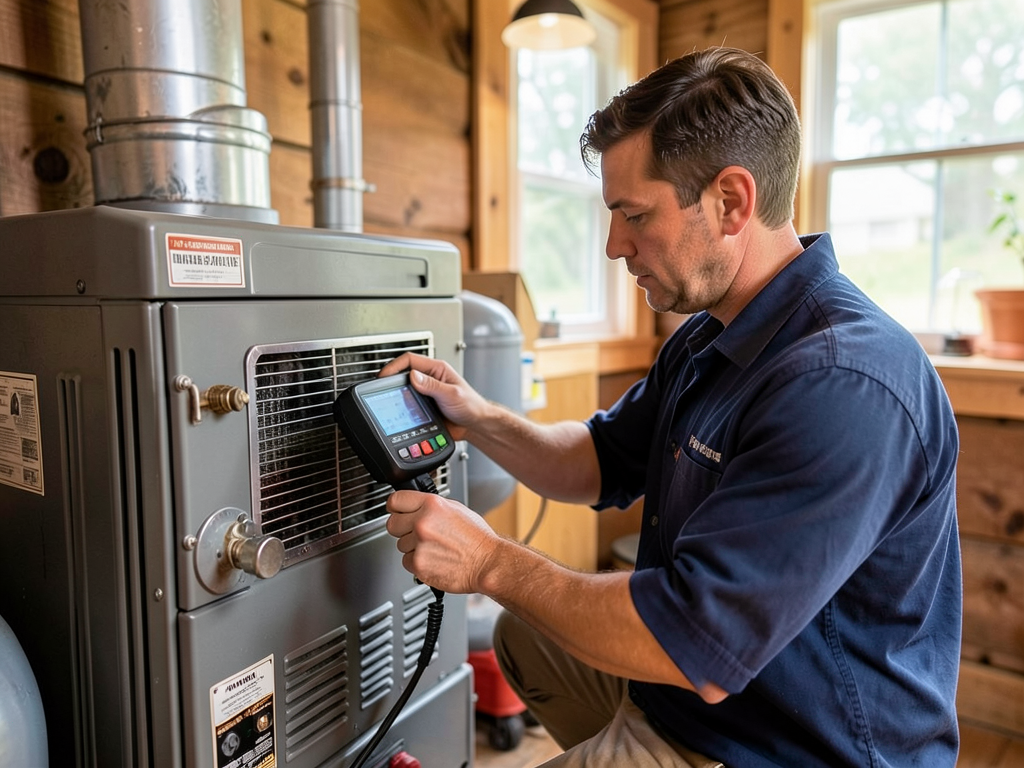
Heat exchanger inspection requires specific techniques. Technicians use combustion analyzers to measure CO2 levels and temperature rise. Abnormal readings indicate potential cracks or deterioration. The New York State Energy Research and Development Authority recommends infrared scanning for homes over 15 years old to detect hidden heat exchanger issues.
Propane tank maintenance focuses on connections and valves. Annual visual inspections check for rust, corrosion, or physical damage. Regulators need replacement every 10-15 years as diaphragm materials degrade. Homeowners should clear vegetation from tanks and ensure snow doesn’t accumulate on regulators during winter.
System lifespan averages 15-20 years for propane furnaces. Proper maintenance often extends this to 25 years. The simpler ignition systems in propane units compared to some natural gas furnaces contribute to longer service life. Many rural homeowners keep equipment running longer due to replacement costs and limited contractor availability.
Making the Switch: Conversion Considerations
Converting from oil to propane often makes financial sense. Oil furnaces typically need replacement by year 20-25. Propane systems cost less to install than new oil units and provide similar or better efficiency. The conversion process usually takes 2-3 days and includes removing old equipment and installing new gas lines.
Electric to propane conversions require more planning. Homes with electric baseboard heat need ductwork installation or mini-split heat pumps. Ductless mini-splits offer an alternative, providing both heating and cooling without major renovations. However, propane furnaces still outperform heat pumps during extreme cold common in Elma and Marilla.
Natural gas to propane conversion involves specific changes. Burners, orifices, and regulators need replacement. The process requires a licensed technician familiar with manufacturer specifications. Most modern furnaces include conversion kits, making the switch straightforward for qualified professionals.
Cost recovery analysis helps decision-making. Propane system installation costs $3,000-5,000 more than comparable natural gas units. However, if natural gas service requires $10,000-15,000 in line extension fees, propane becomes immediately cost-effective. Many rural homeowners find break-even within 3-5 years through lower installation costs.
Building permits affect timelines. Erie County requires mechanical permits for all furnace replacements. The process takes 1-2 weeks in most cases. Some older homes might need electrical upgrades to support new furnace controls and blowers, adding $500-1,000 to project costs.
Frequently Asked Questions
How much does propane heating cost compared to natural gas?
Propane typically costs 30-50% more per BTU than natural gas. However, propane furnaces often cost less to install, especially in areas without natural gas infrastructure. The total cost difference varies based on local fuel prices and usage patterns.
Can propane furnaces handle Buffalo’s extreme winter temperatures?
Yes, modern propane furnaces perform excellently in sub-zero conditions. They provide consistent heat output and maintain efficiency ratings of 95% or higher even during the coldest Western New York winters.
What maintenance do propane heating systems require?
Propane systems need annual inspections of the heat exchanger, gas pressure, and safety controls. Most manufacturers recommend professional service every 2-3 years. Regular filter changes and tank inspections also ensure optimal performance.
Are there any environmental concerns with propane heating?
Propane burns cleaner than oil or coal but produces more emissions than natural gas. However, high-efficiency propane furnaces minimize environmental impact. Bio-propane options are increasingly available for those seeking renewable alternatives.
How long do propane heating systems typically last?
With proper maintenance, propane furnaces typically last 15-20 years, with many systems functioning well beyond 25 years. The sealed combustion design contributes to longer service life compared to some other heating options.
Call (716) 317-7757 today to schedule your inspection and get expert advice on propane heating for your rural Elma or Marilla home.
{
“@context”: “https://schema.org”,
“@type”: “BlogPosting”,
“headline”: “Is Propane Heating a Viable Alternative for Rural Homes in Elma and Marilla?”,
“description”: “Discover if propane heating works for rural Elma and Marilla homes. Compare costs, efficiency, and installation with local Buffalo HVAC expert insights.”,
“wordCount”: 1879,
“datePublished”: “2026-05-13T06:33:00.000Z”,
“dateModified”: “2026-05-13T06:33:00.000Z”,
“inLanguage”: “en-US”,
“mainEntityOfPage”: {
“@type”: “WebPage”,
“@id”: “https://unitedhvacbuffalo.com”
},
“publisher”: {
“@type”: “LocalBusiness”,
“name”: “United HVAC Buffalo”,
“url”: “https://unitedhvacbuffalo.com”
},
“author”: {
“@type”: “Organization”,
“name”: “United HVAC Buffalo”,
“url”: “https://unitedhvacbuffalo.com”
},
“image”: {
“@type”: “ImageObject”,
“url”: “https://unitedhvacbuffalo.com/wp-content/uploads/2026/03/is-propane-heating-a-viable-alternative-for-rural-1.png”
}
}
{
“@context”: “https://schema.org”,
“@type”: “HVACBusiness”,
“name”: “United HVAC Buffalo”,
“url”: “https://unitedhvacbuffalo.com”,
“address”: {
“@type”: “PostalAddress”,
“addressLocality”: “Buffalo”
},
“areaServed”: {
“@type”: “City”,
“name”: “Buffalo”
}
}
{
“@context”: “https://schema.org”,
“@type”: “FAQPage”,
“mainEntity”: [
{
“@type”: “Question”,
“name”: “How much does propane heating cost compared to natural gas?”,
“acceptedAnswer”: {
“@type”: “Answer”,
“text”: “Propane typically costs 30-50% more per BTU than natural gas. However, propane furnaces often cost less to install, especially in areas without natural gas infrastructure. The total cost difference varies based on local fuel prices and usage patterns.”
}
},
{
“@type”: “Question”,
“name”: “Can propane furnaces handle Buffalo’s extreme winter temperatures?”,
“acceptedAnswer”: {
“@type”: “Answer”,
“text”: “Yes, modern propane furnaces perform excellently in sub-zero conditions. They provide consistent heat output and maintain efficiency ratings of 95% or higher even during the coldest Western New York winters.”
}
},
{
“@type”: “Question”,
“name”: “What maintenance do propane heating systems require?”,
“acceptedAnswer”: {
“@type”: “Answer”,
“text”: “Propane systems need annual inspections of the heat exchanger, gas pressure, and safety controls. Most manufacturers recommend professional service every 2-3 years. Regular filter changes and tank inspections also ensure optimal performance.”
}
},
{
“@type”: “Question”,
“name”: “Are there any environmental concerns with propane heating?”,
“acceptedAnswer”: {
“@type”: “Answer”,
“text”: “Propane burns cleaner than oil or coal but produces more emissions than natural gas. However, high-efficiency propane furnaces minimize environmental impact. Bio-propane options are increasingly available for those seeking renewable alternatives.”
}
},
{
“@type”: “Question”,
“name”: “How long do propane heating systems typically last?”,
“acceptedAnswer”: {
“@type”: “Answer”,
“text”: “With proper maintenance, propane furnaces typically last 15-20 years, with many systems functioning well beyond 25 years. The sealed combustion design contributes to longer service life compared to some other heating options.”
}
}
]
}
{
“@context”: “https://schema.org”,
“@type”: “BreadcrumbList”,
“itemListElement”: [
{
“@type”: “ListItem”,
“position”: 1,
“name”: “Home”,
“item”: “https://unitedhvacbuffalo.com”
},
{
“@type”: “ListItem”,
“position”: 2,
“name”: “Blog”,
“item”: “https://unitedhvacbuffalo.com/blog”
},
{
“@type”: “ListItem”,
“position”: 3,
“name”: “Is Propane Heating a Viable Alternative for Rural Homes in Elma and Marilla?”
}
]
}
{
“@context”: “https://schema.org”,
“@type”: “Service”,
“serviceType”: “HVAC”,
“provider”: {
“@type”: “LocalBusiness”,
“name”: “United HVAC Buffalo”,
“url”: “https://unitedhvacbuffalo.com”
},
“areaServed”: {
“@type”: “City”,
“name”: “Buffalo”
},
“description”: “Discover if propane heating works for rural Elma and Marilla homes. Compare costs, efficiency, and installation with local Buffalo HVAC expert insights.”
}