
How to Inspect Your Own HVAC System Before the First Buffalo Snowfall
Buffalo’s lake-effect snow can hit without warning. Temperatures can drop 40 degrees in a single day. A working furnace isn’t just about comfort. It’s about survival. This checklist shows you how to spot warning signs before the first flake falls. Emergency Furnace Repair in Amherst When Your Heat Goes Out at Night.
DIY Fall Maintenance: What You Can Check Yourself
Start with the basics. These steps take less than 30 minutes and could save you from a mid-winter breakdown.. Read more about The Ideal Winter Thermostat Setting for Your Buffalo Home While You Are Away on Vacation.
- Replace the Air Filter
Locate the filter slot near the furnace or air handler. Slide out the old filter. Note the MERV rating printed on the frame. Insert a new filter with the same rating facing the correct direction. A clogged filter forces your system to work harder and can cause overheating.. Read more about How Heavy Winds from Lake Erie Mess with Your Furnace Pressure Switch.
- Clear Outdoor Unit Debris
Walk to your outdoor AC condenser. Remove leaves, grass clippings, and any debris from the top and sides. Cut back plants at least 24 inches from all sides. Blocked airflow reduces efficiency and can cause the compressor to fail. Outdoor Unit Not Spinning.
- Test Thermostat Operation
Set your thermostat to heat and raise the temperature 5 degrees above room temperature. You should hear a click and feel warm air within 3-5 minutes. If nothing happens, the issue could be power, gas supply, or the control board.. Read more about Finding the Right Spot for Your Thermostat in a Drafty First Ward Cottage.
- Check Carbon Monoxide Detectors
Press the test button on each detector. Replace batteries if the alarm doesn’t sound. CO detectors should be on every floor and within 15 feet of sleeping areas. A cracked heat exchanger can leak carbon monoxide even when the furnace runs normally.. Read more about Red Flags to Look for in a Furnace When Buying a Home in West Seneca.
What the Pros Check: Hidden Dangers You Can’t See
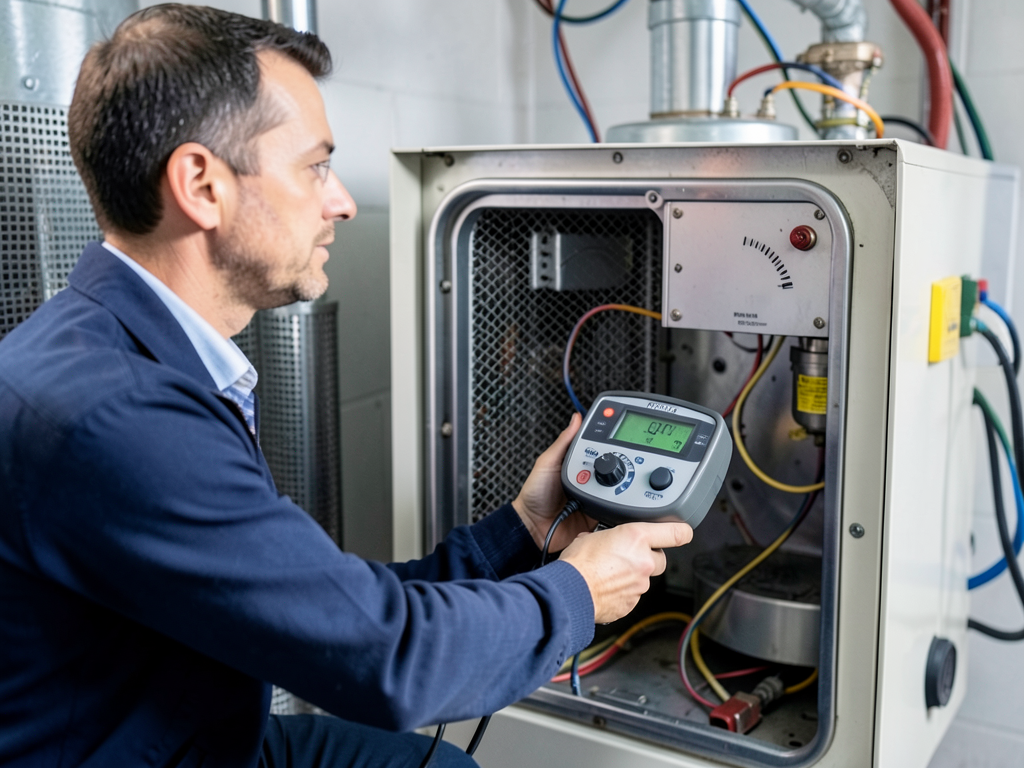
Some problems only show up under pressure. A professional inspection uses specialized tools to find these issues before they become emergencies.
| Professional Test | What It Finds | Buffalo Impact |
|---|---|---|
| Heat Exchanger Pressure Test | Cracks that leak carbon monoxide | Older city homes near Delaware Park often have original exchangers |
| Blower Motor Amp Draw | Overloaded motors that can fail | High humidity in August stresses motors before winter |
| Gas Pressure Measurement | Inadequate fuel delivery | Older gas lines in Black Rock can’t handle modern high-efficiency units |
| Flue Pipe Inspection | Blockages from animal nests or corrosion | Heavy snowfall can block sidewall vents common in Cheektowaga |
Buffalo-Specific Winter Prep: The Lake-Effect Factor
Buffalo’s geography creates unique challenges. The city sits between Lake Erie and the Niagara Escarpment. This means rapid temperature swings and heavy lake-effect snow bands that can drop 2-3 feet in a single storm. HVAC Buffalo.
Vent Clearance Is Critical. Most high-efficiency furnaces in Amherst and Tonawanda use sidewall vents instead of chimneys. Snow drifts can completely block these vents. Check that all vent pipes extend at least 12 inches above expected snow levels. Mark them with reflective stakes before the ground freezes.
Protect Your Condensate Line. High-efficiency furnaces produce acidic water that drains through a plastic line. In freezing weather, this line can ice over and shut down your furnace. Insulate the line where it passes through cold areas. Consider installing a condensate pump with a built-in heater.
Check Your Electrical Panel. Many Buffalo homes built before 1980 have 60-amp service. Modern HVAC systems need 100 amps minimum. Overloaded panels cause nuisance tripping when your furnace and space heaters run together during extreme cold snaps.
Safety Warning: Carbon Monoxide and Gas Leak Detection
Carbon monoxide is odorless and colorless. It kills about 400 Americans yearly. In Buffalo, most CO deaths happen during winter storms when people run generators or use ovens for heat.. Read more about Why Your Old Buffalo Steam Radiators Keep Making That Annoying Clicking Noise.
Never Ignore These Signs:
- Yellow or flickering burner flames instead of steady blue
- Excessive soot around the furnace
- Unusual humidity or condensation on windows
- Headaches, dizziness, or nausea when the heat runs
Gas Leak Protocol: If you smell rotten eggs, evacuate immediately. Don’t use phones, light switches, or anything that could create a spark. Call National Fuel’s emergency line from a neighbor’s house. Gas leaks in older Buffalo neighborhoods often come from corroded black iron pipes installed before 1970.
Long-Term Benefits: Why This Inspection Matters
A $100 inspection can prevent a $3,000 emergency repair. Here’s what you gain: EPA carbon monoxide safety guidelines.
| Problem Caught Early | Emergency Cost | Inspection Cost | Savings |
|---|---|---|---|
| Cracked heat exchanger | $3,500 – $5,500 | $100 – $150 | $3,400+ |
| Failed blower motor | $800 – $1,200 | $100 – $150 | $650+ |
| Blocked flue pipe | $2,000+ (CO poisoning risk) | $100 – $150 | $1,850+ |
Beyond cost savings, you get peace of mind. No one wants to explain to their kids why the heat won’t work on Christmas morning. A pre-season inspection ensures your system can handle whatever lake-effect snow throws at it.
Frequently Asked Questions
How often should I replace my furnace filter?
Replace 1-inch filters every 30-60 days. Replace 4-inch filters every 6-12 months. Homes with pets or allergies may need more frequent changes. A clean filter improves airflow and reduces energy costs by up to 15%.
What’s the ideal thermostat setting for Buffalo winters?
Set your thermostat to 68掳F when home and awake. Lower to 60-65掳F when sleeping or away. Each degree above 68掳F increases energy costs by about 3%. Smart thermostats can save 10-15% annually by learning your schedule.
Should I cover my outdoor AC unit in winter?
No. Covering traps moisture and encourages rust. Instead, clear debris and ensure 2 feet of clearance around the unit. If you’re concerned about falling ice, install a plywood top with ventilation on the sides.. Read more about Why You Should Clear Fallen Leaves Away from Your Outdoor AC Unit in Larkinville.
How do I know if my furnace is high-efficiency?
High-efficiency furnaces have PVC vent pipes instead of metal flues. They produce condensation that drains through a plastic line. Look for an AFUE rating above 90% on the nameplate. These units extract more heat from the same amount of fuel.
Ready for Winter? Take Action Now
Buffalo’s first snow could come any day now. Don’t wait until your furnace fails at 2 AM during a blizzard. The steps in this guide help you spot obvious problems. But some issues need professional tools to find.. Read more about How to Keep Your Buffalo Mudroom Warm and Dry After Shoveling Snow.
Call (716) 317-7757 today to schedule your professional inspection. Our NATE-certified technicians check everything this guide covers plus the hidden problems that cause 90% of winter breakdowns. We’ll give you a written report and explain exactly what needs attention now versus what can wait.
Don’t gamble with your family’s comfort this winter. Pick up the phone and call (716) 317-7757 before the next storm hits. We serve all of Buffalo and surrounding suburbs including Amherst, Orchard Park, and Tonawanda. Orchard Park Homeowners’ Guide to Replacing an Aging Heat Pump.
Bonus: Download our free printable fall HVAC inspection checklist. Keep it in your utility room for monthly quick checks throughout the heating season. For more information, visit Department of Energy furnace efficiency guide.
You may also find this helpful. Preventing Your Historic Elmwood Village Hardwood Floors from Gapping in the Winter.
You may also find this helpful. Why You Should Never Try to Relight a Stubborn Furnace Pilot Light Yourself.
You may also find this helpful. How Your Attic Heating Mistakes are Actually Causing Ice Dams in Snyder.
{
“@context”: “https://schema.org”,
“@type”: “BlogPosting”,
“headline”: “How to Inspect Your Own HVAC System Before the First Buffalo Snowfall”,
“description”: “Don’t get caught in a Buffalo blizzard without heat. Use our fall HVAC inspection checklist to spot problems before they leave you freezing.”,
“wordCount”: 1138,
“datePublished”: “2026-05-11T11:41:00.000Z”,
“dateModified”: “2026-05-11T11:41:00.000Z”,
“inLanguage”: “en-US”,
“mainEntityOfPage”: {
“@type”: “WebPage”,
“@id”: “https://unitedhvacbuffalo.com”
},
“publisher”: {
“@type”: “LocalBusiness”,
“name”: “United HVAC Buffalo”,
“url”: “https://unitedhvacbuffalo.com”
},
“author”: {
“@type”: “Organization”,
“name”: “United HVAC Buffalo”,
“url”: “https://unitedhvacbuffalo.com”
},
“image”: {
“@type”: “ImageObject”,
“url”: “https://unitedhvacbuffalo.com/wp-content/uploads/2026/03/how-to-inspect-your-own-hvac-system-before-the-fir-1.png”
}
}
{
“@context”: “https://schema.org”,
“@type”: “HVACBusiness”,
“name”: “United HVAC Buffalo”,
“url”: “https://unitedhvacbuffalo.com”,
“address”: {
“@type”: “PostalAddress”,
“addressLocality”: “Buffalo”
},
“areaServed”: {
“@type”: “City”,
“name”: “Buffalo”
}
}
{
“@context”: “https://schema.org”,
“@type”: “FAQPage”,
“mainEntity”: [
{
“@type”: “Question”,
“name”: “How often should I replace my furnace filter?”,
“acceptedAnswer”: {
“@type”: “Answer”,
“text”: “Replace 1-inch filters every 30-60 days. Replace 4-inch filters every 6-12 months. Homes with pets or allergies may need more frequent changes. A clean filter improves airflow and reduces energy costs by up to 15%.”
}
},
{
“@type”: “Question”,
“name”: “What’s the ideal thermostat setting for Buffalo winters?”,
“acceptedAnswer”: {
“@type”: “Answer”,
“text”: “Set your thermostat to 68掳F when home and awake. Lower to 60-65掳F when sleeping or away. Each degree above 68掳F increases energy costs by about 3%. Smart thermostats can save 10-15% annually by learning your schedule.”
}
},
{
“@type”: “Question”,
“name”: “Should I cover my outdoor AC unit in winter?”,
“acceptedAnswer”: {
“@type”: “Answer”,
“text”: “No. Covering traps moisture and encourages rust. Instead, clear debris and ensure 2 feet of clearance around the unit. If you’re concerned about falling ice, install a plywood top with ventilation on the sides.”
}
},
{
“@type”: “Question”,
“name”: “How do I know if my furnace is high-efficiency?”,
“acceptedAnswer”: {
“@type”: “Answer”,
“text”: “High-efficiency furnaces have PVC vent pipes instead of metal flues. They produce condensation that drains through a plastic line. Look for an AFUE rating above 90% on the nameplate. These units extract more heat from the same amount of fuel.”
}
}
]
}
{
“@context”: “https://schema.org”,
“@type”: “HowTo”,
“name”: “DIY HVAC Inspection Steps”,
“step”: [
{
“@type”: “HowToStep”,
“position”: 1,
“name”: “Replace the Air Filter”,
“text”: “Locate the filter slot near the furnace or air handler. Slide out the old filter. Note the MERV rating printed on the frame. Insert a new filter with the same rating facing the correct direction. A clogged filter forces your system to work harder and can cause overheating.”
},
{
“@type”: “HowToStep”,
“position”: 2,
“name”: “Clear Outdoor Unit Debris”,
“text”: “Walk to your outdoor AC condenser. Remove leaves, grass clippings, and any debris from the top and sides. Cut back plants at least 24 inches from all sides. Blocked airflow reduces efficiency and can cause the compressor to fail. Outdoor Unit Not Spinning.”
},
{
“@type”: “HowToStep”,
“position”: 3,
“name”: “Test Thermostat Operation”,
“text”: “Set your thermostat to heat and raise the temperature 5 degrees above room temperature. You should hear a click and feel warm air within 3-5 minutes. If nothing happens, the issue could be power, gas supply, or the control board.”
},
{
“@type”: “HowToStep”,
“position”: 4,
“name”: “Check Carbon Monoxide Detectors”,
“text”: “Press the test button on each detector. Replace batteries if the alarm doesn’t sound. CO detectors should be on every floor and within 15 feet of sleeping areas. A cracked heat exchanger can leak carbon monoxide even when the furnace runs normally.”
}
],
“image”: “https://unitedhvacbuffalo.com/wp-content/uploads/2026/03/how-to-inspect-your-own-hvac-system-before-the-fir-1.png”
}
{
“@context”: “https://schema.org”,
“@type”: “BreadcrumbList”,
“itemListElement”: [
{
“@type”: “ListItem”,
“position”: 1,
“name”: “Home”,
“item”: “https://unitedhvacbuffalo.com”
},
{
“@type”: “ListItem”,
“position”: 2,
“name”: “Blog”,
“item”: “https://unitedhvacbuffalo.com/blog”
},
{
“@type”: “ListItem”,
“position”: 3,
“name”: “How to Inspect Your Own HVAC System Before the First Buffalo Snowfall”
}
]
}
{
“@context”: “https://schema.org”,
“@type”: “Service”,
“serviceType”: “HVAC”,
“provider”: {
“@type”: “LocalBusiness”,
“name”: “United HVAC Buffalo”,
“url”: “https://unitedhvacbuffalo.com”
},
“areaServed”: {
“@type”: “City”,
“name”: “Buffalo”
},
“description”: “Don’t get caught in a Buffalo blizzard without heat. Use our fall HVAC inspection checklist to spot problems before they leave you freezing.”
}