
Selecting the Best HVAC System for a Manufactured Home in Cheektowaga
Choosing the right HVAC system for your manufactured home in Cheektowaga requires understanding the unique engineering constraints and Buffalo’s extreme weather patterns. Unlike traditional stick-built homes, manufactured housing has specific ductwork dimensions, ventilation requirements, and energy efficiency standards that directly impact system performance and longevity. Choosing the Right HVAC Contractor for Your West Seneca Home Renovation.
The Buffalo area’s lake-effect snow, high humidity summers, and rapid temperature swings create conditions that standard residential HVAC equipment often cannot handle efficiently in mobile home applications. This guide breaks down everything you need to know about selecting, installing, and maintaining the optimal heating and cooling system for your manufactured home. HVAC Buffalo.
Why Manufactured Home HVAC Systems Are Different
Manufactured homes follow HUD Code requirements that dictate specific HVAC configurations. The narrow ductwork corridors in mobile homes typically measure 3-4 inches in diameter compared to 6 inches in standard construction. This requires high-static pressure furnaces with specialized blowers designed to move air through restricted spaces without creating excessive noise or reducing efficiency. HUD Manufactured Housing Standards.
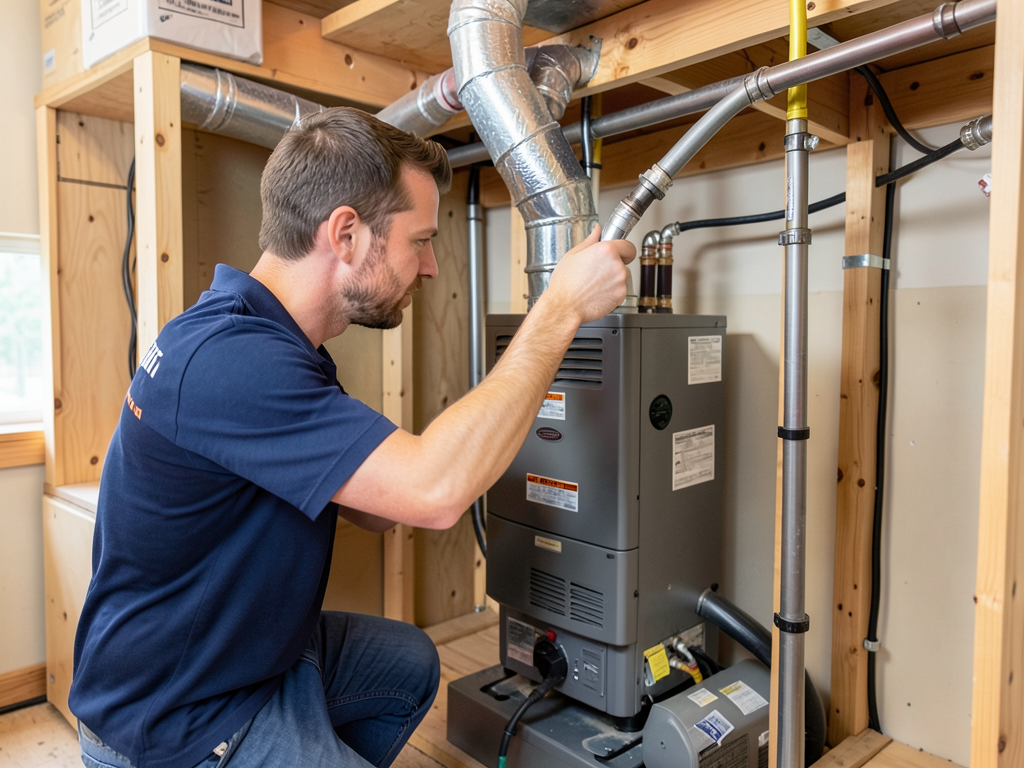
Diagram comparing standard residential ductwork to manufactured home ducting showing the dimensional differences and airflow requirements.
Sealed combustion furnaces are mandatory in manufactured housing. These units draw combustion air directly from outside through dedicated vents, eliminating the risk of backdrafting harmful gases into your living space. This design becomes critical during Buffalo’s sub-zero winter nights when negative pressure can pull dangerous fumes back through traditional flue systems. Emergency Furnace Repair in Amherst When Your Heat Goes Out at Night.
Understanding HUD Code Requirements for Mobile Home HVAC
According to HUD Code 24 CFR Part 3280.709, manufactured home furnaces must meet specific clearance requirements and be rated for the calculated heating load of the structure. The code mandates that all HVAC equipment be listed and labeled for manufactured home use, with clearances to combustible materials strictly enforced.
Buffalo’s climate zone 5A classification under the International Energy Conservation Code requires minimum efficiency ratings of 80% AFUE for gas furnaces and 14 SEER for air conditioning systems in manufactured housing. These requirements ensure your system can handle the extreme temperature variations while maintaining reasonable operating costs.
Popular HVAC Brands for Manufactured Homes in Buffalo
Several manufacturers specialize in mobile home-specific HVAC equipment. Miller furnaces offer compact designs with high-static blowers ideal for Cheektowaga’s manufactured housing communities. Their sealed combustion units range from 45,000 to 95,000 BTU and fit the standard closet dimensions found in most mobile homes.
Intertherm and Coleman provide similar product lines with integrated air conditioning coils designed to work with the narrow ductwork. These brands understand the unique challenges of Buffalo’s climate and build equipment with enhanced freeze protection and corrosion-resistant components.
Revolv offers complete packaged systems that combine heating and cooling in a single outdoor unit. This configuration eliminates the need for interior furnace space and works well for manufactured homes with limited utility room space. Their cold-climate heat pumps maintain efficiency down to -15°F, making them suitable for Western New York winters.
Comparing System Types for Manufactured Homes
| System Type | Best For | Buffalo Climate Performance | Space Requirements |
|---|---|---|---|
| Split System | Existing homes with utility space | Excellent with proper sizing | Interior furnace + outdoor condenser |
| Packaged Unit | New installations or space-limited homes | Very good, all-weather design | Single outdoor location |
| Heat Pump | Year-round efficiency focus | Good with cold-climate models | Similar to split system |
| Electric Furnace + AC | Areas without gas service | Adequate but higher operating costs | Interior furnace space |
Climate Considerations for Cheektowaga Manufactured Homes
Cheektowaga experiences some of the most extreme weather in Western New York. The area averages 92 inches of snow annually, with lake-effect storms capable of dropping 2-3 feet in 24 hours. Your HVAC system must be sized to handle these conditions while maintaining efficiency during milder periods.
Buffalo’s high humidity levels, often exceeding 80% in summer months, create additional challenges for manufactured home HVAC systems. The narrow ductwork in mobile homes can accumulate condensation if not properly insulated, leading to mold growth and reduced efficiency. Proper vapor barriers and insulation become critical in preventing these issues.
Temperature swings of 40-50 degrees in a single day are common in spring and fall. Your system needs adequate capacity to handle these rapid changes without short cycling, which reduces efficiency and increases wear on components.
Installation Considerations for Manufactured Home HVAC
Proper installation makes the difference between a system that lasts 15 years and one that fails in 5. The belly board beneath your manufactured home requires careful sealing to prevent air infiltration. Even small gaps can reduce efficiency by 15-20% as conditioned air escapes into the crawl space. Ductless AC Installation for Historical Homes in North Buffalo.
Ductwork in manufactured homes typically runs through the floor cavity and must be properly supported to prevent sagging. Every 4-6 feet of unsupported duct can cause airflow restrictions that reduce system efficiency by up to 30%. The use of proper hangers and support straps is essential.
Roof loading becomes a critical consideration when installing outdoor units. Cheektowaga’s heavy snow loads can exceed 40 pounds per square foot during severe storms. Your HVAC contractor must ensure the pad and mounting system can withstand these loads without shifting or damaging refrigerant lines.
Energy Efficiency and Cost Savings
Modern manufactured home HVAC systems can achieve significant energy savings compared to older equipment. A 20-year-old furnace operating at 65% efficiency costs substantially more to run than a new 95% efficient model. In Buffalo’s climate, this efficiency difference can save $300-500 annually on heating costs.
NYSERDA offers rebates for high-efficiency HVAC installations in manufactured housing. Current programs provide up to $500 for qualifying systems, with additional incentives available for integrated smart thermostats and zoning controls. These rebates can offset 10-15% of the total installation cost. NYSERDA Clean Heat Program.
Proper maintenance extends system life and maintains efficiency. Annual professional tune-ups typically cost $150-200 but can prevent costly breakdowns and maintain optimal performance. During these visits, technicians check refrigerant levels, clean coils, and inspect electrical connections for wear.
Common HVAC Issues in Manufactured Homes
Manufactured home owners in Cheektowaga frequently encounter specific HVAC problems. Undersized ductwork causes excessive static pressure, leading to noisy operation and reduced efficiency. This manifests as whistling sounds from vents and rooms that never quite reach the desired temperature.
Freeze-thaw cycles in Buffalo can cause belly board insulation to shift or compress, creating cold spots and reducing overall efficiency. The insulation must maintain its R-value to prevent heat loss through the floor, which can account for up to 35% of total heat loss in manufactured homes.
Condensate drain issues are common when systems lack proper slope or become clogged with debris. In Cheektowaga’s climate, algae growth in drain lines accelerates during humid summer months, potentially causing water damage if not addressed promptly.
Maintenance Requirements for Optimal Performance
Regular maintenance prevents most HVAC failures in manufactured homes. Monthly air filter changes are essential due to the confined duct spaces that can quickly accumulate dust and debris. High-quality pleated filters capture more particles but may restrict airflow if not changed regularly.
Seasonal preparation becomes critical before Buffalo’s harsh winters. This includes checking heat exchanger integrity, testing safety controls, and ensuring proper venting clearance. Snow and ice accumulation around outdoor units must be cleared to maintain proper airflow and prevent damage to coils and fans.
Summer maintenance focuses on cleaning condenser coils and checking refrigerant levels. Buffalo’s humid climate causes coils to collect debris more quickly than in drier regions, reducing efficiency by up to 20% if left uncleaned.
Choosing the Right Contractor in Cheektowaga
Not all HVAC contractors have experience with manufactured home systems. Look for technicians certified in mobile home HVAC installation and repair. They should understand HUD requirements, have experience with high-static pressure systems, and be familiar with local building codes specific to manufactured housing.
Ask potential contractors about their experience with specific manufactured home brands and their familiarity with Cheektowaga’s climate challenges. A qualified technician should discuss proper sizing calculations, energy efficiency options, and maintenance requirements specific to your home’s construction.
Request references from other manufactured home owners in the area. Contractors with established relationships with mobile home communities often have better pricing on specialized equipment and understand the unique installation challenges these homes present.
Cost Factors and Budgeting
Manufactured home HVAC system costs vary based on several factors. Basic replacement of existing equipment typically ranges from $3,500 to $6,000, while complete system upgrades with new ductwork can exceed $8,000. High-efficiency models with advanced features may cost 20-30% more but provide significant long-term savings.
Installation complexity affects pricing. Homes requiring belly board access, ductwork modifications, or electrical upgrades will incur additional labor costs. Contractors must often work in confined spaces beneath manufactured homes, increasing installation time and labor rates.
Financing options can make system replacement more manageable. Many manufacturers offer promotional financing, and local credit unions provide HVAC-specific loans with competitive rates. Some contractors partner with financing companies to offer monthly payment plans.
Future-Proofing Your Manufactured Home HVAC
Smart thermostat integration provides better temperature control and energy monitoring for manufactured homes. These devices learn your schedule and adjust heating and cooling automatically, potentially reducing energy consumption by 10-15%. Many models offer remote control via smartphone apps, allowing you to adjust settings when away from home.
Zoning systems become valuable for larger manufactured homes or those with varying sun exposure. By installing multiple thermostats and dampers, you can heat or cool only the occupied areas, reducing energy waste. This approach works particularly well in Buffalo’s climate where different rooms may have vastly different heating requirements.
Preparing for potential electric rate changes or renewable energy integration makes sense when selecting new equipment. Some modern HVAC systems offer dual-fuel capability, allowing you to switch between gas and electric heating based on cost or availability.
Frequently Asked Questions
How long should a manufactured home HVAC system last in Buffalo?
With proper maintenance, expect 15-20 years from a quality manufactured home HVAC system. Buffalo’s harsh winters and humid summers can reduce this to 12-15 years if maintenance is neglected or if the system is consistently undersized for the home’s heating load.
Can I install a standard residential HVAC system in my manufactured home?
No. Standard residential HVAC equipment is not designed for the confined duct spaces and specific venting requirements of manufactured homes. Using non-approved equipment violates HUD codes and can create safety hazards including carbon monoxide risks and fire dangers.
What size HVAC system do I need for my manufactured home?
System sizing depends on your home’s square footage, insulation quality, window efficiency, and local climate. In Cheektowaga, a typical 1,200 square foot manufactured home requires a 40,000-60,000 BTU furnace and a 2-3 ton air conditioning system. Professional load calculations ensure proper sizing.
How can I improve my manufactured home’s HVAC efficiency?
Beyond upgrading to high-efficiency equipment, focus on belly board insulation integrity, ductwork sealing, and proper air filter maintenance. Adding programmable thermostats, ensuring adequate attic insulation, and sealing air leaks around windows and doors can improve overall system efficiency by 15-25%.
Are there specific HVAC requirements for manufactured homes in Erie County?
Erie County follows New York State mechanical codes with additional requirements for manufactured housing. All installations must comply with HUD standards, and permits are required for system replacements. Local inspectors verify proper venting, clearances, and energy efficiency compliance during final inspections.
Making Your Decision
Selecting the best HVAC system for your manufactured home in Cheektowaga requires balancing initial costs, operating efficiency, and long-term reliability. Consider your home’s specific construction, your family’s comfort preferences, and your budget for both installation and ongoing operation.
The right system should provide reliable comfort through Buffalo’s extreme weather while keeping energy costs manageable. Work with contractors who understand manufactured home requirements and can explain the technical aspects of your options in clear terms. Finding the Most Reliable Furnace Repair Services in Buffalo.
Remember that proper installation and maintenance are as important as the equipment you choose. Even the best HVAC system will underperform if not installed correctly or maintained regularly.
Next Steps
Ready to upgrade your manufactured home’s HVAC system? Call (716) 317-7757 today to schedule a professional evaluation. Our technicians understand the unique requirements of manufactured housing in Cheektowaga and can recommend the optimal solution for your specific needs.
Don’t wait until your system fails during a Buffalo blizzard. Contact us now to discuss your options and take advantage of current energy efficiency rebates. Pick up the phone and call (716) 317-7757 before the next storm hits.
{
“@context”: “https://schema.org”,
“@type”: “BlogPosting”,
“headline”: “Selecting the Best HVAC System for a Manufactured Home in Cheektowaga”,
“description”: “Find expert guidance on choosing the right manufactured home HVAC system in Cheektowaga. Learn about HUD-code requirements, Buffalo’s climate challenges, and energy-efficient solutions.”,
“wordCount”: 2091,
“datePublished”: “2026-06-05T11:46:00.000Z”,
“dateModified”: “2026-06-05T11:46:00.000Z”,
“inLanguage”: “en-US”,
“mainEntityOfPage”: {
“@type”: “WebPage”,
“@id”: “https://unitedhvacbuffalo.com”
},
“publisher”: {
“@type”: “LocalBusiness”,
“name”: “United HVAC Buffalo”,
“url”: “https://unitedhvacbuffalo.com”
},
“author”: {
“@type”: “Organization”,
“name”: “United HVAC Buffalo”,
“url”: “https://unitedhvacbuffalo.com”
},
“image”: {
“@type”: “ImageObject”,
“url”: “https://unitedhvacbuffalo.com/wp-content/uploads/2026/03/selecting-the-best-hvac-system-for-a-manufactured-1.png”
}
}
{
“@context”: “https://schema.org”,
“@type”: “HVACBusiness”,
“name”: “United HVAC Buffalo”,
“url”: “https://unitedhvacbuffalo.com”,
“address”: {
“@type”: “PostalAddress”,
“addressLocality”: “Buffalo”
},
“areaServed”: {
“@type”: “City”,
“name”: “Buffalo”
}
}
{
“@context”: “https://schema.org”,
“@type”: “FAQPage”,
“mainEntity”: [
{
“@type”: “Question”,
“name”: “How long should a manufactured home HVAC system last in Buffalo?”,
“acceptedAnswer”: {
“@type”: “Answer”,
“text”: “With proper maintenance, expect 15-20 years from a quality manufactured home HVAC system. Buffalo’s harsh winters and humid summers can reduce this to 12-15 years if maintenance is neglected or if the system is consistently undersized for the home’s heating load.”
}
},
{
“@type”: “Question”,
“name”: “Can I install a standard residential HVAC system in my manufactured home?”,
“acceptedAnswer”: {
“@type”: “Answer”,
“text”: “No. Standard residential HVAC equipment is not designed for the confined duct spaces and specific venting requirements of manufactured homes. Using non-approved equipment violates HUD codes and can create safety hazards including carbon monoxide risks and fire dangers.”
}
},
{
“@type”: “Question”,
“name”: “What size HVAC system do I need for my manufactured home?”,
“acceptedAnswer”: {
“@type”: “Answer”,
“text”: “System sizing depends on your home’s square footage, insulation quality, window efficiency, and local climate. In Cheektowaga, a typical 1,200 square foot manufactured home requires a 40,000-60,000 BTU furnace and a 2-3 ton air conditioning system. Professional load calculations ensure proper sizing.”
}
},
{
“@type”: “Question”,
“name”: “Are there specific HVAC requirements for manufactured homes in Erie County?”,
“acceptedAnswer”: {
“@type”: “Answer”,
“text”: “Erie County follows New York State mechanical codes with additional requirements for manufactured housing. All installations must comply with HUD standards, and permits are required for system replacements. Local inspectors verify proper venting, clearances, and energy efficiency compliance during final inspections.”
}
}
]
}
{
“@context”: “https://schema.org”,
“@type”: “BreadcrumbList”,
“itemListElement”: [
{
“@type”: “ListItem”,
“position”: 1,
“name”: “Home”,
“item”: “https://unitedhvacbuffalo.com”
},
{
“@type”: “ListItem”,
“position”: 2,
“name”: “Blog”,
“item”: “https://unitedhvacbuffalo.com/blog”
},
{
“@type”: “ListItem”,
“position”: 3,
“name”: “Selecting the Best HVAC System for a Manufactured Home in Cheektowaga”
}
]
}
{
“@context”: “https://schema.org”,
“@type”: “Service”,
“serviceType”: “HVAC”,
“provider”: {
“@type”: “LocalBusiness”,
“name”: “United HVAC Buffalo”,
“url”: “https://unitedhvacbuffalo.com”
},
“areaServed”: {
“@type”: “City”,
“name”: “Buffalo”
},
“description”: “Find expert guidance on choosing the right manufactured home HVAC system in Cheektowaga. Learn about HUD-code requirements, Buffalo’s climate challenges, and energy-efficient solutions.”
}