
Why You Need a Chimney Liner When Upgrading to a High Efficiency Boiler in Kenmore
Upgrading your old boiler to a high-efficiency model in Kenmore sounds like a smart move for energy savings. But here’s the critical issue most homeowners discover too late: your existing chimney wasn’t designed for modern high-efficiency equipment. The acidic condensation from these new boilers will eat through your masonry faster than lake-effect snow melts in April. Without a properly sized stainless steel liner, you’re risking carbon monoxide leaks and expensive chimney damage that could cost thousands to repair.
The National Fire Protection Association (NFPA) 211 standard requires proper venting for all combustion appliances. In Kenmore’s historic homes built before 1980, most chimneys were designed for atmospheric boilers that produced hotter, drier exhaust. High-efficiency condensing boilers operate at lower temperatures and produce significantly more acidic moisture. That moisture needs to be contained in a corrosion-resistant liner, not your brick chimney. NFPA 211 chimney venting standards.
Western New York’s freeze-thaw cycles make this problem even worse. When moisture gets into your masonry and freezes, it expands and causes spalling. Add the acidic condensate from a high-efficiency boiler and you’ve got a perfect storm for chimney failure. The good news? A properly installed stainless steel liner protects your chimney and ensures safe venting for years to come.
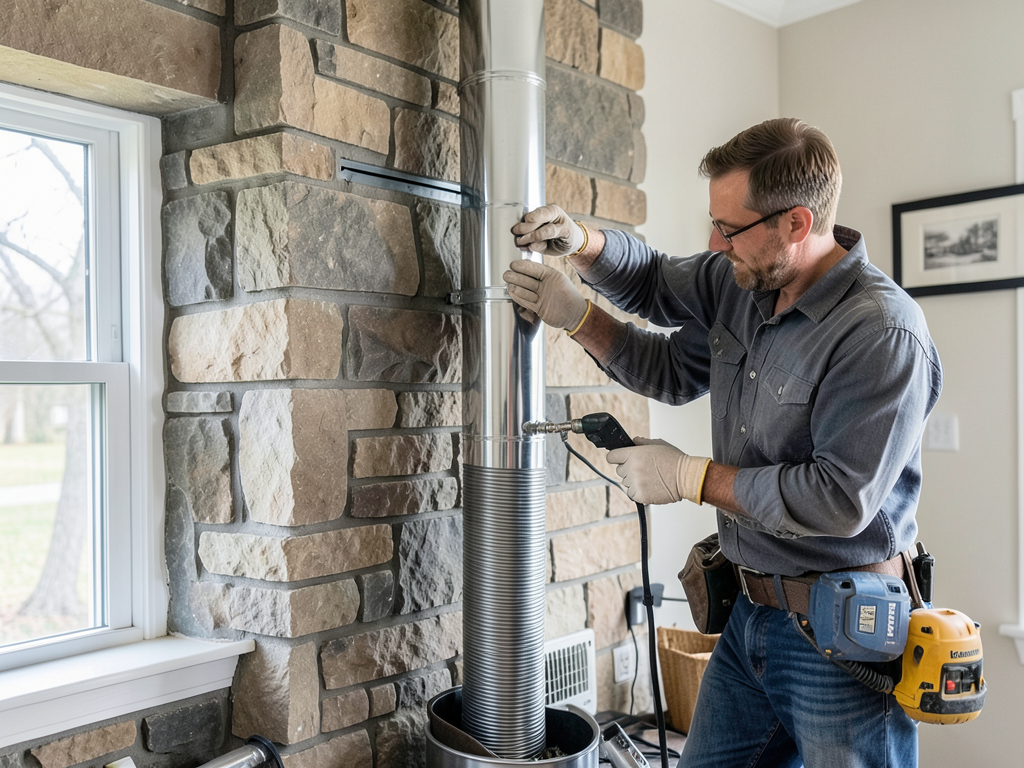
Kenmore’s Housing Stock Creates Unique Venting Challenges
Kenmore’s charming post-war Cape Cods and colonial homes were built during an era when coal and oil boilers dominated. These systems vented through large masonry chimneys designed for high-temperature exhaust. When natural gas became common, many homeowners simply switched fuels without considering the venting requirements. Now, with high-efficiency boilers becoming the standard, those old chimneys are completely mismatched.
The problem gets worse with what we call the “orphaned water heater” scenario. When you upgrade your boiler, the water heater often gets left venting through the same chimney. But high-efficiency boilers produce much cooler exhaust, which doesn’t create enough draft to properly vent the water heater. This can cause dangerous backdrafting where carbon monoxide enters your living space instead of going up the chimney.
Erie County building codes require that all new high-efficiency boiler installations meet specific venting requirements. The New York State Fuel Gas Code mandates proper sizing based on the appliance’s BTU input rating. A chimney that was adequate for a 150,000 BTU atmospheric boiler might be oversized for a 95,000 BTU high-efficiency model. This sizing mismatch is why professional assessment is critical before any upgrade. Ductless AC Installation for Historical Homes in North Buffalo.
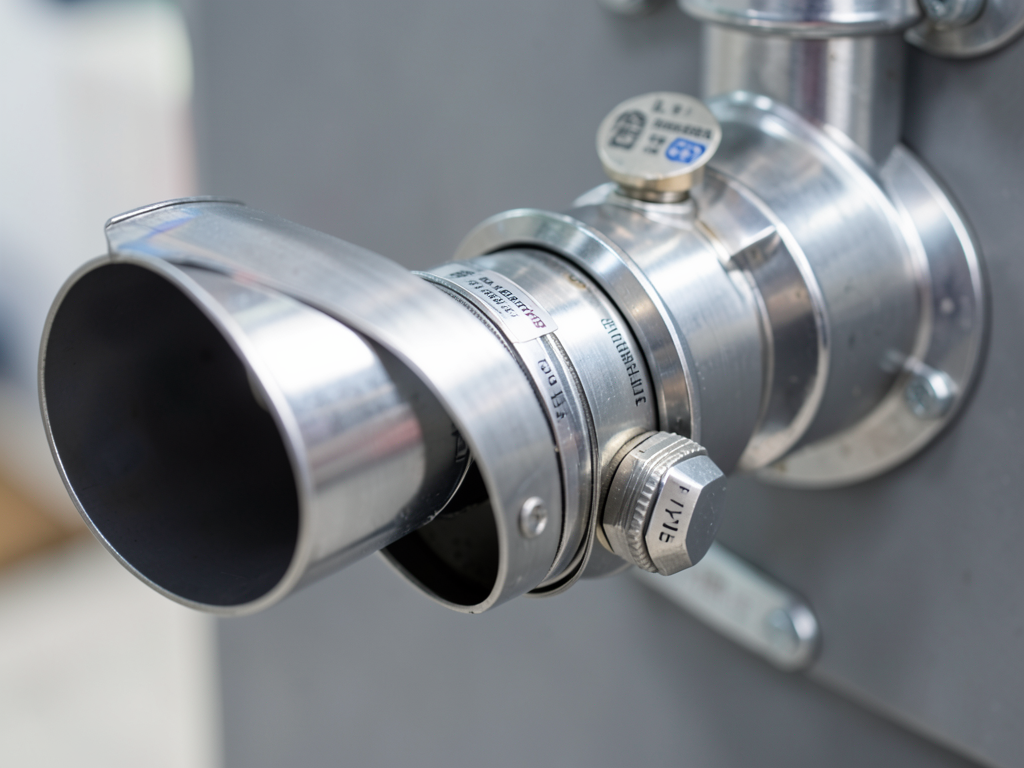
Warning Signs Your Chimney Needs Immediate Attention
Before you upgrade that boiler, look for these red flags that indicate your chimney already has problems. White powdery deposits on your chimney bricks, called efflorescence, show that moisture is already penetrating the masonry. If you notice this along with any musty odors near your chimney, you’ve got water damage that needs addressing.
During our inspections in Kenmore, we frequently find crumbling mortar joints and cracked flue tiles. These failures happen because the original clay liners weren’t designed to handle the acidic condensate from modern equipment. The freeze-thaw cycles we experience here in Western New York accelerate this deterioration significantly.
Another diagnostic test we perform involves checking the chimney’s draft with a draft gauge. A properly functioning chimney should maintain specific negative pressure readings. If your chimney fails this test, it means the venting system isn’t working correctly and could allow dangerous gases to back up into your home. This is especially critical in older Kenmore homes where the basement mechanical rooms are often poorly ventilated.
Types of Chimney Liners We Install in Kenmore Homes
Not all chimney liners are created equal. For high-efficiency boilers, we exclusively install UL 1777 listed stainless steel liners because they handle acidic condensate better than any other material. The two main grades we use are 316 and 304 stainless steel. Grade 316 contains molybdenum, which provides superior resistance to chloride corrosion common in Western New York’s environment.
Flexible stainless steel liners work best for chimneys with offsets or bends, which are common in Kenmore’s older homes where chimneys often jog around floor joists. Rigid liners are more economical for straight chimneys and provide excellent durability. Both types come with lifetime warranties when properly installed by certified technicians.
The insulation wrap around the liner is just as important as the liner itself. It maintains proper exhaust temperatures to prevent condensation while also protecting against heat transfer to nearby combustible materials. In Kenmore’s tightly built homes, this insulation can be the difference between a safe installation and a potential fire hazard.
- Initial Inspection and Assessment
We examine your existing chimney structure, measure flue dimensions, and test for proper drafting. This diagnostic step identifies any structural issues that need repair before liner installation.
- BTU-Based Sizing Calculation
Using your boiler’s input rating, we determine the exact liner diameter needed to maintain proper draft and prevent condensation issues. Undersized liners cause drafting problems; oversized liners can’t maintain adequate exhaust temperatures.
- Chimney Cleaning and Preparation
We remove all soot, creosote, and debris from the existing flue. Any damaged mortar joints or cracked tiles must be repaired to provide a smooth surface for the new liner.
- Liner Installation and Connection
The stainless steel liner is carefully lowered or pulled through the chimney. We connect it to your boiler’s exhaust using approved fittings and ensure all joints are properly sealed.
- Termination and Weatherproofing
We install a UL-listed rain cap and secure the top plate with appropriate flashing. This prevents water infiltration while allowing proper exhaust flow and protecting against downdrafts.
Buffalo Building Codes and Safety Compliance
Western New York’s building codes are strict about chimney venting because of the serious safety risks involved. The Erie County Department of Permits and Inspections requires permits for all chimney liner installations. This ensures the work meets both the New York State Mechanical Code and local amendments specific to our climate.
One critical requirement is the proper termination height above the roof. In areas with heavy lake-effect snow like Kenmore, the chimney must extend at least 3 feet above the highest point where it passes through the roof and 2 feet higher than any structure within 10 feet. This prevents snow buildup from blocking the flue and causing dangerous backdrafting.
Carbon monoxide safety is non-negotiable. New York State law requires carbon monoxide detectors on every floor of homes with fuel-burning appliances. When we install a new chimney liner, we verify that your CO detectors are properly placed and functioning. We’ve seen too many cases where older homes had detectors but they were installed in the wrong locations or had dead batteries.
Cost Factors for Chimney Liner Installation in Kenmore
The cost of chimney liner installation varies based on several factors specific to Kenmore homes. Linear footage is the biggest determinant – a straight 20-foot chimney costs significantly less than one with multiple bends or offsets. The grade of stainless steel also affects price, with 316 being more expensive than 304 but worth it for our climate.
Additional costs can include chimney crown repair if it’s cracked or deteriorated. Many Kenmore homes built in the 1950s and 1960s have chimneys with failing crowns that need replacement before a new liner can be installed. We also factor in whether the chimney needs cleaning, which can add $200-400 to the project if there’s significant creosote buildup.
The good news is that many homeowners can finance their chimney liner installation through the same programs available for boiler upgrades. NYSERDA offers rebates for high-efficiency heating equipment, and some of these programs include allowances for necessary venting improvements. We handle all the paperwork to ensure you get every available incentive. NYSERDA Clean Heat Program.
Frequently Asked Questions
Can I vent my high-efficiency boiler through my existing chimney without a liner?
No, this is extremely dangerous and violates building codes. High-efficiency boilers produce acidic condensate that will destroy your masonry and create carbon monoxide hazards. A properly sized stainless steel liner is mandatory for safe operation.
How long does chimney liner installation take in a Kenmore home?
Most installations in Kenmore homes take 4-6 hours for a straightforward job. Complex chimneys with multiple bends or those requiring structural repairs can take 1-2 days. We always complete a thorough inspection first to provide accurate timing estimates.
Will a new liner improve my boiler’s efficiency?
Yes, absolutely. A properly sized liner maintains optimal exhaust temperatures and draft, which allows your high-efficiency boiler to operate at peak performance. Poor venting can reduce efficiency by 10-15% and cause premature equipment failure.
What happens if I skip the liner and just replace the boiler?
You’re risking carbon monoxide poisoning, chimney fires, and expensive structural damage. The acidic condensate will eat through your masonry within months. Many insurance companies won’t cover damage from unlined chimneys with high-efficiency equipment, leaving you financially responsible for the consequences.
Why Professional Installation Matters in Kenmore
Chimney liner installation isn’t a weekend DIY project. It requires understanding combustion theory, building codes, and the specific challenges of Western New York’s climate. Our technicians are trained in NFPA standards and understand how lake-effect moisture affects chimney performance differently than in other regions.
We use specialized tools like draft gauges, combustion analyzers, and thermal imaging cameras to verify every installation. These diagnostic tools help us identify problems that aren’t visible to the naked eye, such as hidden cracks in flue tiles or inadequate draft caused by chimney height issues.
Every installation we perform includes a complete safety check of your entire heating system. We verify that your carbon monoxide detectors are working, check for gas leaks, and ensure all connections meet code requirements. This comprehensive approach is why we’ve maintained our reputation as Kenmore’s trusted HVAC contractor for over 15 years.
Don’t wait until your old chimney fails during the next polar vortex. The cost of preventative maintenance is always less than emergency repairs in the middle of winter. Call (716) 317-7757 today to schedule your chimney inspection before you upgrade that boiler. Our team will provide a detailed assessment and explain exactly what your Kenmore home needs to stay safe and warm. Emergency Furnace Repair in Amherst When Your Heat Goes Out at Night.
Pick up the phone and call (716) 317-7757 before the next storm hits. We’re standing by to protect your family from the hidden dangers of improper boiler venting. Your safety isn’t something to gamble with, and neither is your home’s structural integrity.
{
“@context”: “https://schema.org”,
“@type”: “BlogPosting”,
“headline”: “Why You Need a Chimney Liner When Upgrading to a High Efficiency Boiler in Kenmore”,
“description”: “Learn why high-efficiency boiler upgrades in Kenmore require chimney liners to prevent carbon monoxide risks and comply with NYS building codes.”,
“wordCount”: 1743,
“datePublished”: “2026-06-06T07:58:00.000Z”,
“dateModified”: “2026-06-06T07:58:00.000Z”,
“inLanguage”: “en-US”,
“mainEntityOfPage”: {
“@type”: “WebPage”,
“@id”: “https://unitedhvacbuffalo.com”
},
“publisher”: {
“@type”: “LocalBusiness”,
“name”: “United HVAC Buffalo”,
“url”: “https://unitedhvacbuffalo.com”
},
“author”: {
“@type”: “Organization”,
“name”: “United HVAC Buffalo”,
“url”: “https://unitedhvacbuffalo.com”
},
“image”: {
“@type”: “ImageObject”,
“url”: “https://unitedhvacbuffalo.com/wp-content/uploads/2026/03/why-you-need-a-chimney-liner-when-upgrading-to-a-h-1.png”
}
}
{
“@context”: “https://schema.org”,
“@type”: “HVACBusiness”,
“name”: “United HVAC Buffalo”,
“url”: “https://unitedhvacbuffalo.com”,
“address”: {
“@type”: “PostalAddress”,
“addressLocality”: “Buffalo”
},
“areaServed”: {
“@type”: “City”,
“name”: “Buffalo”
}
}
{
“@context”: “https://schema.org”,
“@type”: “FAQPage”,
“mainEntity”: [
{
“@type”: “Question”,
“name”: “Can I vent my high-efficiency boiler through my existing chimney without a liner?”,
“acceptedAnswer”: {
“@type”: “Answer”,
“text”: “No, this is extremely dangerous and violates building codes. High-efficiency boilers produce acidic condensate that will destroy your masonry and create carbon monoxide hazards. A properly sized stainless steel liner is mandatory for safe operation.”
}
},
{
“@type”: “Question”,
“name”: “How long does chimney liner installation take in a Kenmore home?”,
“acceptedAnswer”: {
“@type”: “Answer”,
“text”: “Most installations in Kenmore homes take 4-6 hours for a straightforward job. Complex chimneys with multiple bends or those requiring structural repairs can take 1-2 days. We always complete a thorough inspection first to provide accurate timing estimates.”
}
},
{
“@type”: “Question”,
“name”: “Will a new liner improve my boiler’s efficiency?”,
“acceptedAnswer”: {
“@type”: “Answer”,
“text”: “Yes, absolutely. A properly sized liner maintains optimal exhaust temperatures and draft, which allows your high-efficiency boiler to operate at peak performance. Poor venting can reduce efficiency by 10-15% and cause premature equipment failure.”
}
},
{
“@type”: “Question”,
“name”: “What happens if I skip the liner and just replace the boiler?”,
“acceptedAnswer”: {
“@type”: “Answer”,
“text”: “You’re risking carbon monoxide poisoning, chimney fires, and expensive structural damage. The acidic condensate will eat through your masonry within months. Many insurance companies won’t cover damage from unlined chimneys with high-efficiency equipment, leaving you financially responsible for the consequences.”
}
}
]
}
{
“@context”: “https://schema.org”,
“@type”: “HowTo”,
“name”: “Chimney Liner Installation Process”,
“step”: [
{
“@type”: “HowToStep”,
“position”: 1,
“name”: “Initial Inspection and Assessment”,
“text”: “We examine your existing chimney structure, measure flue dimensions, and test for proper drafting. This diagnostic step identifies any structural issues that need repair before liner installation.”
},
{
“@type”: “HowToStep”,
“position”: 2,
“name”: “BTU-Based Sizing Calculation”,
“text”: “Using your boiler’s input rating, we determine the exact liner diameter needed to maintain proper draft and prevent condensation issues. Undersized liners cause drafting problems; oversized liners can’t maintain adequate exhaust temperatures.”
},
{
“@type”: “HowToStep”,
“position”: 3,
“name”: “Chimney Cleaning and Preparation”,
“text”: “We remove all soot, creosote, and debris from the existing flue. Any damaged mortar joints or cracked tiles must be repaired to provide a smooth surface for the new liner.”
},
{
“@type”: “HowToStep”,
“position”: 4,
“name”: “Liner Installation and Connection”,
“text”: “The stainless steel liner is carefully lowered or pulled through the chimney. We connect it to your boiler’s exhaust using approved fittings and ensure all joints are properly sealed.”
},
{
“@type”: “HowToStep”,
“position”: 5,
“name”: “Termination and Weatherproofing”,
“text”: “We install a UL-listed rain cap and secure the top plate with appropriate flashing. This prevents water infiltration while allowing proper exhaust flow and protecting against downdrafts.”
}
],
“image”: “https://unitedhvacbuffalo.com/wp-content/uploads/2026/03/why-you-need-a-chimney-liner-when-upgrading-to-a-h-1.png”
}
{
“@context”: “https://schema.org”,
“@type”: “BreadcrumbList”,
“itemListElement”: [
{
“@type”: “ListItem”,
“position”: 1,
“name”: “Home”,
“item”: “https://unitedhvacbuffalo.com”
},
{
“@type”: “ListItem”,
“position”: 2,
“name”: “Blog”,
“item”: “https://unitedhvacbuffalo.com/blog”
},
{
“@type”: “ListItem”,
“position”: 3,
“name”: “Why You Need a Chimney Liner When Upgrading to a High Efficiency Boiler in Kenmore”
}
]
}
{
“@context”: “https://schema.org”,
“@type”: “Service”,
“serviceType”: “HVAC”,
“provider”: {
“@type”: “LocalBusiness”,
“name”: “United HVAC Buffalo”,
“url”: “https://unitedhvacbuffalo.com”
},
“areaServed”: {
“@type”: “City”,
“name”: “Buffalo”
},
“description”: “Learn why high-efficiency boiler upgrades in Kenmore require chimney liners to prevent carbon monoxide risks and comply with NYS building codes.”
}