
Benefits of Installing a Dual Fuel Hybrid Heating System in East Aurora
Dual fuel hybrid heating systems represent the perfect marriage of efficiency and reliability for East Aurora homeowners facing Western New York’s brutal winters and humid summers. These systems automatically switch between an electric heat pump and a natural gas furnace based on outdoor temperatures, delivering optimal comfort while maximizing energy savings throughout the year. ENERGY STAR heat pump specifications.
The technology works by using the heat pump for milder conditions when it operates most efficiently, then seamlessly transitioning to the gas furnace during extreme cold when heat pumps lose efficiency. This intelligent switching typically occurs around 30-35°F, though the exact point varies based on your system’s configuration and current utility rates. Emergency Furnace Repair in Amherst When Your Heat Goes Out at Night.
East Aurora residents experience some of the most dramatic temperature swings in the region, with lake-effect snow events dropping temperatures below zero while summer humidity pushes heat indices above 90°F. A dual fuel system handles both extremes without the compromise of choosing between all-electric or all-gas solutions. Choosing the Right HVAC Contractor for Your West Seneca Home Renovation.
Modern heat pumps use variable-speed compressors and advanced defrost controls that maintain efficiency even in sub-freezing conditions. When temperatures plummet during a typical January lake-effect storm, the system automatically engages your gas furnace backup, ensuring your family stays warm without the high operating costs of electric resistance heating.
The financial benefits extend beyond energy savings. New York State offers substantial incentives through the NYSERDA Clean Heat Program, with rebates up to $10,000 for qualifying installations. These programs specifically target East Aurora and surrounding communities to reduce carbon emissions while helping homeowners manage installation costs. NYSERDA Clean Heat Program.
Installation considerations for East Aurora homes include proper sizing for both heating and cooling loads, adequate outdoor unit clearance for snow removal, and integration with existing ductwork or ductless options for older homes. Many properties in the area feature the classic 1920s architecture that requires careful planning to maintain aesthetic appeal while upgrading mechanical systems. Ductless AC Installation for Historical Homes in North Buffalo.
What is a Hybrid Dual Fuel System and How Does it Work?
A hybrid dual fuel system combines two heating technologies into one intelligent solution. The outdoor unit contains a heat pump that extracts heat from outside air even in cold conditions, while the indoor unit houses a high-efficiency gas furnace that provides reliable heating when temperatures drop below the system’s optimal operating range. Finding the Most Reliable Furnace Repair Services in Buffalo.
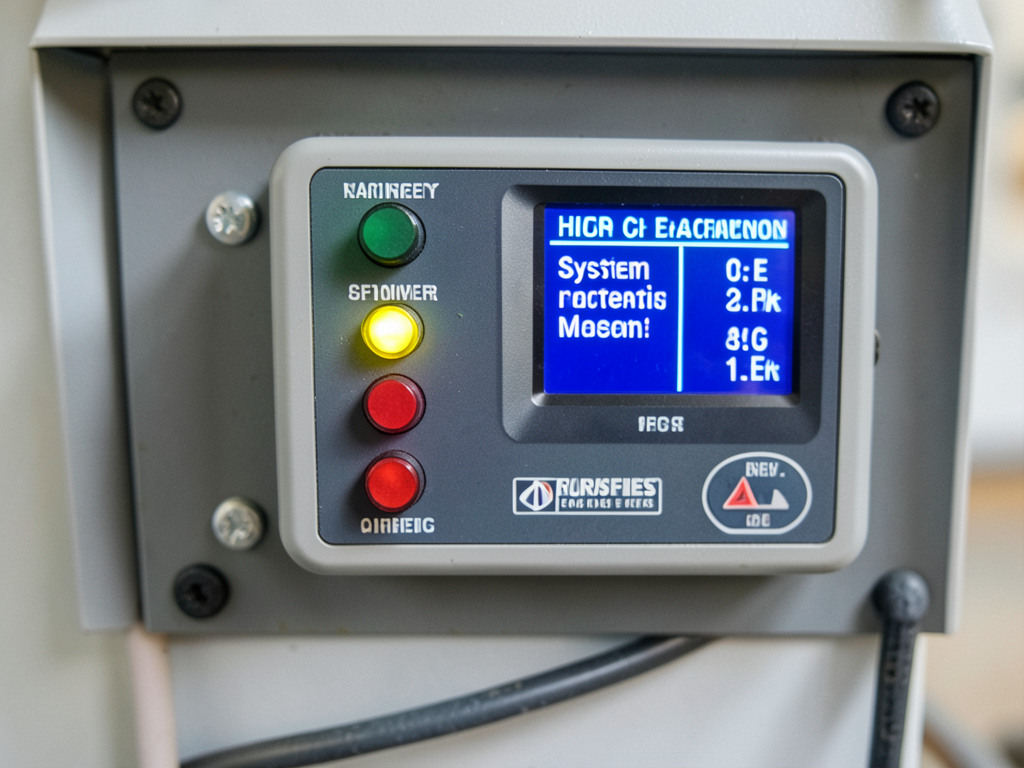
The system uses a sophisticated control board that monitors outdoor temperature, indoor comfort levels, and utility rates to determine the most cost-effective heating method. During fall and spring months, the heat pump handles most heating needs at efficiency levels that can exceed 300% compared to traditional electric resistance heating.
When winter arrives with full force, the control system calculates whether running the heat pump or switching to gas furnace operation will be more economical. This decision considers factors like current gas and electric rates, outdoor temperature, and the system’s coefficient of performance at that specific temperature.
The cooling cycle works similarly, with the heat pump providing air conditioning during summer months. Modern units achieve SEER2 ratings of 18 or higher, significantly reducing cooling costs compared to older central air systems common in East Aurora homes.
Installation requires professional load calculations to properly size both components. An undersized system struggles during extreme weather, while oversized equipment cycles on and off frequently, reducing efficiency and comfort. The control system must be programmed with the correct balance point temperature specific to your home’s characteristics and local climate patterns.
Regular maintenance includes cleaning outdoor coils, checking refrigerant levels, inspecting gas connections, and testing the control system’s switching functionality. East Aurora’s heavy snowfall requires special attention to outdoor unit clearance and protection from ice dam formation on nearby roof edges.
Why Buffalo Weather Makes Dual Fuel the Ideal Choice
Buffalo’s climate presents unique challenges that make dual fuel systems particularly advantageous. The region experiences rapid temperature swings where a 40-degree day can turn into a sub-zero night within hours, especially during lake-effect snow events that frequently impact East Aurora and surrounding communities. HVAC Buffalo.
Traditional all-electric heat pumps struggle when temperatures drop below 25°F, requiring expensive backup electric resistance heating that can triple energy costs. Gas furnaces alone provide reliable heat but operate at lower efficiency during milder conditions when heat pumps excel. The dual fuel approach eliminates both problems by using each technology where it performs best.
Lake-effect snow patterns create additional considerations. East Aurora sits in a prime location for these intense snow bands that can dump several feet of snow in hours. The outdoor heat pump unit must be elevated and positioned to prevent snow accumulation that blocks airflow and reduces efficiency.
Humidity levels in Buffalo present another factor. Summer months bring high moisture content that challenges air conditioning systems. Modern heat pumps with two-stage compressors handle humidity better than single-stage units, maintaining comfortable indoor conditions while managing energy consumption.
Wind patterns affect system performance significantly. Buffalo’s prevailing westerly winds, intensified by Lake Erie, can create wind chill effects that make actual temperatures feel much colder. The dual fuel system accounts for these conditions by switching to gas heat earlier when wind speeds are high, ensuring consistent comfort.
Spring and fall shoulder seasons in East Aurora often feature temperature fluctuations of 30-40 degrees within a single day. The system’s ability to switch between heating and cooling modes multiple times provides unmatched comfort during these unpredictable weather periods.
The Benefits of Hybrid Heating: Energy Efficiency Meets Reliability
Energy efficiency represents the primary advantage of dual fuel systems. Heat pumps can deliver 3-4 units of heat for every unit of electricity consumed when operating in optimal temperature ranges. This coefficient of performance (COP) far exceeds the theoretical maximum of 1.0 for electric resistance heating.
During milder winter conditions common in November and March, heat pumps operate at peak efficiency while gas furnaces would be cycling on and off frequently, wasting energy during startup and cooldown periods. The system maximizes the use of the most efficient technology available for current conditions.
Reliability comes from having two independent heating sources. If one system experiences problems, the other continues providing heat. This redundancy proves invaluable during severe weather when repair services might be delayed due to road conditions or high demand.
Environmental benefits align with New York State’s clean energy goals. Heat pumps use electricity that increasingly comes from renewable sources, while modern gas furnaces achieve efficiency ratings above 95%. The system automatically selects the lower-emission option based on current grid conditions and outdoor temperatures.
Comfort levels improve significantly compared to single-source systems. Heat pumps provide gentle, consistent heating without the temperature swings common with single-stage gas furnaces. The system maintains precise temperature control within one or two degrees of the setpoint.
Noise reduction represents another benefit. Modern heat pumps operate more quietly than older units, and the system can use the quieter heat pump operation during nighttime hours when outdoor temperatures permit, reducing disturbance to household members and neighbors.
Long-term durability improves because neither component operates continuously. The system shares the heating load between technologies, potentially extending the service life of both the heat pump and gas furnace compared to single-source systems that run year-round.
Cost Analysis: Savings, Rebates, and NYSERDA Incentives
Initial installation costs for dual fuel systems typically range from $8,000 to $15,000 depending on home size and equipment selection. While this exceeds the cost of a single-source system, available incentives and long-term energy savings often offset the premium within 3-5 years.
NYSERDA’s Clean Heat Program offers rebates up to $10,000 for qualifying heat pump installations in existing homes. These rebates specifically target East Aurora and other Western New York communities to accelerate the transition to cleaner heating technologies. The program requires installation by certified contractors and use of ENERGY STAR certified equipment.
Federal tax credits under the Inflation Reduction Act provide additional savings. Homeowners can claim 30% of installation costs up to $2,000 for qualifying heat pump systems. These credits apply to both the equipment and installation labor, significantly reducing out-of-pocket expenses.
National Fuel Gas Company offers rebates for high-efficiency gas furnace installations, with amounts varying based on efficiency ratings. Combining these gas rebates with heat pump incentives maximizes total savings when installing a complete dual fuel system.
Energy savings calculations for East Aurora homes show typical reductions of 30-50% compared to electric resistance heating and 20-30% compared to standard gas furnaces. These savings vary based on home insulation levels, local utility rates, and individual comfort preferences.
Monthly utility costs depend on the balance between gas and electric usage. During milder months, electricity costs decrease while gas usage remains minimal. Winter months see increased gas consumption, but the overall annual cost typically remains below traditional heating methods.
Maintenance costs average slightly higher than single-source systems due to having two separate heating technologies. However, the improved reliability and extended equipment life often offset these additional expenses over the system’s lifespan.
Financing options through NYSERDA-approved lenders provide low-interest loans specifically for energy-efficient home improvements. These programs often feature terms of 5-10 years with competitive rates that make monthly payments manageable while capturing immediate energy savings.
Choosing the Right Dual Fuel System for Your Buffalo Home
Selecting appropriate equipment requires professional load calculations that consider your home’s specific characteristics. Factors include square footage, insulation levels, window efficiency, ceiling heights, and local climate data for East Aurora’s specific microclimate within the Buffalo metropolitan area.
Heat pump sizing must account for both heating and cooling loads. Many homeowners focus solely on heating capacity, but proper cooling performance proves equally important during Buffalo’s humid summers. The system should maintain comfortable temperatures when outdoor conditions reach 95°F with 70% relative humidity.
Gas furnace selection involves choosing between modulating, two-stage, and single-stage units. Modulating furnaces provide the best comfort by adjusting heat output in small increments, but they carry higher upfront costs. Two-stage units offer a good balance of performance and value for most East Aurora homes.
Control system sophistication varies significantly between manufacturers. Basic systems use outdoor temperature sensors to determine switching points, while advanced controls incorporate utility rate information, indoor temperature trends, and even weather forecasts to optimize operation.
Ductwork compatibility affects system selection. Homes with existing ductwork suitable for the new equipment simplify installation. Older East Aurora homes may require duct modifications or consideration of ductless mini-split options for specific areas like additions or converted spaces.
Brand selection involves balancing reliability, efficiency ratings, warranty coverage, and local service availability. Major manufacturers like Carrier, Trane, and Lennox offer comprehensive product lines with varying efficiency levels to match different budgets and performance requirements.
Installation quality proves critical for system performance. Proper refrigerant charge, airflow balancing, and control programming determine whether the system achieves rated efficiency and comfort levels. Choose contractors with specific experience in dual fuel installations and NATE certification.
Future-proofing considerations include selecting equipment compatible with potential home additions or energy upgrades. Some homeowners plan for eventual solar panel installation, making electrical capacity and control system compatibility important selection factors.
Professional Maintenance and Service in Western New York
Professional maintenance ensures optimal performance and longevity for dual fuel systems operating in Buffalo’s challenging climate. Annual service visits should include comprehensive inspections of both heating components, refrigerant system checks, and control system verification.
Fall maintenance focuses on preparing the gas furnace for winter operation. Technicians clean burners, inspect heat exchangers for cracks using specialized cameras, test gas pressure and combustion efficiency, and verify proper ignition system operation. These checks prevent dangerous carbon monoxide leaks and ensure reliable heating when temperatures plummet.
Spring maintenance prepares the heat pump for summer cooling. Service includes cleaning outdoor coils, checking refrigerant charge with precise electronic scales, testing capacitor performance, and verifying defrost cycle operation. Proper refrigerant levels prove critical for heat pump efficiency and compressor longevity.
Winter snow removal around outdoor units requires regular attention. East Aurora’s heavy lake-effect snowfall can bury heat pump units within hours during major storms. Installing elevated pads and maintaining clear access prevents airflow restrictions that reduce efficiency and can cause system shutdowns.
Control system diagnostics identify potential problems before they cause failures. Modern systems store error codes and operating data that technicians can analyze to detect developing issues like declining efficiency, abnormal cycling patterns, or sensor malfunctions.
Emergency repair services prove essential during extreme weather events. When temperatures drop below zero, system failures can create dangerous conditions within hours. Choose contractors offering 24/7 emergency service with fully stocked service vehicles capable of handling most repairs on the first visit.
Performance monitoring helps optimize system operation. Some advanced systems provide smartphone apps that track energy usage, system performance, and maintenance reminders. These tools help homeowners understand their system’s operation and identify opportunities for improved efficiency.
Professional installation includes proper startup procedures that verify all system parameters meet manufacturer specifications. This process includes airflow balancing, refrigerant charge verification using superheat and subcooling measurements, and control system programming specific to your home’s characteristics.
Local building codes in Erie County require permits for HVAC system replacements. Professional contractors handle permit applications and ensure installations comply with all applicable codes, including proper venting, electrical connections, and mechanical room clearances.
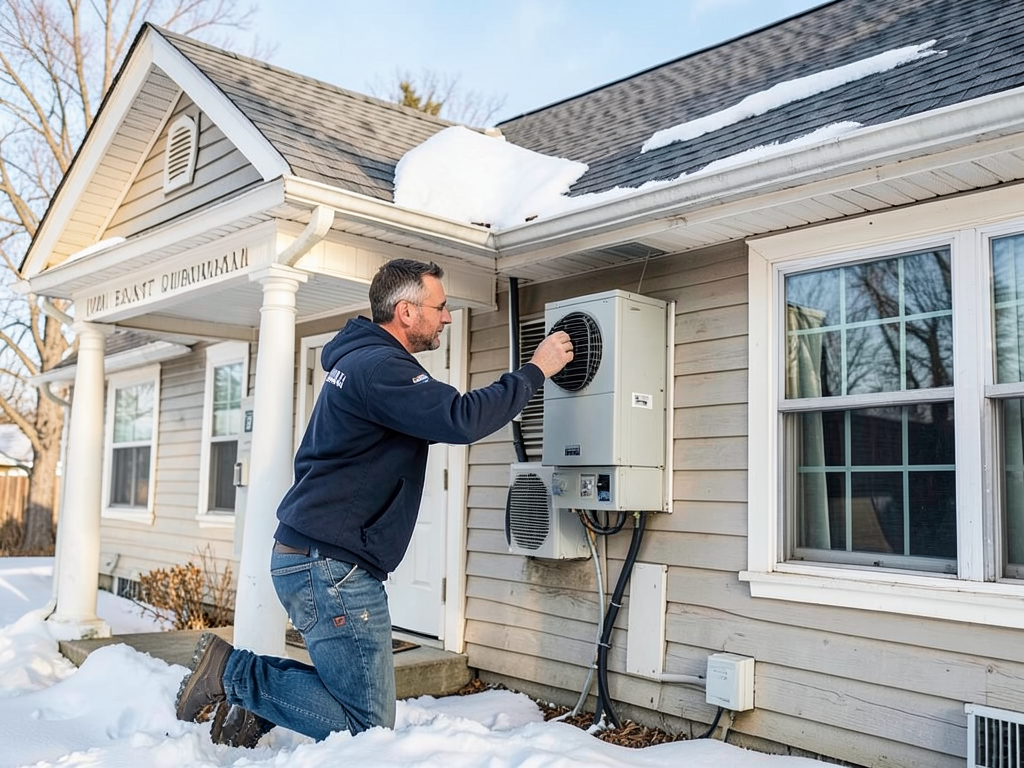
Diagram showing the internal components of a dual fuel system with the heat pump compressor, reversing valve, and gas furnace heat exchanger clearly labeled.
Technician performing a combustion analysis on a high-efficiency gas furnace using digital combustion analyzer equipment during routine maintenance.
Outdoor heat pump unit elevated on a snow-resistant pad with proper clearance from roof edges to prevent ice dam interference.
Frequently Asked Questions
How much can I save with a dual fuel system compared to my current heating?
Typical savings range from 30-50% compared to electric resistance heating and 20-30% compared to standard gas furnaces. Actual savings depend on your home’s insulation, local utility rates, and how well the system is sized and installed for your specific conditions.
What is the balance point temperature for a dual fuel system?
The balance point typically ranges from 30-35°F for most systems, though it can vary based on your home’s heat loss characteristics and current utility rates. The control system automatically switches between heat pump and gas furnace operation at this predetermined temperature.
Are there rebates available for dual fuel systems in East Aurora?
Yes, NYSERDA offers rebates up to $10,000 for qualifying heat pump installations, and federal tax credits provide 30% of installation costs up to $2,000. National Fuel also offers gas furnace rebates. These incentives can significantly reduce your upfront investment.
How long does installation take and will I be without heat?
Most installations complete within 1-2 days. Professional contractors can maintain heat during the transition by carefully scheduling the removal of old equipment and installation of new components, ensuring you never go without heating even during the coldest weather.
Can a dual fuel system work with my existing ductwork?
Most homes with existing ductwork can accommodate dual fuel systems with minimal modifications. However, older ductwork may require sealing or insulation upgrades to achieve optimal efficiency with the new high-performance equipment.
What maintenance is required for dual fuel systems?
Annual professional maintenance for each heating season is recommended, plus regular filter changes every 1-3 months. The heat pump requires spring maintenance for cooling season, while the gas furnace needs fall maintenance for heating season.
How do I know if my home is a good candidate for dual fuel?
Most homes benefit from dual fuel systems, especially in Buffalo’s climate. Homes with high electric rates, existing ductwork, and adequate outdoor space for the heat pump unit are ideal candidates. A professional load calculation will determine the best solution for your specific situation.
What happens during a power outage?
Both the heat pump and gas furnace require electricity to operate. During power outages, neither heating component functions. Consider backup power options like generators if maintaining heat during outages is a priority for your household.
Call (716) 317-7757 today to schedule your inspection. Our NATE-certified technicians understand East Aurora’s unique heating challenges and can recommend the perfect dual fuel solution for your home. Don’t wait until the next lake-effect storm to upgrade your comfort and efficiency.
Pick up the phone and call (716) 317-7757 before the next storm hits. We’ll provide a comprehensive evaluation of your current system and show you exactly how much you could save with a modern dual fuel installation. Serving East Aurora and all of Western New York with emergency service available 24/7.
{
“@context”: “https://schema.org”,
“@type”: “BlogPosting”,
“headline”: “Benefits of Installing a Dual Fuel Hybrid Heating System in East Aurora”,
“description”: “Discover how dual fuel hybrid heating systems combine gas furnaces and electric heat pumps to maximize efficiency and comfort in East Aurora’s extreme climate. Learn about NYSERDA rebates and local installation benefits.”,
“wordCount”: 2766,
“datePublished”: “2026-03-23T12:04:00.000Z”,
“dateModified”: “2026-03-23T12:04:00.000Z”,
“inLanguage”: “en-US”,
“mainEntityOfPage”: {
“@type”: “WebPage”,
“@id”: “https://unitedhvacbuffalo.com”
},
“publisher”: {
“@type”: “LocalBusiness”,
“name”: “United HVAC Buffalo”,
“url”: “https://unitedhvacbuffalo.com”
},
“author”: {
“@type”: “Organization”,
“name”: “United HVAC Buffalo”,
“url”: “https://unitedhvacbuffalo.com”
},
“image”: {
“@type”: “ImageObject”,
“url”: “https://unitedhvacbuffalo.com/wp-content/uploads/2026/03/benefits-of-installing-a-dual-fuel-hybrid-heating-1.png”
}
}
{
“@context”: “https://schema.org”,
“@type”: “HVACBusiness”,
“name”: “United HVAC Buffalo”,
“url”: “https://unitedhvacbuffalo.com”,
“address”: {
“@type”: “PostalAddress”,
“addressLocality”: “Buffalo”
},
“areaServed”: {
“@type”: “City”,
“name”: “Buffalo”
}
}
{
“@context”: “https://schema.org”,
“@type”: “FAQPage”,
“mainEntity”: [
{
“@type”: “Question”,
“name”: “What is a Hybrid Dual Fuel System and How Does it Work?”,
“acceptedAnswer”: {
“@type”: “Answer”,
“text”: “A hybrid dual fuel system combines two heating technologies into one intelligent solution. The outdoor unit contains a heat pump that extracts heat from outside air even in cold conditions, while the indoor unit houses a high-efficiency gas furnace that provides reliable heating when temperatures drop below the system’s optimal operating range. Finding the Most Reliable Furnace Repair Services in Buffalo.”
}
},
{
“@type”: “Question”,
“name”: “How much can I save with a dual fuel system compared to my current heating?”,
“acceptedAnswer”: {
“@type”: “Answer”,
“text”: “Typical savings range from 30-50% compared to electric resistance heating and 20-30% compared to standard gas furnaces. Actual savings depend on your home’s insulation, local utility rates, and how well the system is sized and installed for your specific conditions.”
}
},
{
“@type”: “Question”,
“name”: “What is the balance point temperature for a dual fuel system?”,
“acceptedAnswer”: {
“@type”: “Answer”,
“text”: “The balance point typically ranges from 30-35°F for most systems, though it can vary based on your home’s heat loss characteristics and current utility rates. The control system automatically switches between heat pump and gas furnace operation at this predetermined temperature.”
}
},
{
“@type”: “Question”,
“name”: “Are there rebates available for dual fuel systems in East Aurora?”,
“acceptedAnswer”: {
“@type”: “Answer”,
“text”: “Yes, NYSERDA offers rebates up to $10,000 for qualifying heat pump installations, and federal tax credits provide 30% of installation costs up to $2,000. National Fuel also offers gas furnace rebates. These incentives can significantly reduce your upfront investment.”
}
},
{
“@type”: “Question”,
“name”: “How long does installation take and will I be without heat?”,
“acceptedAnswer”: {
“@type”: “Answer”,
“text”: “Most installations complete within 1-2 days. Professional contractors can maintain heat during the transition by carefully scheduling the removal of old equipment and installation of new components, ensuring you never go without heating even during the coldest weather.”
}
},
{
“@type”: “Question”,
“name”: “Can a dual fuel system work with my existing ductwork?”,
“acceptedAnswer”: {
“@type”: “Answer”,
“text”: “Most homes with existing ductwork can accommodate dual fuel systems with minimal modifications. However, older ductwork may require sealing or insulation upgrades to achieve optimal efficiency with the new high-performance equipment.”
}
},
{
“@type”: “Question”,
“name”: “What maintenance is required for dual fuel systems?”,
“acceptedAnswer”: {
“@type”: “Answer”,
“text”: “Annual professional maintenance for each heating season is recommended, plus regular filter changes every 1-3 months. The heat pump requires spring maintenance for cooling season, while the gas furnace needs fall maintenance for heating season.”
}
},
{
“@type”: “Question”,
“name”: “How do I know if my home is a good candidate for dual fuel?”,
“acceptedAnswer”: {
“@type”: “Answer”,
“text”: “Most homes benefit from dual fuel systems, especially in Buffalo’s climate. Homes with high electric rates, existing ductwork, and adequate outdoor space for the heat pump unit are ideal candidates. A professional load calculation will determine the best solution for your specific situation.”
}
},
{
“@type”: “Question”,
“name”: “What happens during a power outage?”,
“acceptedAnswer”: {
“@type”: “Answer”,
“text”: “Both the heat pump and gas furnace require electricity to operate. During power outages, neither heating component functions. Consider backup power options like generators if maintaining heat during outages is a priority for your household.”
}
}
]
}
{
“@context”: “https://schema.org”,
“@type”: “BreadcrumbList”,
“itemListElement”: [
{
“@type”: “ListItem”,
“position”: 1,
“name”: “Home”,
“item”: “https://unitedhvacbuffalo.com”
},
{
“@type”: “ListItem”,
“position”: 2,
“name”: “Blog”,
“item”: “https://unitedhvacbuffalo.com/blog”
},
{
“@type”: “ListItem”,
“position”: 3,
“name”: “Benefits of Installing a Dual Fuel Hybrid Heating System in East Aurora”
}
]
}
{
“@context”: “https://schema.org”,
“@type”: “Service”,
“serviceType”: “HVAC”,
“provider”: {
“@type”: “LocalBusiness”,
“name”: “United HVAC Buffalo”,
“url”: “https://unitedhvacbuffalo.com”
},
“areaServed”: {
“@type”: “City”,
“name”: “Buffalo”
},
“description”: “Discover how dual fuel hybrid heating systems combine gas furnaces and electric heat pumps to maximize efficiency and comfort in East Aurora’s extreme climate. Learn about NYSERDA rebates and local installation benefits.”
}