
Deciding Between a New Boiler or a Furnace for Your Snyder Home
Choosing between a new boiler or furnace for your Snyder home comes down to understanding how each system works with Western New York’s extreme winters and your home’s existing infrastructure. Boilers use water or steam to heat radiators throughout your home, while furnaces push heated air through ductwork. In Snyder, where many homes feature older construction with cast-iron radiators, this decision affects not just comfort but also energy bills and long-term maintenance costs. Choosing the Right HVAC Contractor for Your West Seneca Home Renovation.
Buffalo’s climate creates unique heating challenges. The lake-effect snow and sub-zero temperatures mean your heating system runs hard for months each year. A properly sized system with high efficiency ratings can save hundreds on winter utility bills while keeping your family warm through the harshest February storms. HVAC Buffalo.
Key Differences Between Forced Air and Hydronic Heating
Forced air systems heat your home by blowing warm air through ducts. The furnace burns fuel to heat a metal heat exchanger, then a blower fan pushes air across it and into your rooms. Hydronic systems heat water in a boiler, then circulate it through pipes to radiators or underfloor heating. Emergency Furnace Repair in Amherst When Your Heat Goes Out at Night.
The fundamental difference affects how heat feels in your home. Furnace-heated air can feel drafty and dry, especially problematic during Buffalo’s already dry winter months. Boiler heat radiates steadily from radiators, creating more consistent temperatures without the air movement that can stir up dust and allergens.
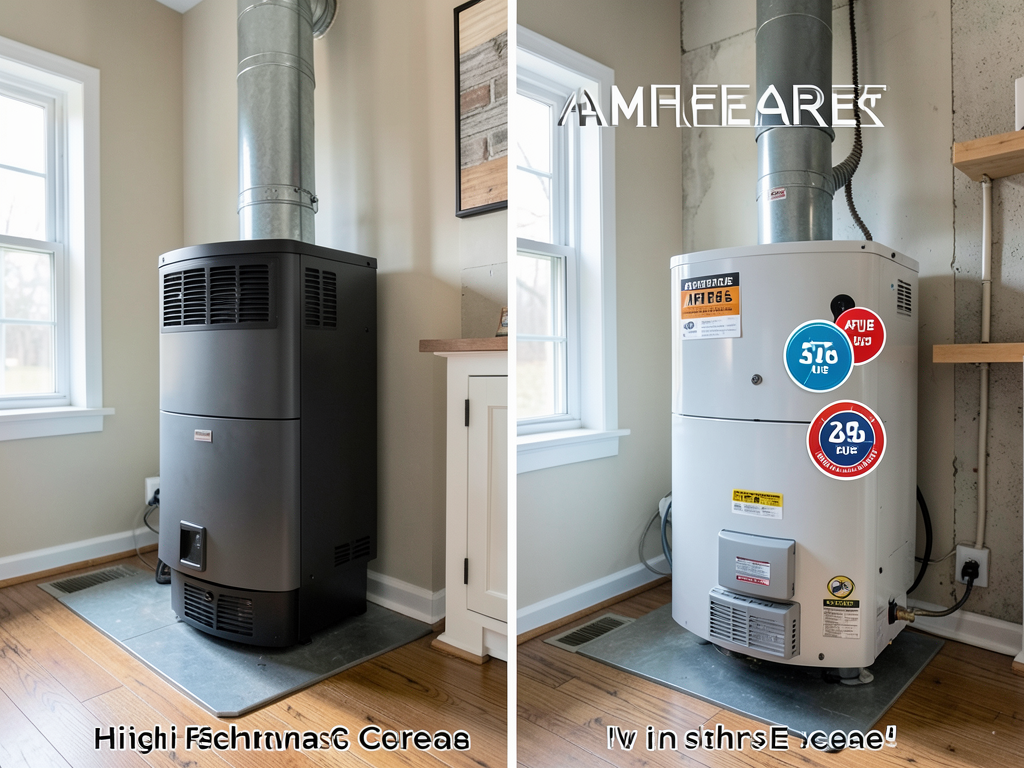
AFUE ratings measure efficiency for both systems. Modern furnaces achieve 90-98% efficiency, while high-efficiency boilers reach similar numbers. However, boilers often maintain efficiency better over time since they have fewer moving parts than furnaces with blowers and motors.
Buffalo Housing Considerations for Your Snyder Home
Snyder’s housing stock includes many mid-century ranches and older colonials built between the 1940s and 1970s. These homes present different challenges than newer developments in Orchard Park or Amherst. Many Snyder homes have partial or no ductwork, making furnace installation more invasive and expensive. Ductless AC Installation for Historical Homes in North Buffalo.
Older Snyder homes often feature plaster walls and hardwood floors that complicate duct installation. Running new ductwork requires cutting into walls, ceilings, and floors – work that disturbs original architecture and can uncover hidden issues like asbestos or outdated wiring that must be addressed.
Radiator systems in older Snyder homes typically use cast-iron radiators that retain heat long after the boiler cycles off. This thermal mass provides steady, even heating that many homeowners find more comfortable than the on-off cycling of forced air systems. The radiators also add humidity to your home, counteracting Buffalo’s naturally dry winter air.
Modern high-efficiency boilers can work with existing radiators while dramatically reducing fuel consumption. Many Snyder homeowners upgrade their old boilers to new condensing models that recover heat from exhaust gases, achieving efficiency ratings above 95% while using the existing radiator network.
Performance During Sub-Zero Buffalo Temperatures
When temperatures drop below zero, heating system performance becomes critical. Furnaces must work harder to heat cold incoming air, and their blowers run constantly to maintain temperatures. The dry air they produce can lead to static electricity, cracked wood furniture, and uncomfortable skin conditions during Buffalo’s longest heating season.
Boilers maintain steady heat output regardless of outdoor temperature because water transfers heat more efficiently than air. The thermal mass of radiators continues radiating heat even when the boiler isn’t actively firing, providing more consistent temperatures during extreme cold snaps that frequently hit Snyder. Outdoor Unit Not Spinning.
Lake-effect snow creates another consideration. Heavy snow can block furnace vents located on exterior walls, potentially causing dangerous carbon monoxide buildup. Boiler systems typically have vents through the roof or use direct-vent technology that’s less susceptible to snow blockage. During major storms, this difference can affect system safety and reliability.
Humidity control becomes crucial during Buffalo winters. Furnaces remove moisture from the air as they heat it, often requiring whole-house humidifiers to maintain comfortable levels. Boiler systems naturally add some humidity through radiator surfaces, though supplemental humidification may still be needed for optimal comfort.
Cost Analysis and Local Rebates in Erie County
Installation costs vary significantly between the two systems. A new high-efficiency furnace installation in a Snyder home with existing ductwork typically costs $4,000-$7,000. Adding ductwork to a home without it can double that cost, bringing total expenses to $8,000-$15,000 depending on home size and complexity.
Boiler installations generally cost more upfront, ranging from $5,000-$10,000 for standard efficiency models. High-efficiency condensing boilers with smart controls can exceed $12,000. However, if your home already has radiators, you avoid the ductwork expense, potentially making boilers more cost-effective for retrofits.
NYSERDA offers rebates for high-efficiency heating equipment through their Clean Heat Program. Homeowners installing systems with AFUE ratings above 95% can receive rebates of $500-$1,500, depending on the specific equipment and installation date. National Fuel also provides rebates for energy-efficient upgrades, potentially saving $300-$600 on qualifying installations. NYSERDA Clean Heat Program.
Fuel costs in Snyder favor natural gas over oil or propane. National Fuel’s current rates make gas heating the most economical choice for most homes. Electric heat pumps struggle during extreme cold, often requiring backup heating that reduces their cost advantage. The choice between gas and oil affects long-term operating costs more than the boiler vs furnace decision itself. National Fuel rebates.
Energy Star certified equipment qualifies for additional tax credits and utility rebates. These incentives can offset 10-20% of installation costs, making high-efficiency systems more affordable. The payback period for efficiency upgrades shortens significantly when factoring in available rebates and lower monthly utility bills.
Maintenance Requirements and System Longevity
Furnaces require annual maintenance including filter changes, burner cleaning, and heat exchanger inspection. The blower motor and belts wear over time, typically needing replacement every 5-10 years. Air filters must be changed every 1-3 months during heating season to maintain efficiency and air quality.
Boilers need less frequent maintenance but require different services. Annual checks include water quality testing, pressure relief valve testing, and pump inspection. The heat exchanger in a boiler lasts longer than in a furnace because it operates at lower temperatures and doesn’t have air moving across it constantly.
Longevity differs significantly between the systems. Well-maintained furnaces typically last 15-20 years before efficiency drops and major components fail. Boilers often operate for 20-30 years or more, with many cast-iron boilers from the 1960s-1970s still functioning today, albeit at lower efficiency than modern units.
Radiator maintenance adds another consideration for boiler systems. Air can accumulate in radiators over time, requiring bleeding to maintain even heating. Valves may need replacement after 15-20 years. These tasks are simple but necessary for optimal performance, especially in older Snyder homes with original radiator systems.
Emergency service availability matters during Buffalo winters. Both systems can fail during extreme cold, but furnace failures often result from blower motor issues that require immediate attention. Boiler problems might include circulator pump failures or low water pressure – issues that can sometimes be temporarily managed until professional service arrives.
Indoor Air Quality and Health Considerations
Indoor air quality affects comfort and health, especially during months when windows stay closed. Furnaces move air throughout your home, which can distribute dust, allergens, and pet dander. High-quality filters and regular duct cleaning help, but the air movement itself can trigger allergies in sensitive individuals.
Boiler systems don’t move air, so they don’t circulate allergens. This makes them preferable for households with asthma, allergies, or respiratory sensitivities. The steady radiant heat also avoids the temperature fluctuations that can occur with forced air systems, creating more consistent comfort throughout your Snyder home.
Humidity levels impact both comfort and health. Low humidity causes dry skin, irritated sinuses, and increased susceptibility to respiratory infections. Furnaces typically require whole-house humidifiers to maintain optimal 30-50% humidity levels during winter. Boiler systems naturally add some moisture through radiator surfaces but may still need supplemental humidification.
Modern boilers can integrate with air purification systems without the ductwork limitations of furnaces. UV light systems, HEPA filters, and electronic air cleaners work effectively with radiant heating, allowing you to maintain excellent air quality without the air movement that can spread contaminants.
Noise levels differ between the systems. Furnaces produce operational noise from blowers and burners, while boilers operate more quietly with only occasional pump and burner sounds. For bedrooms above living areas or homes where quiet matters, the noise difference can be significant, especially during the night when furnaces cycle frequently.
Making the Right Choice for Your Snyder Home
The best heating system for your Snyder home depends on your existing infrastructure, budget, and comfort preferences. If your home has radiators and no ductwork, staying with a boiler often makes the most sense financially and practically. The existing system provides a foundation that high-efficiency upgrades can build upon.
Homeowners planning major renovations might consider switching to forced air, especially if central air conditioning is also desired. Ductwork serves both heating and cooling needs, potentially eliminating the need for separate cooling systems like window units or ductless mini-splits. However, the renovation cost must justify the switch.
Consider your home’s age and construction. Older Snyder homes with plaster walls and hardwood floors often suffer when ductwork is added, as the installation process can damage original features. Boiler systems work within existing architecture without the invasive modifications required for forced air.
Energy efficiency goals should factor into your decision. Both systems offer high-efficiency options, but the specific efficiency ratings, available rebates, and long-term operating costs vary. A professional heat load calculation ensures proper sizing regardless of which system you choose, preventing the inefficiency of oversized or undersized equipment.
Future plans matter too. If you’re considering solar panels or other renewable energy sources, electric heat pumps might become viable options. However, Buffalo’s climate means most heat pumps still need backup heating during extreme cold, making the boiler vs furnace decision relevant even in a renewable energy future.
Professional installation makes the difference between a system that works and one that performs optimally for decades. Local building codes in Erie County require specific venting, combustion air, and safety features that vary between boiler and furnace installations. Working with experienced local contractors ensures compliance and optimal performance.
Frequently Asked Questions
Which system is cheaper to operate in Snyder’s climate?
Operating costs depend more on efficiency ratings and fuel prices than the boiler vs furnace choice. Both high-efficiency systems cost similar amounts to run when properly sized. Natural gas remains the most economical fuel in Erie County, making the efficiency rating more important than the system type.
Can I add air conditioning if I choose a boiler?
Yes, through ductless mini-split systems or high-velocity cooling units that use small ducts. These options work well with radiant heating and avoid the cost of installing full ductwork. Many Snyder homeowners successfully combine boilers with ductless cooling for year-round comfort.
How long does installation take for each system?
Furnace installation typically takes 1-2 days in homes with existing ductwork. Adding ductwork extends this to 3-5 days. Boiler replacements usually require 2-3 days, while switching from one system type to another can take a week or more due to the extensive modifications involved.
What size system do I need for my Snyder home?
System sizing requires a professional heat load calculation considering your home’s square footage, insulation levels, window quality, and local climate data. An oversized system cycles frequently, reducing efficiency and comfort. Undersized equipment struggles during extreme cold. Proper sizing ensures optimal performance regardless of which system you choose.
Are there any Snyder-specific considerations I should know about?
Snyder’s mix of older and newer homes means installation requirements vary significantly by property. Homes built before 1980 often need electrical system upgrades to support modern high-efficiency equipment. The area’s heavy snowfall also affects venting requirements, with roof vents often preferred over wall vents for reliability during storms.
Ready to Upgrade Your Snyder Home’s Heating System?
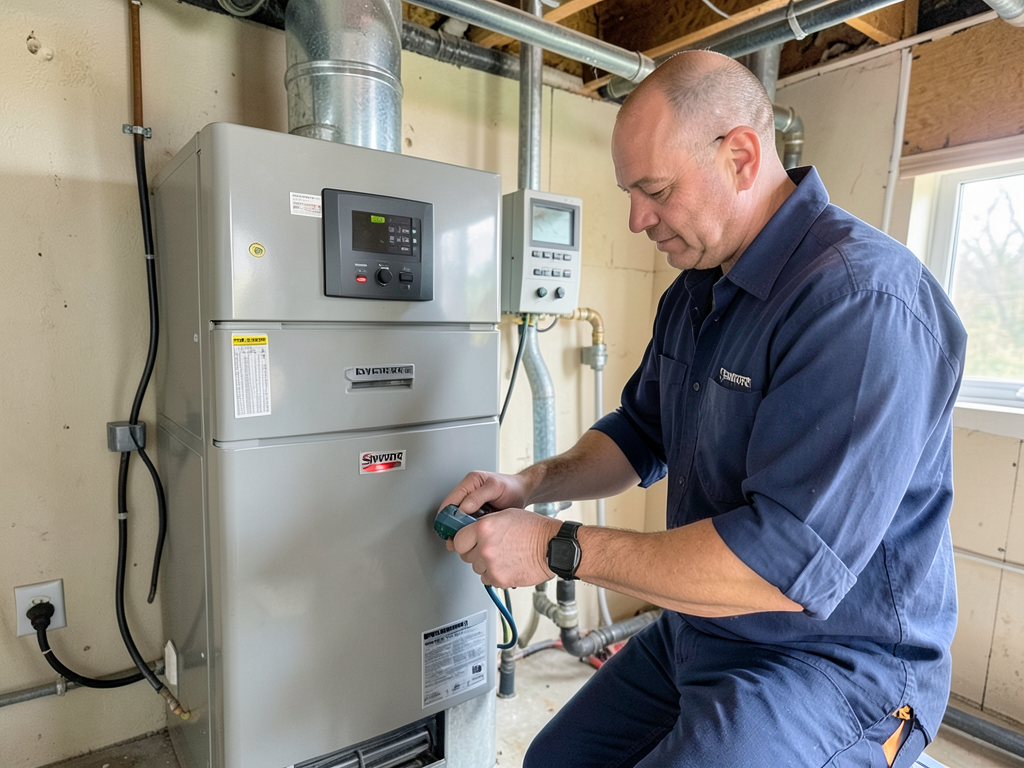
Making the right choice between a boiler and furnace affects your comfort for decades. Our experienced technicians understand Snyder’s unique housing stock and Buffalo’s extreme climate challenges. We’ll evaluate your home’s specific needs, explain all available options, and help you qualify for every available rebate and incentive.
Don’t wait until your old system fails during a blizzard. Call (716) 317-7757 today to schedule your free heating consultation. We’ll provide a detailed analysis of your home’s requirements and transparent pricing with no high-pressure sales tactics. Your comfort and safety matter most.
Pick up the phone and call (716) 317-7757 before the next cold snap hits. Let’s ensure your Snyder home stays warm and comfortable all winter long with the right heating system for your specific needs.
{
“@context”: “https://schema.org”,
“@type”: “BlogPosting”,
“headline”: “Deciding Between a New Boiler or a Furnace for Your Snyder Home”,
“description”: “Compare boiler vs furnace heating systems for Snyder homes. Learn about efficiency, costs, maintenance, and Buffalo’s climate to make the right choice for your home.”,
“wordCount”: 2126,
“datePublished”: “2026-03-06T11:45:00.000Z”,
“dateModified”: “2026-03-06T11:45:00.000Z”,
“inLanguage”: “en-US”,
“mainEntityOfPage”: {
“@type”: “WebPage”,
“@id”: “https://unitedhvacbuffalo.com”
},
“publisher”: {
“@type”: “LocalBusiness”,
“name”: “United HVAC Buffalo”,
“url”: “https://unitedhvacbuffalo.com”
},
“author”: {
“@type”: “Organization”,
“name”: “United HVAC Buffalo”,
“url”: “https://unitedhvacbuffalo.com”
},
“image”: {
“@type”: “ImageObject”,
“url”: “https://unitedhvacbuffalo.com/wp-content/uploads/2026/03/deciding-between-a-new-boiler-or-a-furnace-for-you-1.png”
}
}
{
“@context”: “https://schema.org”,
“@type”: “HVACBusiness”,
“name”: “United HVAC Buffalo”,
“url”: “https://unitedhvacbuffalo.com”,
“address”: {
“@type”: “PostalAddress”,
“addressLocality”: “Buffalo”
},
“areaServed”: {
“@type”: “City”,
“name”: “Buffalo”
}
}
{
“@context”: “https://schema.org”,
“@type”: “FAQPage”,
“mainEntity”: [
{
“@type”: “Question”,
“name”: “Which system is cheaper to operate in Snyder’s climate?”,
“acceptedAnswer”: {
“@type”: “Answer”,
“text”: “Operating costs depend more on efficiency ratings and fuel prices than the boiler vs furnace choice. Both high-efficiency systems cost similar amounts to run when properly sized. Natural gas remains the most economical fuel in Erie County, making the efficiency rating more important than the system type.”
}
},
{
“@type”: “Question”,
“name”: “Can I add air conditioning if I choose a boiler?”,
“acceptedAnswer”: {
“@type”: “Answer”,
“text”: “Yes, through ductless mini-split systems or high-velocity cooling units that use small ducts. These options work well with radiant heating and avoid the cost of installing full ductwork. Many Snyder homeowners successfully combine boilers with ductless cooling for year-round comfort.”
}
},
{
“@type”: “Question”,
“name”: “How long does installation take for each system?”,
“acceptedAnswer”: {
“@type”: “Answer”,
“text”: “Furnace installation typically takes 1-2 days in homes with existing ductwork. Adding ductwork extends this to 3-5 days. Boiler replacements usually require 2-3 days, while switching from one system type to another can take a week or more due to the extensive modifications involved.”
}
},
{
“@type”: “Question”,
“name”: “What size system do I need for my Snyder home?”,
“acceptedAnswer”: {
“@type”: “Answer”,
“text”: “System sizing requires a professional heat load calculation considering your home’s square footage, insulation levels, window quality, and local climate data. An oversized system cycles frequently, reducing efficiency and comfort. Undersized equipment struggles during extreme cold. Proper sizing ensures optimal performance regardless of which system you choose.”
}
},
{
“@type”: “Question”,
“name”: “Are there any Snyder-specific considerations I should know about?”,
“acceptedAnswer”: {
“@type”: “Answer”,
“text”: “Snyder’s mix of older and newer homes means installation requirements vary significantly by property. Homes built before 1980 often need electrical system upgrades to support modern high-efficiency equipment. The area’s heavy snowfall also affects venting requirements, with roof vents often preferred over wall vents for reliability during storms.”
}
},
{
“@type”: “Question”,
“name”: “Ready to Upgrade Your Snyder Home’s Heating System?”,
“acceptedAnswer”: {
“@type”: “Answer”,
“text”: “Making the right choice between a boiler and furnace affects your comfort for decades. Our experienced technicians understand Snyder’s unique housing stock and Buffalo’s extreme climate challenges. We’ll evaluate your home’s specific needs, explain all available options, and help you qualify for every available rebate and incentive.”
}
}
]
}
{
“@context”: “https://schema.org”,
“@type”: “BreadcrumbList”,
“itemListElement”: [
{
“@type”: “ListItem”,
“position”: 1,
“name”: “Home”,
“item”: “https://unitedhvacbuffalo.com”
},
{
“@type”: “ListItem”,
“position”: 2,
“name”: “Blog”,
“item”: “https://unitedhvacbuffalo.com/blog”
},
{
“@type”: “ListItem”,
“position”: 3,
“name”: “Deciding Between a New Boiler or a Furnace for Your Snyder Home”
}
]
}
{
“@context”: “https://schema.org”,
“@type”: “Service”,
“serviceType”: “HVAC”,
“provider”: {
“@type”: “LocalBusiness”,
“name”: “United HVAC Buffalo”,
“url”: “https://unitedhvacbuffalo.com”
},
“areaServed”: {
“@type”: “City”,
“name”: “Buffalo”
},
“description”: “Compare boiler vs furnace heating systems for Snyder homes. Learn about efficiency, costs, maintenance, and Buffalo’s climate to make the right choice for your home.”
}