
Ensuring Your Furnace Exhaust Doesn’t Get Blocked by Drifting Snow in East Amherst
When heavy lake-effect snow hits East Amherst, your furnace’s exhaust vent becomes vulnerable to blockage from drifting snow. A blocked vent can shut down your heating system and create dangerous carbon monoxide buildup inside your home. Understanding how to protect your furnace exhaust system is essential for winter safety in Western New York. Emergency Furnace Repair in Amherst When Your Heat Goes Out at Night.
East Amherst sits in a prime location for lake-effect snow bands that can drop several feet of snow in just hours. The combination of strong winds and heavy snowfall creates perfect conditions for snow to drift and pile up against your home’s exterior walls where furnace vents are typically located. This guide will show you how to identify your vent system, recognize warning signs, and take preventive steps to keep your furnace running safely all winter long.. Read more about How to Inspect Your Own HVAC System Before the First Buffalo Snowfall.
Understanding Your Furnace Vent System
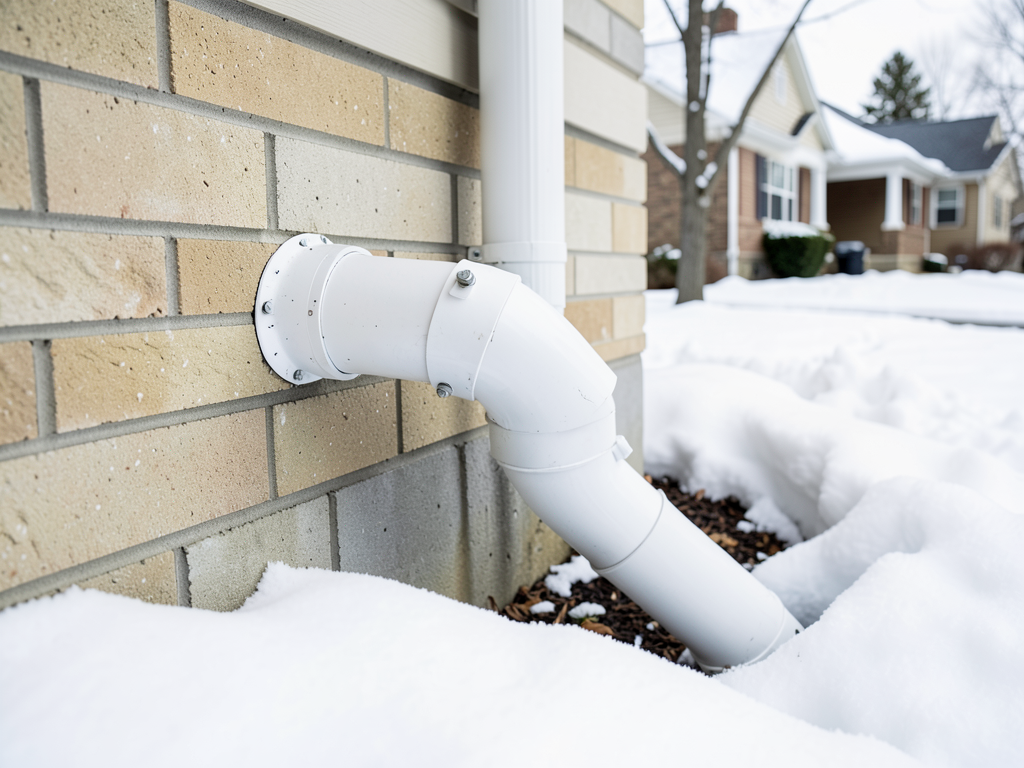
Modern high-efficiency furnaces use PVC pipes to vent exhaust gases outside. These systems typically have two pipes: one for intake air and one for exhaust. In East Amherst homes, these pipes usually exit through the side wall near the foundation, making them particularly susceptible to snow accumulation.. Read more about How Heavy Winds from Lake Erie Mess with Your Furnace Pressure Switch.
The exhaust pipe carries carbon monoxide and other combustion byproducts away from your home. When this pipe gets blocked by snow, your furnace’s pressure switch detects the problem and shuts down the system as a safety measure. This prevents deadly gases from backing up into your living space.
Older standard-efficiency furnaces may use a metal chimney or roof vent instead. While these are less likely to get blocked by ground-level snow, they can still accumulate ice and snow during severe storms. Understanding which type of system you have is the first step in preventing vent blockages.
Warning Signs Your Furnace Vent May Be Blocked
Your furnace will typically give you warning signs before completely shutting down. Recognizing these early indicators can help you address the problem before you lose heat entirely. Here are the most common symptoms of a blocked furnace vent in East Amherst homes.
First, your furnace may start short cycling, turning on and off more frequently than normal. This happens because the pressure switch is detecting improper venting conditions. You might also notice cold air coming from your vents when the furnace should be running, indicating the system has locked out due to vent blockage.
Many modern furnaces display error codes when problems occur. A common code for blocked vents is the pressure switch open error, often shown as a flashing LED light pattern. Your furnace manual will explain what these codes mean for your specific model. Some systems may display a code like 31 or 14, indicating vent-related issues.
If you hear your furnace trying to start but failing repeatedly, this could also indicate a blocked vent. The inducer motor may run, but the system won’t ignite because the pressure switch won’t allow it. These symptoms typically appear during or after heavy snowfall when drifting is most likely to occur.
Step-by-Step Guide to Finding and Clearing Your Furnace Vent
Before you can clear your furnace vent, you need to locate it. In East Amherst homes, the vent pipes are usually white PVC pipes that exit the foundation wall within a few feet of ground level. They may be near your gas meter or in the back or side of your home where the mechanical equipment is located.
Once you’ve located the pipes, use a broom or soft brush to gently remove snow from around the vent area. Never use a shovel near the pipes, as you could damage the PVC. Clear at least 18 to 24 inches of space around each pipe opening to ensure proper airflow.
For the exhaust pipe, which typically has a 90-degree elbow pointing downward, make sure the opening is completely clear of snow and ice. The intake pipe may have a screen or guard that can trap snow, so check it carefully. Use your hand or a soft brush to clear any debris from the openings.
After clearing the vents, you may need to reset your furnace. Most systems have a reset button on the control board or near the burner compartment. If you’re unsure, consult your owner’s manual or call a professional. Once reset, your furnace should restart and begin heating your home again.
Never use hot water, chemicals, or sharp tools to clear snow from PVC pipes. These methods can crack the pipes or create dangerous situations. If you can’t safely clear the blockage or if your furnace won’t restart, it’s time to call a professional HVAC technician.
Buffalo-Specific Prevention Strategies for Lake-Effect Snow
East Amherst’s location makes it particularly vulnerable to heavy lake-effect snow from Lake Erie. The prevailing winds and proximity to the lake create conditions where snow can accumulate rapidly and drift to surprising heights. Understanding these local weather patterns helps you prepare more effectively.
One effective strategy is to install a vent extension or snorkel kit that raises your furnace vents higher above ground level. These kits can extend your vents 12 to 24 inches higher, putting them above the typical snow drift line. Many East Amherst homeowners find this investment worthwhile given our frequent heavy snow events.
Consider the prevailing wind direction when planning your snow removal strategy. In East Amherst, northwest winds often drive the heaviest lake-effect bands. If you know which side of your home faces these winds, you can focus your preventive clearing efforts there first during and after storms.
Landscaping can also help protect your vents. Planting evergreen shrubs or installing decorative fencing on the windward side of your vents can reduce snow drift accumulation. However, maintain proper clearance distances as required by building codes and manufacturer specifications.
According to the International Residential Code Section M1305.7, combustion air intake and exhaust vents must terminate at least 12 inches above the expected snow line. In Buffalo’s climate, many HVAC professionals recommend even greater clearance due to our extreme snowfall patterns. International Residential Code Section M1305.7.
Carbon Monoxide Safety: The Critical Secondary Protection
While preventing vent blockages is crucial, having working carbon monoxide detectors provides essential backup protection. Carbon monoxide is odorless and colorless, making it impossible to detect without proper equipment. Every level of your East Amherst home should have at least one CO detector, with additional units near sleeping areas.
Test your CO detectors monthly and replace batteries twice yearly. Most detectors have a lifespan of 5 to 7 years, after which they should be replaced. Some newer models have end-of-life indicators that alert you when replacement is needed.
Common carbon monoxide poisoning symptoms include headache, dizziness, weakness, upset stomach, vomiting, chest pain, and confusion. These symptoms often resemble the flu, which can make CO poisoning particularly dangerous since people may not realize the cause.
If your CO detector sounds an alarm, evacuate immediately and call 911. Do not re-enter your home until emergency responders have declared it safe. This is especially important during winter storms when blocked vents are more likely to occur.
The Centers for Disease Control and Prevention recommends that all homes with fuel-burning appliances, fireplaces, or attached garages install CO detectors. This recommendation is particularly important in East Amherst due to our heavy reliance on natural gas heating systems. Centers for Disease Control and Prevention Carbon Monoxide Information.
When to Call a Professional HVAC Technician
While many vent blockages can be cleared safely by homeowners, certain situations require professional assistance. If you’re unsure about your furnace’s operation, if you smell gas, or if your CO detector sounds, evacuate immediately and call for professional help.
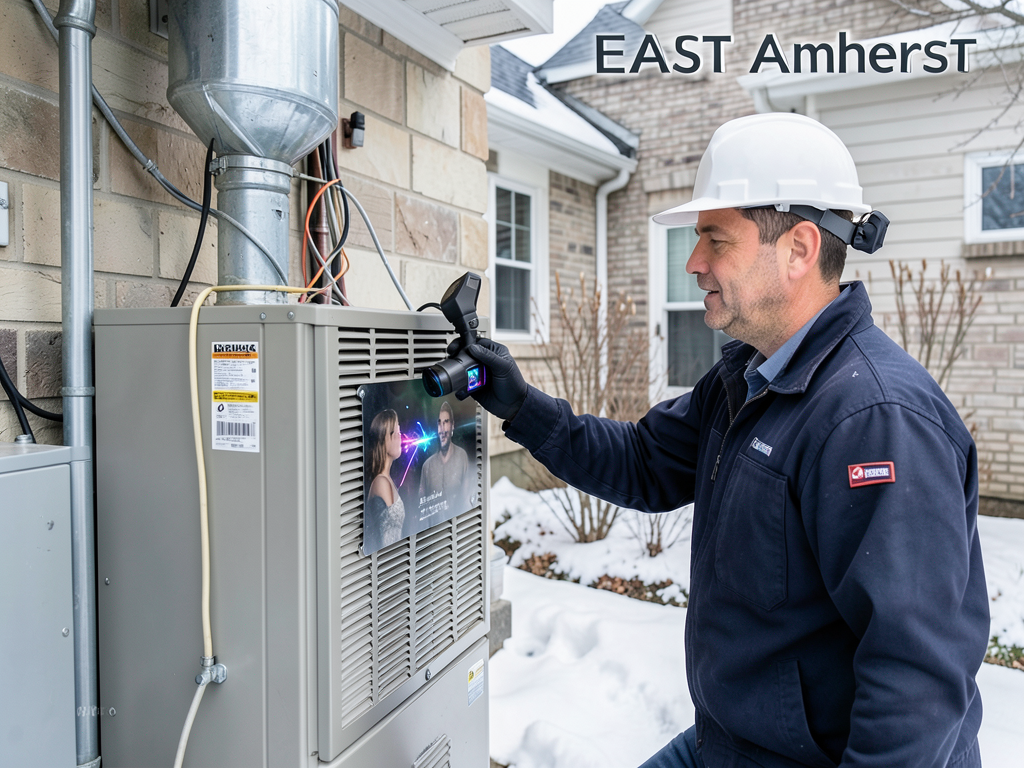
Professional technicians have specialized tools to diagnose vent problems that aren’t visible to homeowners. They can test for proper draft, check pressure switch operation, and ensure your entire venting system meets current safety standards. This is particularly important for older systems that may have developed issues over time.
Consider scheduling a professional inspection before the heavy snow season begins. A technician can identify potential problems, recommend vent extensions if needed, and ensure your system is prepared for winter. This preventive approach can save you from emergency service calls during severe weather.
If your furnace repeatedly locks out due to vent issues, there may be underlying problems that require professional diagnosis. Issues like improper vent sizing, damaged pipes, or malfunctioning pressure switches need expert attention to resolve safely.
Emergency HVAC services in Buffalo and East Amherst are available 24/7 for situations where you’ve lost heat during severe weather. When calling for emergency service, be prepared to describe your symptoms, your furnace model if known, and any error codes displayed. HVAC Buffalo.
Emergency Action Plan for Furnace Vent Blockages
Having a plan before you need it can make a critical difference during a winter emergency. Create a simple checklist that includes emergency contact numbers, the location of your furnace and vents, and basic troubleshooting steps you can take safely.
Keep essential tools like a broom, flashlight, and your furnace manual in an easily accessible location. Know where your main gas shutoff valve is located in case you need to turn off your furnace quickly. Also, have a battery-powered carbon monoxide detector as backup in case your home’s power fails.
If your furnace shuts down during a severe storm and you can’t immediately clear the vents, consider temporary alternative heating options. Never use outdoor equipment like generators or grills indoors, as these produce carbon monoxide. Instead, use safe electric space heaters if available, or contact emergency services for shelter options. Outdoor Unit Not Spinning.
Document your vent locations with photos before snow covers them. This makes it easier to find them quickly when you need to clear snow. Share this information with all adult household members so anyone can respond if you’re not home during a storm.
Keep your HVAC technician’s contact information readily available, along with your furnace model number and service history. This information helps them respond more quickly if you need emergency service during a winter storm in East Amherst.
Frequently Asked Questions
How high should my furnace vent be above the ground?
Building codes require vents to terminate at least 12 inches above the expected snow line. In Buffalo’s climate, many HVAC professionals recommend 18 to 24 inches of clearance to account for drifting and heavy snow accumulation.
Can I use hot water to melt snow around my furnace vent?
No, never use hot water on PVC vent pipes. The temperature difference can cause the plastic to crack or become brittle. Use only mechanical methods like brushing or gentle sweeping to remove snow.
How often should I check my furnace vents during winter?
During active snow events, check your vents every few hours if possible. Even after snow stops falling, check them daily for several days afterward as snow can continue to drift and accumulate.
What should I do if my CO detector goes off during a snowstorm?
Evacuate immediately, moving to fresh air outside or at a neighbor’s home. Call 911 and do not re-enter until emergency responders have declared your home safe. This is a life-threatening emergency.
Is it safe to clear snow from my furnace vent in extreme cold?
Yes, but take precautions. Wear warm clothing, use proper tools like a broom rather than your hands, and work quickly to minimize exposure. If conditions are too dangerous, wait for safer weather or call a professional.
Protecting Your East Amherst Home This Winter
Living in East Amherst means preparing for the unique challenges that lake-effect snow brings to our homes and heating systems. By understanding how drifting snow affects your furnace vents and taking preventive measures, you can avoid dangerous situations and keep your home warm throughout the winter season.
Remember that your furnace’s safety features are designed to protect you, but they require your attention and maintenance to function properly. Regular checks during and after snow events, combined with proper equipment like CO detectors, create multiple layers of protection for your family.
If you’re unsure about your furnace vent system or need professional assistance, don’t hesitate to call a qualified HVAC technician. The cost of preventive maintenance is far less than the potential risks of a blocked vent or carbon monoxide exposure.
Call (716) 317-7757 today to schedule your furnace vent inspection before the next big storm hits East Amherst. Our experienced technicians understand the local weather patterns and can ensure your system is ready for whatever winter brings our way.
Don’t wait until you’re without heat to address vent clearance issues. Pick up the phone and call (716) 317-7757 now to protect your home and family from the dangers of blocked furnace vents this winter season.
[IMAGE_PLACEHOLDER_3>
{
“@context”: “https://schema.org”,
“@type”: “BlogPosting”,
“headline”: “Ensuring Your Furnace Exhaust Doesn’t Get Blocked by Drifting Snow in East Amherst”,
“description”: “Learn how to prevent furnace vent blockages from drifting snow in East Amherst. Protect your home from carbon monoxide risks with expert HVAC safety tips.”,
“wordCount”: 2122,
“datePublished”: “2026-05-02T14:01:00.000Z”,
“dateModified”: “2026-05-02T14:01:00.000Z”,
“inLanguage”: “en-US”,
“mainEntityOfPage”: {
“@type”: “WebPage”,
“@id”: “https://unitedhvacbuffalo.com”
},
“publisher”: {
“@type”: “LocalBusiness”,
“name”: “United HVAC Buffalo”,
“url”: “https://unitedhvacbuffalo.com”
},
“author”: {
“@type”: “Organization”,
“name”: “United HVAC Buffalo”,
“url”: “https://unitedhvacbuffalo.com”
},
“image”: {
“@type”: “ImageObject”,
“url”: “https://unitedhvacbuffalo.com/wp-content/uploads/2026/03/ensuring-your-furnace-exhaust-doesn-t-get-blocked-1.png”
}
}
{
“@context”: “https://schema.org”,
“@type”: “HVACBusiness”,
“name”: “United HVAC Buffalo”,
“url”: “https://unitedhvacbuffalo.com”,
“address”: {
“@type”: “PostalAddress”,
“addressLocality”: “Buffalo”
},
“areaServed”: {
“@type”: “City”,
“name”: “Buffalo”
}
}
{
“@context”: “https://schema.org”,
“@type”: “FAQPage”,
“mainEntity”: [
{
“@type”: “Question”,
“name”: “How high should my furnace vent be above the ground?”,
“acceptedAnswer”: {
“@type”: “Answer”,
“text”: “Building codes require vents to terminate at least 12 inches above the expected snow line. In Buffalo’s climate, many HVAC professionals recommend 18 to 24 inches of clearance to account for drifting and heavy snow accumulation.”
}
},
{
“@type”: “Question”,
“name”: “Can I use hot water to melt snow around my furnace vent?”,
“acceptedAnswer”: {
“@type”: “Answer”,
“text”: “No, never use hot water on PVC vent pipes. The temperature difference can cause the plastic to crack or become brittle. Use only mechanical methods like brushing or gentle sweeping to remove snow.”
}
},
{
“@type”: “Question”,
“name”: “What should I do if my CO detector goes off during a snowstorm?”,
“acceptedAnswer”: {
“@type”: “Answer”,
“text”: “Evacuate immediately, moving to fresh air outside or at a neighbor’s home. Call 911 and do not re-enter until emergency responders have declared your home safe. This is a life-threatening emergency.”
}
},
{
“@type”: “Question”,
“name”: “Is it safe to clear snow from my furnace vent in extreme cold?”,
“acceptedAnswer”: {
“@type”: “Answer”,
“text”: “Yes, but take precautions. Wear warm clothing, use proper tools like a broom rather than your hands, and work quickly to minimize exposure. If conditions are too dangerous, wait for safer weather or call a professional.”
}
}
]
}
{
“@context”: “https://schema.org”,
“@type”: “BreadcrumbList”,
“itemListElement”: [
{
“@type”: “ListItem”,
“position”: 1,
“name”: “Home”,
“item”: “https://unitedhvacbuffalo.com”
},
{
“@type”: “ListItem”,
“position”: 2,
“name”: “Blog”,
“item”: “https://unitedhvacbuffalo.com/blog”
},
{
“@type”: “ListItem”,
“position”: 3,
“name”: “Ensuring Your Furnace Exhaust Doesn’t Get Blocked by Drifting Snow in East Amherst”
}
]
}
{
“@context”: “https://schema.org”,
“@type”: “Service”,
“serviceType”: “HVAC”,
“provider”: {
“@type”: “LocalBusiness”,
“name”: “United HVAC Buffalo”,
“url”: “https://unitedhvacbuffalo.com”
},
“areaServed”: {
“@type”: “City”,
“name”: “Buffalo”
},
“description”: “Learn how to prevent furnace vent blockages from drifting snow in East Amherst. Protect your home from carbon monoxide risks with expert HVAC safety tips.”
}