
How Heavy Winds from Lake Erie Mess with Your Furnace Pressure Switch
Buffalo winters bring more than just cold temperatures. When those powerful Lake Erie winds whip through Western New York, they can trigger a cascade of problems in your home’s heating system. The furnace pressure switch, a small but critical safety component, becomes especially vulnerable to wind-induced pressure fluctuations that can leave you without heat when you need it most. Emergency Furnace Repair in Amherst When Your Heat Goes Out at Night.
The pressure switch monitors airflow through your furnace’s venting system. When Lake Erie winds create negative pressure around your home’s exterior, they can fool the switch into thinking there’s a venting problem. This safety mechanism then shuts down your furnace to prevent dangerous conditions like carbon monoxide buildup. Understanding this connection between Buffalo’s unique weather patterns and your furnace’s operation can help you diagnose problems faster and know when to call for professional help. HVAC Buffalo.
What Does a Furnace Pressure Switch Do?
The pressure switch acts as your furnace’s respiratory monitor. It ensures proper airflow through the heat exchanger and venting system before allowing the burners to ignite. When the inducer motor creates suction, the pressure switch diaphragm moves to close an electrical circuit. If pressure readings fall outside safe parameters, the switch opens the circuit and prevents the furnace from operating.
Modern high-efficiency furnaces in Buffalo homes typically use two pressure switches: one for low-fire operation and another for high-fire operation. This dual-switch system provides more precise control but also means more potential failure points during extreme weather events. The switches connect to the furnace control board through small plastic tubes that can become brittle in cold temperatures and crack during winter storms.
5 Common Symptoms of a Failing Pressure Switch
Recognizing pressure switch problems early can prevent complete furnace failures during Buffalo’s coldest nights. The symptoms often appear gradually, making them easy to overlook until your home becomes uncomfortably cold.
Intermittent heating cycles represent the most common early warning sign. Your furnace may start normally but shut down after a few minutes, then attempt to restart several times before locking out completely. This cycling pattern often worsens during windy conditions when Lake Erie gusts create pressure differentials around your home.
Continuous blower operation without burner ignition indicates the pressure switch isn’t closing properly. The inducer motor runs, but the safety circuit prevents gas valve activation. You’ll hear the inducer motor humming, but the burners never light, leaving your home without heat.
Three-blink error codes on most furnace control boards signal pressure switch problems. Carrier, Trane, and Goodman furnaces display specific flash patterns that help technicians diagnose the exact issue. These codes often appear more frequently during winter months when wind conditions are most severe.
Unusual noises from the venting area can indicate pressure switch issues. You might hear whistling, rattling, or popping sounds from the PVC vent pipes on your home’s exterior. These sounds often correlate with wind direction and intensity, becoming more pronounced during Lake Erie wind events.
Condensate drain problems frequently accompany pressure switch failures in high-efficiency furnaces. When the pressure switch trips, it can cause water to back up in the condensate trap, leading to overflow or freezing in exposed drain lines during extreme cold spells.
Why Your Pressure Switch is Tripping (The Buffalo Winter Connection)
Buffalo’s unique geography creates conditions that directly impact furnace pressure switches. Lake Erie’s vast surface area generates consistent winds that funnel through the Niagara Frontier, creating pressure differentials that your furnace wasn’t necessarily designed to handle.
Blocked Vent Pipes and Lake Effect Snow
Heavy lake-effect snow accumulation around vent pipes creates the most obvious pressure switch trigger. When snow drifts block the intake or exhaust vents on your home’s exterior, the pressure switch detects inadequate airflow and shuts down the system. This problem becomes especially acute in areas like Orchard Park and West Seneca, where lake-effect bands can dump several feet of snow in just a few hours. Orchard Park Homeowners’ Guide to Replacing an Aging Heat Pump.
High-efficiency furnaces require clear 2-3 inch PVC vent pipes that terminate at least 12 inches above the ground. During major snow events, these pipes can become completely buried, triggering immediate pressure switch trips. The solution often requires simply clearing snow from around the vent terminations, but repeated blockages indicate a need for vent extension or relocation.
Cracked or Clogged Pressure Switch Tubing
The small plastic tubes connecting the pressure switch to the furnace can develop cracks from repeated freeze-thaw cycles common in Buffalo’s climate. When temperatures fluctuate above and below freezing, water vapor in these tubes can freeze and expand, creating microscopic cracks that widen over time.
Wind-driven moisture can also enter these tubes during severe storms, carrying debris that clogs the small orifices. Once clogged, the pressure switch cannot accurately measure furnace pressure, leading to false trip signals. This problem affects homes throughout Erie County, particularly those in exposed areas near the lakefront.
Inducer Motor Failure
A failing inducer motor creates pressure switch problems that mimic complete switch failure. The inducer motor must generate sufficient suction to close the pressure switch diaphragm. When motor bearings wear out or capacitors fail, the motor spins too slowly to create adequate pressure differentials.
During Lake Erie wind events, a weak inducer motor may struggle to overcome the additional pressure variations, causing intermittent switch trips. This creates a diagnostic challenge because the switch itself may be functioning correctly while the underlying motor problem goes undetected until a technician performs proper testing.
How to Safely Test Your Pressure Switch
Testing a pressure switch requires caution and proper equipment. Never attempt to bypass safety controls on your furnace, as this can create dangerous conditions including carbon monoxide exposure and fire hazards.. Read more about Why You Should Never Try to Relight a Stubborn Furnace Pilot Light Yourself.
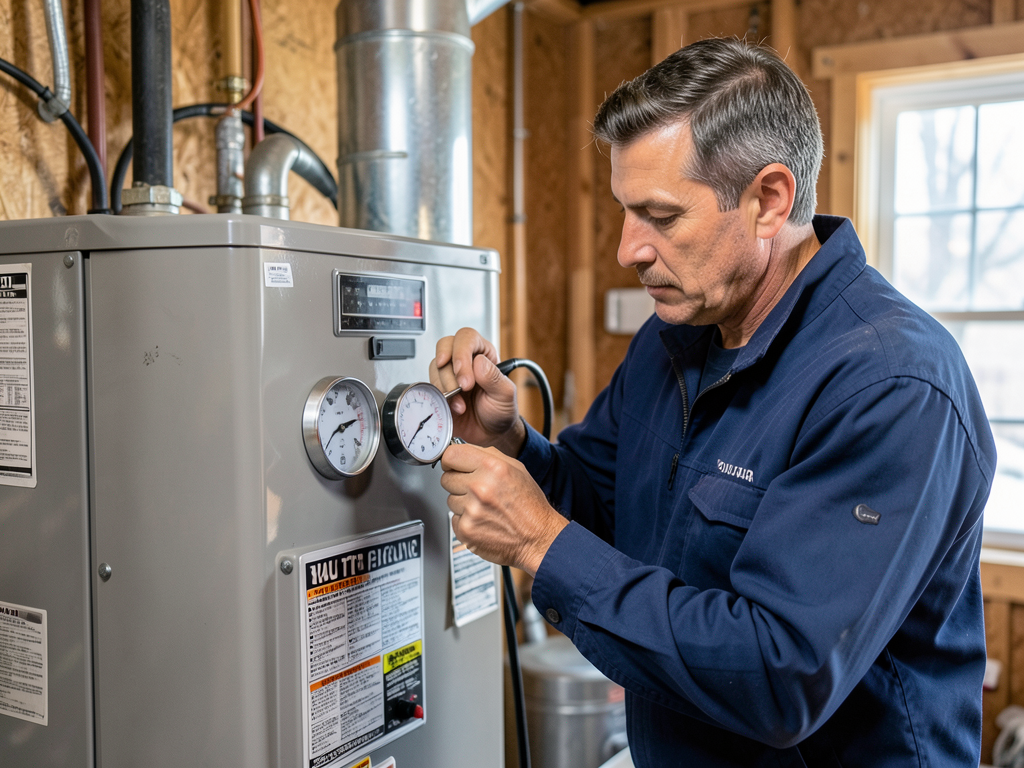
The safest diagnostic approach uses a manometer to measure actual pressure differentials across the switch. A reading between 0.5 and 1.5 inches of water column typically indicates proper operation for most residential furnaces. Values outside this range suggest problems with the venting system, inducer motor, or switch itself.
Visual inspection provides another diagnostic avenue. Examine the small plastic tubes for cracks, discoloration, or debris accumulation. Check that vent pipes remain clear of obstructions and that condensate drains flow freely. During windy conditions, observe whether vent pipes rattle or move excessively, which can indicate loose mounting that exacerbates pressure fluctuations.. Read more about Managing Excessive Dust in Your South Buffalo Home During High Wind Events.
DIY Fixes vs. When to Call a Buffalo HVAC Pro
Several pressure switch-related issues lend themselves to DIY solutions, particularly for homeowners comfortable with basic maintenance tasks. Clearing snow from vent pipes, checking for obvious tubing damage, and resetting your furnace control board after addressing obvious problems can often restore heat without professional intervention.
However, certain situations demand immediate professional attention. If your furnace displays error codes, produces unusual odors, or if you hear gas-related sounds, turn off the system at the main power switch and call a licensed technician. Carbon monoxide detectors sounding alarms require immediate evacuation and emergency service.
Professional diagnosis becomes essential when DIY fixes fail to resolve the problem. A qualified technician can perform comprehensive testing including inducer motor amp draws, heat exchanger integrity checks, and control board diagnostics. These tests require specialized tools and knowledge of local building codes that most homeowners lack.
Emergency Furnace Repair in Buffalo: We’re Here to Help
When your furnace fails during a Lake Erie windstorm, you need help fast. United HVAC Buffalo maintains 24/7 emergency service throughout Erie County, with technicians strategically positioned to reach homes in Amherst, Tonawanda, and Orchard Park within 45 minutes of your call. HVAC Orchard Park.
Our service vehicles carry common pressure switch components and diagnostic equipment, allowing us to resolve most problems during the initial visit. We understand Buffalo’s unique climate challenges and stock parts specifically suited for the temperature extremes and wind conditions our region experiences.
Don’t let another Lake Erie windstorm leave your family in the cold. Call (716) 317-7757 today to schedule your inspection or emergency repair service. Our NATE-certified technicians will diagnose your pressure switch problem quickly and provide upfront pricing before any work begins. EPA Carbon Monoxide Safety Guidelines.
Frequently Asked Questions
Can I temporarily bypass my pressure switch to restore heat?
No. Bypassing safety controls creates serious risks including carbon monoxide poisoning and fire hazards. If your pressure switch is tripping, there’s a legitimate safety concern that requires proper diagnosis and repair.
How much does pressure switch replacement cost in Buffalo?
Professional pressure switch replacement typically ranges from $150 to $350 in the Buffalo area, depending on your furnace brand and the complexity of the installation. High-efficiency furnaces with dual switches may cost more to service. Ductless AC Installation for Historical Homes in North Buffalo.
Will my homeowner’s insurance cover pressure switch repairs?
Standard policies typically don’t cover mechanical failures like pressure switch problems. However, if the failure resulted from a covered peril like wind damage or falling trees, related repairs might be covered. Check your specific policy details.
How long do furnace pressure switches typically last?
Quality pressure switches generally last 8-12 years under normal conditions. In Buffalo’s climate with extreme temperature swings and wind exposure, you might see slightly shorter lifespans, particularly for components exposed to the elements. For more information, visit National Association of Certified Home Inspectors – Pressure Switch Guide.
{
“@context”: “https://schema.org”,
“@type”: “BlogPosting”,
“headline”: “How Heavy Winds from Lake Erie Mess with Your Furnace Pressure Switch”,
“description”: “Buffalo homeowners: Lake Erie winds can trigger furnace pressure switch failures. Learn the warning signs, DIY fixes, and when to call United HVAC at (716) 317-7757 for emergency service.”,
“wordCount”: 1552,
“datePublished”: “2026-05-16T12:37:00.000Z”,
“dateModified”: “2026-05-16T12:37:00.000Z”,
“inLanguage”: “en-US”,
“mainEntityOfPage”: {
“@type”: “WebPage”,
“@id”: “https://unitedhvacbuffalo.com”
},
“publisher”: {
“@type”: “LocalBusiness”,
“name”: “United HVAC Buffalo”,
“url”: “https://unitedhvacbuffalo.com”
},
“author”: {
“@type”: “Organization”,
“name”: “United HVAC Buffalo”,
“url”: “https://unitedhvacbuffalo.com”
},
“image”: {
“@type”: “ImageObject”,
“url”: “https://unitedhvacbuffalo.com/wp-content/uploads/2026/03/how-heavy-winds-from-lake-erie-mess-with-your-furn-1.png”
}
}
{
“@context”: “https://schema.org”,
“@type”: “HVACBusiness”,
“name”: “United HVAC Buffalo”,
“url”: “https://unitedhvacbuffalo.com”,
“address”: {
“@type”: “PostalAddress”,
“addressLocality”: “Buffalo”
},
“areaServed”: {
“@type”: “City”,
“name”: “Buffalo”
}
}
{
“@context”: “https://schema.org”,
“@type”: “FAQPage”,
“mainEntity”: [
{
“@type”: “Question”,
“name”: “What Does a Furnace Pressure Switch Do?”,
“acceptedAnswer”: {
“@type”: “Answer”,
“text”: “The pressure switch acts as your furnace’s respiratory monitor. It ensures proper airflow through the heat exchanger and venting system before allowing the burners to ignite. When the inducer motor creates suction, the pressure switch diaphragm moves to close an electrical circuit. If pressure readings fall outside safe parameters, the switch opens the circuit and prevents the furnace from operating.”
}
},
{
“@type”: “Question”,
“name”: “How much does pressure switch replacement cost in Buffalo?”,
“acceptedAnswer”: {
“@type”: “Answer”,
“text”: “Professional pressure switch replacement typically ranges from $150 to $350 in the Buffalo area, depending on your furnace brand and the complexity of the installation. High-efficiency furnaces with dual switches may cost more to service. Ductless AC Installation for Historical Homes in North Buffalo.”
}
},
{
“@type”: “Question”,
“name”: “Will my homeowner’s insurance cover pressure switch repairs?”,
“acceptedAnswer”: {
“@type”: “Answer”,
“text”: “Standard policies typically don’t cover mechanical failures like pressure switch problems. However, if the failure resulted from a covered peril like wind damage or falling trees, related repairs might be covered. Check your specific policy details.”
}
},
{
“@type”: “Question”,
“name”: “How long do furnace pressure switches typically last?”,
“acceptedAnswer”: {
“@type”: “Answer”,
“text”: “Quality pressure switches generally last 8-12 years under normal conditions. In Buffalo’s climate with extreme temperature swings and wind exposure, you might see slightly shorter lifespans, particularly for components exposed to the elements. For more information, visit National Association of Certified Home Inspectors – Pressure Switch Guide.”
}
}
]
}
{
“@context”: “https://schema.org”,
“@type”: “BreadcrumbList”,
“itemListElement”: [
{
“@type”: “ListItem”,
“position”: 1,
“name”: “Home”,
“item”: “https://unitedhvacbuffalo.com”
},
{
“@type”: “ListItem”,
“position”: 2,
“name”: “Blog”,
“item”: “https://unitedhvacbuffalo.com/blog”
},
{
“@type”: “ListItem”,
“position”: 3,
“name”: “How Heavy Winds from Lake Erie Mess with Your Furnace Pressure Switch”
}
]
}
{
“@context”: “https://schema.org”,
“@type”: “Service”,
“serviceType”: “HVAC”,
“provider”: {
“@type”: “LocalBusiness”,
“name”: “United HVAC Buffalo”,
“url”: “https://unitedhvacbuffalo.com”
},
“areaServed”: {
“@type”: “City”,
“name”: “Buffalo”
},
“description”: “Buffalo homeowners: Lake Erie winds can trigger furnace pressure switch failures. Learn the warning signs, DIY fixes, and when to call United HVAC at (716) 317-7757 for emergency service.”
}