
Is it Better to Pay for a Monthly HVAC Maintenance Plan or Just Call When Something Breaks?
When your furnace dies in the middle of a Buffalo blizzard or your AC quits during a July heatwave, you face a critical decision: do you pay for a monthly maintenance plan or just call for service when something breaks? The answer depends on your budget, your home’s age, and how much peace of mind you want during Western New York’s extreme weather swings. Emergency Furnace Repair in Amherst When Your Heat Goes Out at Night.
Monthly HVAC maintenance plans typically cost between $15 and $30 per month and include two annual tune-ups, priority scheduling, and discounts on repairs. One-time service calls run $150 to $200 for a basic tune-up, plus $100 to $150 per hour for any repairs. Over five years, the math becomes clear: a maintenance plan customer pays around $900 total while someone paying as they go averages $1,200 to $1,500 in emergency repairs alone. EPA Indoor Air Quality.
The real question is not about the money. It is about reliability when you need it most. Buffalo’s lake-effect snow, high humidity, and rapid temperature changes put unique stress on heating and cooling systems. A well-maintained furnace lasts 15 to 20 years while neglected units often fail at 10 to 12 years. The difference could mean avoiding a $5,000 replacement during the coldest week of winter. HVAC Buffalo.
Let me show you exactly what you get with each option and help you decide what makes sense for your home.
One-Time Service: What You Actually Get
A one-time service call provides exactly what you pay for: a technician comes to your home, diagnoses the problem, and fixes it. There is no ongoing relationship, no priority status, and no preventive care.
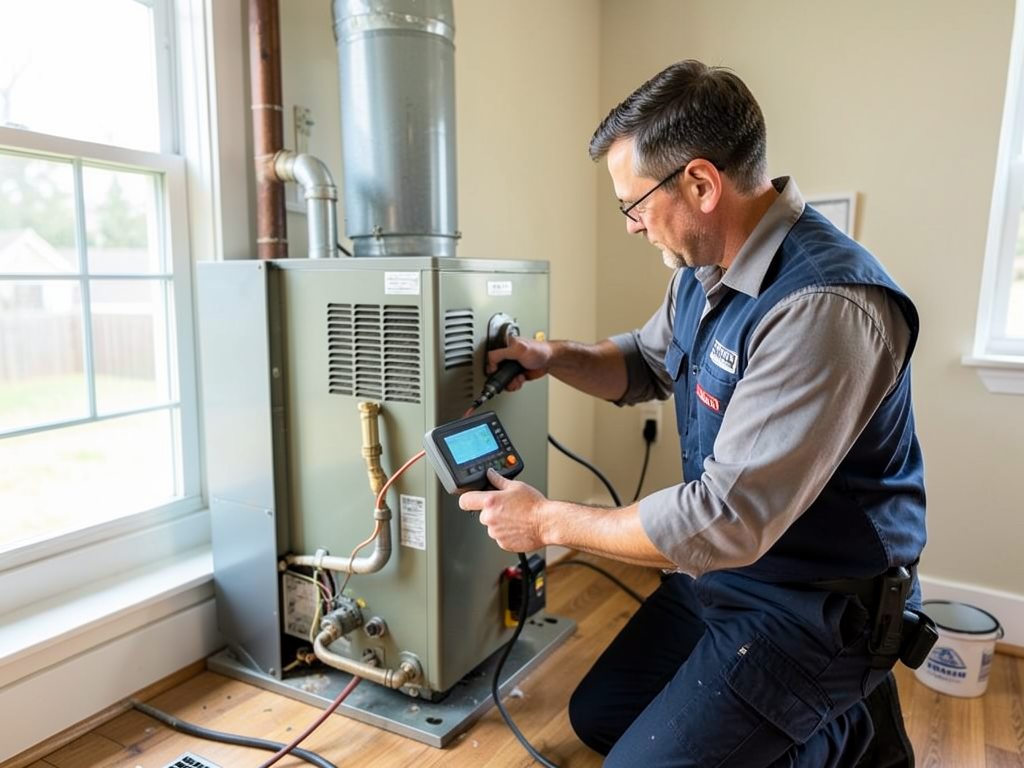
During a typical Buffalo tune-up, the technician checks your furnace’s heat exchanger for cracks, tests the igniter, cleans the burners, and verifies carbon monoxide levels. For air conditioning, they check refrigerant pressure, clean the condenser coils, and test the capacitor. These are the same checks included in maintenance plans, but they happen only when you remember to schedule them.. Read more about How to Clean Up Your Buffalo Home Air After a Major Kitchen or Bathroom Renovation.
The biggest advantage of one-time service is flexibility. You pay only when you need something done. This works well for renters, people planning to sell their home soon, or those on tight budgets who can handle occasional emergency repairs.
The downside becomes obvious during Buffalo’s peak seasons. When temperatures hit zero degrees or climb above ninety, HVAC companies get flooded with emergency calls. Without a maintenance plan, you become a low-priority customer. Wait times stretch from hours to days, and emergency fees of $150 to $300 get added to your bill.
Common one-time service scenarios include a furnace that won’t start on a cold morning, an AC unit that blows warm air during a heatwave, or a strange noise that appears suddenly. Each requires a diagnostic fee, then additional charges for parts and labor. The total cost often surprises homeowners who thought they were saving money by avoiding monthly payments.. Read more about The Homeowners Guide to Buying a New HVAC System for a Rental Property in University Heights.
Monthly Maintenance Plans: More Than Just a Tune-Up
Monthly maintenance plans create a relationship between you and your HVAC company. You become a priority customer with guaranteed service within twenty-four hours, even during the busiest times of year.
Beyond the two annual tune-ups, maintenance plan members receive priority scheduling during emergencies. When Buffalo experiences a polar vortex or a heat dome, plan members jump to the front of the line while non-members wait. This priority status can mean the difference between a comfortable night’s sleep and shivering in a cold house.
Most plans include discounts of 10 to 15 percent on all repairs and replacements. If your furnace needs a new blower motor that costs $400, the plan discount saves you $40 to $60. Over several years, these savings add up quickly.
Many plans also include free diagnostic fees. Instead of paying $89 to $129 just to have a technician look at your system, plan members get this service included. This alone can save hundreds of dollars if you need multiple service calls per year.
Some plans offer additional benefits like free filter replacements, indoor air quality assessments, or even coverage for minor repairs under a certain dollar amount. The best plans also include transferable coverage if you sell your home, which becomes a selling point for potential buyers.
The peace of mind factor cannot be overstated. Knowing that a professional will inspect your system twice per year means catching small problems before they become expensive emergencies. A loose wire or dirty flame sensor costs $50 to fix during a tune-up but $300 to $500 during an emergency midnight service call.
Cost-Benefit Analysis: The Five-Year Outlook
Let me break down the actual numbers for a typical Buffalo home over five years. This analysis assumes a gas furnace and central air conditioning system in a 2,000-square-foot home.
Maintenance Plan Customer:
- Monthly fee: $20 x 60 months = $1,200
- Two annual tune-ups: Included
- Priority service: Included
- Repair discounts: 15 percent
- Total five-year cost: $1,200
Pay-as-You-Go Customer:
- Annual tune-up: $175 x 5 = $875
- Average one emergency repair per year: $350 x 5 = $1,750
- Emergency diagnostic fees: $100 x 5 = $500
- Total five-year cost: $3,125
The maintenance plan customer saves $1,925 over five years while receiving priority service and avoiding emergency fees. Even if you only need one emergency repair during that period, the plan still saves money.
Energy efficiency adds another layer of savings. A clean, well-maintained system operates 10 to 15 percent more efficiently than a neglected one. For a typical Buffalo home spending $1,500 per year on heating and cooling, that efficiency gain saves $150 to $225 annually. Over five years, that is another $750 to $1,125 in utility savings.
Equipment lifespan matters too. A furnace that would last fifteen years without maintenance might last twenty years with regular care. That extra five years delays a $4,000 to $6,000 replacement, providing enormous long-term savings.
Buffalo Climate Considerations
Buffalo’s unique climate creates specific challenges for HVAC systems that homeowners in other regions never face. Our lake-effect snow can dump several feet in twenty-four hours, putting enormous stress on heating systems that must work harder to maintain comfortable temperatures.
The freeze-thaw cycles common in Western New York cause metal components to expand and contract repeatedly. This movement can crack heat exchangers, loosen electrical connections, and cause refrigerant leaks. Systems in Buffalo typically need more frequent maintenance than those in milder climates.
High humidity during summer months creates condensation problems that can corrode electrical components and promote mold growth in ductwork. Air conditioning systems in Buffalo often work harder than those in desert climates because they must remove both heat and moisture from the air.
Wind patterns near Lake Erie can cause outdoor units to work less efficiently. Debris, salt spray, and extreme wind loads can damage condenser coils and fan motors. Regular cleaning and inspection become essential for maintaining efficiency. Outdoor Unit Not Spinning.
The rapid temperature swings we experience in spring and fall also stress HVAC systems. A system might run for heating in the morning and cooling in the afternoon, causing more wear than systems in regions with stable temperatures experience.
Manufacturer Warranty Compliance
Most HVAC manufacturers require annual professional maintenance to keep warranties valid. Without proof of regular service, they can deny warranty claims for major components like compressors or heat exchangers.
Maintenance plans provide documentation of these required services. Each visit includes a detailed report showing what was checked, what was cleaned, and what recommendations were made. This documentation becomes crucial if you need to file a warranty claim.
Some manufacturers now require specific tests and measurements during maintenance visits. For example, they might require checking superheat and subcooling on air conditioning systems or measuring carbon monoxide levels on furnaces. One-time service calls may not include these detailed diagnostics.
Warranty periods continue to extend, with some manufacturers now offering ten-year parts warranties on major components. Protecting this investment through regular maintenance becomes even more important as warranty periods grow longer.
Carbon Monoxide Safety
Every gas furnace produces carbon monoxide as a byproduct of combustion. In a properly functioning system, this gas vents safely outside. However, cracked heat exchangers, blocked vents, or improper combustion can allow carbon monoxide to enter your home.
Regular maintenance includes testing for carbon monoxide leaks and checking the integrity of the heat exchanger. This testing requires specialized equipment and expertise that one-time service calls may not provide.
Buffalo homes, many of which were built before modern building codes, sometimes have unique venting challenges. Older chimneys may not draft properly, or insulation upgrades may have created negative pressure that affects furnace venting. Professional maintenance identifies these issues before they become dangerous.
Carbon monoxide detectors provide an important safety backup, but they only alert you after dangerous levels exist. Professional testing prevents these dangerous conditions from developing in the first place.
Indoor Air Quality Benefits
Buffalo’s humid summers and tightly sealed winter homes create indoor air quality challenges that affect health and comfort. Maintenance plans typically include air filter replacement and cleaning of components that affect air quality.
Dirty air filters force HVAC systems to work harder, reducing efficiency and increasing energy costs. They also allow dust, pollen, and other particles to circulate through your home. Regular filter changes improve both system performance and indoor air quality.
Cleaning of evaporator coils, blower wheels, and ductwork during maintenance visits removes accumulated dust and debris. This cleaning prevents mold growth and reduces the circulation of allergens through your home.
Some maintenance plans include indoor air quality assessments that check humidity levels, test for volatile organic compounds, and recommend improvements like whole-house air purifiers or humidifiers.
Emergency Response Times
When your furnace fails at 2 AM during a January cold snap, response time becomes critical. Every hour without heat risks frozen pipes, water damage, and dangerous living conditions.
Maintenance plan members receive priority dispatch for emergency calls. While non-members might wait twelve to twenty-four hours for service during peak times, plan members typically receive service within four to six hours, often faster.
Emergency fees add significant costs to after-hours service calls. Plan members often have these fees waived or reduced, saving $150 to $300 per emergency.
The stress reduction of knowing you will receive prompt service cannot be measured in dollars. For many families, this peace of mind justifies the monthly maintenance fee alone.
Resale Value Considerations
If you plan to sell your home within the next five years, a transferable maintenance plan can increase your home’s appeal to buyers. It demonstrates that the HVAC system has been well-maintained and provides documentation of regular service.
Buyers often worry about the age and condition of major systems like HVAC. A transferable maintenance plan with documentation showing regular service can alleviate these concerns and potentially increase your home’s value.
Some real estate agents now recommend that sellers provide documentation of HVAC maintenance when listing homes. This documentation can help justify your asking price and reduce buyer concerns during inspections.
Verdict: Which Should You Choose?
Choose a monthly maintenance plan if you value reliability, want to avoid emergency repair costs, and plan to stay in your home for more than three years. The plan makes sense for families with children, elderly residents, or anyone who cannot afford to be without heat or cooling for extended periods.
Choose one-time service if you are on a very tight budget, rent your home, plan to sell within a year, or are comfortable handling occasional emergency repairs. This option works well for single professionals, seasonal residents, or those with backup heating options like wood stoves.
Consider a hybrid approach if you are unsure. Start with one-time service and add a maintenance plan if you experience multiple emergency repairs in a single year. Many companies allow you to apply previous service charges toward a maintenance plan if you decide to join later.
The most important factor is not the monthly fee but the reliability and safety of your home’s heating and cooling system. In Buffalo’s extreme climate, this reliability often proves worth far more than the cost difference between the two options.
Call (716) 317-7757 today to schedule your inspection and learn more about our maintenance plans. Our technicians can assess your current system and help you choose the option that best fits your needs and budget. Don’t wait until the next cold snap or heatwave to make this important decision.
Frequently Asked Questions
How much does a typical HVAC maintenance plan cost in Buffalo?
Most HVAC maintenance plans in Buffalo cost between $15 and $30 per month, which includes two annual tune-ups, priority scheduling, and discounts on repairs. Some plans offer additional benefits like free diagnostics or air filter replacements.
What exactly happens during a maintenance visit?
During a maintenance visit, technicians clean and inspect all major components, check electrical connections, test safety controls, measure operating pressures, and identify potential problems before they cause system failures. For furnaces, this includes checking the heat exchanger and testing for carbon monoxide leaks.
Can I cancel my maintenance plan anytime?
Most HVAC companies allow you to cancel maintenance plans with thirty days’ notice. However, some require a one-year commitment or charge cancellation fees if you cancel early. Always read the contract terms before signing up.
Do I still need maintenance if my system is new?
Yes, new systems still require regular maintenance to keep warranties valid and ensure optimal performance. Most manufacturers require annual professional maintenance, and neglecting this can void your warranty even on brand-new equipment.
How often should I change my air filter?
Change standard one-inch air filters every one to three months depending on factors like pet ownership, allergies, and local air quality. Some maintenance plans include free filter replacements as part of the service. For more information, visit NATE Certification.
{
“@context”: “https://schema.org”,
“@type”: “BlogPosting”,
“headline”: “Is it Better to Pay for a Monthly HVAC Maintenance Plan or Just Call When Something Breaks?”,
“description”: “Compare the costs and benefits of HVAC maintenance plans versus one-time service calls in Buffalo’s harsh climate. Learn which option saves money and prevents emergencies.”,
“wordCount”: 2309,
“datePublished”: “2026-06-11T08:38:00.000Z”,
“dateModified”: “2026-06-11T08:38:00.000Z”,
“inLanguage”: “en-US”,
“mainEntityOfPage”: {
“@type”: “WebPage”,
“@id”: “https://unitedhvacbuffalo.com”
},
“publisher”: {
“@type”: “LocalBusiness”,
“name”: “United HVAC Buffalo”,
“url”: “https://unitedhvacbuffalo.com”
},
“author”: {
“@type”: “Organization”,
“name”: “United HVAC Buffalo”,
“url”: “https://unitedhvacbuffalo.com”
},
“image”: {
“@type”: “ImageObject”,
“url”: “https://unitedhvacbuffalo.com/wp-content/uploads/2026/03/is-it-better-to-pay-for-a-monthly-hvac-maintenance-1.png”
}
}
{
“@context”: “https://schema.org”,
“@type”: “HVACBusiness”,
“name”: “United HVAC Buffalo”,
“url”: “https://unitedhvacbuffalo.com”,
“address”: {
“@type”: “PostalAddress”,
“addressLocality”: “Buffalo”
},
“areaServed”: {
“@type”: “City”,
“name”: “Buffalo”
}
}
{
“@context”: “https://schema.org”,
“@type”: “FAQPage”,
“mainEntity”: [
{
“@type”: “Question”,
“name”: “Verdict: Which Should You Choose?”,
“acceptedAnswer”: {
“@type”: “Answer”,
“text”: “Choose a monthly maintenance plan if you value reliability, want to avoid emergency repair costs, and plan to stay in your home for more than three years. The plan makes sense for families with children, elderly residents, or anyone who cannot afford to be without heat or cooling for extended periods.”
}
},
{
“@type”: “Question”,
“name”: “How much does a typical HVAC maintenance plan cost in Buffalo?”,
“acceptedAnswer”: {
“@type”: “Answer”,
“text”: “Most HVAC maintenance plans in Buffalo cost between $15 and $30 per month, which includes two annual tune-ups, priority scheduling, and discounts on repairs. Some plans offer additional benefits like free diagnostics or air filter replacements.”
}
},
{
“@type”: “Question”,
“name”: “What exactly happens during a maintenance visit?”,
“acceptedAnswer”: {
“@type”: “Answer”,
“text”: “During a maintenance visit, technicians clean and inspect all major components, check electrical connections, test safety controls, measure operating pressures, and identify potential problems before they cause system failures. For furnaces, this includes checking the heat exchanger and testing for carbon monoxide leaks.”
}
},
{
“@type”: “Question”,
“name”: “Can I cancel my maintenance plan anytime?”,
“acceptedAnswer”: {
“@type”: “Answer”,
“text”: “Most HVAC companies allow you to cancel maintenance plans with thirty days’ notice. However, some require a one-year commitment or charge cancellation fees if you cancel early. Always read the contract terms before signing up.”
}
},
{
“@type”: “Question”,
“name”: “Do I still need maintenance if my system is new?”,
“acceptedAnswer”: {
“@type”: “Answer”,
“text”: “Yes, new systems still require regular maintenance to keep warranties valid and ensure optimal performance. Most manufacturers require annual professional maintenance, and neglecting this can void your warranty even on brand-new equipment.”
}
},
{
“@type”: “Question”,
“name”: “How often should I change my air filter?”,
“acceptedAnswer”: {
“@type”: “Answer”,
“text”: “Change standard one-inch air filters every one to three months depending on factors like pet ownership, allergies, and local air quality. Some maintenance plans include free filter replacements as part of the service. For more information, visit NATE Certification.”
}
}
]
}
{
“@context”: “https://schema.org”,
“@type”: “BreadcrumbList”,
“itemListElement”: [
{
“@type”: “ListItem”,
“position”: 1,
“name”: “Home”,
“item”: “https://unitedhvacbuffalo.com”
},
{
“@type”: “ListItem”,
“position”: 2,
“name”: “Blog”,
“item”: “https://unitedhvacbuffalo.com/blog”
},
{
“@type”: “ListItem”,
“position”: 3,
“name”: “Is it Better to Pay for a Monthly HVAC Maintenance Plan or Just Call When Something Breaks?”
}
]
}
{
“@context”: “https://schema.org”,
“@type”: “Service”,
“serviceType”: “HVAC”,
“provider”: {
“@type”: “LocalBusiness”,
“name”: “United HVAC Buffalo”,
“url”: “https://unitedhvacbuffalo.com”
},
“areaServed”: {
“@type”: “City”,
“name”: “Buffalo”
},
“description”: “Compare the costs and benefits of HVAC maintenance plans versus one-time service calls in Buffalo’s harsh climate. Learn which option saves money and prevents emergencies.”
}