
Keeping Your Furnace Running During a Buffalo Power Outage with a Backup Generator
When Buffalo’s lake-effect snow slams into town and the power goes out, your furnace becomes nothing more than a metal box. The temperature drops fast and pipes can freeze in hours. A properly sized backup generator keeps your heating system running automatically so your home stays warm and safe during even the worst Western New York winter storms. Emergency Furnace Repair in Amherst When Your Heat Goes Out at Night.
Most Buffalo homeowners don’t realize that a standard furnace needs electricity to operate even though it burns natural gas. The control board, draft inducer motor, and circulation fan all require power. Without it your home can drop below freezing within 4-6 hours on a typical January night. HVAC Buffalo.
How Backup Generators Work with Your Furnace
A standby generator connects to your home’s electrical system through an automatic transfer switch. When National Grid or NYSEG loses power the transfer switch senses the outage and starts the generator within 10-30 seconds. Power flows to your furnace and other essential circuits automatically. National Fire Protection Association codes.
Portable generators can also run furnaces but require manual setup. You need to run extension cords or have a manual transfer switch installed. This works in emergencies but takes time and exposes you to carbon monoxide risks if not done correctly.
Choosing the Right Generator Size for Buffalo Homes
Most forced-air gas furnaces need 600-800 watts to start and 300-400 watts to run continuously. Add a few lighting circuits and your refrigerator and you’re looking at 3,000-5,000 watts total. Here’s what different sizes can handle:
| Generator Size | Typical Load Capacity | What It Powers |
|---|---|---|
| 7-10 kW | Basic essentials | Furnace, refrigerator, lights, sump pump |
| 12-16 kW | Medium home | Two furnaces, water heater, kitchen appliances |
| 20-26 kW | Large home | All essential circuits plus AC units |
Buffalo’s older homes in areas like Allentown and Elmwood Village often have smaller electrical panels that limit generator sizing. Newer builds in Orchard Park and Williamsville typically have 200-amp service that can handle larger units. Orchard Park Homeowners’ Guide to Replacing an Aging Heat Pump.
Natural Gas vs. Propane vs. Diesel
Natural gas generators connect to your existing utility line. They run indefinitely as long as the gas supply remains intact. During major storms National Grid sometimes shuts off gas service as a precaution which makes propane tanks more reliable for true emergency power. National Grid safety guidelines.
Propane stores indefinitely and burns cleaner than diesel. A 500-gallon tank runs a 20 kW generator for about 6-8 days at half load. Diesel generators produce more power per gallon but require fuel stabilizers and have shorter shelf life for stored fuel.
Installation Requirements in Erie County
Buffalo and Erie County require electrical permits for generator installations. The work must comply with the National Electrical Code and local building codes. Transfer switches need to be installed by licensed electricians. Gas line connections require a licensed plumber. Ductless AC Installation for Historical Homes in North Buffalo.
Local noise ordinances limit generator operation to 60 decibels at the property line during daytime hours. Most modern units operate at 65-70 decibels at 23 feet which meets these requirements when properly positioned.
Cost Factors for Buffalo Homeowners
Installation costs vary based on home size, fuel type, and electrical complexity. A basic 10 kW natural gas system starts around $4,500 installed. Larger whole-house systems with automatic transfer switches run $8,000-$15,000.
Older Buffalo homes may need electrical panel upgrades or gas line modifications which add $1,000-$3,000 to the project. Homes in historic districts might require additional approvals from the Buffalo Preservation Board.
Maintenance Requirements
Standby generators need annual maintenance including oil changes, air filter replacement, and battery testing. Buffalo’s cold winters can drain batteries faster than expected. Most manufacturers recommend cold weather kits that include battery warmers and engine block heaters.
Testing your system monthly ensures it will start when needed. Most units run a 10-minute self-test cycle automatically. During this test you should hear the engine start and see the transfer switch click over.
Common Problems We See in Buffalo
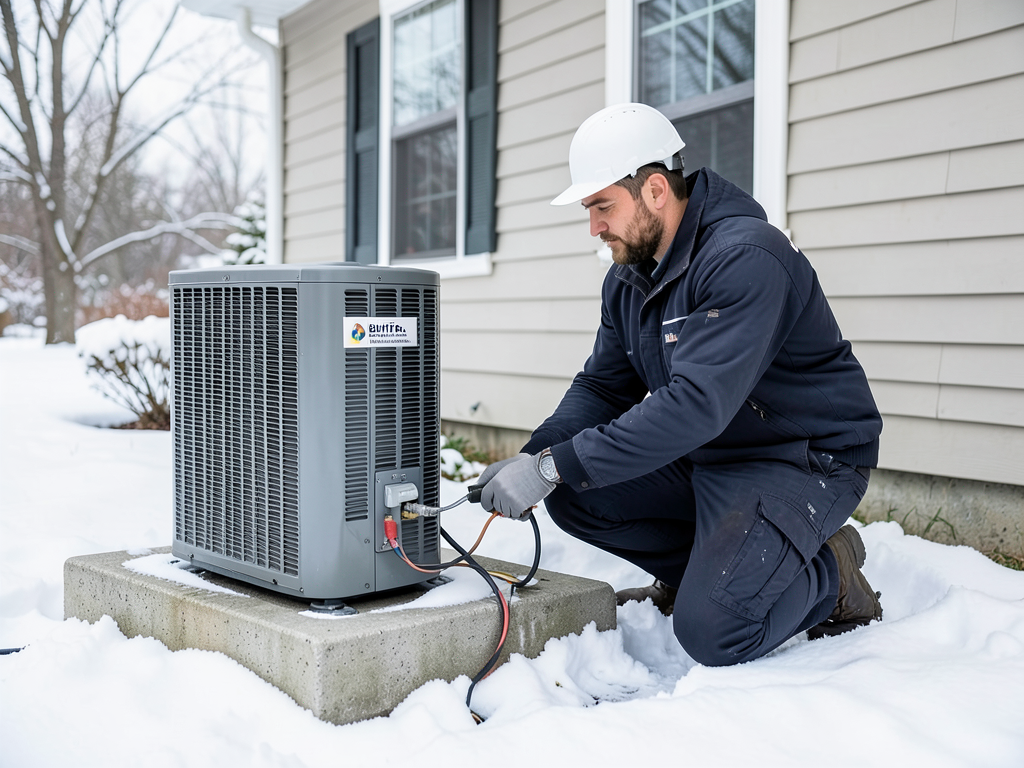
Ice storms often cause more generator failures than the power outages themselves. Snow accumulation around the unit can block exhaust and intake vents. We recommend installing units on raised concrete pads with proper drainage to prevent ice buildup.
Rodents sometimes nest in unused generators during summer months. They chew through wiring and build nests that cause failures when the unit tries to start in January. Regular inspections catch these problems before winter hits.
Why Choose a Professional Installer
Improper installation creates serious safety hazards. Backfeeding electricity into the grid can electrocute utility workers. Incorrect gas line sizing can cause fires or explosions. Professional installers know local codes and have the proper tools to test for gas leaks and proper grounding.
We handle all permit applications and coordinate inspections with the city. Our technicians are factory trained on major brands like Generac and Kohler. We also provide 24/7 emergency service if your system fails during a storm.
Don’t Wait Until the Next Storm
Winter is coming and Buffalo’s power grid struggles during heavy snow events. National Grid’s infrastructure in Erie County includes many overhead lines that fail under ice load. A backup generator installation takes 2-4 weeks from initial consultation to final inspection.
Call (716) 317-7757 today to schedule your free site assessment. We’ll evaluate your home’s electrical system, recommend the right size generator, and provide a detailed quote with no pressure. Don’t get caught in the cold this winter. Choosing the Right HVAC Contractor for Your West Seneca Home Renovation.
Frequently Asked Questions
How long does it take to install a backup generator?
Most installations take 1-2 days for the physical work plus 2-4 weeks for permits and inspections. Weather can affect the timeline especially during busy fall season when everyone prepares for winter.
Can I install a generator myself?
DIY installation is dangerous and violates electrical and gas codes. Improper connections can cause fires, explosions, or backfeeding that kills utility workers. Professional installation includes proper permits and inspections.
What size generator do I need for my furnace?
A standard 80,000 BTU furnace needs 600-800 watts to start and 300-400 watts to run. Add 2,000-3,000 watts for other essentials like refrigerator and lights. Most Buffalo homes need 7-10 kW minimum.
How much does a backup generator cost in Buffalo?
Basic 10 kW natural gas systems start at $4,500 installed. Whole-house systems range from $8,000-$15,000 depending on size and electrical complexity. Older homes may need additional electrical upgrades.
Will my generator work during a blizzard?
Yes if properly installed on a raised pad with clear exhaust and intake vents. Ice and snow can block ventilation causing shutdowns. Professional installation includes proper placement and clearance requirements.
How often should I test my generator?
Test monthly using the automatic test cycle most units provide. Annual professional maintenance includes oil changes, filter replacements, and battery testing. Buffalo’s cold winters drain batteries faster than expected.
What fuel type is best for Buffalo winters?
Natural gas works if the utility line stays pressurized. Propane provides true independence since you control the fuel supply. Diesel produces more power but requires fuel stabilizers and has shorter shelf life for stored fuel.
Do I need permits for generator installation?
Yes. Erie County requires electrical permits and inspections. Gas line work needs plumbing permits. Professional installers handle all permit applications and coordinate required inspections with local authorities.
Can a generator power my air conditioner too?
Most air conditioners need 3,000-5,000 watts to start. A 20 kW system can handle essential loads plus a small AC unit. Larger homes need 26+ kW to run central air along with other circuits.
What happens if I don’t maintain my generator?
Neglected generators fail when needed most. Batteries die, fuel lines clog, and rodents damage wiring. Annual maintenance prevents 90% of failures and includes testing to catch problems before winter storms hit.
Ready to Stay Warm This Winter
Buffalo winters are unpredictable and power outages can last for days. A properly sized backup generator provides automatic protection for your home and family. Don’t wait until the next storm warning to think about emergency power.
Call (716) 317-7757 today to schedule your free site assessment. Our experts will evaluate your home’s specific needs and recommend the right solution. We handle everything from permits to final inspection so you can focus on staying warm and safe this winter.
Pick up the phone and call (716) 317-7757 before the next storm hits. Your family’s comfort and safety shouldn’t depend on National Grid’s reliability during a lake-effect blizzard.
{
“@context”: “https://schema.org”,
“@type”: “BlogPosting”,
“headline”: “Keeping Your Furnace Running During a Buffalo Power Outage with a Backup Generator”,
“description”: “Don’t let Buffalo’s winter storms leave you in the cold. Learn how a backup generator keeps your furnace running when the power goes out. Call (716) 317-7757 for expert installation.”,
“wordCount”: 1440,
“datePublished”: “2026-03-26T16:25:00.000Z”,
“dateModified”: “2026-03-26T16:25:00.000Z”,
“inLanguage”: “en-US”,
“mainEntityOfPage”: {
“@type”: “WebPage”,
“@id”: “https://unitedhvacbuffalo.com”
},
“publisher”: {
“@type”: “LocalBusiness”,
“name”: “United HVAC Buffalo”,
“url”: “https://unitedhvacbuffalo.com”
},
“author”: {
“@type”: “Organization”,
“name”: “United HVAC Buffalo”,
“url”: “https://unitedhvacbuffalo.com”
},
“image”: {
“@type”: “ImageObject”,
“url”: “https://unitedhvacbuffalo.com/wp-content/uploads/2026/03/keeping-your-furnace-running-during-a-buffalo-powe-1.png”
}
}
{
“@context”: “https://schema.org”,
“@type”: “HVACBusiness”,
“name”: “United HVAC Buffalo”,
“url”: “https://unitedhvacbuffalo.com”,
“address”: {
“@type”: “PostalAddress”,
“addressLocality”: “Buffalo”
},
“areaServed”: {
“@type”: “City”,
“name”: “Buffalo”
}
}
{
“@context”: “https://schema.org”,
“@type”: “FAQPage”,
“mainEntity”: [
{
“@type”: “Question”,
“name”: “How long does it take to install a backup generator?”,
“acceptedAnswer”: {
“@type”: “Answer”,
“text”: “Most installations take 1-2 days for the physical work plus 2-4 weeks for permits and inspections. Weather can affect the timeline especially during busy fall season when everyone prepares for winter.”
}
},
{
“@type”: “Question”,
“name”: “Can I install a generator myself?”,
“acceptedAnswer”: {
“@type”: “Answer”,
“text”: “DIY installation is dangerous and violates electrical and gas codes. Improper connections can cause fires, explosions, or backfeeding that kills utility workers. Professional installation includes proper permits and inspections.”
}
},
{
“@type”: “Question”,
“name”: “What size generator do I need for my furnace?”,
“acceptedAnswer”: {
“@type”: “Answer”,
“text”: “A standard 80,000 BTU furnace needs 600-800 watts to start and 300-400 watts to run. Add 2,000-3,000 watts for other essentials like refrigerator and lights. Most Buffalo homes need 7-10 kW minimum.”
}
},
{
“@type”: “Question”,
“name”: “How much does a backup generator cost in Buffalo?”,
“acceptedAnswer”: {
“@type”: “Answer”,
“text”: “Basic 10 kW natural gas systems start at $4,500 installed. Whole-house systems range from $8,000-$15,000 depending on size and electrical complexity. Older homes may need additional electrical upgrades.”
}
},
{
“@type”: “Question”,
“name”: “Will my generator work during a blizzard?”,
“acceptedAnswer”: {
“@type”: “Answer”,
“text”: “Yes if properly installed on a raised pad with clear exhaust and intake vents. Ice and snow can block ventilation causing shutdowns. Professional installation includes proper placement and clearance requirements.”
}
},
{
“@type”: “Question”,
“name”: “How often should I test my generator?”,
“acceptedAnswer”: {
“@type”: “Answer”,
“text”: “Test monthly using the automatic test cycle most units provide. Annual professional maintenance includes oil changes, filter replacements, and battery testing. Buffalo’s cold winters drain batteries faster than expected.”
}
},
{
“@type”: “Question”,
“name”: “What fuel type is best for Buffalo winters?”,
“acceptedAnswer”: {
“@type”: “Answer”,
“text”: “Natural gas works if the utility line stays pressurized. Propane provides true independence since you control the fuel supply. Diesel produces more power but requires fuel stabilizers and has shorter shelf life for stored fuel.”
}
},
{
“@type”: “Question”,
“name”: “Do I need permits for generator installation?”,
“acceptedAnswer”: {
“@type”: “Answer”,
“text”: “Yes. Erie County requires electrical permits and inspections. Gas line work needs plumbing permits. Professional installers handle all permit applications and coordinate required inspections with local authorities.”
}
},
{
“@type”: “Question”,
“name”: “Can a generator power my air conditioner too?”,
“acceptedAnswer”: {
“@type”: “Answer”,
“text”: “Most air conditioners need 3,000-5,000 watts to start. A 20 kW system can handle essential loads plus a small AC unit. Larger homes need 26+ kW to run central air along with other circuits.”
}
},
{
“@type”: “Question”,
“name”: “What happens if I don’t maintain my generator?”,
“acceptedAnswer”: {
“@type”: “Answer”,
“text”: “Neglected generators fail when needed most. Batteries die, fuel lines clog, and rodents damage wiring. Annual maintenance prevents 90% of failures and includes testing to catch problems before winter storms hit.”
}
}
]
}
{
“@context”: “https://schema.org”,
“@type”: “BreadcrumbList”,
“itemListElement”: [
{
“@type”: “ListItem”,
“position”: 1,
“name”: “Home”,
“item”: “https://unitedhvacbuffalo.com”
},
{
“@type”: “ListItem”,
“position”: 2,
“name”: “Blog”,
“item”: “https://unitedhvacbuffalo.com/blog”
},
{
“@type”: “ListItem”,
“position”: 3,
“name”: “Keeping Your Furnace Running During a Buffalo Power Outage with a Backup Generator”
}
]
}
{
“@context”: “https://schema.org”,
“@type”: “Service”,
“serviceType”: “HVAC”,
“provider”: {
“@type”: “LocalBusiness”,
“name”: “United HVAC Buffalo”,
“url”: “https://unitedhvacbuffalo.com”
},
“areaServed”: {
“@type”: “City”,
“name”: “Buffalo”
},
“description”: “Don’t let Buffalo’s winter storms leave you in the cold. Learn how a backup generator keeps your furnace running when the power goes out. Call (716) 317-7757 for expert installation.”
}