
Managing Excessive Dust in Your South Buffalo Home During High Wind Events
South Buffalo homes face unique dust challenges when lake-effect winds sweep across Lake Erie, carrying fine particulates through aging window seals and drafty Victorian-era construction. The combination of historic housing stock, proximity to industrial areas along South Park Avenue, and seasonal wind patterns creates conditions where dust accumulates faster than typical suburban homes. Understanding these local factors helps you implement targeted solutions that actually work in your neighborhood’s specific environment. HVAC Buffalo.
Why South Buffalo Homes Experience Intense Dust Accumulation
The region’s geography creates a perfect storm for indoor dust problems. Lake-effect winds funnel through the Buffalo River valley, accelerating as they reach the South Buffalo plateau where homes sit at higher elevations than downtown. These winds carry fine silt from exposed construction sites, road salt residue from winter treatments, and agricultural dust from farms south of the city. Your 1920s bungalow with original single-pane windows and minimal insulation acts like a sieve, allowing these particles to infiltrate through gaps around window frames, under doors, and through uninsulated wall cavities.. Read more about How to Clean Up Your Buffalo Home Air After a Major Kitchen or Bathroom Renovation.
Local building practices from the early 20th century compound the problem. Many South Buffalo homes were built with balloon-frame construction that creates continuous air channels from basement to attic. When strong winds hit, these pathways draw dust-laden air upward through wall cavities. The area’s industrial heritage also plays a role – former manufacturing sites along South Park Avenue and the Buffalo River continue to release fine particulates that settle on nearby properties and get stirred up during wind events.
Common Dust Sources Specific to South Buffalo Properties
Beyond the obvious outdoor sources, several South Buffalo-specific factors contribute to indoor dust. Many homes sit on clay-heavy soil that becomes powdery when dry and gets tracked inside on shoes. The neighborhood’s mature tree canopy, while beautiful, drops fine pollen and organic debris that decomposes into dust. Older homes often have lead-based paint that deteriorates into fine particles, particularly in window sills where friction occurs during opening and closing. Outdoor Unit Not Spinning.
Local wildlife adds another layer to the dust problem. South Buffalo’s proximity to the Buffalo River and Tifft Nature Preserve means homes frequently deal with rodent activity in basements and crawl spaces. These animals track in soil, leave droppings that break down into dust, and create entry points for outdoor particulates. The area’s pigeon population also contributes – their nesting materials and droppings accumulate on window ledges and get drawn inside through attic vents during wind events.
Diagnostic Testing: Identifying Your Home’s Dust Entry Points
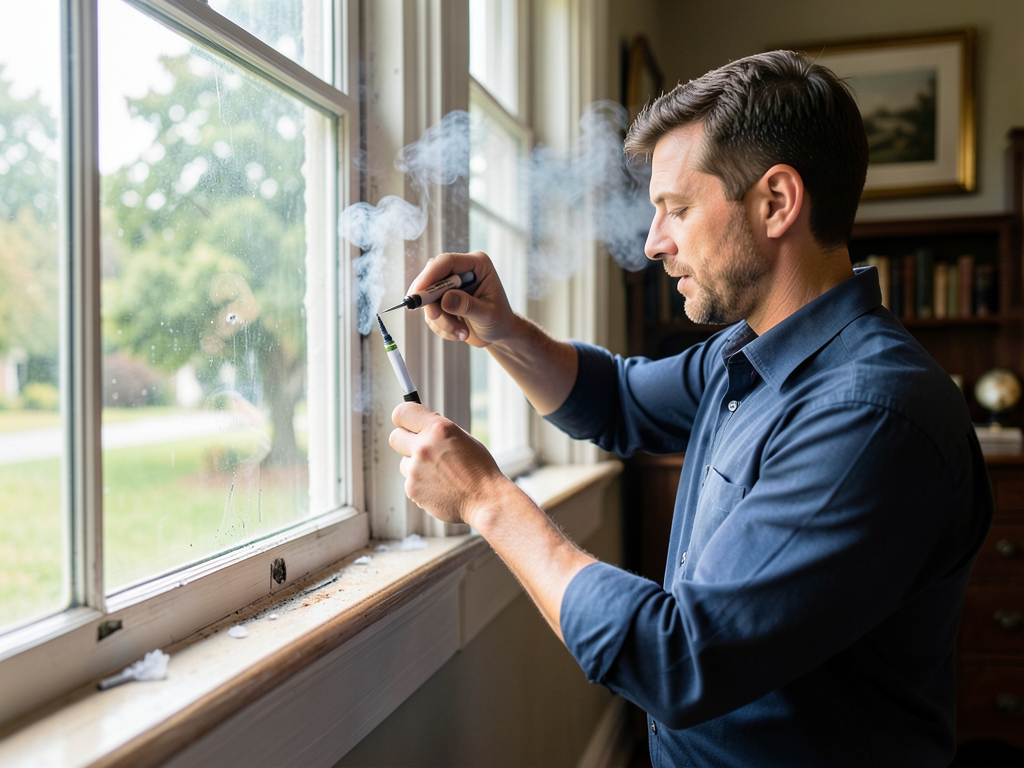
Professional dust assessment starts with a visual inspection using a flashlight during daylight hours. Technicians look for dust trails along baseboards, around electrical outlets, and near window frames – these patterns reveal air movement paths. A smoke pencil test helps identify drafts by showing air currents around windows, doors, and electrical penetrations. This diagnostic approach reveals whether your dust problem stems from infiltration through the building envelope or from internal sources like ductwork leaks.
Particle counting equipment provides quantitative data about dust levels in different rooms. Readings taken near windows typically show spikes during wind events, while basement measurements often reveal elevated levels due to soil gas infiltration through foundation cracks. Professional testing also checks for specific particle types – silica dust from road grit, organic matter from pollen, or mineral fibers from deteriorating insulation. This analysis helps target remediation efforts to your home’s specific dust composition.
Immediate Actions to Reduce Wind-Driven Dust Infiltration
Start with weatherstripping around all windows and doors using high-quality materials rated for Buffalo’s temperature swings. Focus on the sides and top of window sashes where air most commonly infiltrates. Install door sweeps on exterior doors, ensuring they make firm contact with thresholds. These simple fixes can reduce dust infiltration by 30-50% during wind events.
Next, address the largest openings in your home’s envelope. Attic access panels often lack proper sealing – install weatherstripped covers or use spray foam to seal gaps. Electrical outlets on exterior walls can be sealed with foam gaskets behind cover plates. Basement rim joists, where the foundation meets the wood framing, are notorious air leakage points – seal these with spray foam or rigid insulation. These targeted interventions address the pathways that allow wind-driven dust to enter your living spaces.
HVAC System Modifications for Better Dust Control
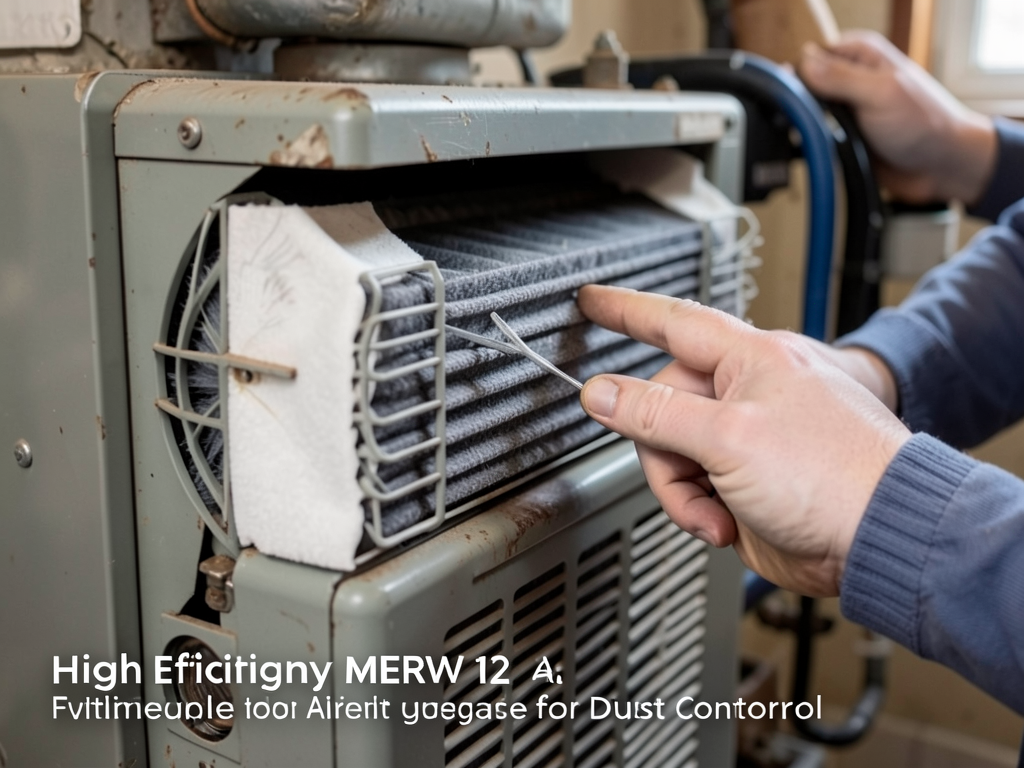
Your furnace and air conditioning system plays a crucial role in managing indoor dust levels. Standard one-inch filters capture only the largest particles, allowing fine dust to circulate continuously. Upgrading to a MERV 11 or MERV 13 filter significantly improves particle capture, though you must verify your system can handle the increased airflow resistance. Some older South Buffalo furnaces require modifications to accommodate higher-efficiency filters without reducing heating capacity. Emergency Furnace Repair in Amherst When Your Heat Goes Out at Night.
Consider installing a whole-house air purifier that works with your existing HVAC system. These units use HEPA-grade filtration or electrostatic precipitation to capture particles as small as 0.3 microns – well below what standard filters can trap. During high wind events, running your system continuously with a high-quality filter creates positive pressure that helps keep outdoor dust from infiltrating through small gaps. UV germicidal lights installed in ductwork also help by neutralizing mold spores and bacteria that contribute to dust accumulation. EPA Indoor Air Quality.
Window and Door Solutions for Older South Buffalo Homes
Many South Buffalo homes retain their original wood windows, which despite their charm, create significant dust infiltration points. Consider interior storm windows that install on the room side of existing windows. These provide an additional air barrier without altering your home’s historic character. Magnetic or compression-fit designs allow seasonal removal for cleaning while providing substantial dust reduction during wind season.
For doors, modern weatherstripping technology offers solutions that maintain historic appearances. Bronze or brass sweeps with rubber inserts provide durability while matching vintage hardware finishes. Thresholds with adjustable height accommodate uneven floors common in older homes. These upgrades preserve architectural integrity while dramatically reducing dust entry through these major infiltration points.
Professional Duct Sealing and Its Impact on Indoor Air Quality
Leaky ductwork in South Buffalo homes often contributes more to dust problems than infiltration through the building envelope. Supply ducts that leak into unconditioned spaces create negative pressure that draws dust-laden air from attics, crawl spaces, and wall cavities into your living areas. Professional duct sealing using aerosol-based methods can seal leaks throughout the entire duct system, often reducing dust levels by 40-60%.
The process involves pressurizing the duct system and introducing a polymer mist that collects at leak sites, forming airtight seals. This technology works particularly well in older homes where traditional sealing methods are impractical due to duct accessibility issues. After sealing, technicians verify results using duct leakage testing, ensuring your system no longer pulls dust from hidden spaces throughout your home.
Seasonal Maintenance Schedule for South Buffalo Homes
Develop a year-round dust management plan that addresses seasonal challenges. Spring requires thorough cleaning of window tracks and screens that accumulated winter debris. Summer calls for regular HVAC filter changes as pollen levels peak. Fall preparation includes sealing gaps before winter winds arrive and cleaning gutters to prevent overflow that can create foundation moisture issues leading to dust from mold growth.
Winter maintenance focuses on managing indoor humidity to prevent dust mite proliferation. Many South Buffalo homes experience dry indoor air when furnaces run constantly, creating conditions where static electricity attracts and holds dust particles. Using humidifiers correctly – maintaining 30-50% relative humidity – helps control both dust and the health issues associated with overly dry air during our long heating season.
Advanced Air Purification Technologies for Severe Cases
For homes with persistent dust issues despite basic interventions, advanced purification systems offer additional protection. Electronic air cleaners use charged plates to capture particles, while photocatalytic oxidation units break down volatile organic compounds that contribute to indoor air quality problems. These systems integrate with existing HVAC infrastructure and provide continuous air cleaning during both occupied and unoccupied periods.
Portable HEPA filtration units provide targeted relief for specific problem areas. Place these in bedrooms where you spend the most time, or in home offices where dust on electronics creates both performance and health issues. Units with activated carbon filters also remove odors from nearby industrial areas or cooking activities that can make dust problems seem worse than they are.
Cost-Benefit Analysis of Professional vs. DIY Solutions
DIY dust reduction efforts typically cost $200-500 for materials like weatherstripping, caulk, and filters, providing modest improvements of 20-30% in dust levels. Professional duct sealing costs $1,500-3,000 but can reduce dust by 40-60% while also improving HVAC efficiency and lowering energy bills by 15-25%. Whole-house air purification systems represent a $2,000-5,000 investment but provide the most comprehensive solution for severe dust problems.
Consider your specific situation when choosing between approaches. If you own a well-maintained home with recent window replacements, DIY methods may suffice. However, if you live in an original-condition Victorian with aging HVAC equipment, professional solutions often provide better long-term value through combined benefits of dust reduction, energy savings, and improved system performance. Choosing the Right HVAC Contractor for Your West Seneca Home Renovation.
Monitoring and Maintaining Your Dust Reduction Improvements
After implementing dust reduction measures, establish a monitoring routine to verify effectiveness. Use a simple particle counter app on your smartphone to track improvements in different rooms. Pay attention to surfaces that previously showed rapid dust accumulation – if they remain cleaner longer, your interventions are working. Document changes in HVAC filter appearance and replacement frequency as indicators of system performance.
Regular maintenance ensures lasting results. Replace HVAC filters on schedule, inspect weatherstripping annually for deterioration, and clean air purifier pre-filters monthly. These simple tasks maintain the dust reduction gains you’ve achieved and prevent backsliding into previous problem levels. Consider professional IAQ testing every few years to verify your home maintains healthy air quality standards.
Understanding Local Building Codes and Energy Efficiency Standards
Buffalo’s building codes, based on the New York State Uniform Fire Prevention and Building Code, require specific air sealing standards for new construction and major renovations. While these don’t directly address dust, they establish minimum performance levels that reduce infiltration. The NYSERDA Clean Heat Program offers incentives for energy efficiency improvements that often include air sealing measures beneficial for dust control. NYSERDA Clean Heat Program.
Local amendments to state codes address Buffalo’s specific climate challenges. Requirements for ice and water shield on roofs, foundation insulation depth, and window performance ratings all indirectly impact how homes handle wind-driven dust. Understanding these standards helps you make informed decisions about upgrades that comply with regulations while addressing your dust concerns.
When to Call a Professional: Signs You Need Expert Help
Certain dust problems indicate issues requiring professional diagnosis. If you notice dust accumulating rapidly despite regular cleaning, see visible dust clouds when HVAC systems start, or experience persistent respiratory symptoms, these suggest systemic problems beyond simple infiltration. Professional assessment can identify issues like contaminated ductwork, mold growth in hidden spaces, or structural problems creating excessive air leakage.
Emergency situations also warrant immediate professional attention. If you notice dust accompanied by unusual odors, see visible mold growth, or experience sudden increases in dust levels, these could indicate serious issues like water damage, pest infestations, or HVAC system failures. Prompt professional intervention prevents these problems from escalating into health hazards or expensive repairs.
Future-Proofing Your Home Against Increasing Wind Events
Climate change models predict more frequent and intense wind events for the Great Lakes region, potentially worsening dust problems in South Buffalo. Consider upgrades that provide both immediate relief and long-term resilience. High-performance windows with low air infiltration ratings, enhanced insulation in exterior walls, and smart ventilation systems that balance air exchange with dust control prepare your home for future conditions.
Emerging technologies offer additional protection. Smart air quality monitors can automatically adjust HVAC operation based on outdoor conditions, activating filtration when wind events carry high dust loads. Advanced building materials with integrated air barriers provide superior protection compared to traditional construction methods. These investments not only address current dust issues but also enhance your home’s overall performance and value.
Frequently Asked Questions
How can I tell if my dust problem is from outdoor sources or indoor issues?
Outdoor dust typically shows patterns related to wind direction and weather conditions. If dust accumulates more on windowsills facing prevailing winds or increases during high wind events, outdoor sources are likely the primary cause. Indoor dust problems often show more uniform distribution and may include higher levels of skin cells, fabric fibers, and other indoor-generated particles.
Will improving my home’s energy efficiency also reduce dust?
Yes, energy efficiency upgrades often provide significant dust reduction benefits. Air sealing measures that reduce heating and cooling costs also limit outdoor dust infiltration. Improved insulation can reduce condensation that leads to mold growth and associated dust. Many NYSERDA and utility rebate programs now recognize these combined benefits when offering incentives for home performance improvements.
How often should I replace my HVAC filter during high wind season?
During peak wind season in South Buffalo, typically November through March, replace standard one-inch filters monthly rather than the usual three-month schedule. If you’ve upgraded to higher-efficiency filters, check them every two weeks as they capture more particles and may restrict airflow sooner. Homes with pets or near industrial areas may need even more frequent changes during wind events.
Can professional duct cleaning help with my dust problem?
Professional duct cleaning can provide temporary relief by removing accumulated dust, but it doesn’t address the underlying causes of dust infiltration. Cleaning is most effective when combined with duct sealing to prevent rapid recontamination. For homes with severe dust issues, the combination of cleaning followed by sealing provides the best long-term results.
What’s the most cost-effective first step for reducing wind-driven dust?
Weatherstripping and sealing obvious air leaks around windows and doors typically provides the best return on investment. These DIY-friendly improvements cost $100-300 in materials and can reduce dust infiltration by 30-50%. Focus on the largest gaps first – around window sashes, door thresholds, and attic access points – for maximum impact with minimal investment.
- Conduct a Visual Inspection
Examine windows, doors, and exterior walls for visible gaps, especially around frames and where different materials meet. Use a flashlight at night with interior lights off to spot light leaks that indicate air infiltration points.
- Install Weatherstripping and Seals
Apply high-quality weatherstripping to all movable joints around windows and doors. Install door sweeps and ensure thresholds make proper contact. Pay special attention to older windows where original seals have deteriorated.
- Seal Ductwork and Large Penetrations
Check accessible ductwork for leaks and seal with mastic or foil tape. Address large penetrations like attic hatches, plumbing vents, and electrical entries using appropriate sealants for each material type.
- Upgrade HVAC Filtration
Install high-efficiency filters rated MERV 11 or higher, ensuring your system can handle the increased resistance. Consider whole-house air purifiers for severe cases or homes with allergy sufferers.
- Monitor and Maintain Improvements
Track dust levels after improvements using simple observation or particle counting apps. Maintain seals, replace filters on schedule, and address any new infiltration points promptly to preserve your dust reduction gains.
Take Control of Your Home’s Air Quality Today
Dust problems in South Buffalo homes require understanding local conditions and implementing targeted solutions. Whether you’re dealing with seasonal wind events or year-round infiltration issues, professional assessment can identify the specific factors affecting your home and recommend the most effective interventions. Our team understands the unique challenges of Buffalo’s climate and housing stock, providing solutions that work in our specific environment.
Don’t let dust continue affecting your home’s comfort and your family’s health. Call (716) 317-7757 today to schedule your professional dust assessment. We’ll identify the sources of your dust problems and recommend targeted solutions that fit your home and budget. Pick up the phone and call (716) 317-7757 before the next wind event hits – your cleaner, healthier home is just a phone call away.
Remember, effective dust control isn’t just about cleaning more often – it’s about addressing the root causes of infiltration. With the right combination of sealing, filtration, and maintenance, you can significantly reduce dust levels and enjoy a cleaner, more comfortable home year-round. Call (716) 317-7757 now to take the first step toward better indoor air quality.
{
“@context”: “https://schema.org”,
“@type”: “BlogPosting”,
“headline”: “Managing Excessive Dust in Your South Buffalo Home During High Wind Events”,
“description”: “Struggling with dust storms in South Buffalo? Learn how our lake-effect winds and aging homes create unique air quality challenges. Call (716) 317-7757 for expert solutions.”,
“wordCount”: 2730,
“datePublished”: “2026-06-12T06:54:00.000Z”,
“dateModified”: “2026-06-12T06:54:00.000Z”,
“inLanguage”: “en-US”,
“mainEntityOfPage”: {
“@type”: “WebPage”,
“@id”: “https://unitedhvacbuffalo.com”
},
“publisher”: {
“@type”: “LocalBusiness”,
“name”: “United HVAC Buffalo”,
“url”: “https://unitedhvacbuffalo.com”
},
“author”: {
“@type”: “Organization”,
“name”: “United HVAC Buffalo”,
“url”: “https://unitedhvacbuffalo.com”
},
“image”: {
“@type”: “ImageObject”,
“url”: “https://unitedhvacbuffalo.com/wp-content/uploads/2026/03/managing-excessive-dust-in-your-south-buffalo-home-1.png”
}
}
{
“@context”: “https://schema.org”,
“@type”: “HVACBusiness”,
“name”: “United HVAC Buffalo”,
“url”: “https://unitedhvacbuffalo.com”,
“address”: {
“@type”: “PostalAddress”,
“addressLocality”: “Buffalo”
},
“areaServed”: {
“@type”: “City”,
“name”: “Buffalo”
}
}
{
“@context”: “https://schema.org”,
“@type”: “FAQPage”,
“mainEntity”: [
{
“@type”: “Question”,
“name”: “How can I tell if my dust problem is from outdoor sources or indoor issues?”,
“acceptedAnswer”: {
“@type”: “Answer”,
“text”: “Outdoor dust typically shows patterns related to wind direction and weather conditions. If dust accumulates more on windowsills facing prevailing winds or increases during high wind events, outdoor sources are likely the primary cause. Indoor dust problems often show more uniform distribution and may include higher levels of skin cells, fabric fibers, and other indoor-generated particles.”
}
},
{
“@type”: “Question”,
“name”: “Will improving my home’s energy efficiency also reduce dust?”,
“acceptedAnswer”: {
“@type”: “Answer”,
“text”: “Yes, energy efficiency upgrades often provide significant dust reduction benefits. Air sealing measures that reduce heating and cooling costs also limit outdoor dust infiltration. Improved insulation can reduce condensation that leads to mold growth and associated dust. Many NYSERDA and utility rebate programs now recognize these combined benefits when offering incentives for home performance improvements.”
}
},
{
“@type”: “Question”,
“name”: “How often should I replace my HVAC filter during high wind season?”,
“acceptedAnswer”: {
“@type”: “Answer”,
“text”: “During peak wind season in South Buffalo, typically November through March, replace standard one-inch filters monthly rather than the usual three-month schedule. If you’ve upgraded to higher-efficiency filters, check them every two weeks as they capture more particles and may restrict airflow sooner. Homes with pets or near industrial areas may need even more frequent changes during wind events.”
}
},
{
“@type”: “Question”,
“name”: “Can professional duct cleaning help with my dust problem?”,
“acceptedAnswer”: {
“@type”: “Answer”,
“text”: “Professional duct cleaning can provide temporary relief by removing accumulated dust, but it doesn’t address the underlying causes of dust infiltration. Cleaning is most effective when combined with duct sealing to prevent rapid recontamination. For homes with severe dust issues, the combination of cleaning followed by sealing provides the best long-term results.”
}
},
{
“@type”: “Question”,
“name”: “What’s the most cost-effective first step for reducing wind-driven dust?”,
“acceptedAnswer”: {
“@type”: “Answer”,
“text”: “Weatherstripping and sealing obvious air leaks around windows and doors typically provides the best return on investment. These DIY-friendly improvements cost $100-300 in materials and can reduce dust infiltration by 30-50%. Focus on the largest gaps first – around window sashes, door thresholds, and attic access points – for maximum impact with minimal investment.”
}
}
]
}
{
“@context”: “https://schema.org”,
“@type”: “HowTo”,
“name”: “How to Reduce Wind-Driven Dust in Your Home”,
“step”: [
{
“@type”: “HowToStep”,
“position”: 1,
“name”: “Conduct a Visual Inspection”,
“text”: “Examine windows, doors, and exterior walls for visible gaps, especially around frames and where different materials meet. Use a flashlight at night with interior lights off to spot light leaks that indicate air infiltration points.”
},
{
“@type”: “HowToStep”,
“position”: 2,
“name”: “Install Weatherstripping and Seals”,
“text”: “Apply high-quality weatherstripping to all movable joints around windows and doors. Install door sweeps and ensure thresholds make proper contact. Pay special attention to older windows where original seals have deteriorated.”
},
{
“@type”: “HowToStep”,
“position”: 3,
“name”: “Seal Ductwork and Large Penetrations”,
“text”: “Check accessible ductwork for leaks and seal with mastic or foil tape. Address large penetrations like attic hatches, plumbing vents, and electrical entries using appropriate sealants for each material type.”
},
{
“@type”: “HowToStep”,
“position”: 4,
“name”: “Upgrade HVAC Filtration”,
“text”: “Install high-efficiency filters rated MERV 11 or higher, ensuring your system can handle the increased resistance. Consider whole-house air purifiers for severe cases or homes with allergy sufferers.”
},
{
“@type”: “HowToStep”,
“position”: 5,
“name”: “Monitor and Maintain Improvements”,
“text”: “Track dust levels after improvements using simple observation or particle counting apps. Maintain seals, replace filters on schedule, and address any new infiltration points promptly to preserve your dust reduction gains.”
}
],
“image”: “https://unitedhvacbuffalo.com/wp-content/uploads/2026/03/managing-excessive-dust-in-your-south-buffalo-home-1.png”
}
{
“@context”: “https://schema.org”,
“@type”: “BreadcrumbList”,
“itemListElement”: [
{
“@type”: “ListItem”,
“position”: 1,
“name”: “Home”,
“item”: “https://unitedhvacbuffalo.com”
},
{
“@type”: “ListItem”,
“position”: 2,
“name”: “Blog”,
“item”: “https://unitedhvacbuffalo.com/blog”
},
{
“@type”: “ListItem”,
“position”: 3,
“name”: “Managing Excessive Dust in Your South Buffalo Home During High Wind Events”
}
]
}
{
“@context”: “https://schema.org”,
“@type”: “Service”,
“serviceType”: “HVAC”,
“provider”: {
“@type”: “LocalBusiness”,
“name”: “United HVAC Buffalo”,
“url”: “https://unitedhvacbuffalo.com”
},
“areaServed”: {
“@type”: “City”,
“name”: “Buffalo”
},
“description”: “Struggling with dust storms in South Buffalo? Learn how our lake-effect winds and aging homes create unique air quality challenges. Call (716) 317-7757 for expert solutions.”
}