
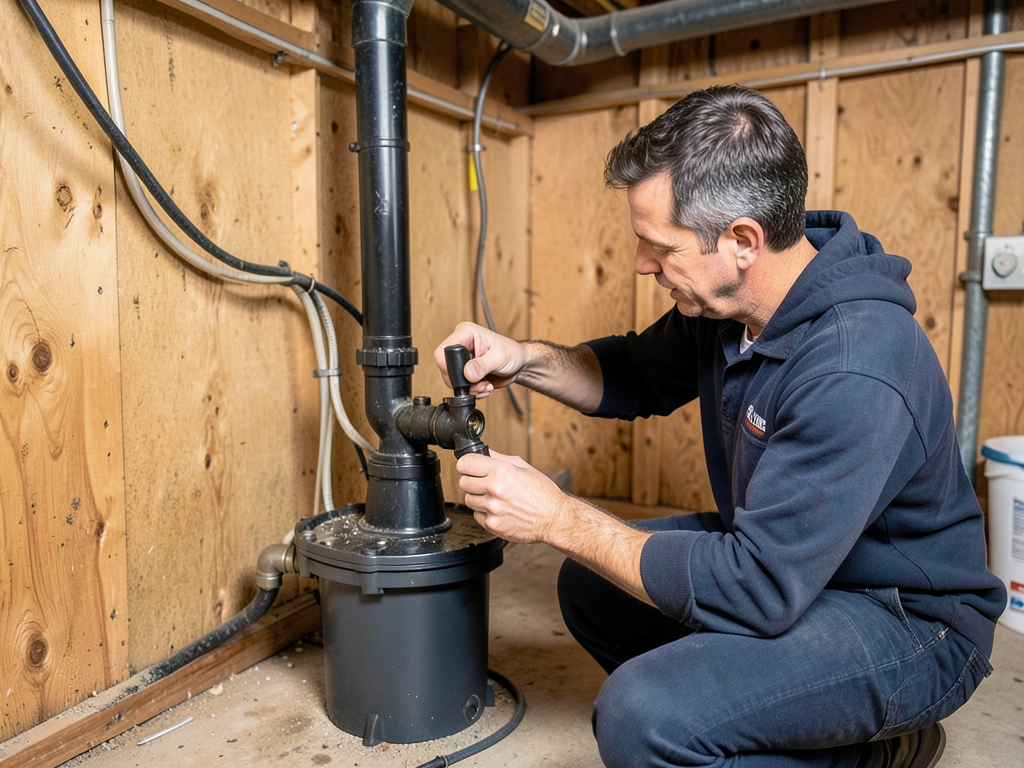
Protecting Your Basement from Lake Effect Snowmelt with the Right Sump Pump
Buffalo’s heavy lake-effect snow creates a seasonal threat that many homeowners only think about when it’s too late. When that massive snowpack melts in spring the water table rises quickly and without a properly sized sump pump your basement can flood in hours. This guide explains how to protect your home from Buffalo’s unique snowmelt patterns using the right equipment and backup systems. Choosing the Right HVAC Contractor for Your West Seneca Home Renovation.
Why Buffalo Homes Require Heavy-Duty Sump Pumps
The clay soil common throughout Erie County does not drain well. When lake-effect snow melts rapidly the water has nowhere to go except down into your foundation. A standard residential pump often cannot keep up with the volume of water produced during a sudden thaw.
Most Buffalo homes built before 1980 have basements that sit below the seasonal high water table. When hydrostatic pressure builds against your foundation walls water finds its way through cracks and floor joints. The right sump pump system relieves this pressure by collecting and ejecting water before it reaches your living space.
Buffalo’s freeze-thaw cycles also create unique challenges. When discharge pipes freeze the pump cannot expel water causing it to run continuously until the motor burns out. This is why proper installation includes freeze protection and discharge line heating where needed. Ductless AC Installation for Historical Homes in North Buffalo.
Submersible vs. Pedestal Pumps for Buffalo Basements
Submersible pumps work better in Buffalo’s climate because they handle higher volumes and operate more quietly. The motor sits underwater which helps cool it during extended run times common during spring thaws. These pumps typically move 3000 to 5000 gallons per hour which matches the output from melting lake-effect snow.
Pedestal pumps have the motor mounted above the sump pit. While less expensive they move less water and are louder. The exposed motor can also freeze in unheated basements during power outages.
For homes in South Buffalo or near the Buffalo River where the water table is highest a 1/2 horsepower submersible pump provides the best protection. Homes in Amherst or Orchard Park with slightly better drainage can often use a 1/3 horsepower model. Orchard Park Homeowners’ Guide to Replacing an Aging Heat Pump.
Our Installation Process
Proper sump pump installation starts with assessing your basement’s drainage pattern. We map where water enters during heavy rains or snowmelt. This tells us the optimal location for the sump pit.
Next we excavate a pit at least 18 inches deep and 24 inches wide. The pit bottom must sit below the basement floor to collect water from the surrounding soil. We line it with gravel for drainage and install a perforated drain tile around the perimeter if needed.
The pump goes in next with a check valve to prevent water from flowing back into the pit. We route the discharge line through the foundation wall using a proper seal to prevent air leaks. The line exits at least 10 feet from the foundation and slopes away from the house.
Finally we test the system by filling the pit with water. The pump should activate automatically and shut off when the water level drops. We also check for proper discharge and ensure no water pools near the foundation.
Battery Backup Sump Pump Options
Buffalo’s winter storms often cause power outages when you need your pump most. A battery backup system keeps your basement dry even when the grid fails. These systems activate automatically when the main pump loses power.
Standard battery backups provide 24 to 48 hours of protection depending on how often the pump runs. For extended outages we recommend systems with monitoring alarms that alert you when battery power gets low.
Deep-cycle marine batteries work best because they handle frequent discharge cycles. We install them in a battery box to prevent acid spills and ensure proper ventilation. The control panel shows battery status and pump operation.
Water-Powered Backup Sump Pumps
Water-powered backups offer an alternative for homes with municipal water service. These pumps use water pressure to create suction that removes water from the pit. They work as long as water pressure remains and can run indefinitely.
The system connects to your home’s water supply through a dedicated line with a backflow preventer. For every gallon removed from the pit it uses about one gallon of fresh water. This makes it expensive to run but reliable during extended outages. Finding the Most Reliable Furnace Repair Services in Buffalo.
Water-powered systems work best in homes where battery replacement is difficult or where power outages last several days. They require minimum 40 psi water pressure to function properly.
Buffalo and Erie County Sump Pump Discharge Regulations
Erie County Code requires that sump pump discharge water flow away from the foundation and not create a nuisance on neighboring properties. Direct discharge onto sidewalks or streets is prohibited because it creates ice hazards in winter.
Buffalo city code specifically bans connecting sump pumps to sanitary sewer lines. This practice overloads the treatment system during heavy rains and causes backups. Violations can result in fines and required system modifications.
Discharge lines must extend at least 10 feet from the foundation and terminate in a way that prevents erosion. Many homeowners use dry wells or rain gardens to manage the water discharge safely.
Annual Maintenance Checklist for WNY Spring Thaws
Before the spring thaw test your pump by pouring water into the pit. It should activate within seconds and shut off when the water level drops. Listen for unusual noises that might indicate bearing wear.
Clean the inlet screen and check the discharge line for obstructions. Remove any debris that could block water flow. Test the check valve by pouring water into the pit and watching to ensure it does not flow back.
For backup systems check battery voltage and clean terminals. Replace batteries every 3 to 5 years even if they still hold charge. Test the alarm function to ensure you will hear it if the system activates.
Inspect the discharge line outside for damage or freezing. Clear any ice buildup and ensure the outlet remains open. Consider adding heat tape to vulnerable sections in older homes.
Common Causes of Basement Flooding in Buffalo
Pump failure during power outages ranks as the most common cause of basement flooding in Buffalo. When heavy snow melts and the power goes out the pump stops working immediately. Without a backup system water rises quickly.
Clogged discharge lines freeze during cold snaps preventing the pump from expelling water. The pump continues running until the motor burns out. Then when temperatures rise the frozen line thaws and flooding begins.
Worn check valves allow water to flow back into the pit after the pump shuts off. This causes the pump to cycle more frequently wearing out the motor faster. During heavy snowmelt this cycling can lead to complete failure.
Improper pit sizing causes pumps to run continuously without lowering the water level. The motor overheats and fails just when you need it most. A pit that is too small cannot handle the volume from rapid snowmelt.
Emergency Replacement Services
When your sump pump fails during a storm you need help immediately. We offer 24/7 emergency replacement throughout Buffalo and surrounding suburbs. Our technicians arrive with common replacement parts and can often install a new pump within hours. Emergency Furnace Repair in Amherst When Your Heat Goes Out at Night.
Emergency service includes water removal if flooding has already occurred. We use commercial pumps to remove standing water and set up drying equipment to prevent mold growth. Quick response can save thousands in water damage repairs. EPA sump pump discharge guidelines.
For homes with failed pumps we can install temporary systems to provide immediate protection while permanent repairs are scheduled. This prevents further damage while you decide on replacement options.
Service Areas
We serve all of Erie County including Buffalo Amherst Tonawanda West Seneca and Orchard Park. Our technicians understand the specific drainage challenges in each area from the heavy clay soils in Southtowns to the older foundations in Buffalo’s historic neighborhoods.
In North Buffalo and Kenmore many homes have combined sewer systems that back up during heavy rains. We install check valves and backup pumps specifically designed for these conditions. Amherst and Williamsville homes often need larger capacity pumps due to expansive clay soils.
Lancaster and Cheektowaga residents face different challenges with older homes that may have undersized or failing sump systems. We specialize in upgrading these systems to handle current weather patterns.
Frequently Asked Questions
How long do sump pumps typically last in Buffalo?
Most sump pumps last 5 to 7 years in Buffalo’s climate. The frequent freeze-thaw cycles and heavy use during spring thaws shorten lifespan compared to milder climates. Regular maintenance can extend life to 10 years.
Should I install a second sump pump as backup?
Yes especially if your basement contains finished living space or valuable items. A second pump provides redundancy if the primary fails. Many homeowners install the backup at a different pit location to handle water from multiple entry points.
What size battery backup do I need?
For most Buffalo homes a 75 amp-hour deep cycle battery provides 24 to 48 hours of backup depending on pump usage. Larger batteries or multiple batteries extend run time. Consider your home’s specific needs based on finished basement space and valuable contents.
Can I install a sump pump myself?
While possible DIY installation often violates local codes and may void insurance coverage. Proper installation requires understanding of drainage patterns electrical codes and discharge regulations. Professional installation ensures compliance and reliability when you need it most.
Call (716) 317-7757 Today to Schedule Your Inspection
Don’t wait until the next big thaw to discover your sump pump cannot handle Buffalo’s lake-effect snowmelt. Call (716) 317-7757 today to schedule a professional inspection of your basement drainage system. We will assess your current setup recommend appropriate upgrades and ensure your home stays dry when the snow melts.
Our technicians understand Buffalo’s unique weather patterns and soil conditions. We install only quality equipment from trusted manufacturers and stand behind our work with solid warranties. Whether you need a new installation battery backup or emergency repair we have the expertise to protect your home.
Pick up the phone and call (716) 317-7757 before the next storm hits. Your basement and your peace of mind are worth protecting. For more information, visit IICRC S500 water damage restoration standard.
{
“@context”: “https://schema.org”,
“@type”: “BlogPosting”,
“headline”: “Protecting Your Basement from Lake Effect Snowmelt with the Right Sump Pump”,
“description”: “Learn how Buffalo’s heavy lake-effect snow and rapid spring thaws can flood your basement. Discover the right sump pump systems and backup solutions for Western New York homes.”,
“wordCount”: 1756,
“datePublished”: “2026-03-13T12:32:00.000Z”,
“dateModified”: “2026-03-13T12:32:00.000Z”,
“inLanguage”: “en-US”,
“mainEntityOfPage”: {
“@type”: “WebPage”,
“@id”: “https://unitedhvacbuffalo.com”
},
“publisher”: {
“@type”: “LocalBusiness”,
“name”: “United HVAC Buffalo”,
“url”: “https://unitedhvacbuffalo.com”
},
“author”: {
“@type”: “Organization”,
“name”: “United HVAC Buffalo”,
“url”: “https://unitedhvacbuffalo.com”
},
“image”: {
“@type”: “ImageObject”,
“url”: “https://unitedhvacbuffalo.com/wp-content/uploads/2026/03/protecting-your-basement-from-lake-effect-snowmelt-1.png”
}
}
{
“@context”: “https://schema.org”,
“@type”: “HVACBusiness”,
“name”: “United HVAC Buffalo”,
“url”: “https://unitedhvacbuffalo.com”,
“address”: {
“@type”: “PostalAddress”,
“addressLocality”: “Buffalo”
},
“areaServed”: {
“@type”: “City”,
“name”: “Buffalo”
}
}
{
“@context”: “https://schema.org”,
“@type”: “FAQPage”,
“mainEntity”: [
{
“@type”: “Question”,
“name”: “How long do sump pumps typically last in Buffalo?”,
“acceptedAnswer”: {
“@type”: “Answer”,
“text”: “Most sump pumps last 5 to 7 years in Buffalo’s climate. The frequent freeze-thaw cycles and heavy use during spring thaws shorten lifespan compared to milder climates. Regular maintenance can extend life to 10 years.”
}
},
{
“@type”: “Question”,
“name”: “Should I install a second sump pump as backup?”,
“acceptedAnswer”: {
“@type”: “Answer”,
“text”: “Yes especially if your basement contains finished living space or valuable items. A second pump provides redundancy if the primary fails. Many homeowners install the backup at a different pit location to handle water from multiple entry points.”
}
},
{
“@type”: “Question”,
“name”: “What size battery backup do I need?”,
“acceptedAnswer”: {
“@type”: “Answer”,
“text”: “For most Buffalo homes a 75 amp-hour deep cycle battery provides 24 to 48 hours of backup depending on pump usage. Larger batteries or multiple batteries extend run time. Consider your home’s specific needs based on finished basement space and valuable contents.”
}
},
{
“@type”: “Question”,
“name”: “Can I install a sump pump myself?”,
“acceptedAnswer”: {
“@type”: “Answer”,
“text”: “While possible DIY installation often violates local codes and may void insurance coverage. Proper installation requires understanding of drainage patterns electrical codes and discharge regulations. Professional installation ensures compliance and reliability when you need it most.”
}
}
]
}
{
“@context”: “https://schema.org”,
“@type”: “BreadcrumbList”,
“itemListElement”: [
{
“@type”: “ListItem”,
“position”: 1,
“name”: “Home”,
“item”: “https://unitedhvacbuffalo.com”
},
{
“@type”: “ListItem”,
“position”: 2,
“name”: “Blog”,
“item”: “https://unitedhvacbuffalo.com/blog”
},
{
“@type”: “ListItem”,
“position”: 3,
“name”: “Protecting Your Basement from Lake Effect Snowmelt with the Right Sump Pump”
}
]
}
{
“@context”: “https://schema.org”,
“@type”: “Service”,
“serviceType”: “HVAC”,
“provider”: {
“@type”: “LocalBusiness”,
“name”: “United HVAC Buffalo”,
“url”: “https://unitedhvacbuffalo.com”
},
“areaServed”: {
“@type”: “City”,
“name”: “Buffalo”
},
“description”: “Learn how Buffalo’s heavy lake-effect snow and rapid spring thaws can flood your basement. Discover the right sump pump systems and backup solutions for Western New York homes.”
}