
Setting the Perfect Nursery Temperature for Your Buffalo Home
The ideal nursery temperature for your baby’s safety and comfort is between 68-72°F (20-22°C). In Buffalo’s extreme lake-effect winters, maintaining this range requires more than just adjusting your thermostat. With wind chills dropping to -10°F and homes battling drafts from 1920s architecture, your nursery needs specialized HVAC attention to keep your infant safe and comfortable. HVAC Buffalo.
The Golden Rule: Safe Sleep and Temperature Standards
The American Academy of Pediatrics recommends keeping your baby’s room at 68-72°F to reduce the risk of Sudden Infant Death Syndrome. Babies cannot regulate their body temperature as effectively as adults, making them vulnerable to both overheating and chilling. Overheating increases SIDS risk by up to 70%, while cold stress can cause rapid breathing and poor weight gain in newborns. American Academy of Pediatrics safe sleep guidelines.
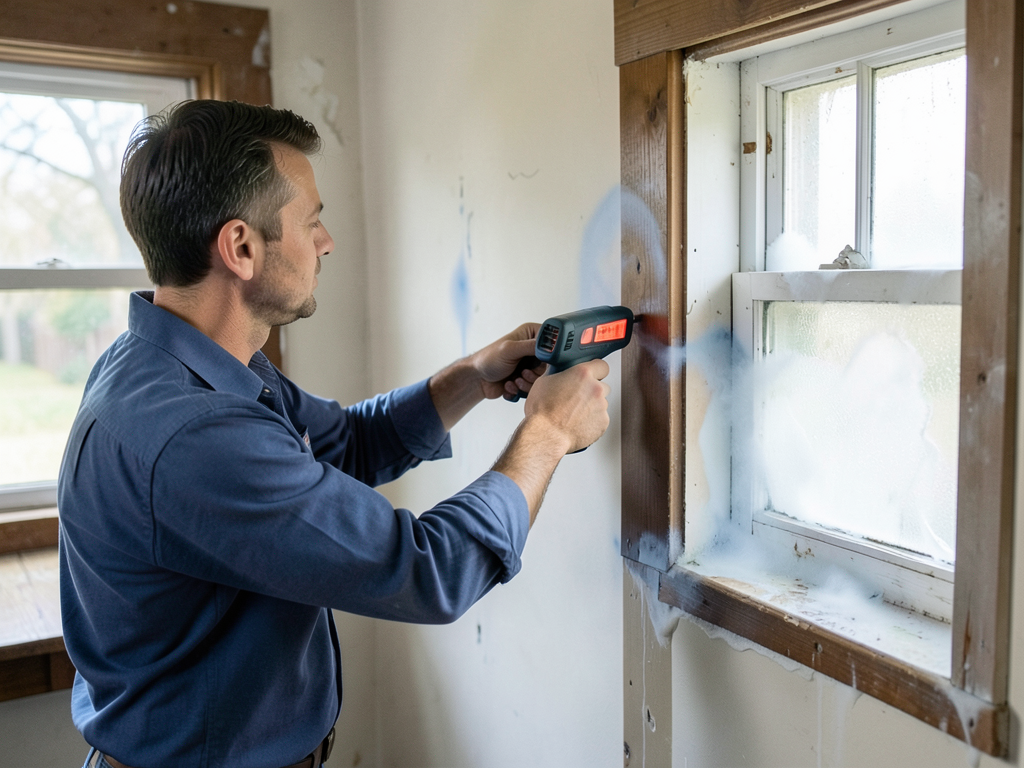
A technician uses an infrared thermometer to check wall temperatures near a nursery window, demonstrating how cold spots can create dangerous temperature variations in infant sleep areas.
Managing Buffalo’s Extreme Cold: HVAC Tips for Parents
Buffalo’s 80 inches of annual snowfall and frequent sub-zero temperatures create unique heating challenges. Older homes in Allentown and Elmwood Village often have single-pane windows and minimal wall insulation, creating temperature drops of 15-20°F near exterior walls. Your HVAC system must work 30-40% harder during January blizzards to maintain consistent nursery temperatures.
Start with a professional furnace inspection before winter. A dirty filter reduces airflow by 15%, forcing your system to run longer and creating temperature swings. Check for carbon monoxide leaks using a combustion analyzer – this EPA-mandated safety test prevents the odorless gas from accumulating in sealed winter homes. EPA indoor air quality standards.
Install a smart thermostat with remote sensors placed at crib height, away from windows and heat sources. This provides accurate readings of your baby’s actual sleeping environment rather than hallway temperatures. Many Buffalo families in the West Side and Kaisertown areas benefit from zoning systems that direct more heat to second-floor nurseries where heat naturally rises.. Read more about Are Smart Vents Actually Worth the Cost for Managing Hot Rooms in Your Orchard Park House?.
The Role of Humidity in Infant Comfort
Buffalo winters drop indoor humidity to 15-20%, well below the 30-50% range recommended for infant respiratory health. Low humidity causes dry nasal passages, making babies more susceptible to colds and creating bloody noses from irritated membranes. It also leads to static electricity that can disrupt sleep and dry, itchy skin that keeps infants awake.
A whole-home humidifier integrated with your furnace maintains consistent moisture levels throughout your house. Unlike portable units that require daily refilling, these systems use your existing ductwork to distribute humidity evenly. For drafty Buffalo bungalows in Black Rock or Riverside, this prevents the 10-15% humidity swings that occur when cold air infiltrates through aging windows. Emergency Furnace Repair in Amherst When Your Heat Goes Out at Night.
Test humidity with a hygrometer placed away from direct heat or sunlight. If levels consistently read below 30%, your baby may experience disrupted sleep from dry throat irritation. Many parents notice immediate improvements in their infant’s breathing and sleep duration once proper humidity is restored.
How to Tell if Your Baby is Too Hot or Too Cold
Parents often check their baby’s hands and feet to gauge temperature, but these extremities are naturally cooler and provide misleading information. The AAP recommends feeling your baby’s chest or back – if it feels hot and sweaty, remove a layer of clothing. If the chest feels cool to the touch, add warmth.
Signs of overheating include flushed cheeks, rapid breathing, and damp hair at the back of the neck. Cold stress shows as pale or blotchy skin, lethargy, and a cool chest even when bundled. Never rely on your own comfort level – adults need cooler temperatures for deep sleep while babies require warmer, more consistent conditions.
TOG ratings help match sleepwear to room temperature. In a 70°F nursery, a 1.0 TOG sleep sack suffices. When temperatures drop to 65°F, increase to 2.5 TOG. This eliminates the need for loose blankets, which pose suffocation risks according to the CPSC’s safe sleep guidelines.
HVAC Solutions for Nursery Temperature Consistency
Buffalo’s 1920s housing stock presents specific HVAC challenges. Balloon-frame construction allows cold air to travel freely between walls, while plaster-and-lath walls offer minimal insulation compared to modern materials. Many homes in the University Heights area experience 15-20°F temperature variations between rooms on the same floor.
Consider a ductless mini-split system for the nursery. These units provide precise temperature control without relying on your home’s aging ductwork, which may leak 20-30% of heated air through gaps and poor connections. Modern mini-splits include air filtration that removes allergens and maintain exact temperatures within ±1°F of your setting. Ductless AC Installation for Historical Homes in North Buffalo.
Regular furnace maintenance prevents mid-winter failures during lake-effect storms. A professional tune-up includes checking heat exchanger integrity, cleaning burners, and testing ignition systems. This annual service, recommended by the Air Conditioning Contractors of America, extends equipment life by 3-5 years and prevents the 30% efficiency losses that occur with dirty components.
Install carbon monoxide detectors on every level, especially near sleeping areas. The CDC reports that CO poisoning increases during winter months when homes are sealed tightly. Test detectors monthly and replace batteries every six months – many Buffalo families synchronize this with daylight saving time changes.
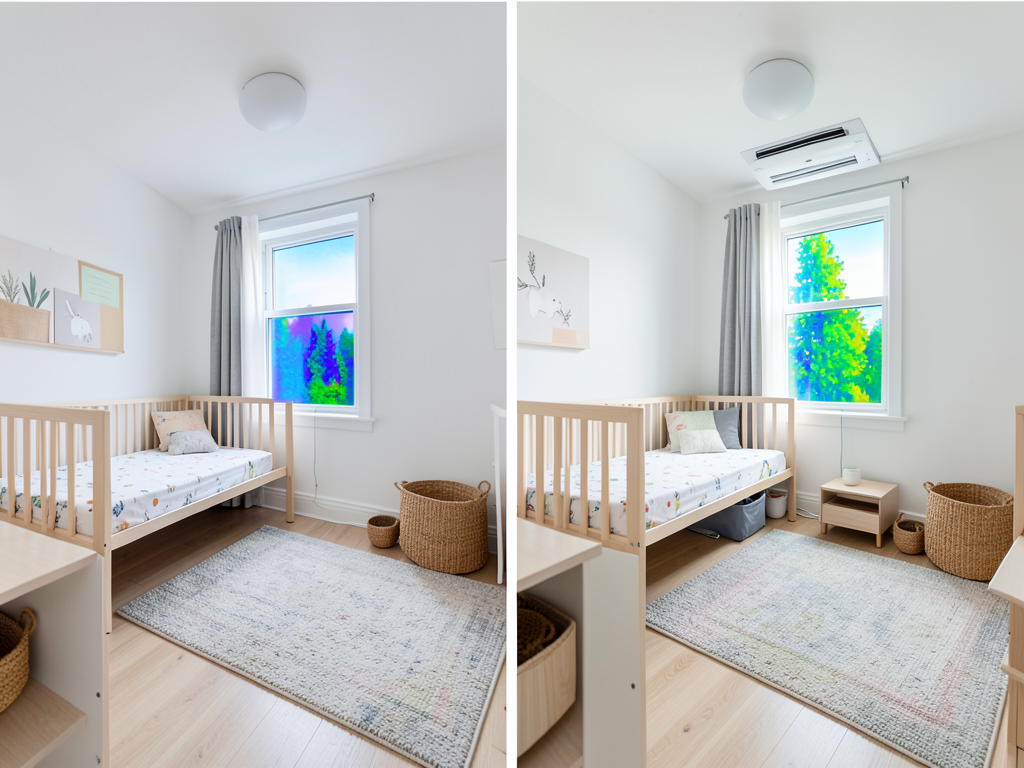
A before-and-after comparison showing temperature mapping of a nursery with and without a supplemental mini-split, demonstrating the elimination of cold spots near windows.
Emergency Preparedness for Buffalo Winter Storms
Lake-effect snow can knock out power for 24-48 hours, leaving your nursery without heat. Prepare an emergency kit with battery-powered heaters rated for indoor use, extra blankets, and warm clothing in sizes appropriate for your growing baby. Keep your phone charged and know the location of the nearest warming shelter – many community centers in Cheektowaga and Depew open during extended outages.
Consider a whole-home generator installation. While representing a significant investment, these systems automatically activate during outages, maintaining heat, light, and medical equipment operation. For families with infants requiring medical devices, this provides peace of mind during Buffalo’s most severe winter events.
During power outages, close doors to unused rooms to concentrate available heat. Use towels to block drafts under doors. If you must leave your home, take your baby with you – cars can cool rapidly and become dangerous for infants within 30 minutes.
Professional Assessment and Installation
Every home has unique heating characteristics based on its construction, orientation, and insulation levels. A professional HVAC assessment identifies specific problem areas in your nursery. Technicians use thermal imaging cameras to detect heat loss through walls, windows, and electrical outlets – common issues in Buffalo’s older housing stock.
Many families in Orchard Park and Williamsville benefit from supplemental radiant floor heating in nurseries. This provides gentle, consistent warmth from the floor up, eliminating the cold drafts that occur with forced air systems. Installation during a home renovation or before baby arrives minimizes disruption and ensures optimal comfort from day one. Orchard Park Homeowners’ Guide to Replacing an Aging Heat Pump.
Smart home integration allows remote monitoring of nursery conditions. Receive alerts when temperatures drop below your set range or when humidity levels become problematic. This technology proves invaluable during overnight hours when you cannot constantly check on your baby’s comfort.
A technician installs a smart thermostat with remote nursery sensor, showing the proper placement height and distance from windows and heat sources.
Frequently Asked Questions
What is the ideal temperature for a baby’s nursery in Buffalo?
The ideal temperature range is 68-72°F (20-22°C). This range, recommended by the American Academy of Pediatrics, reduces SIDS risk and ensures your baby remains comfortable throughout the night.
How can I tell if my baby is too cold while sleeping?
Feel your baby’s chest or back rather than hands and feet. A cool chest indicates your baby needs additional warmth, while hot and sweaty skin means they’re overheated. Look for signs like pale skin or lethargy in very cold conditions.
Should I use a space heater in my baby’s room?
Space heaters pose burn and fire risks for infants. Instead, use a properly sized HVAC system with a smart thermostat and remote sensor. If supplemental heat is necessary, choose a wall-mounted electric heater with a cool-touch exterior and automatic shutoff.
How often should I have my furnace inspected for nursery safety?
Schedule annual furnace maintenance before the heating season begins. This inspection includes checking for carbon monoxide leaks, cleaning components for optimal efficiency, and ensuring all safety systems function properly. For homes with infants, this annual service is essential.
What humidity level is best for my baby’s nursery?
Maintain 30-50% relative humidity in your nursery. Levels below 30% can cause dry nasal passages and skin irritation, while levels above 50% promote mold growth. Use a hygrometer to monitor levels and consider a whole-home humidifier for consistent moisture.
How do I prepare my nursery HVAC for Buffalo’s extreme winters?
Start with a professional assessment to identify drafts and cold spots. Install a smart thermostat with remote sensors, seal air leaks around windows and doors, and consider supplemental heating options like mini-splits for precise temperature control. Regular furnace maintenance prevents mid-winter failures.
Call (716) 317-7757 today to schedule your nursery HVAC assessment. Our Buffalo-based technicians understand the unique challenges of keeping your baby safe and comfortable through our harsh winters. Don’t wait until the next blizzard – ensure your nursery maintains the perfect temperature now.
Pick up the phone and call (716) 317-7757 before the next storm hits. Your baby’s safety and comfort depend on a properly functioning HVAC system designed for Buffalo’s extreme climate. Our emergency services are available 24/7 for urgent heating issues that could affect your infant’s wellbeing.
{
“@context”: “https://schema.org”,
“@type”: “BlogPosting”,
“headline”: “Setting the Perfect Nursery Temperature for Your Buffalo Home”,
“description”: “Learn how to maintain the ideal 68-72°F nursery temperature in Buffalo’s harsh winters. Get expert HVAC tips for infant safety and comfort.”,
“wordCount”: 1622,
“datePublished”: “2026-04-04T11:07:00.000Z”,
“dateModified”: “2026-04-04T11:07:00.000Z”,
“inLanguage”: “en-US”,
“mainEntityOfPage”: {
“@type”: “WebPage”,
“@id”: “https://unitedhvacbuffalo.com”
},
“publisher”: {
“@type”: “LocalBusiness”,
“name”: “United HVAC Buffalo”,
“url”: “https://unitedhvacbuffalo.com”
},
“author”: {
“@type”: “Organization”,
“name”: “United HVAC Buffalo”,
“url”: “https://unitedhvacbuffalo.com”
},
“image”: {
“@type”: “ImageObject”,
“url”: “https://unitedhvacbuffalo.com/wp-content/uploads/2026/03/setting-the-perfect-nursery-temperature-for-your-b-1.png”
}
}
{
“@context”: “https://schema.org”,
“@type”: “HVACBusiness”,
“name”: “United HVAC Buffalo”,
“url”: “https://unitedhvacbuffalo.com”,
“address”: {
“@type”: “PostalAddress”,
“addressLocality”: “Buffalo”
},
“areaServed”: {
“@type”: “City”,
“name”: “Buffalo”
}
}
{
“@context”: “https://schema.org”,
“@type”: “FAQPage”,
“mainEntity”: [
{
“@type”: “Question”,
“name”: “What is the ideal temperature for a baby’s nursery in Buffalo?”,
“acceptedAnswer”: {
“@type”: “Answer”,
“text”: “The ideal temperature range is 68-72°F (20-22°C). This range, recommended by the American Academy of Pediatrics, reduces SIDS risk and ensures your baby remains comfortable throughout the night.”
}
},
{
“@type”: “Question”,
“name”: “How can I tell if my baby is too cold while sleeping?”,
“acceptedAnswer”: {
“@type”: “Answer”,
“text”: “Feel your baby’s chest or back rather than hands and feet. A cool chest indicates your baby needs additional warmth, while hot and sweaty skin means they’re overheated. Look for signs like pale skin or lethargy in very cold conditions.”
}
},
{
“@type”: “Question”,
“name”: “Should I use a space heater in my baby’s room?”,
“acceptedAnswer”: {
“@type”: “Answer”,
“text”: “Space heaters pose burn and fire risks for infants. Instead, use a properly sized HVAC system with a smart thermostat and remote sensor. If supplemental heat is necessary, choose a wall-mounted electric heater with a cool-touch exterior and automatic shutoff.”
}
},
{
“@type”: “Question”,
“name”: “How often should I have my furnace inspected for nursery safety?”,
“acceptedAnswer”: {
“@type”: “Answer”,
“text”: “Schedule annual furnace maintenance before the heating season begins. This inspection includes checking for carbon monoxide leaks, cleaning components for optimal efficiency, and ensuring all safety systems function properly. For homes with infants, this annual service is essential.”
}
},
{
“@type”: “Question”,
“name”: “What humidity level is best for my baby’s nursery?”,
“acceptedAnswer”: {
“@type”: “Answer”,
“text”: “Maintain 30-50% relative humidity in your nursery. Levels below 30% can cause dry nasal passages and skin irritation, while levels above 50% promote mold growth. Use a hygrometer to monitor levels and consider a whole-home humidifier for consistent moisture.”
}
},
{
“@type”: “Question”,
“name”: “How do I prepare my nursery HVAC for Buffalo’s extreme winters?”,
“acceptedAnswer”: {
“@type”: “Answer”,
“text”: “Start with a professional assessment to identify drafts and cold spots. Install a smart thermostat with remote sensors, seal air leaks around windows and doors, and consider supplemental heating options like mini-splits for precise temperature control. Regular furnace maintenance prevents mid-winter failures.”
}
}
]
}
{
“@context”: “https://schema.org”,
“@type”: “BreadcrumbList”,
“itemListElement”: [
{
“@type”: “ListItem”,
“position”: 1,
“name”: “Home”,
“item”: “https://unitedhvacbuffalo.com”
},
{
“@type”: “ListItem”,
“position”: 2,
“name”: “Blog”,
“item”: “https://unitedhvacbuffalo.com/blog”
},
{
“@type”: “ListItem”,
“position”: 3,
“name”: “Setting the Perfect Nursery Temperature for Your Buffalo Home”
}
]
}
{
“@context”: “https://schema.org”,
“@type”: “Service”,
“serviceType”: “HVAC”,
“provider”: {
“@type”: “LocalBusiness”,
“name”: “United HVAC Buffalo”,
“url”: “https://unitedhvacbuffalo.com”
},
“areaServed”: {
“@type”: “City”,
“name”: “Buffalo”
},
“description”: “Learn how to maintain the ideal 68-72°F nursery temperature in Buffalo’s harsh winters. Get expert HVAC tips for infant safety and comfort.”
}