
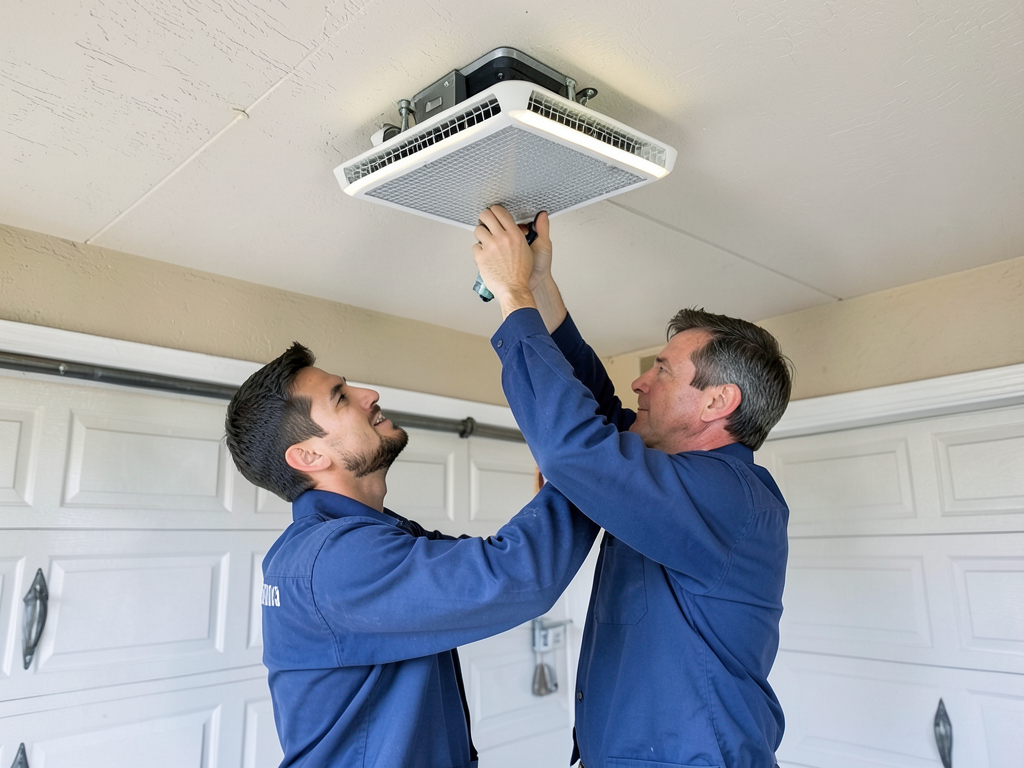
The Best Ways to Heat Your Detached Garage in Cheektowaga This Winter
Keeping your detached garage warm during a Cheektowaga winter means more than just comfort. Your tools stay protected from freezing, vehicles start easier, and plumbing lines won’t burst when temperatures drop below zero. With National Fuel’s natural gas dominance in Erie County and the lake-effect snow that pounds our area, choosing the right heating system makes all the difference between a functional workspace and a frozen storage shed. National Fuel.
The most effective garage heating options for Cheektowaga include infrared radiant tube heaters mounted overhead, forced-air unit heaters that blow warm air throughout the space, and electric resistance heaters for smaller or occasional-use garages. Each system has distinct advantages depending on your garage’s insulation, size, and how you plan to use the space during Western New York’s brutal winters.
Types of Garage Heating Systems We Install
Understanding the differences between heating technologies helps you make the right choice for your Cheektowaga garage. The selection depends on whether you need spot heating for a workbench or uniform warmth throughout the entire space. Choosing the Right HVAC Contractor for Your West Seneca Home Renovation.
Infrared Radiant Tube Heaters
Infrared heaters warm objects and people directly rather than heating the air. Mounted overhead, these units use natural gas or propane to heat long tubes that radiate infrared energy downward. The heat feels similar to standing in sunlight, making them ideal for workshops where you need immediate warmth at your work area.
These systems excel in Cheektowaga’s climate because they don’t waste energy heating the entire garage volume. You feel warmth within minutes, and the units operate quietly without blowing dust around your projects. However, they work best with proper insulation since the radiant heat doesn’t circulate to combat cold spots.
Forced Air Unit Heaters
Forced air units use a burner and heat exchanger to warm air, then blow it throughout the garage using a fan. These resemble small furnaces and provide the most uniform temperature distribution. They’re excellent for garages used as complete workshops or for storing temperature-sensitive items. Emergency Furnace Repair in Amherst When Your Heat Goes Out at Night.
The main advantage in Cheektowaga is their ability to maintain consistent temperatures despite frequent door openings. When you pull your car in covered with snow, the forced air system quickly recovers the lost heat. The downside is they take longer to warm up and create air movement that can stir dust.
Electric Resistance Heaters
Electric units include ceiling-mounted panels, portable space heaters, and baseboard-style heaters. They’re the simplest to install since they don’t require gas lines or venting, making them suitable for occasional-use garages or as supplemental heat.
While convenient, electric heating becomes expensive in Cheektowaga’s climate. National Grid electricity rates combined with our long heating season mean operating costs often exceed those of gas systems within the first winter. They work best for garages under 400 square feet or as temporary solutions while planning a permanent installation. Ductless AC Installation for Historical Homes in North Buffalo.
Sizing Your Heater for Buffalo Winters
Cheektowaga’s climate demands proper heater sizing to combat our extreme temperature swings and lake-effect snow. An undersized unit runs constantly without maintaining comfort, while an oversized system cycles on and off too frequently, wasting energy and reducing equipment life.
The calculation starts with your garage’s square footage and insulation quality. A typical 2-car garage (500-600 sq ft) in Cheektowaga needs 25,000-35,000 BTUs with average insulation. Poor insulation or frequent door use pushes that requirement higher.
| Garage Size | Insulation Level | Required BTUs | Recommended Heater Type |
|---|---|---|---|
| 1-car (300 sq ft) | Good (R-13 walls) | 15,000-20,000 | Electric or Small Gas |
| 2-car (550 sq ft) | Average (R-13 walls) | 25,000-35,000 | Gas Forced Air or Infrared |
| 2-car (550 sq ft) | Poor (no insulation) | 40,000-50,000 | Large Gas Forced Air |
| 3-car (750 sq ft) | Average | 35,000-45,000 | Gas Forced Air |
| 3-car (750 sq ft) | Good | 30,000-40,000 | Infrared or Forced Air |
Cheektowaga’s specific conditions require adjustments to standard sizing charts. Our area experiences more heating degree days than most of the country, meaning the temperature difference between inside and outside is often 60-80 degrees during winter. Add 15-20% to manufacturer recommendations for our climate.
Our Installation Process and Safety Standards
Professional installation ensures your garage heater operates safely and efficiently through Cheektowaga’s harshest winters. The process involves multiple steps that require specific expertise and compliance with Erie County mechanical codes.
First, we evaluate your garage’s structure and determine the optimal heater location. Overhead mounting maximizes floor space and provides the best heat distribution for most Cheektowaga garages. We consider factors like ceiling height, existing obstructions, and your primary work areas.
Gas line installation follows strict safety protocols. We tap into your existing natural gas service using proper sizing calculations from the National Fuel Gas Code. The line must be sized correctly to handle the heater’s BTU input plus any other gas appliances. We pressure test all connections and use leak detection fluid to verify integrity.
Electrical wiring requires a dedicated circuit with proper amperage. Most garage heaters need 120V for controls and 240V for the main burner and fan. We install weatherproof disconnect switches within sight of the unit for emergency shutoff.
Ventilation is critical for gas-fired units. We follow International Mechanical Code requirements for venting through exterior walls or roofs. The vent must terminate at least 3 feet from any operable window and 4 feet from property lines. We install vent caps designed to prevent backdrafting from strong Cheektowaga winds. NATE certification.
Carbon monoxide safety is non-negotiable. We install CO detectors per manufacturer specifications and test all safety controls before completion. The units include high-limit switches that shut down the heater if temperatures exceed safe operating ranges.
Why Choose United HVAC for Buffalo Garage Heating
United HVAC understands the unique challenges of heating detached garages in Cheektowaga and throughout Erie County. Our technicians have installed hundreds of garage heating systems specifically designed for Western New York’s climate extremes.
We’re fully licensed and insured for Erie County mechanical work. Our team maintains current NATE certifications and stays updated on the latest heating technologies and safety standards. We handle all necessary permits through the Erie County Department of Permits and Inspections.
Our 24/7 emergency service means you’re never left in the cold. If your garage heater fails during a blizzard, we respond quickly to restore heat and protect your property. We stock common replacement parts on our service vehicles to minimize downtime.
We provide transparent pricing with no hidden fees. Our quotes include all necessary components: the heater unit, gas line installation, electrical work, venting, and required permits. We explain all options clearly so you can make informed decisions about your investment.
Our maintenance plans ensure your garage heater operates efficiently for years. We perform seasonal tune-ups, clean burners, check gas pressures, and verify all safety controls. This preventive care prevents mid-winter failures when you need heat most.
Frequently Asked Questions
What permits are required for garage heater installation in Cheektowaga?
Erie County requires a mechanical permit for all gas-fired heating equipment. The permit process includes plan review to ensure compliance with building codes. We handle all permit applications and inspections as part of our installation service.
How much does it cost to run a garage heater in Cheektowaga?
Operating costs depend on your heater size, insulation quality, and how often you use the space. A typical 30,000 BTU natural gas heater costs $1.50-$2.50 per hour to operate at current National Fuel rates. Electric heaters cost significantly more, often $3-$5 per hour for comparable heat output.
Can I install a garage heater myself?
DIY installation of gas-fired equipment is dangerous and often violates local codes. Improper gas line connections create explosion hazards, while incorrect venting can lead to carbon monoxide poisoning. Professional installation ensures safety and maintains manufacturer warranties.
What’s the best thermostat for an uninsulated garage?
For poorly insulated spaces, a simple mechanical thermostat works best. It turns the heater on when temperatures drop below your set point without the complexity of programmable features. Some homeowners use remote-controlled thermostats to adjust temperatures from their homes.
How long does installation take?
Most garage heater installations in Cheektowaga require 4-8 hours for a straightforward replacement. New installations with gas line extensions or electrical upgrades may take 1-2 days. We provide specific timeframes in our quotes based on your garage’s configuration.
Maintaining Your Garage Heater Through Cheektowaga Winters
Regular maintenance prevents mid-winter failures when temperatures plummet. Cheektowaga’s climate creates specific challenges that require attention throughout the heating season.
Clean the heater’s air intake and burner annually. Cheektowaga’s road salt and dust can clog filters and reduce efficiency. Check for rodent nests in the offseason, as detached garages provide perfect shelter for small animals.
Inspect vent pipes for damage from snow removal equipment or ice accumulation. Replace any corroded sections before they fail during heavy snow events. Ensure vent caps remain clear of ice and debris.
Test all safety controls monthly during the heating season. Verify that the high-limit switch operates correctly and that the flame sensor detects the burner. These simple checks can prevent dangerous malfunctions.
Consider installing a low-temperature alarm that alerts you if garage temperatures drop below freezing. This early warning can prevent frozen pipes and protect temperature-sensitive items before damage occurs.
For infrared heaters, check reflector alignment annually. Misaligned reflectors reduce heating efficiency and create cold spots in your workspace. Clean reflectors improve heat distribution and reduce energy consumption.
Energy Efficiency and Cost Savings
Improving your garage’s insulation often provides better return on investment than upgrading to a more efficient heater. Adding R-13 insulation to walls and R-30 to the ceiling can reduce heating costs by 30-50% in Cheektowaga’s climate.
Seal all air leaks around doors, windows, and where utilities enter the garage. Even small gaps allow significant heat loss during our windy winters. Weatherstripping and caulk are inexpensive upgrades that pay for themselves quickly.
Install a programmable thermostat to reduce temperatures when the garage is unoccupied. Dropping the temperature by 10 degrees for 8 hours daily can save 5-10% on heating costs without risking frozen pipes.
Consider zone heating for large garages. Use a central forced air unit for general heating and supplement with infrared spot heaters over workbenches. This targeted approach reduces energy consumption while maintaining comfort where you need it most.
Take advantage of National Fuel’s energy efficiency rebates when available. Some high-efficiency gas heaters qualify for rebates that offset installation costs. We stay current on available programs and handle rebate paperwork on your behalf.
Ready to Warm Up Your Cheektowaga Garage?
Don’t let another winter pass with a cold, unusable garage. Whether you need a workshop that stays warm during lake-effect snow or simply want to protect your vehicles from freezing temperatures, United HVAC has the expertise to solve your heating challenges.
Call (716) 317-7757 today to schedule your free garage heating consultation. We’ll evaluate your space, discuss your needs, and provide a detailed quote with all your options. Our installations come with warranties on both equipment and workmanship, giving you peace of mind through every Cheektowaga winter.
Pick up the phone and call (716) 317-7757 before the next storm hits. Your warm, functional garage is just one call away.
- Assess Your Space
Measure your garage’s square footage and evaluate existing insulation. Note how you’ll use the space and any specific heating needs for work areas.
- Calculate BTU Requirements
Use the sizing chart to determine minimum BTU output. Add 15-20% for Cheektowaga’s climate conditions and your specific usage patterns.
- Select Heater Type
Choose between infrared radiant, forced air, or electric based on your space characteristics and how you’ll use the garage.
- Plan Installation
Determine optimal mounting location, plan gas line routing if needed, and ensure proper electrical capacity for the chosen unit.
- Schedule Professional Installation
Contact United HVAC at (716) 317-7757 for expert installation that meets all Erie County codes and safety standards.
{
“@context”: “https://schema.org”,
“@type”: “BlogPosting”,
“headline”: “The Best Ways to Heat Your Detached Garage in Cheektowaga This Winter”,
“description”: “Find the perfect garage heater for your Cheektowaga workshop. Compare infrared, forced air, and electric options with Buffalo-specific installation and sizing advice.”,
“wordCount”: 1984,
“datePublished”: “2026-03-19T13:13:00.000Z”,
“dateModified”: “2026-03-19T13:13:00.000Z”,
“inLanguage”: “en-US”,
“mainEntityOfPage”: {
“@type”: “WebPage”,
“@id”: “https://unitedhvacbuffalo.com”
},
“publisher”: {
“@type”: “LocalBusiness”,
“name”: “United HVAC Buffalo”,
“url”: “https://unitedhvacbuffalo.com”
},
“author”: {
“@type”: “Organization”,
“name”: “United HVAC Buffalo”,
“url”: “https://unitedhvacbuffalo.com”
},
“image”: {
“@type”: “ImageObject”,
“url”: “https://unitedhvacbuffalo.com/wp-content/uploads/2026/03/the-best-ways-to-heat-your-detached-garage-in-chee-1.png”
}
}
{
“@context”: “https://schema.org”,
“@type”: “HVACBusiness”,
“name”: “United HVAC Buffalo”,
“url”: “https://unitedhvacbuffalo.com”,
“address”: {
“@type”: “PostalAddress”,
“addressLocality”: “Buffalo”
},
“areaServed”: {
“@type”: “City”,
“name”: “Buffalo”
}
}
{
“@context”: “https://schema.org”,
“@type”: “FAQPage”,
“mainEntity”: [
{
“@type”: “Question”,
“name”: “What permits are required for garage heater installation in Cheektowaga?”,
“acceptedAnswer”: {
“@type”: “Answer”,
“text”: “Erie County requires a mechanical permit for all gas-fired heating equipment. The permit process includes plan review to ensure compliance with building codes. We handle all permit applications and inspections as part of our installation service.”
}
},
{
“@type”: “Question”,
“name”: “How much does it cost to run a garage heater in Cheektowaga?”,
“acceptedAnswer”: {
“@type”: “Answer”,
“text”: “Operating costs depend on your heater size, insulation quality, and how often you use the space. A typical 30,000 BTU natural gas heater costs $1.50-$2.50 per hour to operate at current National Fuel rates. Electric heaters cost significantly more, often $3-$5 per hour for comparable heat output.”
}
},
{
“@type”: “Question”,
“name”: “Can I install a garage heater myself?”,
“acceptedAnswer”: {
“@type”: “Answer”,
“text”: “DIY installation of gas-fired equipment is dangerous and often violates local codes. Improper gas line connections create explosion hazards, while incorrect venting can lead to carbon monoxide poisoning. Professional installation ensures safety and maintains manufacturer warranties.”
}
},
{
“@type”: “Question”,
“name”: “What’s the best thermostat for an uninsulated garage?”,
“acceptedAnswer”: {
“@type”: “Answer”,
“text”: “For poorly insulated spaces, a simple mechanical thermostat works best. It turns the heater on when temperatures drop below your set point without the complexity of programmable features. Some homeowners use remote-controlled thermostats to adjust temperatures from their homes.”
}
},
{
“@type”: “Question”,
“name”: “How long does installation take?”,
“acceptedAnswer”: {
“@type”: “Answer”,
“text”: “Most garage heater installations in Cheektowaga require 4-8 hours for a straightforward replacement. New installations with gas line extensions or electrical upgrades may take 1-2 days. We provide specific timeframes in our quotes based on your garage’s configuration.”
}
},
{
“@type”: “Question”,
“name”: “Ready to Warm Up Your Cheektowaga Garage?”,
“acceptedAnswer”: {
“@type”: “Answer”,
“text”: “Don’t let another winter pass with a cold, unusable garage. Whether you need a workshop that stays warm during lake-effect snow or simply want to protect your vehicles from freezing temperatures, United HVAC has the expertise to solve your heating challenges.”
}
}
]
}
{
“@context”: “https://schema.org”,
“@type”: “HowTo”,
“name”: “How to Choose the Right Garage Heater”,
“step”: [
{
“@type”: “HowToStep”,
“position”: 1,
“name”: “Assess Your Space”,
“text”: “Measure your garage’s square footage and evaluate existing insulation. Note how you’ll use the space and any specific heating needs for work areas.”
},
{
“@type”: “HowToStep”,
“position”: 2,
“name”: “Calculate BTU Requirements”,
“text”: “Use the sizing chart to determine minimum BTU output. Add 15-20% for Cheektowaga’s climate conditions and your specific usage patterns.”
},
{
“@type”: “HowToStep”,
“position”: 3,
“name”: “Select Heater Type”,
“text”: “Choose between infrared radiant, forced air, or electric based on your space characteristics and how you’ll use the garage.”
},
{
“@type”: “HowToStep”,
“position”: 4,
“name”: “Plan Installation”,
“text”: “Determine optimal mounting location, plan gas line routing if needed, and ensure proper electrical capacity for the chosen unit.”
},
{
“@type”: “HowToStep”,
“position”: 5,
“name”: “Schedule Professional Installation”,
“text”: “Contact United HVAC at (716) 317-7757 for expert installation that meets all Erie County codes and safety standards.”
}
],
“image”: “https://unitedhvacbuffalo.com/wp-content/uploads/2026/03/the-best-ways-to-heat-your-detached-garage-in-chee-1.png”
}
{
“@context”: “https://schema.org”,
“@type”: “BreadcrumbList”,
“itemListElement”: [
{
“@type”: “ListItem”,
“position”: 1,
“name”: “Home”,
“item”: “https://unitedhvacbuffalo.com”
},
{
“@type”: “ListItem”,
“position”: 2,
“name”: “Blog”,
“item”: “https://unitedhvacbuffalo.com/blog”
},
{
“@type”: “ListItem”,
“position”: 3,
“name”: “The Best Ways to Heat Your Detached Garage in Cheektowaga This Winter”
}
]
}
{
“@context”: “https://schema.org”,
“@type”: “Service”,
“serviceType”: “HVAC”,
“provider”: {
“@type”: “LocalBusiness”,
“name”: “United HVAC Buffalo”,
“url”: “https://unitedhvacbuffalo.com”
},
“areaServed”: {
“@type”: “City”,
“name”: “Buffalo”
},
“description”: “Find the perfect garage heater for your Cheektowaga workshop. Compare infrared, forced air, and electric options with Buffalo-specific installation and sizing advice.”
}