
The Homeowners Guide to Buying a New HVAC System for a Rental Property in University Heights
University Heights landlords face unique challenges when selecting HVAC systems for their rental properties. With Buffalo’s extreme seasonal swings from lake-effect snow to humid summers, the right heating and cooling equipment can mean the difference between steady rental income and constant emergency repair calls. This guide walks you through the most durable, cost-effective HVAC options specifically for the University Heights area near UB South Campus. Choosing the Right HVAC Contractor for Your West Seneca Home Renovation.
Buffalo averages over 100 inches of snow annually and experiences temperature swings from -10°F in winter to 90°F in summer. These conditions put tremendous stress on HVAC equipment. For rental properties, the goal is selecting systems that minimize tenant complaints, reduce emergency service calls, and maximize long-term ROI. Property owners in the 14214 and 14215 zip codes need equipment that can handle both the harsh climate and the wear-and-tear of multiple tenants. Emergency Furnace Repair in Amherst When Your Heat Goes Out at Night.
Top HVAC Systems for University Heights Rental Properties
Property owners have three main options that balance durability with tenant satisfaction. Each system has specific advantages for Buffalo’s climate and rental market demands. HVAC Buffalo.
| System Type | Initial Cost | Maintenance Frequency | Tenant Appeal |
|---|---|---|---|
| High-Efficiency Gas Furnace + AC | $$ | Annually | High |
| Cold-Climate Heat Pump | $$$ | Biannually | Medium |
| Ductless Mini-Split | $$$-$$$$ | Annually | High |
High-Efficiency Gas Furnaces for Buffalo Rentals
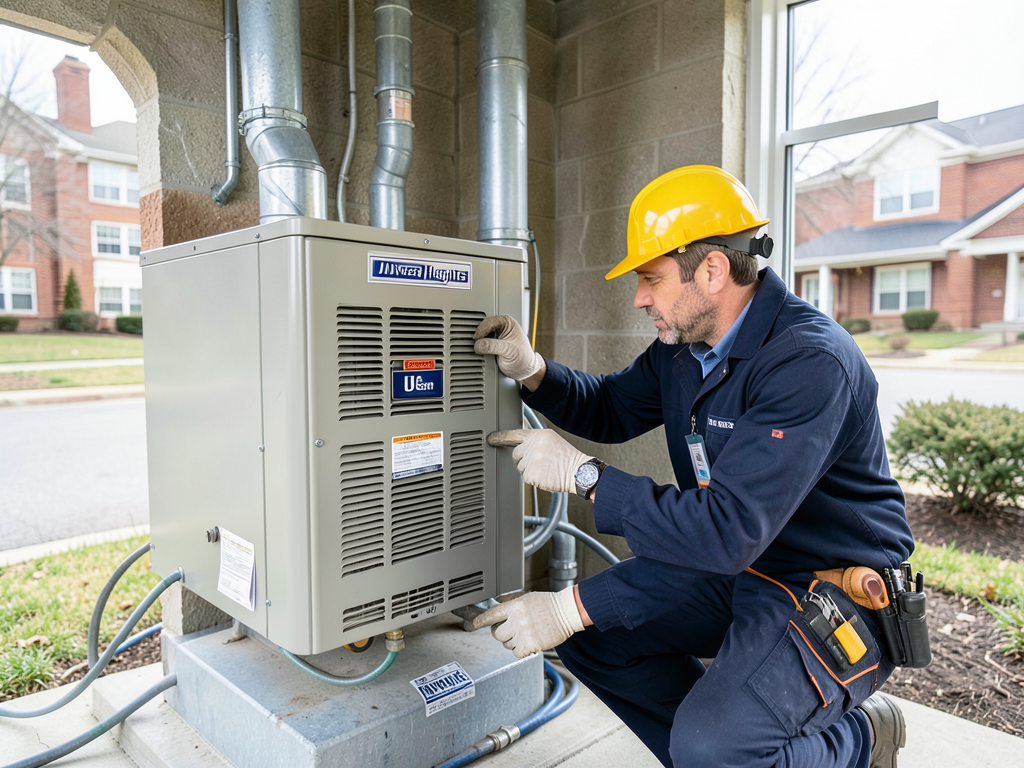
Natural gas remains the dominant heating fuel in University Heights due to its reliability during extreme cold. Modern high-efficiency furnaces with 95%+ AFUE ratings provide consistent heat even when temperatures plummet below zero. These systems work well in the older two and three-story homes common in the area, many built in the 1920s-1950s with existing ductwork.
The key advantage for landlords is durability. Quality furnaces last 15-20 years with proper maintenance. They also provide immediate, powerful heat that tenants expect in Buffalo winters. However, you’ll need a separate air conditioning system, which adds to initial costs but provides year-round comfort.
Cold-Climate Heat Pumps: All-in-One Efficiency
Modern cold-climate heat pumps can extract heat from outdoor air even when temperatures drop to -15°F. This technology has improved dramatically in recent years, making heat pumps viable for Buffalo’s climate. NYSERDA’s Clean Heat Program now offers substantial rebates for qualifying cold-climate heat pump installations in rental properties. NYSERDA Clean Heat Program.
For University Heights landlords, heat pumps offer lower operating costs and simplified maintenance since one system handles both heating and cooling. The challenge is ensuring proper sizing and installation, as undersized units struggle during extreme cold snaps. Heat pumps also require backup heat strips for the coldest days. Ductless AC Installation for Historical Homes in North Buffalo.
Ductless Mini-Splits for Multi-Family and Room Rentals
Ductless mini-split systems shine in University Heights’ older homes where adding ductwork is impractical or impossible. These systems work perfectly for converting single-family homes into multi-tenant units or for room-by-room rentals near UB South Campus.
The main advantage is individual temperature control for each tenant, eliminating disputes over thermostat settings. Each indoor unit operates independently, and tenants can even pay for their own electricity usage. This setup reduces landlord liability and appeals to student tenants who want control over their living environment.
Tenant-Proofing Your HVAC Investment
University Heights properties face unique challenges from student tenants who may not understand proper HVAC care. Smart property managers implement several strategies to protect their investment.
Smart thermostats with landlord override capabilities prevent tenants from setting extreme temperatures that could damage equipment. Many models allow you to set temperature ranges and lock settings with a passcode. This protects against frozen pipes in winter and overworked compressors in summer.
High-quality air filters changed quarterly reduce strain on equipment. Cheap filters allow dust buildup that can cause system failures. Consider providing filters yourself and scheduling changes between tenants to ensure proper maintenance.
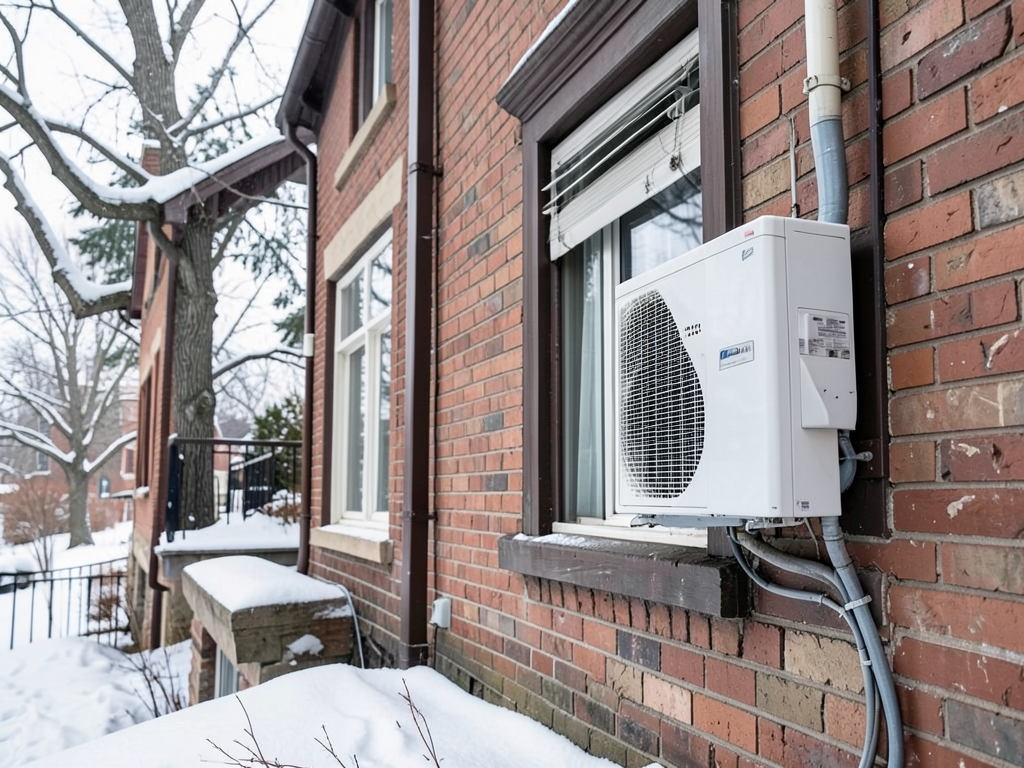
Outdoor unit protection is critical in University Heights where snow accumulation can bury condenser units. Installing units on raised pads and providing clear drainage paths prevents snow damage and ensures proper operation year-round.
Buffalo-Specific Rebates and Incentives
New York State offers several programs specifically for rental property owners upgrading HVAC systems. NYSERDA’s EmPower+ program provides free or low-cost energy assessments and can cover up to 50% of energy efficiency improvements for income-eligible rental properties.
National Grid and NYSEG both offer rebates for high-efficiency equipment installations. Current programs provide up to $500 for qualifying furnaces and $1,000 for heat pumps. These rebates significantly reduce the payback period for energy-efficient upgrades. National Grid HVAC rebates.
The Federal Energy Efficiency Tax Credit allows landlords to claim 30% of qualified HVAC improvements, up to $2,000 per property. This credit applies to both primary and rental properties, making energy-efficient upgrades more affordable.
Calculating ROI for University Heights Landlords
The true cost of an HVAC system includes more than just the initial purchase price. Consider these factors when evaluating your investment:
- Emergency repair frequency and costs
- Energy consumption and utility bills
- Tenant satisfaction and retention rates
- Property value appreciation
- Tax benefits and depreciation
High-quality systems typically cost more upfront but reduce lifetime expenses through fewer repairs and lower energy bills. A $6,000 high-efficiency system might save $300 annually in energy costs and prevent two $400 emergency repairs, providing $1,000 in annual savings.
Legal Requirements for Rental Property Heating in Buffalo
Buffalo’s Housing Code requires rental properties to maintain minimum temperatures of 68°F between September 15 and June 1. Failure to provide adequate heat can result in fines and tenant lawsuits. This makes reliable heating systems essential for University Heights landlords. Finding the Most Reliable Furnace Repair Services in Buffalo.
Section 505 of the New York State Property Maintenance Code mandates that heating equipment be installed according to manufacturer specifications and local building codes. This includes proper venting, combustion air supply, and electrical connections. Violations can result in stop-work orders and required corrections.
Maintenance Strategies for Maximum System Longevity
Preventative maintenance is the single most important factor in HVAC system longevity. For rental properties, this means establishing clear maintenance responsibilities and schedules.
Annual professional inspections catch small problems before they become expensive failures. During these inspections, technicians check refrigerant levels, clean coils, inspect electrical connections, and test safety controls. This service typically costs $150-250 but can prevent $1,000+ emergency repairs.
Filter changes every 60-90 days keep systems running efficiently. For student rentals, consider providing filters and scheduling changes during turnover periods. Clean filters reduce energy consumption by 5-15% and prevent premature system wear.
Emergency Response Planning
Even the best HVAC systems can fail, especially during Buffalo’s extreme weather events. Having an emergency response plan protects both your property and your tenants.
Establish relationships with local HVAC contractors who offer 24/7 emergency service. Keep spare parts like capacitors and contactors on hand for common failures. Consider portable electric heaters as backup for furnace failures during winter.
Clear communication with tenants about emergency procedures reduces panic and damage. Provide tenants with emergency contact numbers and instructions for temporary heating or cooling if systems fail.
Making the Final Decision
The best HVAC system for your University Heights rental depends on your specific property, tenant mix, and investment goals. Consider these key factors:
- Property age and existing infrastructure
- Typical tenant profile (students, families, professionals)
- Local energy costs and availability
- Available rebates and tax incentives
- Your maintenance capabilities and budget
For most University Heights landlords, a high-efficiency gas furnace with central air conditioning provides the best balance of reliability, tenant satisfaction, and long-term value. However, ductless mini-splits are increasingly popular for multi-tenant properties where individual control and simplified billing are priorities.
Frequently Asked Questions
What HVAC system lasts the longest in Buffalo’s climate?
High-quality gas furnaces typically last 15-20 years in Buffalo, while heat pumps and air conditioners last 12-15 years. Proper maintenance and quality installation significantly impact longevity regardless of system type.
Are heat pumps worth it for Buffalo rentals?
Yes, modern cold-climate heat pumps can handle Buffalo winters while providing efficient cooling in summer. They offer lower operating costs but require proper sizing and backup heat for extreme cold snaps.
How much should I budget for a complete HVAC replacement?
For a typical University Heights rental home, budget $5,000-12,000 depending on system type, home size, and installation complexity. Factor in potential rebates and tax credits that can reduce net costs by 20-50%.
Should I let tenants control their own thermostats?
For single-family rentals, tenant control is expected. For multi-tenant properties, consider smart thermostats with landlord overrides to prevent extreme settings that could damage equipment or cause other issues.
Ready to Upgrade Your Rental Property HVAC?
University Heights landlords need HVAC systems that can handle Buffalo’s extreme weather while providing reliable comfort for tenants. Whether you’re replacing an aging furnace or installing a complete new system, the right equipment and installation make all the difference.
Call (716) 317-7757 today to schedule your free rental property HVAC assessment. Our local experts understand University Heights’ unique challenges and can recommend the most cost-effective solution for your specific property. Don’t wait until the next cold snap leaves your tenants without heat.
Pick up the phone and call (716) 317-7757 before the next storm hits. We’ll help you select the perfect HVAC system that protects your investment and keeps your rental income flowing year-round.
[IMAGE_PLACEHOLDER_3>
{
“@context”: “https://schema.org”,
“@type”: “BlogPosting”,
“headline”: “The Homeowners Guide to Buying a New HVAC System for a Rental Property in University Heights”,
“description”: “Complete guide to HVAC systems for rental properties in University Heights Buffalo. Learn durability, tenant-proofing, rebates, and ROI for landlords.”,
“wordCount”: 1557,
“datePublished”: “2026-06-10T08:45:00.000Z”,
“dateModified”: “2026-06-10T08:45:00.000Z”,
“inLanguage”: “en-US”,
“mainEntityOfPage”: {
“@type”: “WebPage”,
“@id”: “https://unitedhvacbuffalo.com”
},
“publisher”: {
“@type”: “LocalBusiness”,
“name”: “United HVAC Buffalo”,
“url”: “https://unitedhvacbuffalo.com”
},
“author”: {
“@type”: “Organization”,
“name”: “United HVAC Buffalo”,
“url”: “https://unitedhvacbuffalo.com”
},
“image”: {
“@type”: “ImageObject”,
“url”: “https://unitedhvacbuffalo.com/wp-content/uploads/2026/03/the-homeowners-guide-to-buying-a-new-hvac-system-f-1.png”
}
}
{
“@context”: “https://schema.org”,
“@type”: “HVACBusiness”,
“name”: “United HVAC Buffalo”,
“url”: “https://unitedhvacbuffalo.com”,
“address”: {
“@type”: “PostalAddress”,
“addressLocality”: “Buffalo”
},
“areaServed”: {
“@type”: “City”,
“name”: “Buffalo”
}
}
{
“@context”: “https://schema.org”,
“@type”: “FAQPage”,
“mainEntity”: [
{
“@type”: “Question”,
“name”: “What HVAC system lasts the longest in Buffalo’s climate?”,
“acceptedAnswer”: {
“@type”: “Answer”,
“text”: “High-quality gas furnaces typically last 15-20 years in Buffalo, while heat pumps and air conditioners last 12-15 years. Proper maintenance and quality installation significantly impact longevity regardless of system type.”
}
},
{
“@type”: “Question”,
“name”: “Are heat pumps worth it for Buffalo rentals?”,
“acceptedAnswer”: {
“@type”: “Answer”,
“text”: “Yes, modern cold-climate heat pumps can handle Buffalo winters while providing efficient cooling in summer. They offer lower operating costs but require proper sizing and backup heat for extreme cold snaps.”
}
},
{
“@type”: “Question”,
“name”: “How much should I budget for a complete HVAC replacement?”,
“acceptedAnswer”: {
“@type”: “Answer”,
“text”: “For a typical University Heights rental home, budget $5,000-12,000 depending on system type, home size, and installation complexity. Factor in potential rebates and tax credits that can reduce net costs by 20-50%.”
}
},
{
“@type”: “Question”,
“name”: “Should I let tenants control their own thermostats?”,
“acceptedAnswer”: {
“@type”: “Answer”,
“text”: “For single-family rentals, tenant control is expected. For multi-tenant properties, consider smart thermostats with landlord overrides to prevent extreme settings that could damage equipment or cause other issues.”
}
},
{
“@type”: “Question”,
“name”: “Ready to Upgrade Your Rental Property HVAC?”,
“acceptedAnswer”: {
“@type”: “Answer”,
“text”: “University Heights landlords need HVAC systems that can handle Buffalo’s extreme weather while providing reliable comfort for tenants. Whether you’re replacing an aging furnace or installing a complete new system, the right equipment and installation make all the difference.”
}
}
]
}
{
“@context”: “https://schema.org”,
“@type”: “BreadcrumbList”,
“itemListElement”: [
{
“@type”: “ListItem”,
“position”: 1,
“name”: “Home”,
“item”: “https://unitedhvacbuffalo.com”
},
{
“@type”: “ListItem”,
“position”: 2,
“name”: “Blog”,
“item”: “https://unitedhvacbuffalo.com/blog”
},
{
“@type”: “ListItem”,
“position”: 3,
“name”: “The Homeowners Guide to Buying a New HVAC System for a Rental Property in University Heights”
}
]
}
{
“@context”: “https://schema.org”,
“@type”: “Service”,
“serviceType”: “HVAC”,
“provider”: {
“@type”: “LocalBusiness”,
“name”: “United HVAC Buffalo”,
“url”: “https://unitedhvacbuffalo.com”
},
“areaServed”: {
“@type”: “City”,
“name”: “Buffalo”
},
“description”: “Complete guide to HVAC systems for rental properties in University Heights Buffalo. Learn durability, tenant-proofing, rebates, and ROI for landlords.”
}