
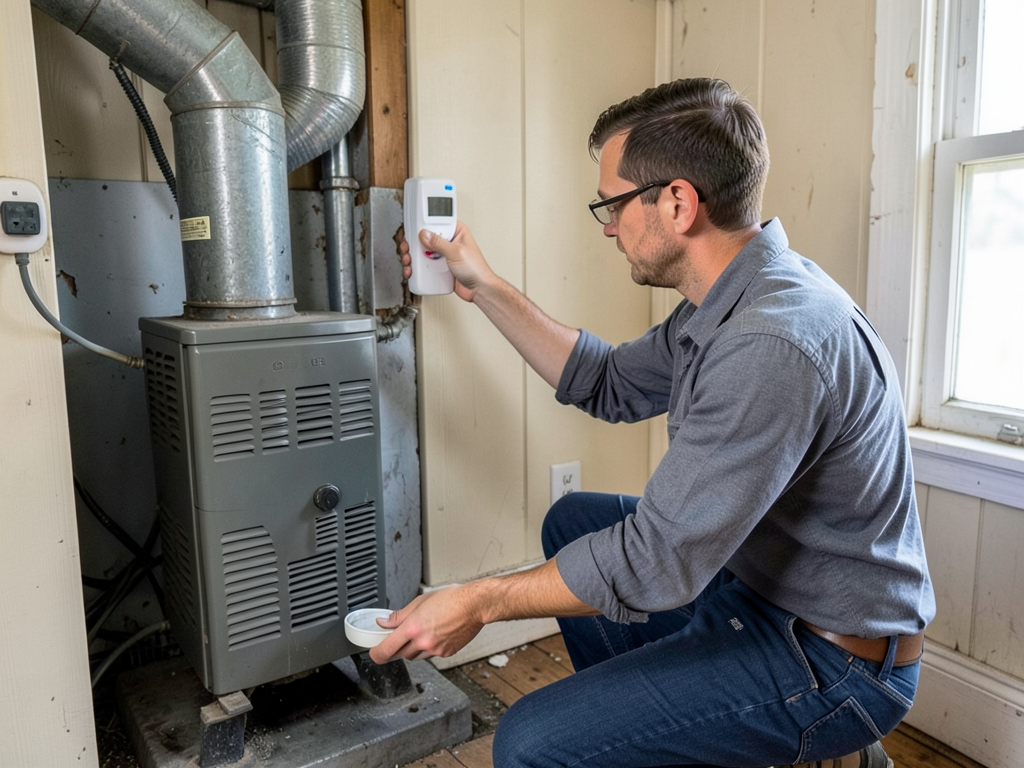
Where to Place Carbon Monoxide Detectors Near Your Furnace in a Lovejoy Home
Carbon monoxide detectors save lives but only when placed correctly near your furnace. In Lovejoy’s older homes with aging heating systems, proper detector placement becomes critical for early warning of dangerous CO leaks. This guide shows you exactly where to install detectors for maximum protection based on Buffalo’s unique housing stock and winter conditions. Emergency Furnace Repair in Amherst When Your Heat Goes Out at Night.
Understanding CO Risks in Lovejoy’s Aging Housing Stock
Lovejoy homes built before 1980 often contain mid-efficiency furnaces with heat exchangers that crack over time. These cracks allow carbon monoxide to escape into living spaces. The area’s older bungalows and Cape Cods typically have basements where furnaces sit directly beneath bedrooms, creating dangerous upward airflow patterns if leaks occur.
National Fuel’s safety data shows Erie County experiences higher CO incident rates than state averages, particularly during January and February when furnaces run continuously. The combination of Lovejoy’s older housing stock and Buffalo’s extreme winter demands makes proper detector placement essential. National Fire Protection Association CO safety tips.
Critical Placement Locations for Maximum Protection
Install detectors on every level of your home, including the basement where your furnace operates. Place one detector within 10 feet of each sleeping area. In Lovejoy’s typical bungalow layout, this means mounting detectors at the top of basement stairs and in upstairs hallways.
For basements with furnaces, mount detectors at breathing height (4-5 feet from floor) rather than near the ceiling. CO mixes with air and distributes evenly, so ceiling mounting provides no advantage and may delay detection. Keep detectors at least 15 feet from fuel-burning appliances to avoid false alarms from normal operation.
Buffalo’s Unique Winter Challenges
Lovejoy’s proximity to the Buffalo River creates microclimates where temperatures drop 5-10 degrees lower than surrounding areas. This extreme cold stresses aging furnaces, increasing the likelihood of heat exchanger cracks. Snow accumulation around exterior vents can cause backdrafting, forcing CO back into homes. HVAC Buffalo.
According to the International Fuel Gas Code Section 304.5, combustion air must flow freely to prevent dangerous CO buildup. Lovejoy’s tightly sealed older homes often lack adequate combustion air, especially after energy-efficient upgrades. This creates negative pressure that can draw exhaust gases back through heat exchangers.
Detector Types and Features for Western New York
Choose detectors with digital displays showing CO levels in parts per million. Levels above 70 ppm cause symptoms within hours, while 150+ ppm can be fatal. Models with peak level memory help track exposure patterns during Buffalo’s long heating season.
Plug-in models with battery backup work well in Lovejoy’s frequent winter power outages. Hardwired detectors with interconnected alarms ensure all units sound when one detects CO, critical in multi-level homes where leaks may start in basements.
Testing and Maintenance Schedule
Test detectors monthly by pressing the test button. Replace batteries every six months, ideally when changing clocks for daylight saving time. Detectors lose sensitivity over time – replace units every 5-7 years per manufacturer specifications.
During Buffalo’s shoulder seasons (October and April), inspect your furnace for signs of trouble: yellow flames instead of blue, soot around burners, or unusual odors. These indicate incomplete combustion producing excess CO.
Lovejoy-Specific Installation Tips
Lovejoy’s older homes often have plaster walls that require special mounting hardware. Use toggle bolts for secure installation in these surfaces. Many Lovejoy basements have exposed floor joists – mount detectors to joists using appropriate brackets rather than drywall anchors. Ductless AC Installation for Historical Homes in North Buffalo.
The area’s high water table means basements stay damp. Choose detectors with sealed battery compartments to prevent corrosion. Install units away from humidifiers and dehumidifiers to avoid moisture-related false alarms.
Emergency Response Planning
Develop a family evacuation plan that accounts for Lovejoy’s narrow streets and potential snow-blocked exits. Practice evacuating to a predetermined meeting spot, like the corner of William Street and Ludington Street, which remains plowed even during heavy storms.
Keep emergency numbers posted near detectors: National Fuel’s emergency line (800) 444-3130 and the Poison Control Center (800) 222-1222. CO poisoning symptoms include headache, dizziness, and nausea – evacuate immediately if detectors sound.
Professional Inspection Recommendations
Schedule annual furnace inspections before heating season begins. Technicians should check heat exchanger integrity using infrared cameras to detect cracks invisible to the naked eye. The EPA recommends professional inspections for all fuel-burning appliances. EPA carbon monoxide safety guidelines.
During inspections, ask technicians to verify proper venting and combustion air supply. Many Lovejoy homes need additional combustion air ducts installed to meet current code requirements.
Common Mistakes to Avoid
Never install detectors in garages, kitchens, or near windows where drafts affect readings. Avoid placing units behind furniture or in corners where air circulation is poor. Don’t rely on a single detector for multi-level homes.
Don’t ignore low-level alarms. Modern detectors sound at 30-50 ppm, much lower than dangerous levels. These warnings indicate problems requiring immediate attention.
Integration with Home Security Systems
Many Lovejoy homeowners integrate CO detectors with home security systems for 24/7 monitoring. This provides protection even when you’re away during winter vacations. Choose detectors compatible with your system’s communication protocols.
Smart detectors that send alerts to smartphones offer additional protection for frequent travelers. These units continue monitoring even if local power fails.
Special Considerations for Rental Properties
New York State law requires CO detectors in all rental units. Landlords must provide and maintain detectors, but tenants should test them upon move-in. Document detector locations and testing dates for rental properties.
Multi-family buildings in Lovejoy require detectors in each unit and common areas near combustion appliances. Hallway detectors should cover multiple units when doors remain open during evacuations.
Cost-Effective Protection Strategies
Start with basic plug-in detectors at $20-30 each. Add hardwired units as budget allows. Consider combination smoke-CO detectors to reduce installation costs while maintaining protection.
Many utility companies offer free detector programs for income-qualified households. National Fuel periodically provides detectors through community safety initiatives.
Legal Requirements and Building Codes
Erie County follows New York State Uniform Fire Prevention and Building Code requiring CO detectors in all dwellings with fuel-burning appliances. Local ordinances may impose stricter requirements for older homes undergoing renovations.
Building permits for furnace replacements must include CO detector verification. Inspectors check detector placement and functionality before final approval.
Seasonal Preparation Checklist
Before winter hits Lovejoy, complete this safety checklist: Test all detectors, replace batteries, schedule furnace inspection, clear exterior vents of debris, and verify emergency contact information is current.
Keep a battery-powered CO detector in your emergency kit. During extended power outages, generators produce CO that can backdraft into homes through vents and windows.
Recognizing Furnace Problems Early
Watch for warning signs: increased utility bills, uneven heating, strange noises, or visible rust on your furnace. These indicate potential CO risks requiring immediate professional attention.
Lovejoy’s older homes often have converted garages or additions with inadequate venting. These spaces need separate CO monitoring when fuel-burning appliances operate there.
Community Safety Resources
The Lovejoy Fire Company provides free home safety inspections. They’ll verify detector placement and check for common CO hazards specific to the area’s housing stock.
Local hardware stores on William Street stock detectors suitable for Lovejoy’s older homes. Staff can advise on proper installation for plaster walls and basement conditions.
Long-Term Protection Strategies
Consider upgrading to high-efficiency furnaces with sealed combustion chambers. These units produce minimal CO and include safety shutoffs if problems develop. While expensive, they eliminate many traditional CO risks.
Install fresh air intake systems to ensure adequate combustion air year-round. This prevents negative pressure issues common in tightly sealed older homes.
Peace of Mind Through Proper Protection
Correct CO detector placement provides confidence that your family stays safe during Buffalo’s harsh winters. The small investment in proper installation and maintenance protects against potentially fatal CO exposure.
Remember that detectors provide warning but don’t prevent problems. Regular maintenance and prompt repairs remain essential for complete safety.
Frequently Asked Questions
How many CO detectors do I need in my Lovejoy home?
Install at least one detector on each level, including the basement, and one within 10 feet of each sleeping area. Multi-level homes need multiple detectors for complete protection.
Where should I avoid placing CO detectors?
Don’t install detectors in garages, kitchens, near windows, behind furniture, or within 15 feet of fuel-burning appliances. These locations cause false alarms or delayed detection.
How often should I replace CO detectors?
Replace detectors every 5-7 years according to manufacturer specifications. Test monthly and replace batteries every six months for reliable operation. Finding the Most Reliable Furnace Repair Services in Buffalo.
What should I do if my CO detector sounds?
Evacuate immediately to fresh air. Call 911 from outside. Don’t re-enter until emergency responders declare it safe. Seek medical attention if anyone shows CO poisoning symptoms.
Are plug-in or hardwired detectors better?
Hardwired detectors with battery backup provide most reliable protection. Plug-in models work well for supplemental coverage but may fail during power outages without backup batteries.
Take Action Today
Don’t wait for an emergency to discover your CO protection is inadequate. Call (716) 317-7757 today to schedule a professional safety inspection of your furnace and CO detector placement. Our technicians understand Lovejoy’s unique housing challenges and will ensure your family stays protected all winter long.
Pick up the phone and call (716) 317-7757 before the next cold snap hits. Your family’s safety is worth a quick phone call.
{
“@context”: “https://schema.org”,
“@type”: “BlogPosting”,
“headline”: “Where to Place Carbon Monoxide Detectors Near Your Furnace in a Lovejoy Home”,
“description”: “Protect your Lovejoy family from CO poisoning. Learn expert placement for detectors near your furnace and understand Buffalo’s unique winter safety risks.”,
“wordCount”: 1571,
“datePublished”: “2026-03-25T10:12:00.000Z”,
“dateModified”: “2026-03-25T10:12:00.000Z”,
“inLanguage”: “en-US”,
“mainEntityOfPage”: {
“@type”: “WebPage”,
“@id”: “https://unitedhvacbuffalo.com”
},
“publisher”: {
“@type”: “LocalBusiness”,
“name”: “United HVAC Buffalo”,
“url”: “https://unitedhvacbuffalo.com”
},
“author”: {
“@type”: “Organization”,
“name”: “United HVAC Buffalo”,
“url”: “https://unitedhvacbuffalo.com”
},
“image”: {
“@type”: “ImageObject”,
“url”: “https://unitedhvacbuffalo.com/wp-content/uploads/2026/03/where-to-place-carbon-monoxide-detectors-near-your-1.png”
}
}
{
“@context”: “https://schema.org”,
“@type”: “HVACBusiness”,
“name”: “United HVAC Buffalo”,
“url”: “https://unitedhvacbuffalo.com”,
“address”: {
“@type”: “PostalAddress”,
“addressLocality”: “Buffalo”
},
“areaServed”: {
“@type”: “City”,
“name”: “Buffalo”
}
}
{
“@context”: “https://schema.org”,
“@type”: “FAQPage”,
“mainEntity”: [
{
“@type”: “Question”,
“name”: “How many CO detectors do I need in my Lovejoy home?”,
“acceptedAnswer”: {
“@type”: “Answer”,
“text”: “Install at least one detector on each level, including the basement, and one within 10 feet of each sleeping area. Multi-level homes need multiple detectors for complete protection.”
}
},
{
“@type”: “Question”,
“name”: “Where should I avoid placing CO detectors?”,
“acceptedAnswer”: {
“@type”: “Answer”,
“text”: “Don’t install detectors in garages, kitchens, near windows, behind furniture, or within 15 feet of fuel-burning appliances. These locations cause false alarms or delayed detection.”
}
},
{
“@type”: “Question”,
“name”: “How often should I replace CO detectors?”,
“acceptedAnswer”: {
“@type”: “Answer”,
“text”: “Replace detectors every 5-7 years according to manufacturer specifications. Test monthly and replace batteries every six months for reliable operation. Finding the Most Reliable Furnace Repair Services in Buffalo.”
}
},
{
“@type”: “Question”,
“name”: “What should I do if my CO detector sounds?”,
“acceptedAnswer”: {
“@type”: “Answer”,
“text”: “Evacuate immediately to fresh air. Call 911 from outside. Don’t re-enter until emergency responders declare it safe. Seek medical attention if anyone shows CO poisoning symptoms.”
}
},
{
“@type”: “Question”,
“name”: “Are plug-in or hardwired detectors better?”,
“acceptedAnswer”: {
“@type”: “Answer”,
“text”: “Hardwired detectors with battery backup provide most reliable protection. Plug-in models work well for supplemental coverage but may fail during power outages without backup batteries.”
}
}
]
}
{
“@context”: “https://schema.org”,
“@type”: “BreadcrumbList”,
“itemListElement”: [
{
“@type”: “ListItem”,
“position”: 1,
“name”: “Home”,
“item”: “https://unitedhvacbuffalo.com”
},
{
“@type”: “ListItem”,
“position”: 2,
“name”: “Blog”,
“item”: “https://unitedhvacbuffalo.com/blog”
},
{
“@type”: “ListItem”,
“position”: 3,
“name”: “Where to Place Carbon Monoxide Detectors Near Your Furnace in a Lovejoy Home”
}
]
}
{
“@context”: “https://schema.org”,
“@type”: “Service”,
“serviceType”: “HVAC”,
“provider”: {
“@type”: “LocalBusiness”,
“name”: “United HVAC Buffalo”,
“url”: “https://unitedhvacbuffalo.com”
},
“areaServed”: {
“@type”: “City”,
“name”: “Buffalo”
},
“description”: “Protect your Lovejoy family from CO poisoning. Learn expert placement for detectors near your furnace and understand Buffalo’s unique winter safety risks.”
}