
Your downtown Buffalo loft feels like a sauna of garlic and onion fumes. Every time you cook, the smell clings to everything for days. You’re not imagining it. The historic brick walls and open floor plans that make your loft charming also trap odors like a sealed jar. HVAC Buffalo.
The problem starts with how these buildings were originally designed. Most downtown Buffalo lofts are repurposed from early 20th-century warehouses or factories. They were built for storage, not living. The high ceilings and thick masonry were meant to keep goods cool, not to move air through the space.
Modern kitchen ventilation systems need to move a specific amount of air to clear cooking fumes. That’s measured in cubic feet per minute (CFM). For a standard 30-inch range, you need at least 300 CFM. But many lofts have recirculating hoods that just push air around, or exhaust fans that vent into the building’s attic space instead of outside.. Read more about Preparing Your HVAC System for a Large Buffalo Bills Watch Party Crowd.
Buffalo’s climate makes it worse. When winter temperatures drop below zero, you seal your loft tight. No drafts, no fresh air. Your kitchen fan might be working, but without makeup air coming in, it can’t push the old air out. The result is a pressure imbalance that keeps smells trapped.
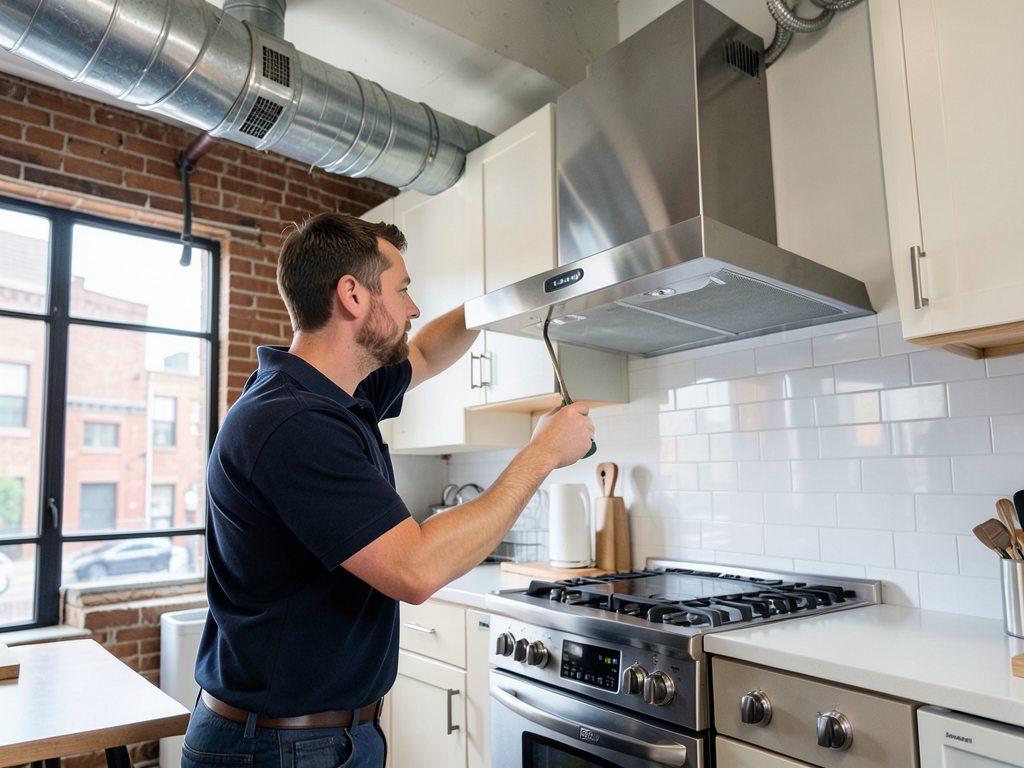
Let’s look at what’s actually happening in your loft. The walls are likely uninsulated brick. The windows are probably original single-pane glass. Your HVAC system, if you have one, was probably added as an afterthought. These factors create what we call a “thermal envelope” that’s more like a sieve than a sealed container.
During cooking, you’re generating heat, moisture, and grease particles. In a properly ventilated space, these would rise and exit through a range hood. But in your loft, they hit the cold brick walls and condense. The moisture stays, and the grease particles settle on surfaces. That’s why your cabinets smell like last week’s curry.
The solution isn’t just a bigger fan. You need a complete ventilation strategy. That means proper duct sizing, exterior venting, and a makeup air system that replaces the air your fan is exhausting. Without that, you’re just creating negative pressure that pulls air from other parts of the building, bringing more odors with it.
Many loft owners try DIY fixes. They clean their filters more often or buy charcoal filters for recirculating hoods. These help a little, but they don’t address the fundamental problem. Your loft needs a ventilation system designed for the space, not a generic kitchen fan.
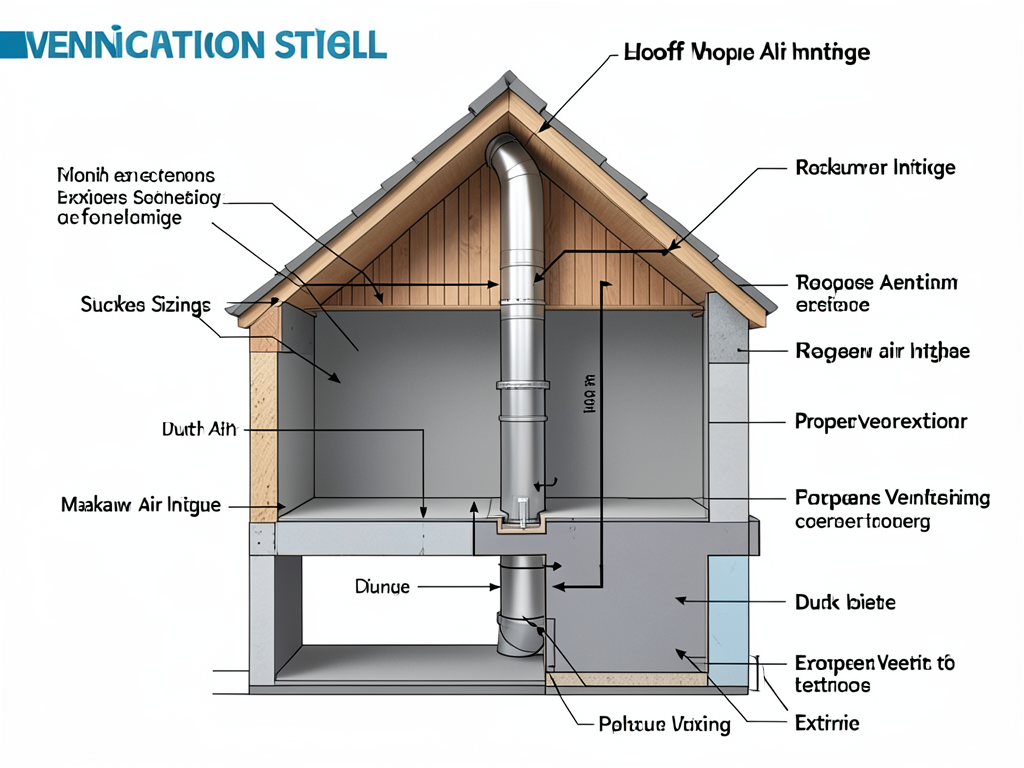
Common mistakes we see in Buffalo lofts include venting through the roof without proper insulation. In winter, that warm, moist air hits the cold duct and condenses into ice. The ice blocks the vent, and your fan just circulates the same air. We also see fans installed in exterior walls that face prevailing winds. When the wind blows, it pushes air back down the duct, bringing outside smells in.
The right solution depends on your specific loft layout. A narrow shotgun-style loft needs different ventilation than a wide open-plan space. The key is calculating the air changes per hour your space needs. For a kitchen, that’s typically 15-20 air changes per hour during cooking. Choosing the Right HVAC Contractor for Your West Seneca Home Renovation.
Let’s talk about what you can do right now. First, check if your range hood actually vents outside. Go outside and feel for air movement when the fan runs. If you don’t feel anything, it’s probably recirculating. Second, look at your filters. If they’re caked with grease, they’re not moving air effectively. Third, consider the placement of your cooking area. If it’s near a window, you might be able to use a window fan to create cross-ventilation.
For a permanent fix, you need professional assessment. That means measuring your loft’s cubic footage, calculating the BTU output of your range, and determining the right duct size. A 6-inch duct might work for a small apartment, but your loft might need 8 or 10 inches to move enough air.. Read more about Custom HVAC Solutions for Small Businesses and Restaurants in Allentown.
Buffalo’s building codes require specific ventilation standards for residential spaces. The New York State Uniform Fire Prevention and Building Code mandates that kitchen exhaust systems must vent directly to the exterior. They can’t terminate in attics or crawl spaces. This is for fire safety and to prevent moisture damage.
Another factor is the age of your building’s electrical system. Many lofts in the Chippewa Street corridor were built before modern electrical codes. Your kitchen might not have the dedicated 20-amp circuit needed for a high-CFM range hood. We often find that upgrading ventilation means upgrading electrical service too.
The cost of proper ventilation varies widely. A basic upgrade might run $1,500-2,500. A complete system with makeup air could be $4,000-6,000. But consider the alternative. Lingering cooking smells reduce your quality of life. They can also affect your health. Volatile organic compounds from cooking can irritate your lungs and eyes.
Let’s compare your options in a simple table:
| Ventilation Type | Cost Range | Effectiveness | Best For |
|---|---|---|---|
| Recirculating Hood | $200-500 | Poor | Very small spaces |
| Basic Exhaust Fan | $500-1,500 | Fair | Studio apartments |
| Professional System | $2,000-6,000 | Excellent | Lofts and open spaces |
The difference in effectiveness isn’t just about price. It’s about design. A professional system accounts for your loft’s specific challenges: the brick walls, the high ceilings, the lack of natural air movement.
Here’s what the installation process looks like:
- Assessment – We measure your space and evaluate existing ventilation
- Design – We create a system that moves the right amount of air
- Installation – We run new ducts, install the fan, and add makeup air
- Testing – We verify the system moves air as designed
- Follow-up – We show you how to maintain the system
The testing phase is crucial. We use smoke pencils to visualize air movement. We measure air velocity with anemometers. We check for backdraft with pressure gauges. This isn’t guesswork. It’s engineering.
Many loft owners worry about the aesthetics of ventilation upgrades. Modern systems can be sleek and minimal. The ductwork can run inside existing walls or above cabinets. The exhaust vent can match your exterior brick. The goal is function that doesn’t compromise your loft’s character.
Energy efficiency matters too. A high-CFM fan running constantly can increase your electric bill. But a properly designed system runs at lower speeds most of the time, only ramping up during cooking. Some systems have sensors that detect heat and smoke, adjusting automatically.
The long-term benefits go beyond just removing cooking smells. Proper ventilation reduces humidity, which prevents mold growth. It removes airborne grease that can damage your cabinets and electronics. It creates a more comfortable living environment year-round.
If you’re renting, you might think you’re stuck with bad ventilation. But many landlords are willing to invest in improvements, especially if you can show how it increases property value. A well-ventilated loft rents for more and has lower turnover.
The bottom line is this: your cooking smells aren’t a personal failing. They’re a building science problem. And building science problems have building science solutions. The right ventilation system can transform your loft from a smell-trap to a fresh, comfortable space.
Don’t wait until the next batch of fish makes your entire loft smell like a dockside restaurant. Call (716) 317-7757 today to schedule your ventilation assessment. We’ll measure your space, evaluate your current system, and give you a clear plan for fresh air. Your nose will thank you.
Frequently Asked Questions
How do I know if my range hood actually vents outside?
Go outside while the fan runs and feel for air movement near the exterior wall or roof. If you don’t feel anything, it’s probably recirculating. You can also look for a duct that runs from the hood to an exterior wall or roof vent.
Can I install a better ventilation system myself?
DIY installation is risky. Improper duct sizing, wrong fan placement, or inadequate makeup air can create bigger problems. Plus, Buffalo’s building codes require permits for ventilation changes. Professional installation ensures code compliance and proper function. Ductless AC Installation for Historical Homes in North Buffalo.
How much does it cost to fix ventilation in a loft?
Costs range from $1,500 for basic upgrades to $6,000 for complete systems with makeup air. The price depends on your loft’s size, existing infrastructure, and the complexity of the installation. We provide free assessments to give you accurate quotes.
Will better ventilation increase my electric bill?
A properly designed system actually saves energy. It runs at lower speeds most of the time and only ramps up when needed. Plus, by removing humidity and heat, it reduces the load on your air conditioning in summer.
How long does installation take?
Most ventilation upgrades take 1-2 days. Complex installations might take 3-4 days. We work around your schedule and keep disruption to a minimum. The testing and adjustment phase is crucial for ensuring the system works correctly. For more information, visit National Fire Protection Association ventilation standards. For more information, visit EPA indoor air quality guidelines.
You may also find this helpful. Surviving Spring Allergy Season Near Delaware Park with Better Home Air Filtration.
You may also find this helpful. How to Stop Your AC from Smelling Like Dirty Socks During a Humid Week in Sloan.
{
“@context”: “https://schema.org”,
“@type”: “BlogPosting”,
“headline”: “Why Your Kitchen Cooking Smells Stay Trapped in Your Downtown Buffalo Loft”,
“description”: “Learn why cooking odors linger in Buffalo lofts and how to fix ventilation issues. Get expert HVAC solutions for your downtown apartment.”,
“wordCount”: 1500,
“datePublished”: “2026-05-15T08:09:00.000Z”,
“dateModified”: “2026-05-15T08:09:00.000Z”,
“inLanguage”: “en-US”,
“mainEntityOfPage”: {
“@type”: “WebPage”,
“@id”: “https://unitedhvacbuffalo.com”
},
“publisher”: {
“@type”: “LocalBusiness”,
“name”: “United HVAC Buffalo”,
“url”: “https://unitedhvacbuffalo.com”
},
“author”: {
“@type”: “Organization”,
“name”: “United HVAC Buffalo”,
“url”: “https://unitedhvacbuffalo.com”
},
“image”: {
“@type”: “ImageObject”,
“url”: “https://unitedhvacbuffalo.com/wp-content/uploads/2026/03/why-your-kitchen-cooking-smells-stay-trapped-in-yo-1.png”
}
}
{
“@context”: “https://schema.org”,
“@type”: “HVACBusiness”,
“name”: “United HVAC Buffalo”,
“url”: “https://unitedhvacbuffalo.com”,
“address”: {
“@type”: “PostalAddress”,
“addressLocality”: “Buffalo”
},
“areaServed”: {
“@type”: “City”,
“name”: “Buffalo”
}
}
{
“@context”: “https://schema.org”,
“@type”: “FAQPage”,
“mainEntity”: [
{
“@type”: “Question”,
“name”: “How do I know if my range hood actually vents outside?”,
“acceptedAnswer”: {
“@type”: “Answer”,
“text”: “Go outside while the fan runs and feel for air movement near the exterior wall or roof. If you don’t feel anything, it’s probably recirculating. You can also look for a duct that runs from the hood to an exterior wall or roof vent.”
}
},
{
“@type”: “Question”,
“name”: “Can I install a better ventilation system myself?”,
“acceptedAnswer”: {
“@type”: “Answer”,
“text”: “DIY installation is risky. Improper duct sizing, wrong fan placement, or inadequate makeup air can create bigger problems. Plus, Buffalo’s building codes require permits for ventilation changes. Professional installation ensures code compliance and proper function. Ductless AC Installation for Historical Homes in North Buffalo.”
}
},
{
“@type”: “Question”,
“name”: “How much does it cost to fix ventilation in a loft?”,
“acceptedAnswer”: {
“@type”: “Answer”,
“text”: “Costs range from $1,500 for basic upgrades to $6,000 for complete systems with makeup air. The price depends on your loft’s size, existing infrastructure, and the complexity of the installation. We provide free assessments to give you accurate quotes.”
}
},
{
“@type”: “Question”,
“name”: “Will better ventilation increase my electric bill?”,
“acceptedAnswer”: {
“@type”: “Answer”,
“text”: “A properly designed system actually saves energy. It runs at lower speeds most of the time and only ramps up when needed. Plus, by removing humidity and heat, it reduces the load on your air conditioning in summer.”
}
}
]
}
{
“@context”: “https://schema.org”,
“@type”: “BreadcrumbList”,
“itemListElement”: [
{
“@type”: “ListItem”,
“position”: 1,
“name”: “Home”,
“item”: “https://unitedhvacbuffalo.com”
},
{
“@type”: “ListItem”,
“position”: 2,
“name”: “Blog”,
“item”: “https://unitedhvacbuffalo.com/blog”
},
{
“@type”: “ListItem”,
“position”: 3,
“name”: “Why Your Kitchen Cooking Smells Stay Trapped in Your Downtown Buffalo Loft”
}
]
}
{
“@context”: “https://schema.org”,
“@type”: “Service”,
“serviceType”: “HVAC”,
“provider”: {
“@type”: “LocalBusiness”,
“name”: “United HVAC Buffalo”,
“url”: “https://unitedhvacbuffalo.com”
},
“areaServed”: {
“@type”: “City”,
“name”: “Buffalo”
},
“description”: “Learn why cooking odors linger in Buffalo lofts and how to fix ventilation issues. Get expert HVAC solutions for your downtown apartment.”
}