
How to Tell if Your Current HVAC System is the Wrong Size for Your Grand Island Property
Your furnace or air conditioner should keep your Grand Island home comfortable without running constantly or shutting off every few minutes. If it does either of those things, you might have the wrong size HVAC system for your home. A system that is too small cannot keep up with extreme weather and runs nonstop trying to reach the thermostat setting. A system that is too large cools or heats the air so quickly that it never runs long enough to remove humidity or distribute air evenly through your home. Emergency Furnace Repair in Amherst When Your Heat Goes Out at Night.
Grand Island sits in a unique climate zone where cold lake-effect winters and humid summer days create specific HVAC challenges. The local building stock ranges from 1960s ranch homes to newer construction, each with different insulation levels and air leakage patterns. Understanding how to spot the warning signs of an incorrectly sized system can save you from uncomfortable rooms, high energy bills, and premature equipment failure.. Read more about Protecting Your Basement from Lake Effect Snowmelt with the Right Sump Pump.
Why Grand Island Homes Need Properly Sized HVAC Systems
The Niagara River creates a microclimate that affects heating and cooling loads. Grand Island experiences colder winter temperatures than inland areas due to the lake effect, while summer humidity can make cooling feel less effective. These conditions mean your HVAC system must handle both temperature and moisture control efficiently.
Local building codes require HVAC installations to meet specific efficiency standards. The New York State Uniform Fire Prevention and Building Code mandates that all new or replacement systems comply with Manual J load calculations. This ensures equipment capacity matches the actual heating and cooling needs of your home rather than just matching square footage. Ductless AC Installation for Historical Homes in North Buffalo.
Signs Your Grand Island HVAC System is Too Small
A furnace that is too small for your home will run continuously during cold spells without reaching the desired temperature. You might notice the system never shuts off, even when outdoor temperatures moderate. The air coming from vents feels lukewarm rather than hot, and certain rooms stay colder than others. Outdoor Unit Not Spinning.
During summer, an undersized air conditioner will struggle to cool your home below 78-80 degrees even when running nonstop. The system may ice up on the indoor coil due to constant operation, and humidity levels will remain high because the unit cannot run long enough to remove moisture from the air.
Signs Your Grand Island HVAC System is Too Large
A furnace that is too large will heat your home so quickly that it shuts off before all rooms reach the same temperature. This creates cold spots and hot spots throughout your house. You will hear the system start and stop frequently, sometimes cycling on and off every few minutes.
Large air conditioners suffer from short cycling, which prevents proper dehumidification. The system cools the air rapidly but does not run long enough to remove moisture. This leaves your home feeling clammy and uncomfortable even when the temperature reads cool. You may notice condensation on windows and a musty smell in certain rooms.
How Manual J Calculations Determine the Right Size
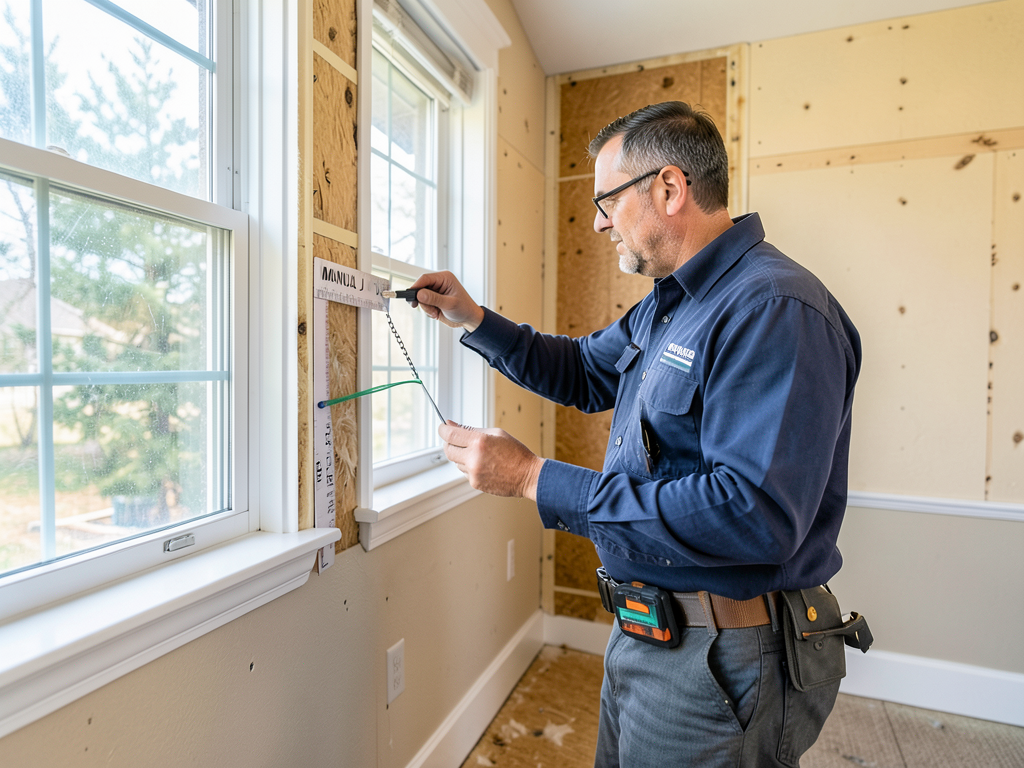
Manual J is the industry standard for HVAC sizing that considers your home’s specific characteristics. The calculation accounts for square footage, ceiling height, insulation levels, window types and orientation, air infiltration, and local climate data. For Grand Island, the 99% design temperature is -5°F for heating and 90°F for cooling.
Older Grand Island homes built before 1980 often have different requirements than newer construction. Many 1960s and 1970s ranches have minimal wall insulation and single-pane windows that increase heating and cooling loads. A proper Manual J calculation will identify these factors and recommend appropriate equipment size.
BTU Requirements for Grand Island Homes
The heating requirement for Grand Island homes typically ranges from 30 to 50 BTUs per square foot, depending on construction quality. A 2,000-square-foot home might need 60,000 to 100,000 BTUs for heating. Cooling requirements usually fall between 20 to 25 BTUs per square foot.
Table 1 shows typical BTU requirements for common Grand Island home sizes:
| Home Size (sq ft) | Heating BTUs | Cooling BTUs |
|---|---|---|
| 1,500 | 45,000-75,000 | 30,000-37,500 |
| 2,000 | 60,000-100,000 | 40,000-50,000 |
| 2,500 | 75,000-125,000 | 50,000-62,500 |
| 3,000 | 90,000-150,000 | 60,000-75,000 |
The Impact of Grand Island’s Climate on HVAC Sizing
Grand Island’s location in the Niagara River creates specific climate challenges. The island experiences more temperature extremes than mainland areas due to its exposure to wind across open water. Winter design temperatures can drop to -10°F during severe lake-effect events, while summer humidity often exceeds 80%.
Local soil conditions also affect HVAC performance. Grand Island has heavy clay soil that can impact foundation insulation and create moisture problems in basements. These factors increase the heating load and may require additional capacity in your HVAC system.
Common HVAC Sizing Mistakes in Grand Island Homes
Many Grand Island homeowners replace their HVAC systems without proper sizing calculations. Contractors often use simple square footage rules that do not account for local climate or home construction quality. This leads to systems that are too large or too small for actual needs.
Another common mistake involves replacing only the outdoor unit while keeping the existing indoor coil and furnace. This mismatch can reduce efficiency by 15-20% and cause the system to operate outside its optimal performance range.
Testing Your Current System’s Performance
You can perform a simple test to check if your system is cycling properly. Set your thermostat to 72°F in winter and observe how long the furnace runs before shutting off. A properly sized system should run for 10-15 minutes and then remain off for at least 5 minutes.
For cooling, set the thermostat to 75°F and monitor the air conditioner. It should run for 15-20 minutes before cycling off, with at least 7-10 minutes between cycles. Constant short cycling or continuous operation indicates sizing problems.
Energy Bill Analysis as a Sizing Indicator
Your energy bills can reveal sizing issues. Compare your usage to similar homes in your neighborhood. If your bills are significantly higher despite similar home sizes, your system may be oversized and cycling inefficiently.
During extreme weather, oversized systems use more energy starting and stopping than they save from shorter run times. A properly sized system runs longer at lower power consumption, which is more efficient than frequent cycling.
When to Consider HVAC Replacement
Consider replacement if your system is more than 15 years old, requires frequent repairs, or shows signs of incorrect sizing. Modern high-efficiency systems can reduce energy costs by 20-40% compared to older equipment.
Grand Island homeowners should also consider replacement if adding home additions or finishing basements increases their living space by more than 10%. The additional square footage may require larger equipment capacity.
The Cost of Incorrect Sizing
Oversized systems cost more to operate due to frequent cycling and reduced efficiency. They also experience more wear on components, leading to earlier failure of compressors, motors, and control boards. The lifespan of an oversized system may be 5-7 years shorter than a properly sized unit.
Undersized systems run continuously, increasing energy consumption and causing components to wear out faster. The constant operation can lead to heat exchanger cracks in furnaces and compressor failure in air conditioners.
Professional HVAC Sizing Process
A professional HVAC contractor will perform a complete Manual J load calculation that includes blower door testing to measure air infiltration, infrared scanning to identify insulation gaps, and duct leakage testing. These diagnostic tests provide accurate data for proper equipment sizing.
The contractor will also evaluate your existing ductwork to ensure it can handle the required airflow. Undersized ducts create pressure problems that reduce system efficiency regardless of equipment size.
Local Building Code Requirements
Grand Island falls under Erie County jurisdiction, which requires permits for HVAC replacements. The New York State Energy Conservation Construction Code mandates specific efficiency levels and proper sizing documentation for all new installations.
Local inspectors verify that Manual J calculations accompany all permit applications. This ensures that installed equipment meets both safety standards and energy efficiency requirements.
Financing and Rebate Options
National Fuel Gas offers rebates for high-efficiency furnace installations in Erie County. Current rebates range from $200 to $400 for furnaces with 95% or higher AFUE ratings. NYSERDA also provides incentives for energy-efficient HVAC upgrades through their Clean Heat program. National Fuel Gas rebates.
Many contractors offer financing options that allow you to spread the cost of a properly sized system over several years. This can make the investment more manageable while providing immediate energy savings.
Call (716) 317-7757 Today for a Professional Assessment
Stop guessing about your HVAC system size. Call (716) 317-7757 today to schedule a comprehensive evaluation of your Grand Island home’s heating and cooling needs. Our technicians use industry-standard Manual J calculations and diagnostic testing to ensure you get the right size system for your specific home. Choosing the Right HVAC Contractor for Your West Seneca Home Renovation.
Don’t wait until your system fails during extreme weather. Pick up the phone and call (716) 317-7757 before the next cold snap or heat wave hits. We serve all of Grand Island and can have a technician at your home within 24 hours for most appointments.
Frequently Asked Questions
How do I know if my HVAC system is the wrong size?
Look for signs like constant operation, frequent cycling, uneven temperatures between rooms, high humidity in summer, or inability to reach thermostat settings. These symptoms indicate your system may be too large or too small for your home’s actual needs.
What is the cost difference between properly sized and incorrectly sized HVAC systems?
Incorrectly sized systems can cost 20-40% more to operate annually due to inefficiency. Additionally, they typically fail 5-7 years earlier than properly sized units, adding thousands in premature replacement costs.
How long does a professional HVAC sizing assessment take?
A complete Manual J load calculation with diagnostic testing typically takes 2-3 hours for an average home. The assessment includes measuring your home, evaluating insulation, testing ductwork, and calculating precise heating and cooling requirements.
Can I just replace my outdoor unit and keep the existing indoor equipment?
Replacing only the outdoor unit often creates mismatched capacity between the indoor and outdoor components. This can reduce efficiency by 15-20% and may void manufacturer warranties. Always replace both components as a matched system.
Are there rebates available for new HVAC systems in Grand Island?
Yes, National Fuel Gas offers rebates of $200-$400 for high-efficiency furnaces in Erie County. NYSERDA also provides incentives through their Clean Heat program. Check with your contractor for current rebate offerings and eligibility requirements. NYSERDA Clean Heat program.
You may also find this helpful. Picking the Right Whole House Humidifier for Dry Buffalo Winters.
{
“@context”: “https://schema.org”,
“@type”: “BlogPosting”,
“headline”: “How to Tell if Your Current HVAC System is the Wrong Size for Your Grand Island Property”,
“description”: “Is your HVAC system constantly running or short-cycling? Learn how to diagnose if your Grand Island system is the wrong size using Manual J calculations and local climate data.”,
“wordCount”: 1785,
“datePublished”: “2026-03-12T11:31:00.000Z”,
“dateModified”: “2026-03-12T11:31:00.000Z”,
“inLanguage”: “en-US”,
“mainEntityOfPage”: {
“@type”: “WebPage”,
“@id”: “https://unitedhvacbuffalo.com”
},
“publisher”: {
“@type”: “LocalBusiness”,
“name”: “United HVAC Buffalo”,
“url”: “https://unitedhvacbuffalo.com”
},
“author”: {
“@type”: “Organization”,
“name”: “United HVAC Buffalo”,
“url”: “https://unitedhvacbuffalo.com”
},
“image”: {
“@type”: “ImageObject”,
“url”: “https://unitedhvacbuffalo.com/wp-content/uploads/2026/03/how-to-tell-if-your-current-hvac-system-is-the-wro-1.png”
}
}
{
“@context”: “https://schema.org”,
“@type”: “HVACBusiness”,
“name”: “United HVAC Buffalo”,
“url”: “https://unitedhvacbuffalo.com”,
“address”: {
“@type”: “PostalAddress”,
“addressLocality”: “Buffalo”
},
“areaServed”: {
“@type”: “City”,
“name”: “Buffalo”
}
}
{
“@context”: “https://schema.org”,
“@type”: “FAQPage”,
“mainEntity”: [
{
“@type”: “Question”,
“name”: “How do I know if my HVAC system is the wrong size?”,
“acceptedAnswer”: {
“@type”: “Answer”,
“text”: “Look for signs like constant operation, frequent cycling, uneven temperatures between rooms, high humidity in summer, or inability to reach thermostat settings. These symptoms indicate your system may be too large or too small for your home’s actual needs.”
}
},
{
“@type”: “Question”,
“name”: “What is the cost difference between properly sized and incorrectly sized HVAC systems?”,
“acceptedAnswer”: {
“@type”: “Answer”,
“text”: “Incorrectly sized systems can cost 20-40% more to operate annually due to inefficiency. Additionally, they typically fail 5-7 years earlier than properly sized units, adding thousands in premature replacement costs.”
}
},
{
“@type”: “Question”,
“name”: “How long does a professional HVAC sizing assessment take?”,
“acceptedAnswer”: {
“@type”: “Answer”,
“text”: “A complete Manual J load calculation with diagnostic testing typically takes 2-3 hours for an average home. The assessment includes measuring your home, evaluating insulation, testing ductwork, and calculating precise heating and cooling requirements.”
}
},
{
“@type”: “Question”,
“name”: “Can I just replace my outdoor unit and keep the existing indoor equipment?”,
“acceptedAnswer”: {
“@type”: “Answer”,
“text”: “Replacing only the outdoor unit often creates mismatched capacity between the indoor and outdoor components. This can reduce efficiency by 15-20% and may void manufacturer warranties. Always replace both components as a matched system.”
}
},
{
“@type”: “Question”,
“name”: “Are there rebates available for new HVAC systems in Grand Island?”,
“acceptedAnswer”: {
“@type”: “Answer”,
“text”: “Yes, National Fuel Gas offers rebates of $200-$400 for high-efficiency furnaces in Erie County. NYSERDA also provides incentives through their Clean Heat program. Check with your contractor for current rebate offerings and eligibility requirements. NYSERDA Clean Heat program.”
}
}
]
}
{
“@context”: “https://schema.org”,
“@type”: “BreadcrumbList”,
“itemListElement”: [
{
“@type”: “ListItem”,
“position”: 1,
“name”: “Home”,
“item”: “https://unitedhvacbuffalo.com”
},
{
“@type”: “ListItem”,
“position”: 2,
“name”: “Blog”,
“item”: “https://unitedhvacbuffalo.com/blog”
},
{
“@type”: “ListItem”,
“position”: 3,
“name”: “How to Tell if Your Current HVAC System is the Wrong Size for Your Grand Island Property”
}
]
}
{
“@context”: “https://schema.org”,
“@type”: “Service”,
“serviceType”: “HVAC”,
“provider”: {
“@type”: “LocalBusiness”,
“name”: “United HVAC Buffalo”,
“url”: “https://unitedhvacbuffalo.com”
},
“areaServed”: {
“@type”: “City”,
“name”: “Buffalo”
},
“description”: “Is your HVAC system constantly running or short-cycling? Learn how to diagnose if your Grand Island system is the wrong size using Manual J calculations and local climate data.”
}