
Buffalo summers bring more than just heat. Lake Erie’s proximity means humidity levels often climb above 70% for weeks at a time. That sticky air makes your air conditioning work harder and can lead to musty odors, mold growth, and warped wood floors. A whole house dehumidifier can solve these problems by removing excess moisture from every room. HVAC Buffalo.
A portable unit might seem like the cheaper option at first glance. But when you factor in the daily chore of emptying water buckets and the limited coverage area, the math changes quickly. Whole house systems connect directly to your HVAC equipment, automatically drain through your home’s plumbing, and can handle up to 4,500 square feet of living space.
The right choice depends on your home’s size, your basement’s moisture level, and how much you value convenience. Let’s break down the key differences so you can make an informed decision before the next heat wave hits. Choosing the Right HVAC Contractor for Your West Seneca Home Renovation.
Portable Dehumidifiers: Pros, Cons, and Best Use Cases
Portable units work well for small spaces like apartments or single rooms. They typically remove 30-70 pints of water per day and cost between $150-400 upfront. You’ll need to empty the collection bucket every 1-2 days during peak summer months or set up a continuous drain hose.
The biggest drawbacks show up quickly. Most portables only cover 1,500 square feet maximum. They produce noise levels around 50-60 decibels – about as loud as a normal conversation. The compressor runs constantly in humid conditions, driving up your electric bill. And they take up valuable floor space in already cramped rooms.
For Buffalo’s older homes with finished basements, portable units often can’t keep up with the moisture load. The clay soil in Erie County holds water, and many homes built before 1980 lack proper vapor barriers. You might find yourself emptying buckets twice daily just to keep humidity below 60%.
Whole-House Dehumidifiers: The Professional Solution
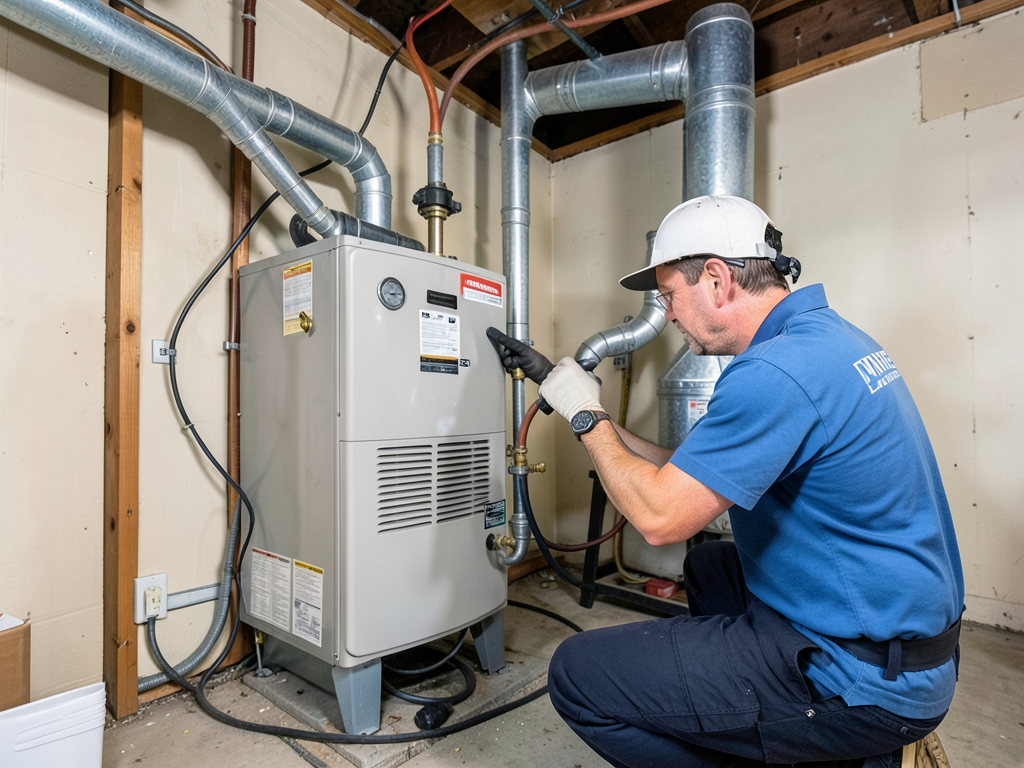
Whole house systems integrate with your existing furnace or air handler. They use your home’s ductwork to distribute dry air throughout every room. Most models remove 90-135 pints per day and can handle homes up to 5,000 square feet. Emergency Furnace Repair in Amherst When Your Heat Goes Out at Night.
The installation process involves mounting the unit near your HVAC equipment and connecting it to your home’s drainage system. Many Buffalo homes have floor drains in basements, making condensate removal simple. The system runs automatically based on humidity settings you control via thermostat or smartphone app. Ductless AC Installation for Historical Homes in North Buffalo.
Energy efficiency matters here. Look for Energy Star certified models that use variable-speed compressors. These adjust their output based on moisture levels rather than cycling on and off. Over a typical summer, you’ll save $15-25 monthly compared to running multiple portable units. Energy Star certified dehumidifiers.
Advanced filtration comes standard with whole house systems. Most include MERV 11 or higher filters that capture dust, pollen, and mold spores. This improves indoor air quality while removing moisture – something portable units can’t match.
The ‘Buffalo Factor’: Why Local Climate Matters
Buffalo’s unique geography creates humidity challenges other cities don’t face. Lake Erie acts as a massive moisture source, especially during southwesterly winds. Summer afternoon humidity often reaches 85% by 3 PM, then drops only slightly overnight.
The frost line in Erie County sits around 3-4 feet deep. This means many Buffalo homes have basements that stay cool year-round. Cool surfaces combined with warm, moist air create perfect conditions for condensation on walls and floors.
Historic neighborhoods like Elmwood Village and Allentown face additional challenges. Many homes built before 1940 have plaster walls that absorb moisture like sponges. The narrow lot sizes common in these areas mean homes sit close together, reducing air circulation between buildings.
During severe weather events, power outages become common. Whole house dehumidifiers with battery backup or generator connections keep working when you need them most. Portable units become useless without electricity.. Read more about How to Choose a Quiet Dehumidifier for Your Finished North Tonawanda Basement.
Comparison Table: Cost, Maintenance, and Performance
| Feature | Portable Unit | Whole House System |
|---|---|---|
| Initial Cost | $150-400 | $1,200-2,500 |
| Installation | None – plug and play | $300-600 professional install |
| Daily Capacity | 30-70 pints | 90-135 pints |
| Coverage Area | Up to 1,500 sq ft | Up to 5,000 sq ft |
| Noise Level | 50-60 dB | 40-45 dB |
| Maintenance | Empty bucket every 1-2 days | Annual filter change |
| Lifespan | 3-5 years | 10-15 years |
| Energy Use | 5-7 kWh per day | 3-4 kWh per day |
Maintenance and Longevity in WNY
Buffalo’s humid summers mean your dehumidifier works hardest from June through September. During this period, check the filter monthly and clean it if needed. The unit’s drain line can develop algae growth in our warm, wet conditions.
Whole house systems need annual professional maintenance. A technician will check refrigerant levels, clean the coils, and test the humidistat accuracy. This service typically costs $150-200 and prevents the most common failure – the compressor burning out from overwork.
Portable units require more frequent attention. The collection bucket needs washing weekly to prevent mold growth. The air intake filter clogs quickly with Buffalo’s pollen and dust. Most portables fail within 3-4 summers due to the constant cycling in our climate.
For homes in Cheektowaga or Lancaster where basements often sit below grade, consider a condensate pump if your floor drain sits higher than the dehumidifier. This prevents water backup during heavy summer rains when the ground is already saturated.
Energy Efficiency and Cost Savings
Energy Star certification matters more than you might think. Certified whole house dehumidifiers use 15% less energy than standard models. Over a typical cooling season, this translates to $40-60 in savings.
The real savings come from reduced air conditioning use. When humidity drops from 70% to 50%, you can set your thermostat 2-3 degrees higher without sacrificing comfort. This cuts cooling costs by 10-15% during July and August.
National Grid and NYSEG offer rebates for Energy Star certified whole house dehumidifiers. Current programs provide $100-150 back on qualifying models. These rebates change annually, so check with your utility provider before purchasing. National Grid dehumidifier rebates.
Operating costs vary by home size. A 2,500 square foot home in Orchard Park might spend $25-35 monthly running a whole house system during peak summer. The same home would need three portable units costing $45-60 monthly plus the hassle of manual emptying. Orchard Park Homeowners’ Guide to Replacing an Aging Heat Pump.
Installation Considerations for Buffalo Homes
Older Buffalo homes present unique installation challenges. Many pre-1950 homes lack dedicated return air pathways to the basement. Your HVAC contractor might need to install additional ductwork to ensure proper air circulation.
Attic installations work well for homes without basements. The unit mounts near the air handler, and condensate drains through the soffit. This keeps the system out of living spaces while maintaining easy access for maintenance.
Floor drain availability affects installation cost. Homes with nearby drains save $100-200 on installation since no condensate pump is needed. If your nearest drain sits 20+ feet away, factor in pump costs.
Electrical requirements matter too. Most whole house dehumidifiers need a dedicated 15-20 amp circuit. Older homes might require electrical panel upgrades, adding $300-500 to the project cost.
Noise Levels and Placement
Noise becomes a major factor in smaller Buffalo homes. Whole house units operate at 40-45 decibels when properly installed – quieter than a refrigerator. Portable units often exceed 55 decibels, which can disrupt sleep or conversation.
Basement installations keep noise out of living areas. The concrete foundation naturally dampens sound transmission. If your HVAC equipment sits in a utility closet, consider sound-dampening insulation during installation.
For homes in Kenmore or Depew where living space sits above the garage, garage installations work well. The concrete floor and open space prevent sound reflection. Just ensure the unit has proper clearance for airflow.
Health Benefits Beyond Moisture Control
High humidity creates more problems than discomfort. Dust mites thrive when relative humidity exceeds 60%. These microscopic pests trigger allergies and asthma attacks. Mold spores germinate in 24-48 hours when surfaces stay damp.
Buffalo’s aging housing stock means many homes have hidden moisture issues. Water stains on ceilings, peeling wallpaper, and musty odors indicate problems that dehumidification alone won’t fix. You might need roof repairs or basement waterproofing first.
Improved air quality provides immediate benefits. When humidity drops below 50%, airborne allergens settle faster. You’ll notice less dust accumulation on furniture and fewer morning allergy symptoms.
Wood furniture and flooring last longer in properly humidified environments. Excess moisture causes wood to swell and warp. Maintaining 45-50% relative humidity prevents these costly damages.
Making the Final Decision
Calculate your total cost of ownership over five years. A portable unit might cost $400 upfront plus $300 annually for electricity and replacement. That’s $2,500 over five years for limited coverage.
A whole house system costing $2,000 plus $200 annually for electricity and maintenance totals $3,000 over five years. But you get whole home coverage, better air quality, and no daily maintenance.
Consider your lifestyle too. If you travel frequently or own a vacation home in the Southtowns, a whole house system with remote monitoring provides peace of mind. You’ll receive alerts if humidity spikes while you’re away.
For rental properties, whole house systems eliminate tenant complaints about musty odors or frequent emptying of portable units. The reduced maintenance calls often pay for the system within two years.
Frequently Asked Questions
How long does it take to install a whole house dehumidifier?
Most installations in Buffalo homes take 3-4 hours. The technician mounts the unit, connects it to your HVAC system, and tests all functions. If electrical upgrades are needed, allow an additional 2-3 hours.
Can I install a whole house dehumidifier myself?
DIY installation is not recommended. These units require proper electrical connections, refrigerant handling, and integration with your HVAC system. Improper installation voids warranties and can create safety hazards.
What size dehumidifier do I need for my home?
Size depends on square footage and moisture conditions. A 2,500 square foot home in normal conditions needs a 90-pint unit. If you have a damp basement or live near water, step up to a 100-120 pint model.
How much does it cost to run a whole house dehumidifier?
Monthly operating costs range from $20-40 during peak summer months. Energy Star certified models cost less to operate. Your actual cost depends on local electricity rates and how often the unit runs.
Will a whole house dehumidifier help with my allergies?
Yes. By maintaining humidity between 45-50%, you reduce dust mite populations and prevent mold growth. The MERV filtration also captures airborne allergens. Many customers report fewer allergy symptoms within the first month of use.
How do I know if I need a dehumidifier?
Warning signs include condensation on windows, musty odors, sticky skin indoors, and visible mold growth. If your basement feels damp or you see water stains on walls, you likely need moisture control.
Can a dehumidifier replace my air conditioner?
No. Dehumidifiers remove moisture but don’t cool air. However, they make your AC more efficient by reducing the latent heat load. You’ll stay comfortable at higher thermostat settings when humidity is controlled.
What maintenance does a whole house dehumidifier need?
Annual professional maintenance includes coil cleaning, filter replacement, and system testing. Homeowners should check the drain line quarterly for clogs and clean the air filter monthly during heavy use periods.
Are there any rebates available for dehumidifiers in Buffalo?
National Grid and NYSEG frequently offer rebates for Energy Star certified whole house dehumidifiers. Rebate amounts vary by year but typically range from $100-150. Check with your utility provider for current offers.
How long do whole house dehumidifiers last?
Quality units from reputable manufacturers last 10-15 years with proper maintenance. The compressor is usually the first component to fail. Annual professional service extends lifespan and maintains efficiency.
Buffalo’s humid summers create real challenges for homeowners. Whether you choose a portable unit for a small space or invest in whole house comfort, controlling moisture protects your home and improves your quality of life. The right system pays for itself through energy savings, prevented damage, and better health.
Ready to take control of your home’s humidity? Call (716) 317-7757 today to schedule your inspection. Our technicians understand Buffalo’s unique climate challenges and can recommend the perfect solution for your home.
You may also find this helpful. Do UV Lights Actually Kill Mold and Bacteria in Your Buffalo AC System?.
You may also find this helpful. Why Your Kitchen Cooking Smells Stay Trapped in Your Downtown Buffalo Loft.
{
“@context”: “https://schema.org”,
“@type”: “BlogPosting”,
“headline”: “How to Choose the Right Whole House Dehumidifier for Sticky Buffalo Summers”,
“description”: “Learn how to select the perfect whole house dehumidifier for Buffalo’s humid summers. Compare portable vs. whole-home systems and discover local rebates.”,
“wordCount”: 2056,
“datePublished”: “2026-05-03T08:45:00.000Z”,
“dateModified”: “2026-05-03T08:45:00.000Z”,
“inLanguage”: “en-US”,
“mainEntityOfPage”: {
“@type”: “WebPage”,
“@id”: “https://unitedhvacbuffalo.com”
},
“publisher”: {
“@type”: “LocalBusiness”,
“name”: “United HVAC Buffalo”,
“url”: “https://unitedhvacbuffalo.com”
},
“author”: {
“@type”: “Organization”,
“name”: “United HVAC Buffalo”,
“url”: “https://unitedhvacbuffalo.com”
},
“image”: {
“@type”: “ImageObject”,
“url”: “https://unitedhvacbuffalo.com/wp-content/uploads/2026/03/how-to-choose-the-right-whole-house-dehumidifier-f-1.png”
}
}
{
“@context”: “https://schema.org”,
“@type”: “HVACBusiness”,
“name”: “United HVAC Buffalo”,
“url”: “https://unitedhvacbuffalo.com”,
“address”: {
“@type”: “PostalAddress”,
“addressLocality”: “Buffalo”
},
“areaServed”: {
“@type”: “City”,
“name”: “Buffalo”
}
}
{
“@context”: “https://schema.org”,
“@type”: “FAQPage”,
“mainEntity”: [
{
“@type”: “Question”,
“name”: “How long does it take to install a whole house dehumidifier?”,
“acceptedAnswer”: {
“@type”: “Answer”,
“text”: “Most installations in Buffalo homes take 3-4 hours. The technician mounts the unit, connects it to your HVAC system, and tests all functions. If electrical upgrades are needed, allow an additional 2-3 hours.”
}
},
{
“@type”: “Question”,
“name”: “Can I install a whole house dehumidifier myself?”,
“acceptedAnswer”: {
“@type”: “Answer”,
“text”: “DIY installation is not recommended. These units require proper electrical connections, refrigerant handling, and integration with your HVAC system. Improper installation voids warranties and can create safety hazards.”
}
},
{
“@type”: “Question”,
“name”: “What size dehumidifier do I need for my home?”,
“acceptedAnswer”: {
“@type”: “Answer”,
“text”: “Size depends on square footage and moisture conditions. A 2,500 square foot home in normal conditions needs a 90-pint unit. If you have a damp basement or live near water, step up to a 100-120 pint model.”
}
},
{
“@type”: “Question”,
“name”: “How much does it cost to run a whole house dehumidifier?”,
“acceptedAnswer”: {
“@type”: “Answer”,
“text”: “Monthly operating costs range from $20-40 during peak summer months. Energy Star certified models cost less to operate. Your actual cost depends on local electricity rates and how often the unit runs.”
}
},
{
“@type”: “Question”,
“name”: “Will a whole house dehumidifier help with my allergies?”,
“acceptedAnswer”: {
“@type”: “Answer”,
“text”: “Yes. By maintaining humidity between 45-50%, you reduce dust mite populations and prevent mold growth. The MERV filtration also captures airborne allergens. Many customers report fewer allergy symptoms within the first month of use.”
}
},
{
“@type”: “Question”,
“name”: “How do I know if I need a dehumidifier?”,
“acceptedAnswer”: {
“@type”: “Answer”,
“text”: “Warning signs include condensation on windows, musty odors, sticky skin indoors, and visible mold growth. If your basement feels damp or you see water stains on walls, you likely need moisture control.”
}
},
{
“@type”: “Question”,
“name”: “Can a dehumidifier replace my air conditioner?”,
“acceptedAnswer”: {
“@type”: “Answer”,
“text”: “No. Dehumidifiers remove moisture but don’t cool air. However, they make your AC more efficient by reducing the latent heat load. You’ll stay comfortable at higher thermostat settings when humidity is controlled.”
}
},
{
“@type”: “Question”,
“name”: “What maintenance does a whole house dehumidifier need?”,
“acceptedAnswer”: {
“@type”: “Answer”,
“text”: “Annual professional maintenance includes coil cleaning, filter replacement, and system testing. Homeowners should check the drain line quarterly for clogs and clean the air filter monthly during heavy use periods.”
}
},
{
“@type”: “Question”,
“name”: “Are there any rebates available for dehumidifiers in Buffalo?”,
“acceptedAnswer”: {
“@type”: “Answer”,
“text”: “National Grid and NYSEG frequently offer rebates for Energy Star certified whole house dehumidifiers. Rebate amounts vary by year but typically range from $100-150. Check with your utility provider for current offers.”
}
},
{
“@type”: “Question”,
“name”: “How long do whole house dehumidifiers last?”,
“acceptedAnswer”: {
“@type”: “Answer”,
“text”: “Quality units from reputable manufacturers last 10-15 years with proper maintenance. The compressor is usually the first component to fail. Annual professional service extends lifespan and maintains efficiency.”
}
}
]
}
{
“@context”: “https://schema.org”,
“@type”: “BreadcrumbList”,
“itemListElement”: [
{
“@type”: “ListItem”,
“position”: 1,
“name”: “Home”,
“item”: “https://unitedhvacbuffalo.com”
},
{
“@type”: “ListItem”,
“position”: 2,
“name”: “Blog”,
“item”: “https://unitedhvacbuffalo.com/blog”
},
{
“@type”: “ListItem”,
“position”: 3,
“name”: “How to Choose the Right Whole House Dehumidifier for Sticky Buffalo Summers”
}
]
}
{
“@context”: “https://schema.org”,
“@type”: “Service”,
“serviceType”: “HVAC”,
“provider”: {
“@type”: “LocalBusiness”,
“name”: “United HVAC Buffalo”,
“url”: “https://unitedhvacbuffalo.com”
},
“areaServed”: {
“@type”: “City”,
“name”: “Buffalo”
},
“description”: “Learn how to select the perfect whole house dehumidifier for Buffalo’s humid summers. Compare portable vs. whole-home systems and discover local rebates.”
}