
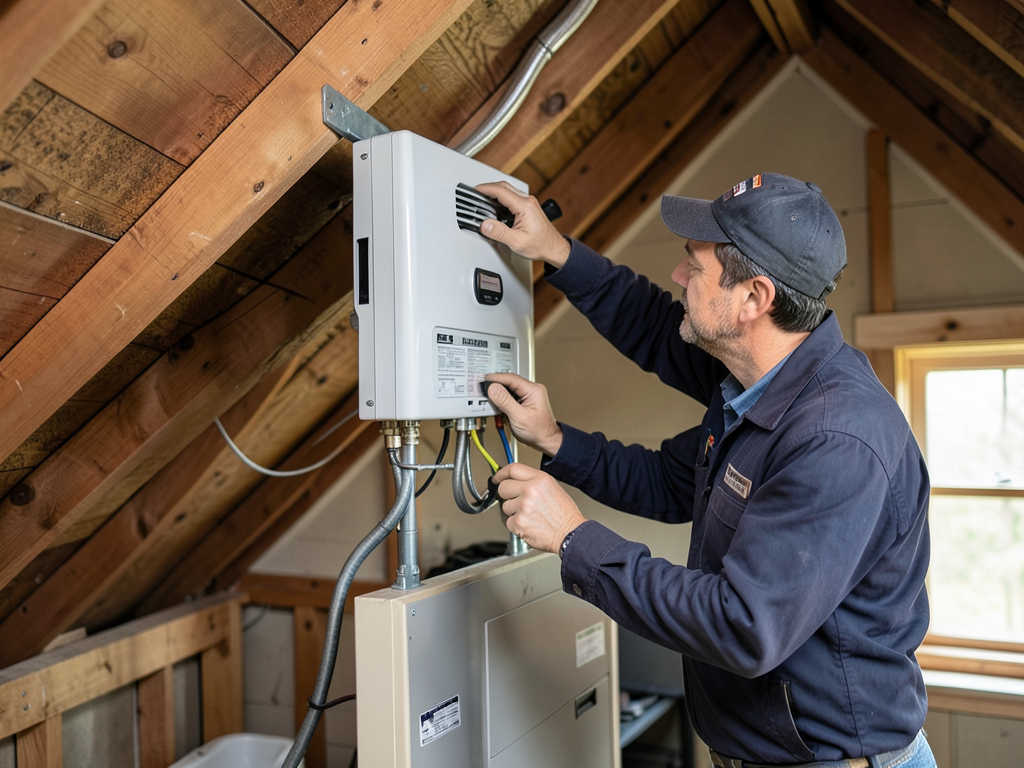
The Pros and Cons of Installing an Attic AC Unit in Your Snyder Cape Cod
Buffalo summers can push attic temperatures above 130 degrees turning your Cape Cod’s top floor into an oven. Installing an AC unit in the attic offers a practical solution for homes lacking ductwork but it comes with unique challenges. This guide breaks down the real benefits and drawbacks of attic AC installation specifically for Snyder’s historic Cape Cod homes so you can make the right cooling choice. Ductless AC Installation for Historical Homes in North Buffalo.
Why Cape Cod Homes in Snyder Need Attic Cooling Solutions
Cape Cod style homes built in Snyder during the 1940s and 1950s often feature finished second floors with sloped ceilings and minimal attic space. These architectural elements create hot spots that standard window units cannot effectively cool. The lack of central ductwork in many of these homes makes attic installations an attractive option for homeowners seeking whole-house comfort without major renovations.
Snyder’s climate zone 5 classification means summers bring high humidity and temperatures that regularly exceed 85 degrees. When heat becomes trapped in the attic it radiates downward affecting the entire home’s cooling efficiency. An attic AC unit can address this by targeting the source of heat gain directly.
Benefits of Installing AC in Your Snyder Attic
Attic AC installation offers several advantages for Cape Cod homeowners in Snyder. The most significant benefit is space efficiency. By placing the unit in the attic you free up valuable floor space in finished rooms that would otherwise be occupied by window units or portable ACs.
Modern ductless mini-split systems provide targeted cooling without the need for extensive ductwork modifications. These systems can cool the entire second floor effectively while maintaining the home’s original architectural integrity. Many Snyder homeowners appreciate that these installations preserve the classic Cape Cod exterior appearance.
Energy efficiency represents another major advantage. High-efficiency attic units with SEER2 ratings of 18 or higher can significantly reduce cooling costs compared to multiple window units running simultaneously. The sealed system prevents cooled air from escaping through gaps around window installations.. Read more about The Best Way to Heat and Cool Your Year Round Sunroom in Amherst.
Common Challenges with Attic AC Installation
Attic installations present specific challenges that Snyder homeowners should understand before proceeding. The primary concern involves proper insulation and air sealing. Without adequate insulation around ductwork and the air handler heat gain can reduce system efficiency by up to 30 percent.
Condensate drainage requires careful planning in attic installations. Western New York’s freeze-thaw cycles mean condensate lines must be properly insulated and pitched to prevent freezing and potential water damage. Many Snyder homes require secondary drain pans with overflow switches as a code requirement. New York State Uniform Fire Prevention and Building Code.
Structural considerations also matter. Attic floors in older Cape Cod homes may need reinforcement to support the weight of modern AC equipment. A typical air handler weighs between 75 and 150 pounds plus the weight of refrigerant lines and condensate drainage components.
Best AC Systems for Snyder Cape Cod Attics
Ductless mini-split systems dominate the attic AC market for Snyder homes. These systems offer several advantages including easy installation through small wall penetrations and the ability to control temperatures in different zones. A typical two-story Cape Cod might need one outdoor condenser serving two indoor air handlers one for each floor. Outdoor Unit Not Spinning.
High-velocity HVAC systems provide another excellent option for homes with limited space. These systems use small flexible ducts that can be routed through existing wall cavities without major demolition. The high-velocity air delivery creates better air circulation in rooms with sloped ceilings.
Traditional central air expansion remains viable for Cape Cods with accessible attic space. This option requires more invasive installation but provides the most consistent whole-house cooling. The key is working with technicians familiar with Snyder’s specific building stock and local building codes.
Installation Process and Timeline for Snyder Homes
Professional attic AC installation in Snyder typically follows a five-step process. First technicians conduct a Manual J load calculation to determine the exact cooling capacity needed for your specific home. This calculation considers factors like square footage insulation levels and window orientation unique to your Cape Cod’s design.
Second the installation team evaluates structural requirements. This includes checking attic floor joists for adequate support and planning equipment mounting locations. Many Snyder homes built before 1980 require additional bracing to meet current building standards.
Third the team installs the indoor air handler and outdoor condenser. For ductless systems this involves mounting the indoor unit typically on an attic sidewall and running refrigerant lines through a small exterior penetration. The outdoor unit placement must consider Buffalo’s heavy snow loads and wind patterns. HVAC Buffalo.
Fourth electrical connections and condensate drainage installation occur. This step requires compliance with Erie County electrical codes and proper condensate line routing to prevent ice buildup during winter months.
Finally the system undergoes testing and commissioning. Technicians verify proper refrigerant charge check airflow and ensure all safety controls function correctly. Most Snyder installations complete within two to three days depending on home complexity.
Buffalo Building Codes and Permit Requirements
Installing attic AC in Snyder requires compliance with New York State Uniform Fire Prevention and Building Code. Erie County requires mechanical permits for all new HVAC installations. The permit process ensures proper equipment sizing electrical safety and condensate drainage compliance.
NYSERDA’s Clean Heat Program influences local installation standards. Systems must meet minimum efficiency requirements to qualify for available rebates. Most ductless mini-splits installed in Snyder need a minimum SEER2 rating of 16 to meet current program guidelines. NYSERDA Clean Heat Program.
Attic installations must also comply with National Fuel Gas Code requirements if the home uses gas heating. This includes proper clearance from gas lines and ensuring combustion air requirements are met. Many Snyder Cape Cods require additional ventilation when adding attic equipment.
Electrical code compliance represents another critical factor. The National Electrical Code requires dedicated circuits for HVAC equipment with proper grounding and overcurrent protection. Older Snyder homes often need electrical panel upgrades to support new AC installations.
Cost Factors and Energy Rebates in Western New York
Attic AC installation costs in Snyder vary based on system type and home complexity. Ductless mini-split installations typically range from $4,500 to $8,000 for a complete system including equipment and labor. High-velocity systems cost more often between $8,000 and $12,000 due to specialized equipment requirements.
Energy efficiency rebates can significantly reduce installation costs. NYSERDA offers rebates up to $500 for qualifying high-efficiency systems. National Fuel provides additional incentives for customers upgrading from older less efficient equipment. These rebates require installation by certified contractors familiar with program requirements.
Utility companies like National Grid offer seasonal rebates that change annually. Current programs often provide $100 to $300 rebates for systems meeting specific efficiency thresholds. The exact rebate amount depends on the system’s SEER2 rating and installation timing.
Financing options through local utilities and manufacturers can spread costs over several years. Many Snyder homeowners qualify for zero-interest financing when combining system installation with available rebates.
Maintenance Requirements for Attic AC Systems
Attic AC systems require specific maintenance routines to ensure longevity in Buffalo’s climate. Annual professional maintenance should include checking refrigerant levels cleaning coils and inspecting condensate drains. The freeze-thaw cycles in Western New York can cause condensate lines to crack if not properly maintained.
Air filter replacement becomes crucial for attic installations. The closed attic environment can accumulate dust and debris affecting system efficiency. Filters should be checked monthly during cooling season and replaced every one to three months depending on usage.
Winter preparation involves specific steps for attic units. Outdoor condensers need proper covering to protect against snow and ice damage. Indoor units require checking for proper drainage before the heating season begins to prevent water damage from melting snow.
Many Snyder homeowners schedule bi-annual maintenance visits to address both cooling and heating system needs. This approach ensures both systems operate efficiently when needed most during Western New York’s extreme seasonal temperature swings.
Comparing Attic AC to Alternative Cooling Solutions
Attic AC installation competes with several other cooling options for Snyder Cape Cod homes. Window units offer the lowest upfront cost but provide inconsistent cooling and reduce home security. Multiple window units can cost more to operate than a single efficient attic system over time.
Portable AC units provide temporary cooling but lack the efficiency and cooling capacity needed for Western New York summers. These units often struggle to cool upper floors effectively and create noise issues in living spaces.
Geothermal cooling systems offer excellent efficiency but require significant upfront investment and may not suit all Snyder properties. The installation process involves extensive excavation that many historic Cape Cod neighborhoods cannot accommodate.
High-velocity systems provide an alternative to attic installations but cost more upfront. These systems work well in homes with limited attic access but require specialized installation expertise not all contractors possess.
Energy Efficiency and Environmental Impact
Modern attic AC systems offer significant environmental benefits compared to older cooling methods. High-efficiency units use less electricity reducing the carbon footprint of home cooling. Many new systems use environmentally friendly refrigerants that don’t deplete the ozone layer.
Proper system sizing through Manual J calculations prevents energy waste. Oversized units cycle on and off frequently reducing efficiency and comfort. Undersized units run continuously increasing energy consumption and wear on components.
Smart thermostats integrated with attic AC systems can further improve efficiency. These devices learn usage patterns and adjust cooling based on occupancy and outdoor conditions. Many Snyder homeowners report 15 to 20 percent energy savings after adding smart controls.
The environmental impact extends beyond energy use. Modern systems produce less noise pollution than multiple window units running simultaneously. This reduction in noise benefits both homeowners and neighbors in Snyder’s close-knit community.
Making the Right Choice for Your Snyder Home
Deciding on attic AC installation requires evaluating several factors specific to your Cape Cod home. Consider your home’s age insulation quality and existing electrical capacity. Homes built before 1980 often need electrical upgrades to support modern AC equipment.
Budget considerations extend beyond initial installation costs. Factor in ongoing maintenance energy costs and potential repair expenses over the system’s lifetime. High-quality installations typically last 15 to 20 years with proper maintenance.
Climate considerations matter significantly in Snyder. The area’s high humidity requires systems with adequate dehumidification capacity. Look for units with variable-speed compressors that can adjust cooling output based on conditions rather than simple on-off cycling.
Professional assessment provides the most reliable guidance. Experienced technicians familiar with Snyder’s housing stock can identify potential challenges and recommend solutions specific to your home’s construction and your cooling needs. Finding the Most Reliable Furnace Repair Services in Buffalo.
Frequently Asked Questions
How long does attic AC installation take in a Snyder Cape Cod?
Most attic AC installations in Snyder Cape Cod homes complete within two to three days. The timeline depends on system complexity home accessibility and whether electrical upgrades are needed. Simple ductless installations might finish in one day while high-velocity systems requiring new ductwork take longer.
Will attic AC installation damage my historic Cape Cod features?
Professional installation minimizes damage to historic features. Technicians use minimally invasive techniques like small wall penetrations for refrigerant lines. The key is working with contractors experienced in historic home renovations who understand preservation requirements for Snyder’s older housing stock.
What maintenance does attic AC require in Buffalo’s climate?
Attic AC systems need annual professional maintenance plus monthly filter checks during cooling season. Buffalo’s freeze-thaw cycles require special attention to condensate drainage. Winter preparation includes covering outdoor units and checking indoor components before the heating season begins.
Are there rebates available for attic AC installation in Snyder?
Yes multiple rebate programs exist for Snyder homeowners. NYSERDA offers up to $500 for qualifying high-efficiency systems. National Fuel and National Grid provide additional incentives often ranging from $100 to $300. These rebates require installation by certified contractors and meeting specific efficiency requirements.
How do I know if my attic can support an AC unit?
A professional assessment determines attic suitability. Technicians evaluate floor joist capacity check for adequate clearance and assess insulation levels. Most Snyder Cape Cods built after 1940 can support attic installations with minor modifications. Homes built before 1940 may need structural reinforcement.
What size AC unit do I need for my Snyder Cape Cod?
System size depends on your home’s specific characteristics. A Manual J load calculation determines the exact cooling capacity needed typically ranging from 18,000 to 36,000 BTU for Snyder Cape Cods. Factors include square footage insulation quality window orientation and local climate conditions.
Ready to Cool Your Snyder Cape Cod?
Attic AC installation offers an effective solution for Snyder’s Cape Cod homes but success depends on proper planning and professional installation. The unique challenges of Western New York’s climate combined with the specific construction of historic Cape Cods require experienced technicians who understand local conditions.
United HVAC Buffalo has served the Snyder area for years helping homeowners navigate the complexities of attic installations. Our technicians understand the specific requirements of Cape Cod construction and local building codes. We provide free assessments to determine the best cooling solution for your home’s unique needs.
Don’t let another hot Buffalo summer make your second floor unbearable. Call (716) 317-7757 today to schedule your free attic AC assessment. Our team will evaluate your home’s specific needs recommend the right system and provide clear pricing with available rebate information. Choosing the Right HVAC Contractor for Your West Seneca Home Renovation.
Pick up the phone and call (716) 317-7757 before the next heat wave hits. Your comfortable home is just one call away.
You may also find this helpful. How to Stop Your Neighbor’s Loud AC Unit from Ruining Your Quiet South Buffalo Evening.
{
“@context”: “https://schema.org”,
“@type”: “BlogPosting”,
“headline”: “The Pros and Cons of Installing an Attic AC Unit in Your Snyder Cape Cod”,
“description”: “Thinking about attic AC for your Snyder Cape Cod? Discover the benefits, challenges, and local HVAC solutions from United HVAC Buffalo.”,
“wordCount”: 2270,
“datePublished”: “2026-04-29T12:38:00.000Z”,
“dateModified”: “2026-04-29T12:38:00.000Z”,
“inLanguage”: “en-US”,
“mainEntityOfPage”: {
“@type”: “WebPage”,
“@id”: “https://unitedhvacbuffalo.com”
},
“publisher”: {
“@type”: “LocalBusiness”,
“name”: “United HVAC Buffalo”,
“url”: “https://unitedhvacbuffalo.com”
},
“author”: {
“@type”: “Organization”,
“name”: “United HVAC Buffalo”,
“url”: “https://unitedhvacbuffalo.com”
},
“image”: {
“@type”: “ImageObject”,
“url”: “https://unitedhvacbuffalo.com/wp-content/uploads/2026/03/the-pros-and-cons-of-installing-an-attic-ac-unit-i-1.png”
}
}
{
“@context”: “https://schema.org”,
“@type”: “HVACBusiness”,
“name”: “United HVAC Buffalo”,
“url”: “https://unitedhvacbuffalo.com”,
“address”: {
“@type”: “PostalAddress”,
“addressLocality”: “Buffalo”
},
“areaServed”: {
“@type”: “City”,
“name”: “Buffalo”
}
}
{
“@context”: “https://schema.org”,
“@type”: “FAQPage”,
“mainEntity”: [
{
“@type”: “Question”,
“name”: “How long does attic AC installation take in a Snyder Cape Cod?”,
“acceptedAnswer”: {
“@type”: “Answer”,
“text”: “Most attic AC installations in Snyder Cape Cod homes complete within two to three days. The timeline depends on system complexity home accessibility and whether electrical upgrades are needed. Simple ductless installations might finish in one day while high-velocity systems requiring new ductwork take longer.”
}
},
{
“@type”: “Question”,
“name”: “Will attic AC installation damage my historic Cape Cod features?”,
“acceptedAnswer”: {
“@type”: “Answer”,
“text”: “Professional installation minimizes damage to historic features. Technicians use minimally invasive techniques like small wall penetrations for refrigerant lines. The key is working with contractors experienced in historic home renovations who understand preservation requirements for Snyder’s older housing stock.”
}
},
{
“@type”: “Question”,
“name”: “What maintenance does attic AC require in Buffalo’s climate?”,
“acceptedAnswer”: {
“@type”: “Answer”,
“text”: “Attic AC systems need annual professional maintenance plus monthly filter checks during cooling season. Buffalo’s freeze-thaw cycles require special attention to condensate drainage. Winter preparation includes covering outdoor units and checking indoor components before the heating season begins.”
}
},
{
“@type”: “Question”,
“name”: “Are there rebates available for attic AC installation in Snyder?”,
“acceptedAnswer”: {
“@type”: “Answer”,
“text”: “Yes multiple rebate programs exist for Snyder homeowners. NYSERDA offers up to $500 for qualifying high-efficiency systems. National Fuel and National Grid provide additional incentives often ranging from $100 to $300. These rebates require installation by certified contractors and meeting specific efficiency requirements.”
}
},
{
“@type”: “Question”,
“name”: “How do I know if my attic can support an AC unit?”,
“acceptedAnswer”: {
“@type”: “Answer”,
“text”: “A professional assessment determines attic suitability. Technicians evaluate floor joist capacity check for adequate clearance and assess insulation levels. Most Snyder Cape Cods built after 1940 can support attic installations with minor modifications. Homes built before 1940 may need structural reinforcement.”
}
},
{
“@type”: “Question”,
“name”: “What size AC unit do I need for my Snyder Cape Cod?”,
“acceptedAnswer”: {
“@type”: “Answer”,
“text”: “System size depends on your home’s specific characteristics. A Manual J load calculation determines the exact cooling capacity needed typically ranging from 18,000 to 36,000 BTU for Snyder Cape Cods. Factors include square footage insulation quality window orientation and local climate conditions.”
}
},
{
“@type”: “Question”,
“name”: “Ready to Cool Your Snyder Cape Cod?”,
“acceptedAnswer”: {
“@type”: “Answer”,
“text”: “Attic AC installation offers an effective solution for Snyder’s Cape Cod homes but success depends on proper planning and professional installation. The unique challenges of Western New York’s climate combined with the specific construction of historic Cape Cods require experienced technicians who understand local conditions.”
}
}
]
}
{
“@context”: “https://schema.org”,
“@type”: “BreadcrumbList”,
“itemListElement”: [
{
“@type”: “ListItem”,
“position”: 1,
“name”: “Home”,
“item”: “https://unitedhvacbuffalo.com”
},
{
“@type”: “ListItem”,
“position”: 2,
“name”: “Blog”,
“item”: “https://unitedhvacbuffalo.com/blog”
},
{
“@type”: “ListItem”,
“position”: 3,
“name”: “The Pros and Cons of Installing an Attic AC Unit in Your Snyder Cape Cod”
}
]
}
{
“@context”: “https://schema.org”,
“@type”: “Service”,
“serviceType”: “HVAC”,
“provider”: {
“@type”: “LocalBusiness”,
“name”: “United HVAC Buffalo”,
“url”: “https://unitedhvacbuffalo.com”
},
“areaServed”: {
“@type”: “City”,
“name”: “Buffalo”
},
“description”: “Thinking about attic AC for your Snyder Cape Cod? Discover the benefits, challenges, and local HVAC solutions from United HVAC Buffalo.”
}