
Comparing Electric Baseboard Heating and Cold Climate Heat Pumps for Buffalo Homes
If you’re paying high electric bills with baseboard heat in Buffalo you’re not alone. Many older homes in neighborhoods like Amherst and Orchard Park still rely on electric resistance heating that costs 2-3 times more than modern heat pump technology. The good news is cold climate heat pumps now perform reliably even when temperatures drop below zero making them a smart upgrade for Western New York homes. Orchard Park Homeowners’ Guide to Replacing an Aging Heat Pump.
Electric baseboard heaters work by converting electricity directly into heat with 100% efficiency. Cold climate heat pumps move heat from outside air into your home using refrigerant technology achieving 200-400% efficiency. That means for every dollar you spend on electricity a heat pump delivers $2-4 worth of heat while baseboards deliver only $1 worth.
Buffalo’s climate presents unique challenges. Lake-effect snow and sub-zero temperatures can strain standard heat pumps but modern cold climate models with hyper-heat technology maintain full heating capacity down to -13°F. This makes them ideal for our region where winter temperatures frequently dip below 0°F. HVAC Buffalo.
The Core Difference: Moving Heat vs. Creating It
Electric baseboard heating uses resistive elements that get hot when electricity passes through them. It’s simple but expensive to operate. Heat pumps work like refrigerators in reverse using refrigerant to extract heat from outdoor air even when it feels cold to us. This heat transfer process requires much less energy than creating heat from scratch. Outdoor Unit Not Spinning.
Modern cold climate heat pumps use inverter technology to adjust compressor speed based on demand. This allows them to maintain consistent temperatures without the energy spikes of traditional systems. They also provide air conditioning in summer making them a year-round solution.. Read more about Selecting the Best HVAC System for a Manufactured Home in Cheektowaga.
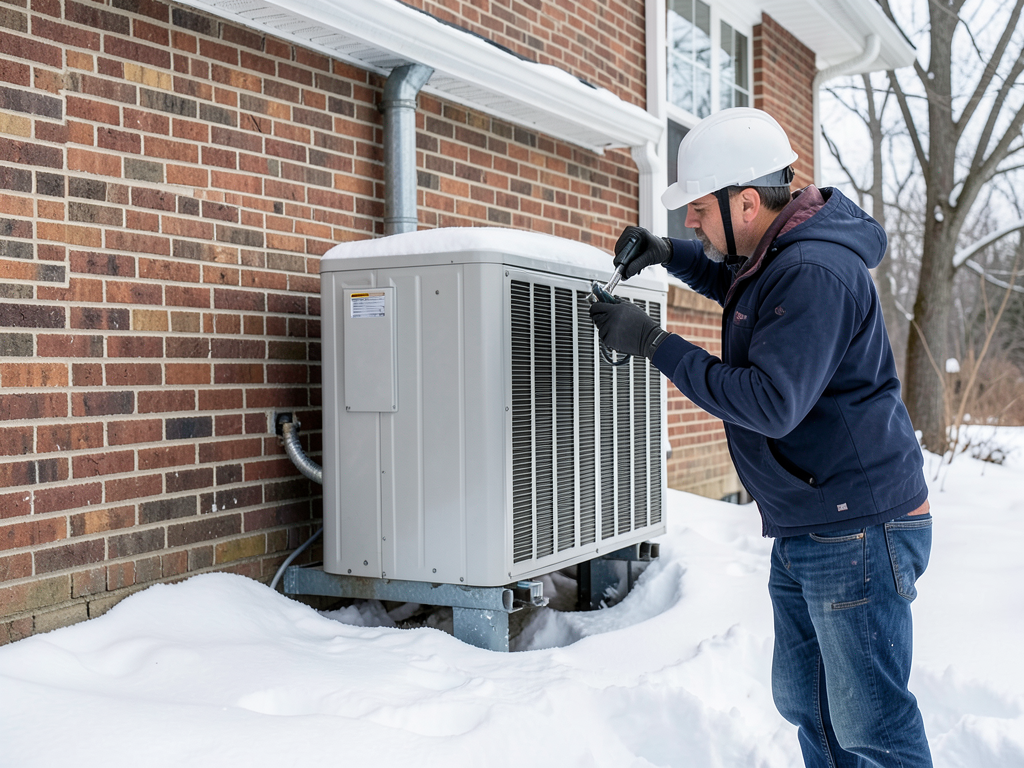
A technician installing a cold climate heat pump on a brick home in Buffalo showing the outdoor unit with snow clearance and proper mounting height above typical snow levels.
Efficiency Breakdown: COP and HSPF2 Ratings
Coefficient of Performance (COP) measures how much heat a system produces per unit of energy consumed. Baseboard heaters have a COP of 1.0 meaning 100% of the electricity becomes heat. Cold climate heat pumps achieve COPs of 2.0-4.0 in our climate meaning they produce 2-4 times more heat than the electricity they use.
Heating Seasonal Performance Factor 2 (HSPF2) is the rating system for heat pump efficiency over an entire heating season. Quality cold climate models achieve HSPF2 ratings of 10-12 while standard heat pumps score 7-9. The higher the number the lower your operating costs.
National Grid’s current residential electric rate in Buffalo averages $0.15 per kilowatt-hour. A 1,500-watt baseboard heater running 8 hours costs about $1.80 per day. A heat pump delivering the same heat uses only 375-750 watts costing $0.23-0.45 per day during similar conditions. National Grid heating rebates.
Performance in Buffalo’s Climate
Buffalo’s heating degree days average 6,500 annually making it one of the coldest major metropolitan areas in the Northeast. Cold climate heat pumps are specifically engineered for these conditions using enhanced compressor technology and improved defrost cycles.
Hyper-heat or H2i technology allows heat pumps to extract heat from air as cold as -13°F. When temperatures drop below this level the system automatically switches to supplemental electric resistance heat built into the unit. This hybrid approach ensures you stay warm without the high costs of pure electric heating.
Lake-effect snow creates additional challenges. Heat pumps need proper snow clearance and elevation to prevent airflow blockage. Professional installation includes mounting outdoor units 12-18 inches above typical snow levels and ensuring adequate drainage to prevent ice buildup. Ductless AC Installation for Historical Homes in North Buffalo.
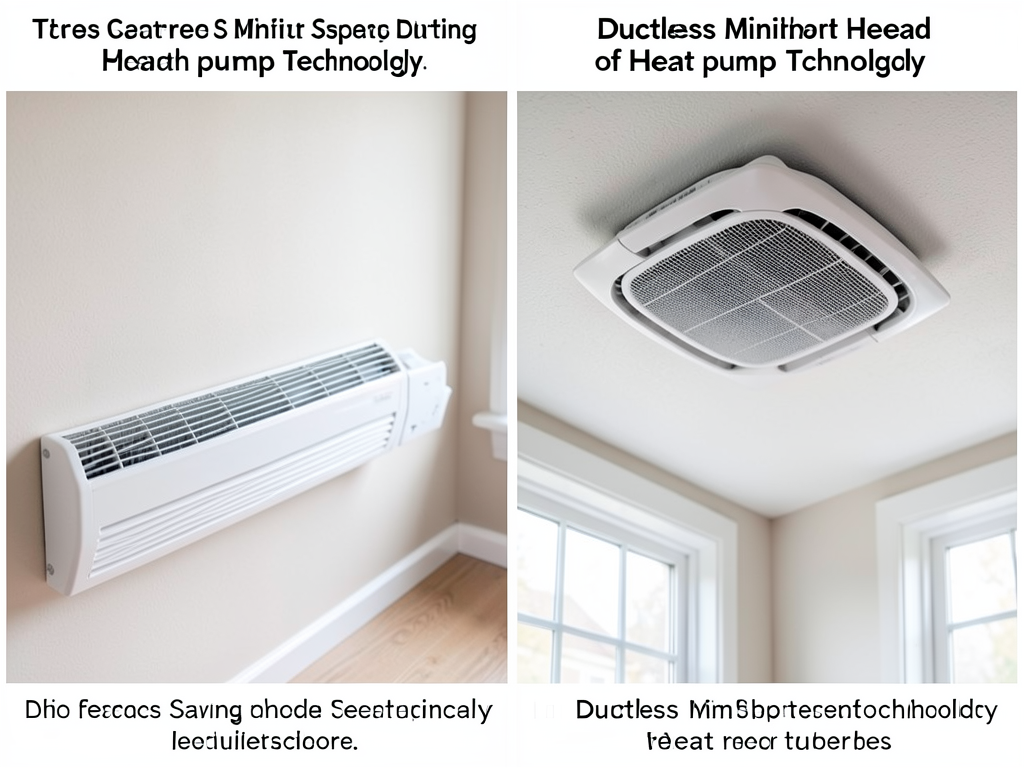
A side-by-side comparison showing electric baseboard heaters mounted along a wall versus a ductless mini-split head unit installed on a ceiling, highlighting the space-saving benefits of heat pump technology.
Cost Analysis: Upfront Investment vs. Monthly Savings
Electric baseboard installation costs $300-600 per room for new construction. Cold climate heat pump systems range from $4,000-12,000 depending on home size and configuration. While heat pumps cost more upfront they typically pay for themselves in 3-7 years through energy savings.
New York State offers substantial incentives through the NYSERDA Clean Heat Program. Current rebates range from $1,000-4,000 depending on system efficiency and installation scope. Federal tax credits under the Inflation Reduction Act provide an additional 30% credit up to $2,000 for qualifying heat pump installations. NYSERDA Clean Heat Program.
For a typical 2,000 square foot Buffalo home switching from electric baseboard to a cold climate heat pump can save $800-1,500 annually on heating costs. These savings increase if you currently use electric hot water heating or air conditioning since heat pumps handle both functions.
| System Type | Installation Cost | Annual Operating Cost | Lifetime (15 years) | Rebates Available |
|---|---|---|---|---|
| Electric Baseboard | $2,000-4,000 | $2,400-3,600 | $36,000-54,000 | None |
| Cold Climate Heat Pump | $6,000-10,000 | $800-1,500 | $12,000-22,500 | $2,000-4,000 |
| Hybrid (Pump + Backup) | $7,000-12,000 | $600-1,200 | $9,000-18,000 | $2,500-5,000 |
Installation Considerations for Western NY Homes
Buffalo’s housing stock varies dramatically from 1920s bungalows in the city to modern developments in the suburbs. Each presents unique installation challenges for heat pump systems.
Older homes often lack ductwork making ductless mini-split systems ideal. These systems use small refrigerant lines to connect outdoor compressors with indoor air handlers mounted on walls or ceilings. They’re perfect for retrofitting without major renovations.
Century homes in neighborhoods like Elmwood Village typically have plaster walls and narrow stud cavities that complicate duct installation. Mini-splits avoid these issues while providing zoned heating and cooling control for different rooms.
Modern homes in developments like those in Orchard Park often have existing ductwork suitable for central heat pump systems. These provide whole-house comfort but require proper sizing to handle Buffalo’s extreme temperature swings. HVAC Orchard Park.
Installation requires electrical upgrades in many older Buffalo homes. Baseboard heating often uses 240-volt dedicated circuits while heat pumps need proper grounding and may require service panel upgrades to handle the new load.
A technician using a combustion analyzer to verify proper heat pump operation in freezing conditions, demonstrating the diagnostic testing performed during cold climate installations.
Pros and Cons Comparison Matrix
- Electric Baseboard Pros: Simple installation, no moving parts, 100% reliable in extreme cold, individual room control
- Electric Baseboard Cons: High operating costs, slow heating response, takes up wall space, no cooling capability
- Cold Climate Heat Pump Pros: 200-400% efficient, provides heating and cooling, eligible for rebates, reduces carbon footprint
- Cold Climate Heat Pump Cons: Higher upfront cost, may need backup heat in extreme cold, requires electrical capacity, outdoor unit vulnerable to damage
Making the Right Choice for Your Buffalo Home
The decision between baseboard heat and heat pumps depends on your specific situation. Consider these factors:
- Current energy costs: If you’re spending over $300 monthly on electric heat during winter you’ll likely save money with a heat pump.
- Home age and construction: Newer homes with good insulation benefit more from heat pumps than drafty older homes.
- Hot water heating: If you use electric hot water heating switching to a heat pump can provide year-round savings.
- Long-term plans: Heat pumps offer better resale value and appeal to energy-conscious buyers.
Many Buffalo homeowners choose hybrid systems keeping baseboard heaters as backup for the coldest days while using heat pumps for primary heating. This provides the best of both worlds: efficiency most of the time with guaranteed warmth during polar vortex events.
Environmental Impact and Future Considerations
Heat pumps significantly reduce carbon emissions compared to electric resistance heating. New York State’s electric grid is becoming cleaner each year with increased renewable energy production. By 2030 over 70% of New York’s electricity is expected to come from renewable sources.
National Grid and NYSEG are upgrading their systems to handle increased electrification. Most modern heat pumps work with existing 200-amp service though some older homes may need upgrades.
The NYSERDA Clean Heat Program continues to evolve with increasing rebate amounts as New York pursues aggressive decarbonization goals. Current incentives make now an excellent time to upgrade from electric baseboard heating.
Call (716) 317-7757 today to schedule your inspection and learn which heating solution works best for your Buffalo home.
Frequently Asked Questions
Do heat pumps work in Buffalo’s extreme cold?
Yes. Modern cold climate heat pumps with hyper-heat technology maintain full heating capacity down to -13°F. They include backup electric heat that activates automatically when temperatures drop below the unit’s operating range.
How long do heat pumps last in Western New York?
Quality cold climate heat pumps typically last 15-20 years in Buffalo’s climate. Proper installation including snow clearance and winter protection helps maximize system lifespan.
Can I keep my baseboard heaters as backup?
Absolutely. Many homeowners install heat pumps for primary heating while keeping baseboard units as backup for extreme cold snaps or power outages. This hybrid approach provides maximum reliability.
What rebates are available for heat pump installation?
NYSERDA Clean Heat rebates range from $1,000-4,000 based on system efficiency. Federal tax credits provide 30% of installation costs up to $2,000. Local utilities may offer additional incentives.
How much can I save by switching from baseboard to heat pump?
Typical savings range from $800-1,500 annually for a 2,000 square foot home. Actual savings depend on your current usage patterns and the specific heat pump model installed.
Ready to upgrade your heating system? Call (716) 317-7757 now to speak with our Buffalo heating experts about heat pump options for your home.
{
“@context”: “https://schema.org”,
“@type”: “BlogPosting”,
“headline”: “Comparing Electric Baseboard Heating and Cold Climate Heat Pumps for Buffalo Homes”,
“description”: “Discover which heating system works best for Buffalo’s harsh winters. Compare electric baseboard heat vs. cold climate heat pumps with real cost data and NYSERDA rebates.”,
“wordCount”: 1568,
“datePublished”: “2026-06-04T15:04:00.000Z”,
“dateModified”: “2026-06-04T15:04:00.000Z”,
“inLanguage”: “en-US”,
“mainEntityOfPage”: {
“@type”: “WebPage”,
“@id”: “https://unitedhvacbuffalo.com”
},
“publisher”: {
“@type”: “LocalBusiness”,
“name”: “United HVAC Buffalo”,
“url”: “https://unitedhvacbuffalo.com”
},
“author”: {
“@type”: “Organization”,
“name”: “United HVAC Buffalo”,
“url”: “https://unitedhvacbuffalo.com”
},
“image”: {
“@type”: “ImageObject”,
“url”: “https://unitedhvacbuffalo.com/wp-content/uploads/2026/03/comparing-electric-baseboard-heating-and-cold-clim-1.png”
}
}
{
“@context”: “https://schema.org”,
“@type”: “HVACBusiness”,
“name”: “United HVAC Buffalo”,
“url”: “https://unitedhvacbuffalo.com”,
“address”: {
“@type”: “PostalAddress”,
“addressLocality”: “Buffalo”
},
“areaServed”: {
“@type”: “City”,
“name”: “Buffalo”
}
}
{
“@context”: “https://schema.org”,
“@type”: “FAQPage”,
“mainEntity”: [
{
“@type”: “Question”,
“name”: “Do heat pumps work in Buffalo’s extreme cold?”,
“acceptedAnswer”: {
“@type”: “Answer”,
“text”: “Yes. Modern cold climate heat pumps with hyper-heat technology maintain full heating capacity down to -13°F. They include backup electric heat that activates automatically when temperatures drop below the unit’s operating range.”
}
},
{
“@type”: “Question”,
“name”: “How long do heat pumps last in Western New York?”,
“acceptedAnswer”: {
“@type”: “Answer”,
“text”: “Quality cold climate heat pumps typically last 15-20 years in Buffalo’s climate. Proper installation including snow clearance and winter protection helps maximize system lifespan.”
}
},
{
“@type”: “Question”,
“name”: “Can I keep my baseboard heaters as backup?”,
“acceptedAnswer”: {
“@type”: “Answer”,
“text”: “Absolutely. Many homeowners install heat pumps for primary heating while keeping baseboard units as backup for extreme cold snaps or power outages. This hybrid approach provides maximum reliability.”
}
},
{
“@type”: “Question”,
“name”: “What rebates are available for heat pump installation?”,
“acceptedAnswer”: {
“@type”: “Answer”,
“text”: “NYSERDA Clean Heat rebates range from $1,000-4,000 based on system efficiency. Federal tax credits provide 30% of installation costs up to $2,000. Local utilities may offer additional incentives.”
}
},
{
“@type”: “Question”,
“name”: “How much can I save by switching from baseboard to heat pump?”,
“acceptedAnswer”: {
“@type”: “Answer”,
“text”: “Typical savings range from $800-1,500 annually for a 2,000 square foot home. Actual savings depend on your current usage patterns and the specific heat pump model installed.”
}
}
]
}
{
“@context”: “https://schema.org”,
“@type”: “BreadcrumbList”,
“itemListElement”: [
{
“@type”: “ListItem”,
“position”: 1,
“name”: “Home”,
“item”: “https://unitedhvacbuffalo.com”
},
{
“@type”: “ListItem”,
“position”: 2,
“name”: “Blog”,
“item”: “https://unitedhvacbuffalo.com/blog”
},
{
“@type”: “ListItem”,
“position”: 3,
“name”: “Comparing Electric Baseboard Heating and Cold Climate Heat Pumps for Buffalo Homes”
}
]
}
{
“@context”: “https://schema.org”,
“@type”: “Service”,
“serviceType”: “HVAC”,
“provider”: {
“@type”: “LocalBusiness”,
“name”: “United HVAC Buffalo”,
“url”: “https://unitedhvacbuffalo.com”
},
“areaServed”: {
“@type”: “City”,
“name”: “Buffalo”
},
“description”: “Discover which heating system works best for Buffalo’s harsh winters. Compare electric baseboard heat vs. cold climate heat pumps with real cost data and NYSERDA rebates.”
}