
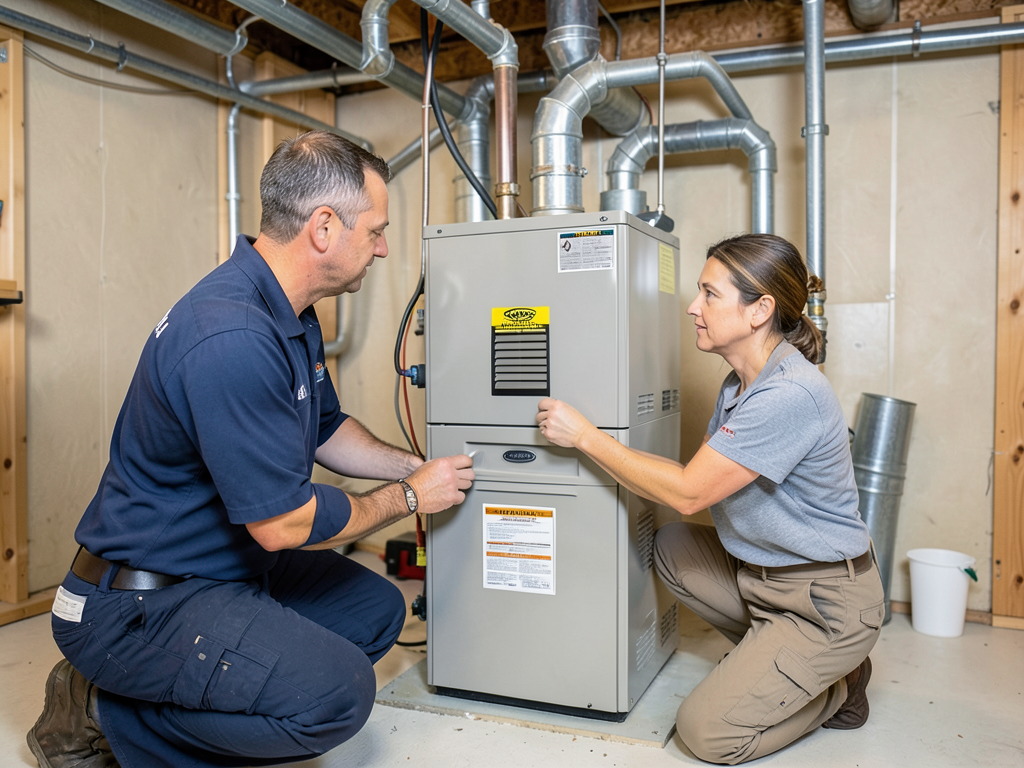
Comparing the Monthly Cost of Electric vs Gas Heating in a Williamsville Home
Heating your Williamsville home means choosing between electric heat pumps and gas furnaces. National Fuel gas rates and National Grid electric rates make this decision more than just a comfort choice. The right system saves hundreds each year while keeping your family warm through Buffalo’s brutal winters. National Fuel Gas Company rates.
Current Utility Rates and BTU Cost Comparison
National Fuel charges approximately $0.97 per therm for residential gas in 2026. National Grid electric rates average $0.18 per kilowatt-hour. To compare apples to apples, we convert both to cost per million BTUs.
| Fuel Type | Current Rate | Cost per Million BTUs | Efficiency Factor |
|---|---|---|---|
| Natural Gas | $0.97/therm | $9.70 | 95% AFUE |
| Electric Resistance | $0.18/kWh | $52.80 | 100% |
| Cold Climate Heat Pump | $0.18/kWh | $14.40 | COP 3.67 |
Electric resistance heating costs over five times more than gas. But cold-climate heat pumps change the equation. Modern units achieve 300-400% efficiency, meaning they move three to four times more heat than the electricity they consume.. Read more about How to Select the Right High Efficiency Pool Heater for Your Tonawanda Backyard.
Real-World Performance in Williamsville Winters
Williamsville sits in Climate Zone 5, where winter temperatures regularly drop below zero. Gas furnaces with 95% AFUE ratings convert nearly all fuel to heat. Heat pumps maintain efficiency down to about 5°F, then switch to electric resistance backup. Emergency Furnace Repair in Amherst When Your Heat Goes Out at Night.
A typical Williamsville home needs 75,000 BTUs per hour on the coldest days. Gas furnaces deliver this consistently. Heat pumps handle most winter days but may need supplemental heat during polar vortex events.. Read more about Red Flags to Look for in a Furnace When Buying a Home in West Seneca.
The Williamsville area experiences lake-effect snow bands that can dump two feet in 24 hours. During these storms, reliable heat becomes critical. Gas furnaces operate independently of the electrical grid, while heat pumps depend on continuous power. Finding the Most Reliable Furnace Repair Services in Buffalo.
Installation Costs and Payback Periods
High-efficiency gas furnaces cost $4,500-$6,500 installed in Williamsville. Cold-climate heat pumps run $8,000-$12,000. The higher upfront cost for heat pumps shrinks when you factor in NYSERDA rebates and federal tax credits. NYSERDA Clean Heat Program.
NYSERDA offers up to $4,000 for qualifying heat pump installations. The federal Inflation Reduction Act provides 30% tax credits up to $2,000. These incentives can make heat pumps competitive with gas furnaces on first cost. Ductless AC Installation for Historical Homes in North Buffalo.
Monthly operating costs tell the real story. A 95% efficient gas furnace heating a 2,500 square foot home costs approximately $180-$220 monthly during peak winter. A cold-climate heat pump under similar conditions runs $140-$180 monthly.. Read more about Is Propane Heating a Viable Alternative for Rural Homes in Elma and Marilla?.
Payback periods depend on your current system. Replacing electric resistance heat with a heat pump saves $100-$150 monthly, paying for itself in 3-4 years. Gas-to-heat-pump conversions take 6-8 years to break even.
Available Incentives for Williamsville Homeowners
New York State offers several programs specifically for Erie County residents. NYSERDA Clean Heat rebates apply to homes in the National Fuel service territory. These rebates require installation by certified contractors who complete specialized training.. Read more about Navigating NYS Clean Heat Rebates for Your Buffalo HVAC Upgrade.
National Fuel customers can access additional rebates through the utility’s energy efficiency programs. These stack with state incentives, potentially covering 40-50% of heat pump installation costs.
The federal tax credits extend through 2032 but require specific equipment certifications. Look for ENERGY STAR certified units with cold-climate ratings. These units maintain heating capacity at temperatures as low as -15°F.
Local utility rebates change annually. Check National Fuel and National Grid websites before making decisions. Some programs require pre-approval and have limited funding.
Hybrid Systems: The Williamsville Compromise
Hybrid systems combine a heat pump with a gas furnace backup. The heat pump handles temperatures above 35°F efficiently. The gas furnace takes over during extreme cold, eliminating the need for electric resistance backup.
This approach costs $10,000-$14,000 installed but offers the best of both worlds. You get heat pump efficiency during mild weather and gas reliability during polar vortex events.
Hybrid systems reduce gas consumption by 60-70% while maintaining performance during blackouts. Many Williamsville homeowners choose this option for new construction or major renovations.
The control systems automatically switch between fuels based on outdoor temperature and utility rates. Some advanced systems optimize for lowest cost based on real-time pricing. Outdoor Unit Not Spinning.
Williamsville-Specific Considerations
Williamsville homes built before 1980 often have inadequate insulation and air sealing. Improving these before upgrading heating systems maximizes efficiency gains regardless of fuel type.
The area’s clay soil and high water table affect basement installations. Heat pump outdoor units need proper elevation to prevent snow accumulation and water damage. Gas furnaces require specific venting configurations based on local building codes.
Many Williamsville neighborhoods have underground utilities, limiting outdoor unit placement options. Heat pumps need adequate clearance for airflow and maintenance access.
Local building permits cost $75-$150 and require inspections. Williamsville’s building department enforces New York State energy codes that may affect your equipment choices.
Making the Right Choice for Your Home
Consider these factors when choosing between electric and gas heating in Williamsville: Choosing the Right HVAC Contractor for Your West Seneca Home Renovation.
- Current utility rates and future price trends
- Your home’s insulation and air sealing quality
- Available roof space for solar if considering electric
- Backup power options for heat pump systems
- Local rebate availability and expiration dates
- Your planned tenure in the home
Heat pumps make sense for homes with good insulation and air sealing. Gas furnaces remain the best choice for drafty older homes or those without electrical service upgrades.
Williamsville’s climate demands reliable heating. Don’t sacrifice comfort for efficiency. Choose a system that keeps your family warm through every lake-effect storm.
Professional Installation Matters
Proper sizing and installation determine system performance more than equipment brand. Oversized units short cycle, reducing efficiency and comfort. Undersized systems run constantly, increasing wear and utility bills.
Manual J load calculations should size heating equipment. This analysis considers your home’s construction, orientation, windows, and insulation levels. Skip this step and you risk comfort problems and higher operating costs.
Williamsville’s building codes require specific venting and combustion air provisions for gas furnaces. Heat pumps need proper refrigerant line sizing and charge verification. Both systems require electrical work meeting current NEC standards.
Professional installation includes proper start-up, commissioning, and homeowner training. These steps ensure optimal performance and efficiency from day one.
Maintenance Requirements by System Type
Gas furnaces need annual maintenance including heat exchanger inspection, burner cleaning, and safety control testing. Heat pumps require twice-yearly service to clean coils, check refrigerant levels, and verify defrost operation.
Williamsville’s high humidity summers can cause condensate drain issues in heat pumps. Winter road salt can corrode outdoor unit coils. Both factors increase maintenance needs compared to milder climates.
Filter changes every 1-3 months maintain efficiency for both systems. Dirty filters reduce airflow, increase energy consumption, and shorten equipment life.
Professional maintenance costs $150-$300 annually. This investment prevents costly breakdowns and maintains manufacturer warranties.
Future-Proofing Your Heating Investment
Electric rates will likely rise slower than gas prices over the next decade. Heat pumps also prepare your home for potential future regulations limiting fossil fuel use in new construction.
Solar photovoltaic systems pair well with heat pumps, potentially eliminating heating costs. Williamsville receives adequate sunlight for solar to make economic sense, especially with current tax incentives.
Consider your home’s electrical service capacity. Heat pumps may require electrical panel upgrades, especially in older Williamsville homes with 100-amp service.
Smart thermostats optimize both gas and electric systems. These devices learn your schedule and adjust temperatures to minimize energy use while maintaining comfort.
Emergency Preparedness
Williamsville experiences winter storms that can knock out power for days. Gas furnaces continue operating during outages if they have millivolt controls or battery backup. Most modern heat pumps shut down without electricity.
Standby generators provide the best protection for heat pump systems. A 10-15 kW generator costs $4,000-$8,000 installed and powers essential circuits including heating.
Portable generators can run space heaters during outages but require manual setup and fuel storage. This approach works for short outages but proves impractical for extended emergencies.
Consider your family’s health needs when choosing heating systems. Medical equipment requiring electricity makes power outage planning critical.
Environmental Impact
Williamsville’s electricity mix includes about 30% renewable sources. Heat pumps reduce carbon emissions even when accounting for current grid generation. Gas furnaces produce direct emissions at the point of use.
Heat pumps improve air quality by eliminating combustion byproducts like carbon monoxide and nitrogen oxides. This matters for homes with respiratory issues or tight building envelopes.
New York State’s Climate Leadership and Community Protection Act aims for 70% renewable electricity by 2030. This transition will make heat pumps increasingly environmentally beneficial over their 15-20 year lifespan.
Consider the full lifecycle impact including manufacturing, installation, and disposal. Both systems have environmental costs, but heat pumps’ operational advantages typically outweigh manufacturing impacts.
Cost Comparison Summary
| Cost Factor | Gas Furnace | Cold Climate Heat Pump | Hybrid System |
|---|---|---|---|
| Initial Installation | $4,500-$6,500 | $8,000-$12,000 | $10,000-$14,000 |
| Annual Operating Cost | $1,800-$2,200 | $1,400-$1,800 | $1,200-$1,600 |
| Annual Maintenance | $150-$300 | $300-$500 | $400-$600 |
| Lifetime (15 years) | $31,500-$39,500 | $28,000-$36,000 | $30,000-$38,000 |
Numbers assume typical Williamsville weather patterns and current utility rates. Your actual costs will vary based on home characteristics and usage patterns.
Frequently Asked Questions
Which system costs less to operate in Williamsville?
Cold-climate heat pumps typically cost 15-25% less to operate than high-efficiency gas furnaces in Williamsville. This advantage increases if you have good insulation and air sealing.
Do I need to upgrade my electrical service for a heat pump?
Many older Williamsville homes have 100-amp service that cannot support a heat pump plus other electrical loads. A heat load calculation and electrical assessment determines if upgrades are needed.
How long do heat pumps last in Buffalo’s climate?
Quality cold-climate heat pumps last 12-15 years in Western New York. The harsh climate and salt exposure may reduce lifespan compared to milder regions, but proper maintenance helps maximize longevity.
Can I keep my gas furnace and add a heat pump?
Yes. Hybrid systems let you keep your existing gas furnace while adding a heat pump for improved efficiency. This approach costs more upfront but provides the best performance and flexibility.
What rebates are available for Williamsville residents?
NYSERDA offers up to $4,000 for qualifying heat pump installations. National Fuel customers may access additional rebates. Federal tax credits provide 30% up to $2,000. Check current programs before deciding.
Ready to Upgrade Your Williamsville Home’s Heating?
Choosing between electric and gas heating requires understanding your home’s specific needs, local utility rates, and available incentives. The right decision saves money while keeping your family comfortable through every lake-effect storm.
Don’t guess about your heating costs. Get a professional assessment that considers your home’s construction, insulation levels, and your family’s comfort preferences.
Call (716) 317-7757 today to schedule your heating system evaluation. Our Williamsville experts will provide clear cost comparisons and help you qualify for all available rebates. Make the right choice before winter arrives.
Pick up the phone and call (716) 317-7757 now. Every week you wait means higher energy bills and missed rebate opportunities. Your family deserves efficient, reliable heating that works in Western New York’s toughest conditions.
{
“@context”: “https://schema.org”,
“@type”: “BlogPosting”,
“headline”: “Comparing the Monthly Cost of Electric vs Gas Heating in a Williamsville Home”,
“description”: “See real cost comparisons for electric vs gas heating in Williamsville. Get local utility rates, installation costs, and NYSERDA rebates to make the right choice.”,
“wordCount”: 1844,
“datePublished”: “2026-05-06T06:39:00.000Z”,
“dateModified”: “2026-05-06T06:39:00.000Z”,
“inLanguage”: “en-US”,
“mainEntityOfPage”: {
“@type”: “WebPage”,
“@id”: “https://unitedhvacbuffalo.com”
},
“publisher”: {
“@type”: “LocalBusiness”,
“name”: “United HVAC Buffalo”,
“url”: “https://unitedhvacbuffalo.com”
},
“author”: {
“@type”: “Organization”,
“name”: “United HVAC Buffalo”,
“url”: “https://unitedhvacbuffalo.com”
},
“image”: {
“@type”: “ImageObject”,
“url”: “https://unitedhvacbuffalo.com/wp-content/uploads/2026/03/comparing-the-monthly-cost-of-electric-vs-gas-heat-1.png”
}
}
{
“@context”: “https://schema.org”,
“@type”: “HVACBusiness”,
“name”: “United HVAC Buffalo”,
“url”: “https://unitedhvacbuffalo.com”,
“address”: {
“@type”: “PostalAddress”,
“addressLocality”: “Buffalo”
},
“areaServed”: {
“@type”: “City”,
“name”: “Buffalo”
}
}
{
“@context”: “https://schema.org”,
“@type”: “FAQPage”,
“mainEntity”: [
{
“@type”: “Question”,
“name”: “Which system costs less to operate in Williamsville?”,
“acceptedAnswer”: {
“@type”: “Answer”,
“text”: “Cold-climate heat pumps typically cost 15-25% less to operate than high-efficiency gas furnaces in Williamsville. This advantage increases if you have good insulation and air sealing.”
}
},
{
“@type”: “Question”,
“name”: “Do I need to upgrade my electrical service for a heat pump?”,
“acceptedAnswer”: {
“@type”: “Answer”,
“text”: “Many older Williamsville homes have 100-amp service that cannot support a heat pump plus other electrical loads. A heat load calculation and electrical assessment determines if upgrades are needed.”
}
},
{
“@type”: “Question”,
“name”: “How long do heat pumps last in Buffalo’s climate?”,
“acceptedAnswer”: {
“@type”: “Answer”,
“text”: “Quality cold-climate heat pumps last 12-15 years in Western New York. The harsh climate and salt exposure may reduce lifespan compared to milder regions, but proper maintenance helps maximize longevity.”
}
},
{
“@type”: “Question”,
“name”: “Can I keep my gas furnace and add a heat pump?”,
“acceptedAnswer”: {
“@type”: “Answer”,
“text”: “Yes. Hybrid systems let you keep your existing gas furnace while adding a heat pump for improved efficiency. This approach costs more upfront but provides the best performance and flexibility.”
}
},
{
“@type”: “Question”,
“name”: “What rebates are available for Williamsville residents?”,
“acceptedAnswer”: {
“@type”: “Answer”,
“text”: “NYSERDA offers up to $4,000 for qualifying heat pump installations. National Fuel customers may access additional rebates. Federal tax credits provide 30% up to $2,000. Check current programs before deciding.”
}
},
{
“@type”: “Question”,
“name”: “Ready to Upgrade Your Williamsville Home’s Heating?”,
“acceptedAnswer”: {
“@type”: “Answer”,
“text”: “Choosing between electric and gas heating requires understanding your home’s specific needs, local utility rates, and available incentives. The right decision saves money while keeping your family comfortable through every lake-effect storm.”
}
}
]
}
{
“@context”: “https://schema.org”,
“@type”: “BreadcrumbList”,
“itemListElement”: [
{
“@type”: “ListItem”,
“position”: 1,
“name”: “Home”,
“item”: “https://unitedhvacbuffalo.com”
},
{
“@type”: “ListItem”,
“position”: 2,
“name”: “Blog”,
“item”: “https://unitedhvacbuffalo.com/blog”
},
{
“@type”: “ListItem”,
“position”: 3,
“name”: “Comparing the Monthly Cost of Electric vs Gas Heating in a Williamsville Home”
}
]
}
{
“@context”: “https://schema.org”,
“@type”: “Service”,
“serviceType”: “HVAC”,
“provider”: {
“@type”: “LocalBusiness”,
“name”: “United HVAC Buffalo”,
“url”: “https://unitedhvacbuffalo.com”
},
“areaServed”: {
“@type”: “City”,
“name”: “Buffalo”
},
“description”: “See real cost comparisons for electric vs gas heating in Williamsville. Get local utility rates, installation costs, and NYSERDA rebates to make the right choice.”
}