
Managing Buffalo’s Seasonal Humidity in Your Parkside Home
Parkside’s historic homes built between 1900 and 1930 were designed for a different era. They breathe differently than modern construction. In July, when Lake Erie pushes humidity into the mid-80s, these homes trap moisture that creates musty odors and promotes mold growth. By January, the same structures become drafty and dry, pulling in cold air through gaps around windows and doors.
The challenge is not just comfort. High indoor humidity damages wood floors, causes paint to peel, and creates conditions where dust mites and mold spores thrive. Low humidity in winter makes breathing difficult and can damage antique furniture. The question is whether to remove moisture with a dehumidifier or improve air circulation with better ventilation.
Buffalo’s climate creates a unique problem. Summer dew points often exceed 70 degrees Fahrenheit, while winter air holds almost no moisture. Parkside homes, with their original plaster walls and single-pane windows, respond dramatically to these shifts. The solution depends on your home’s specific characteristics. HVAC Buffalo.
Whole-House Dehumidifiers: The Moisture Specialists
Whole-house dehumidifiers integrate with your existing HVAC system to remove moisture from every room. They work continuously, pulling between 70 and 135 pints of water from the air daily depending on the model. Unlike portable units that only serve one room, these systems treat your entire home.
The technology uses refrigeration coils to condense moisture from the air. As humid air passes over cold coils, water vapor turns to liquid and collects in a drain pan. The dry air then returns to your home. This process removes what HVAC professionals call the “latent load” without significantly changing the temperature.
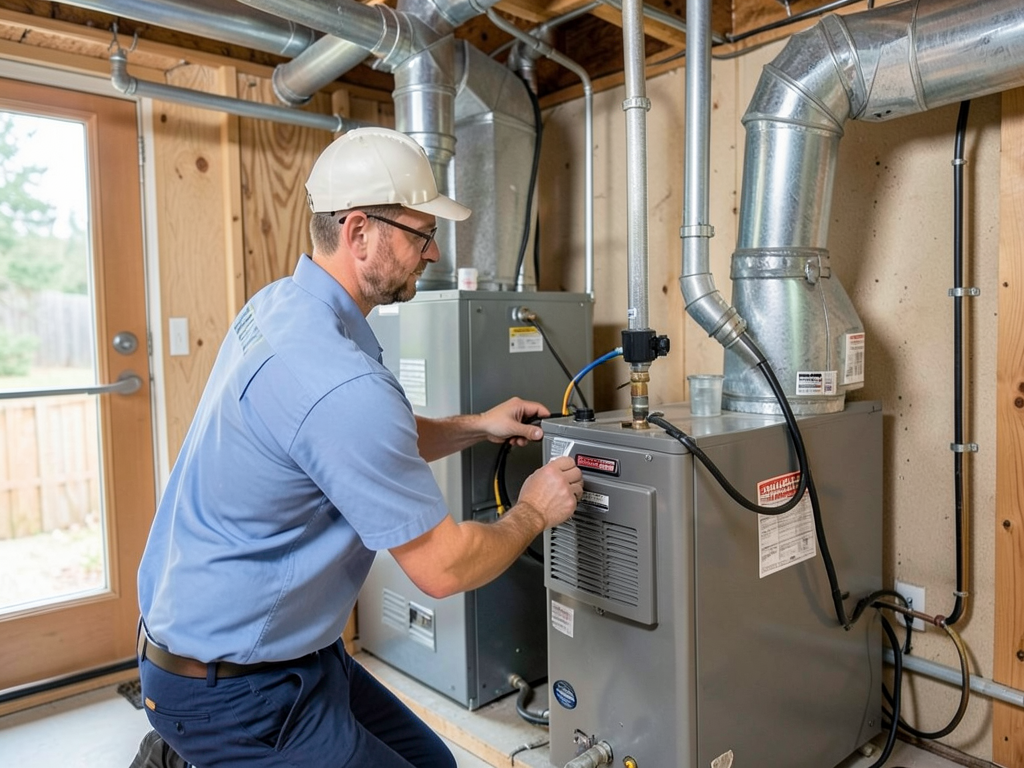
Installation requires professional expertise. The unit mounts near your furnace or air handler, connecting to existing ductwork. A condensate pump removes collected water through a dedicated drain line. Most Parkside homes need units sized for 2,000 to 3,500 square feet, though older homes with poor insulation may require larger capacity. Ductless AC Installation for Historical Homes in North Buffalo.
The system runs automatically based on humidity sensors. When indoor relative humidity exceeds your set point, typically 45 to 50 percent, the dehumidifier activates. This prevents the “swampy” feeling that makes summer nights uncomfortable and reduces the musty odors that plague basements.
Home Ventilation Systems: The Fresh Air Factor
Ventilation systems focus on air exchange rather than moisture removal. Energy Recovery Ventilators (ERVs) and Heat Recovery Ventilators (HRVs) bring fresh outdoor air inside while exhausting stale indoor air. They solve the problem of “stale” air that accumulates in tightly sealed homes. Outdoor Unit Not Spinning.
ERVs transfer both heat and moisture between incoming and outgoing air streams. In summer, they pre-cool and dehumidify fresh air using the coolness of exhaust air. In winter, they pre-warm fresh air using the heat from exhaust air. This process reduces energy costs while improving air quality.
HRVs transfer only heat, not moisture. They work best in homes where humidity is not a primary concern or where dehumidification is handled separately. Parkside homes with damp basements but dry main floors often benefit from ERVs because they manage both temperature and humidity. EPA indoor air quality guidelines.
Installation involves mounting the unit in utility spaces, connecting to existing ductwork, and adding dedicated intake and exhaust vents. The systems include filters that remove pollen, dust, and other particles. Many Parkside homeowners report fewer allergy symptoms after installation.. Read more about How to Clean Up Your Buffalo Home Air After a Major Kitchen or Bathroom Renovation.
Ventilation addresses the root cause of poor indoor air quality: insufficient fresh air exchange. Modern homes, including many renovated Parkside properties, are built so tightly that natural air infiltration cannot provide adequate ventilation. This creates a sealed environment where pollutants accumulate.
Comparing Moisture Control and Air Exchange
| Feature | Whole-House Dehumidifier | ERV/ HRV System |
|---|---|---|
| Primary Function | Remove moisture from air | Exchange indoor and outdoor air |
| Moisture Removal | 70-135 pints per day | Minimal to none |
| Air Exchange Rate | None | 0.3-0.5 air changes per hour |
| Energy Use | 6-10 amps continuous | 1-2 amps continuous |
| Installation Cost | $2,800-4,200 | $3,200-5,000 |
| Maintenance | Clean coils quarterly, replace filter annually | Replace core every 2-3 years, clean filters quarterly |
| Best For | Damp basements, musty odors, allergy sufferers | Stale air, cooking odors, VOC buildup |
Which System Fits Your Parkside Home?
Older Parkside homes built before 1940 typically need different solutions than those renovated in the past decade. Original balloon-frame construction allows significant air exchange, making dedicated dehumidification more important than ventilation. These homes often feel drafty but struggle with basement moisture.
Consider these diagnostic questions. Does your basement feel damp year-round? Do you notice condensation on windows during summer? Are there musty odors that persist even when the house is clean? These symptoms suggest high humidity that a dehumidifier can address.
Do you experience stuffiness or lingering cooking odors? Are there rooms that feel warmer or cooler than others? Do you have frequent headaches or allergy symptoms indoors? These indicate poor air exchange that ventilation can solve.
Parkside’s soil composition affects indoor humidity. The area’s clay-rich soil holds moisture and releases it slowly into basements. Homes on properties with poor drainage or high water tables struggle more with humidity. A moisture meter reading above 60 percent relative humidity in your basement indicates a need for dehumidification.
Building age matters significantly. Homes built before 1920 often lack vapor barriers and have numerous air leaks. These structures benefit from dehumidification to control moisture while accepting that some air exchange will occur naturally. Homes renovated with modern insulation and windows need mechanical ventilation to replace the fresh air that no longer enters through gaps.
The Hybrid Solution: When You Need Both
Many Parkside homeowners discover they need both systems. An ERV provides fresh air exchange while a dehumidifier handles excess moisture. This combination addresses both the “tight house” problem of modern renovations and the “damp basement” issue common in older construction.
The systems work together efficiently. The ERV preconditions incoming air, reducing the load on the dehumidifier. The dehumidifier prevents moisture buildup that would overwhelm the ERV’s moisture transfer capabilities. Together, they maintain optimal indoor conditions year-round.
Installation sequence matters. Start with a professional assessment of your home’s specific conditions. A technician uses moisture meters, airflow meters, and thermal imaging to identify problem areas. This diagnostic process reveals whether humidity or air exchange is your primary concern.
Energy costs for running both systems average $30-45 monthly during peak seasons. This investment often pays for itself through reduced HVAC runtime, prevented mold damage, and improved comfort. Parkside’s extreme seasonal swings make this dual approach particularly effective.
Consider your home’s specific vulnerabilities. Does your basement flood during heavy rains? Do you have a dirt-floor crawl space? These conditions create constant moisture sources that overwhelm ventilation alone. Conversely, do you have a tightly sealed addition with modern windows? This space needs fresh air exchange regardless of humidity levels.
Making the Right Choice for Your Home
Start with a professional assessment. A qualified HVAC technician measures your home’s humidity levels, air exchange rates, and identifies moisture sources. This diagnostic process costs $150-300 but prevents costly mistakes. Installing the wrong system wastes money and fails to solve your problem.
Consider your home’s age and renovation history. Original Parkside homes with plaster walls and single-pane windows need dehumidification first. Homes with modern additions or recent renovations need ventilation to address the “tight building syndrome” that creates stale air.
Think about your specific symptoms. Musty odors and damp basements indicate high humidity that dehumidification addresses. Stuffy air and lingering odors indicate poor ventilation that air exchange systems solve. If you experience both, the hybrid approach provides comprehensive relief.
Budget considerations matter but should not drive the decision. Installing a $3,000 system that doesn’t solve your problem costs more than investing in the right $5,000 solution. Consider long-term energy savings, prevented damage, and improved comfort when evaluating costs. Choosing the Right HVAC Contractor for Your West Seneca Home Renovation.
Parkside’s unique climate creates specific challenges. Lake Erie’s influence means summer humidity arrives as a wall of moisture that traditional air conditioning cannot fully address. Winter’s dry air creates static electricity and respiratory discomfort. The right system manages both extremes while protecting your home’s historic character.
Call (716) 317-7757 today to schedule your professional assessment. Our technicians understand Parkside’s unique housing stock and can recommend the right solution for your specific home. Don’t wait until moisture damage becomes expensive repairs or poor air quality affects your family’s health.
Pick up the phone and call (716) 317-7757 before the next humidity spike makes your home uncomfortable. We’ll help you breathe easier and protect your investment in your historic Parkside property. For more information, visit ASHRAE ventilation standards.
{
“@context”: “https://schema.org”,
“@type”: “BlogPosting”,
“headline”: “Determining If Your Historic Parkside Home Needs a Dedicated Dehumidifier or Just Better Ventilation”,
“description”: “Buffalo’s Parkside homes face unique humidity challenges. Learn if you need a whole-house dehumidifier or improved ventilation for better indoor air quality.”,
“wordCount”: 1432,
“datePublished”: “2026-06-09T09:11:00.000Z”,
“dateModified”: “2026-06-09T09:11:00.000Z”,
“inLanguage”: “en-US”,
“mainEntityOfPage”: {
“@type”: “WebPage”,
“@id”: “https://unitedhvacbuffalo.com”
},
“publisher”: {
“@type”: “LocalBusiness”,
“name”: “United HVAC Buffalo”,
“url”: “https://unitedhvacbuffalo.com”
},
“author”: {
“@type”: “Organization”,
“name”: “United HVAC Buffalo”,
“url”: “https://unitedhvacbuffalo.com”
},
“image”: {
“@type”: “ImageObject”,
“url”: “https://unitedhvacbuffalo.com/wp-content/uploads/2026/03/determining-if-your-historic-parkside-home-needs-a-1.png”
}
}
{
“@context”: “https://schema.org”,
“@type”: “HVACBusiness”,
“name”: “United HVAC Buffalo”,
“url”: “https://unitedhvacbuffalo.com”,
“address”: {
“@type”: “PostalAddress”,
“addressLocality”: “Buffalo”
},
“areaServed”: {
“@type”: “City”,
“name”: “Buffalo”
}
}
{
“@context”: “https://schema.org”,
“@type”: “FAQPage”,
“mainEntity”: [
{
“@type”: “Question”,
“name”: “Which System Fits Your Parkside Home?”,
“acceptedAnswer”: {
“@type”: “Answer”,
“text”: “Older Parkside homes built before 1940 typically need different solutions than those renovated in the past decade. Original balloon-frame construction allows significant air exchange, making dedicated dehumidification more important than ventilation. These homes often feel drafty but struggle with basement moisture.”
}
}
]
}
{
“@context”: “https://schema.org”,
“@type”: “BreadcrumbList”,
“itemListElement”: [
{
“@type”: “ListItem”,
“position”: 1,
“name”: “Home”,
“item”: “https://unitedhvacbuffalo.com”
},
{
“@type”: “ListItem”,
“position”: 2,
“name”: “Blog”,
“item”: “https://unitedhvacbuffalo.com/blog”
},
{
“@type”: “ListItem”,
“position”: 3,
“name”: “Determining If Your Historic Parkside Home Needs a Dedicated Dehumidifier or Just Better Ventilation”
}
]
}
{
“@context”: “https://schema.org”,
“@type”: “Service”,
“serviceType”: “HVAC”,
“provider”: {
“@type”: “LocalBusiness”,
“name”: “United HVAC Buffalo”,
“url”: “https://unitedhvacbuffalo.com”
},
“areaServed”: {
“@type”: “City”,
“name”: “Buffalo”
},
“description”: “Buffalo’s Parkside homes face unique humidity challenges. Learn if you need a whole-house dehumidifier or improved ventilation for better indoor air quality.”
}