
Eco-Friendly Ways to Heat Your Home Without Relying Solely on Natural Gas
Buffalo homeowners face harsh winters and rising energy costs making traditional natural gas heating increasingly expensive and environmentally taxing. Fortunately modern heating technology offers several eco-friendly alternatives that can dramatically reduce your carbon footprint while keeping your home warm through lake-effect snow and sub-zero temperatures. These systems range from cold-climate heat pumps to geothermal solutions each with unique benefits for Western New York’s specific climate challenges. HVAC Buffalo.
Why Buffalo Homeowners are Moving Away from Traditional Natural Gas
Natural gas prices in New York State have increased by over 30% in the past two years creating significant financial strain for families already dealing with Buffalo’s long heating season. Beyond cost concerns environmental awareness drives many homeowners to seek alternatives that reduce greenhouse gas emissions. The average Buffalo home using natural gas produces approximately 6.5 tons of CO2 annually equivalent to driving a car over 16,000 miles.
Additionally aging infrastructure poses reliability concerns. National Grid’s aging distribution network experiences more frequent outages during extreme weather events leaving homes without heat during critical periods. The combination of cost volatility environmental impact and reliability issues makes exploring alternatives increasingly attractive for Western New York residents.
Top Alternative Heating Systems Reviewed
Cold-Climate Heat Pumps (The Modern Standard)
Cold-climate air source heat pumps represent the most significant advancement in residential heating technology for Buffalo’s climate zone. These systems extract heat from outdoor air even when temperatures drop to -15°F using variable-speed compressors and advanced refrigerants. Modern ccASHP units achieve heating seasonal performance factors (HSPF2) of 10-12 meaning they produce 3-4 times more heat energy than the electrical energy they consume.. Read more about Comparing Electric Baseboard Heating and Cold Climate Heat Pumps for Buffalo Homes.
The technology has evolved dramatically since early models struggled below freezing. Today’s systems use inverter-driven compressors that continuously adjust output matching heating demand precisely. This eliminates the energy waste of traditional on-off cycling. For Buffalo homes these systems typically require supplemental heating during the coldest periods but handle 85-90% of annual heating load efficiently.. Read more about Choosing Between a Traditional Gas Fireplace and an Energy Efficient Heat Pump for Your Lancaster Living Room.
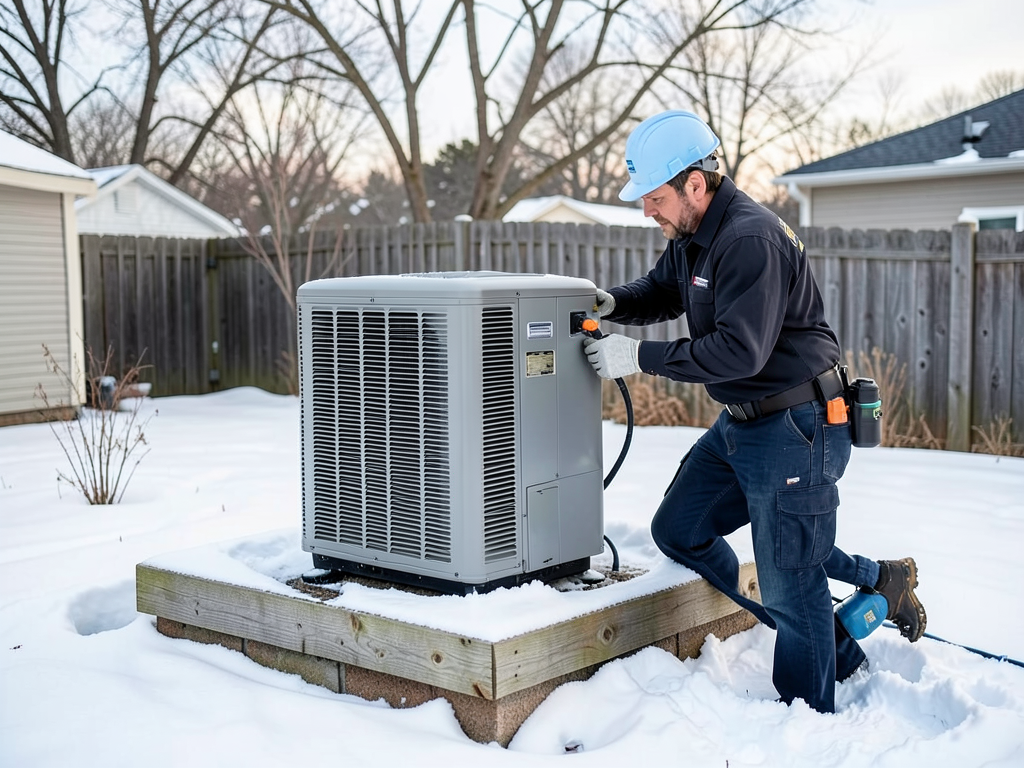
Technical Specification: Modern cold-climate heat pumps must meet NYSERDA Clean Heat Program standards requiring minimum HSPF2 ratings of 10.0 and coefficient of performance (COP) of 1.75 at 5°F outdoor temperature.
Geothermal (Ground-Source) Heating: The Long-Term Investment
Geothermal heating taps into the earth’s constant underground temperature of approximately 50-55°F year-round. Closed-loop systems circulate water or antifreeze through buried pipes exchanging heat with the ground. In winter the relatively warm ground provides heat for your home while in summer the process reverses for cooling.
The installation requires significant upfront investment typically $20,000-$40,000 depending on home size and soil conditions. However geothermal systems achieve COPs of 3.5-5.0 making them the most efficient heating option available. They also eliminate outdoor equipment exposure to Buffalo’s harsh weather reducing maintenance needs. Ductless AC Installation for Historical Homes in North Buffalo.
Buffalo’s clay-heavy soil actually benefits geothermal performance by providing good thermal mass. The frost line depth of 3-4 feet in Erie County requires proper burial depth but creates stable operating conditions. Many homeowners recoup installation costs within 5-7 years through energy savings and available NYSERDA incentives. NYSERDA Clean Heat Program.
Hybrid/Dual-Fuel Systems: The ‘Best of Both Worlds’ for WNY
Hybrid systems combine a heat pump with a high-efficiency gas furnace creating an intelligent system that automatically switches between electric and gas heating based on outdoor temperature and energy costs. Typically the heat pump handles heating down to 20-30°F then the gas furnace takes over during extreme cold. Emergency Furnace Repair in Amherst When Your Heat Goes Out at Night.
This approach provides several advantages for Buffalo’s variable climate. You maintain heat pump efficiency during most of the heating season while ensuring reliable performance during polar vortex events. The system also provides cooling in summer eliminating the need for separate air conditioning. Finding the Most Reliable Furnace Repair Services in Buffalo.
Installation costs range from $8,000-$15,000 making hybrid systems more accessible than full geothermal conversion. They qualify for both federal tax credits and NYSERDA rebates when using qualified equipment. The automatic switching eliminates homeowner decision-making during weather emergencies.
Radiant Floor Heating: Consistent Comfort for Older Buffalo Homes
Radiant floor systems distribute heat through water-filled tubes or electric cables embedded in floors. These systems excel in Buffalo’s older homes with high ceilings where forced air loses heat before reaching occupied spaces. Radiant heat warms objects and people directly creating comfortable conditions at lower air temperatures.
Hydronic radiant systems pair well with high-efficiency boilers or solar thermal collectors. Electric systems work best as supplemental heating in specific areas like bathrooms or kitchens. Installation costs vary widely from $6-$20 per square foot depending on whether floors require modification.
Buffalo’s aging housing stock particularly benefits from radiant heating’s ability to eliminate cold spots and drafts common in homes built before modern insulation standards. The systems also reduce dust circulation compared to forced air making them ideal for allergy sufferers.
Pellet and Wood Stoves: Supplemental Heating Strategies
While not primary heating solutions pellet and wood stoves provide excellent supplemental heat for Buffalo homes. Modern pellet stoves achieve efficiency ratings of 70-85% using compressed wood waste that burns cleaner than traditional firewood. They provide reliable heat during power outages common during lake-effect storms.
Pellet stoves cost $2,000-$5,000 installed and require only a small vent rather than a full chimney. They automatically feed fuel from hoppers holding 40-60 pounds providing 24-48 hours of continuous operation. Wood stoves offer similar benefits with fuel flexibility but require more manual operation.. Read more about How to Heat a Small Accessory Dwelling Unit or Tiny Home in Williamsville.
These systems work exceptionally well in Buffalo’s older neighborhoods where many homes already have chimney infrastructure. They reduce overall heating costs by 10-30% when used to heat frequently occupied areas while keeping central systems at lower settings.. Read more about Why You Need a Chimney Liner When Upgrading to a High Efficiency Boiler in Kenmore.
Cost-Benefit Analysis: ROI in Western New York
| System Type | Installation Cost | Annual Operating Cost | Buffalo Winter Performance | Payback Period |
|---|---|---|---|---|
| Cold-Climate Heat Pump | $8,000-$15,000 | $800-$1,200 | Handles 85% of load | 5-7 years |
| Geothermal System | $20,000-$40,000 | $400-$700 | Handles 100% of load | 5-8 years |
| Hybrid System | $8,000-$15,000 | $900-$1,400 | Handles 90% of load | 4-6 years |
| Radiant Floor | $12,000-$25,000 | $600-$1,000 | Handles 70% of load | 6-10 years |
These figures assume current National Grid electricity rates of $0.18/kWh and natural gas prices of $1.50/therm. Actual costs vary based on home size insulation quality and specific equipment selected.
NY State Rebates and Federal Tax Credits (2024-2025)
New York State offers substantial incentives for eco-friendly heating through NYSERDA’s Clean Heat Program. Homeowners can receive rebates of $4,000-$8,000 for qualified heat pump installations depending on income level and equipment efficiency. The program specifically targets cold-climate heat pumps meeting HSPF2 thresholds of 10.0 or higher.
Federal tax credits under the Inflation Reduction Act provide 30% of installation costs up to $2,000 for qualified heat pumps and up to $5,000 for geothermal systems. These credits apply to equipment meeting ENERGY STAR Most Efficient standards and installation through 2032.
Additional local incentives include National Grid’s energy efficiency rebates offering $100-$500 for high-efficiency equipment installations. Erie County also provides property tax exemptions for renewable energy improvements in some cases. Combined incentives can reduce net installation costs by 40-60% making these systems financially accessible for many Buffalo families.
Expert Verdict: Which System Wins for Your Buffalo Home Style?
Buffalo’s diverse housing stock requires different approaches. For Elmwood Village Victorians with no existing ductwork cold-climate heat pumps with ductless mini-splits provide efficient heating without major renovations. These systems work well in the neighborhood’s high-ceilinged homes where traditional ductwork would be impractical.
Post-war Cape Cods in Tonawanda benefit from hybrid systems that leverage existing ductwork while providing modern efficiency. The systems handle the neighborhood’s mix of ranch and split-level home designs common in developments built between 1950-1970.
Newer construction in Orchard Park with open floor plans and good insulation achieves optimal performance from geothermal systems. The larger lot sizes accommodate ground loop installations while modern building envelopes maximize system efficiency. Orchard Park Homeowners’ Guide to Replacing an Aging Heat Pump.
City proper homes in Allentown and Delaware District often require hybrid approaches combining radiant floor heating in main living areas with heat pumps for bedrooms and upper floors. This strategy addresses the unique thermal characteristics of historic construction while preserving architectural integrity.
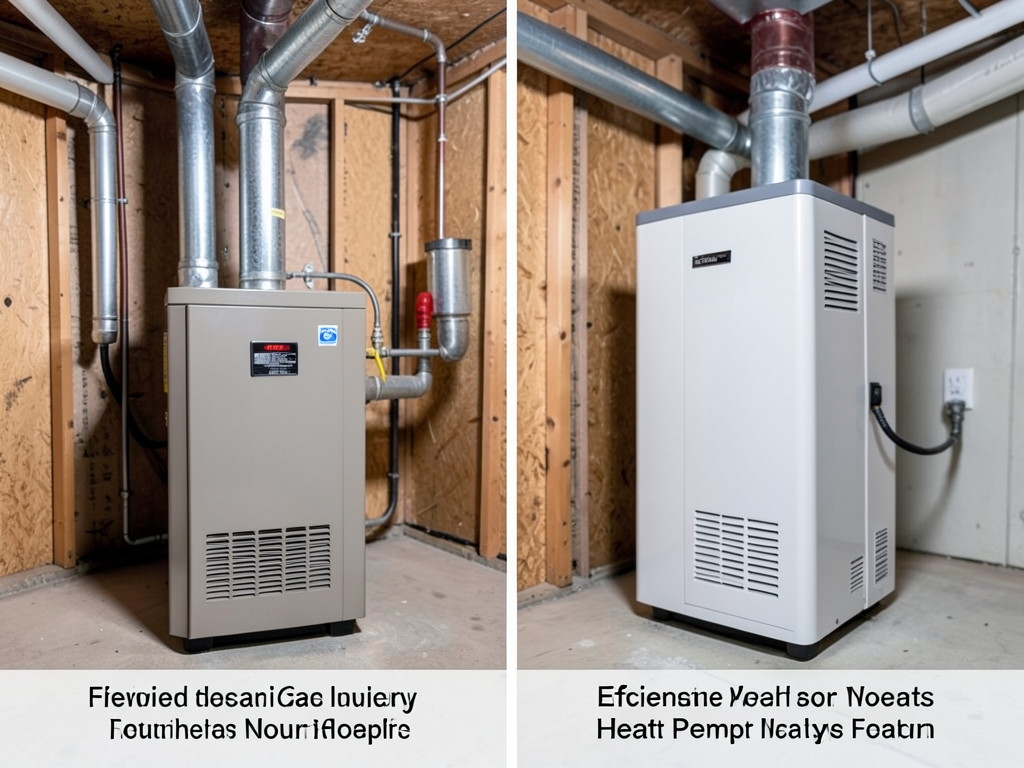
Installation Considerations for Buffalo’s Climate
Buffalo’s extreme weather creates specific installation requirements. Outdoor units must be elevated at least 12 inches above grade to prevent snow damage and ensure proper drainage. Units require wind protection from prevailing west winds that can reduce efficiency by 15-20%.
The freeze-thaw cycles common in Western New York demand corrosion-resistant materials and proper condensate drainage. Copper refrigerant lines must be insulated to prevent freezing and sweating. Electrical connections require weatherproof enclosures rated for -40°F operation.
Professional load calculations become critical in Buffalo’s climate. Oversized equipment short-cycles reducing efficiency and comfort while undersized systems struggle during polar vortex events. ACCA Manual J calculations specific to Climate Zone 5 ensure proper system sizing for local conditions.
Call (716) 317-7757 today to schedule your inspection.
Maintenance Requirements for Peak Performance
Eco-friendly heating systems require specific maintenance to maintain efficiency in Buffalo’s climate. Heat pumps need annual professional servicing including refrigerant charge verification, coil cleaning, and electrical connection inspection. Dirty coils can reduce efficiency by 20-30% in systems handling heavy winter loads.
Geothermal systems require less frequent maintenance but need regular filter changes and occasional antifreeze testing. The buried ground loops typically last 50+ years but require periodic pressure testing to detect leaks. Heat pump water heaters in these systems need anode rod inspection every 2-3 years.
Buffalo’s humidity levels between 70-80% in summer create indoor air quality considerations. Proper filtration prevents mold growth in duct systems while humidity control prevents window condensation that can damage historic woodwork common in city homes.
Environmental Impact and Energy Independence
Switching from natural gas to electricity-powered heating reduces carbon emissions even with New York’s current grid mix. National Grid’s increasing renewable energy percentage means emissions continue declining over system lifetime. A typical heat pump installation reduces CO2 emissions by 3-5 tons annually compared to natural gas.
Energy independence becomes possible when combining heat pumps with solar panels. Buffalo receives adequate sunlight for solar viability despite cloudy winters. Net metering allows excess summer production to offset winter heating electrical loads creating near-zero energy homes.
The transition also reduces dependence on fossil fuel price volatility. While electricity rates fluctuate they typically show less dramatic changes than natural gas. This stability helps families budget heating costs more predictably through Buffalo’s long winter season.
Frequently Asked Questions
Do heat pumps work in Buffalo’s extreme cold?
Modern cold-climate heat pumps function effectively down to -15°F extracting heat even from very cold air. They include supplemental heating elements for the coldest periods while handling 85-90% of annual heating load efficiently.
How long do eco-friendly heating systems last?
Heat pumps typically last 15-20 years while geothermal systems often exceed 25 years due to protected underground components. Proper maintenance significantly extends system lifespan in Buffalo’s demanding climate.
Are these systems noisy?
Modern heat pumps operate at 50-70 decibels comparable to a refrigerator. Geothermal systems are virtually silent since all major components are indoors or underground.
Can I keep my existing radiators?
Yes, hybrid systems can integrate with existing hot water radiators while adding heat pumps for other areas. This approach preserves historic character while improving efficiency.
What rebates are available in 2024?
NYSERDA offers $4,000-$8,000 rebates for qualified heat pumps. Federal tax credits provide 30% of costs up to $2,000. Combined incentives can reduce installation costs by 40-60%.
Pick up the phone and call (716) 317-7757 before the next storm hits. Our local experts understand Buffalo’s unique heating challenges and can recommend the perfect eco-friendly solution for your home.
- Assess Your Current System
Evaluate your existing heating equipment’s age, efficiency, and condition. Consider fuel costs and comfort issues you want to address.
- Calculate Your Heating Load
Professional Manual J calculations determine proper system sizing for Buffalo’s climate zone 5 conditions.
- Explore Available Incentives
Research NYSERDA rebates, federal tax credits, and utility rebates that can reduce installation costs by thousands.
- Select Compatible Equipment
Choose systems meeting cold-climate standards with HSPF2 ratings of 10.0+ for reliable Buffalo winter performance.
- Plan Professional Installation
Work with experienced local contractors familiar with Western New York’s specific installation requirements and building codes. For more information, visit Department of Energy Heat Pump Information.
{
“@context”: “https://schema.org”,
“@type”: “BlogPosting”,
“headline”: “Eco-Friendly Ways to Heat Your Home Without Relying Solely on Natural Gas”,
“description”: “Discover sustainable heating options for Buffalo homes. Learn about heat pumps, geothermal, and hybrid systems that save energy and qualify for NY rebates.”,
“wordCount”: 2039,
“datePublished”: “2026-05-25T13:02:00.000Z”,
“dateModified”: “2026-05-25T13:02:00.000Z”,
“inLanguage”: “en-US”,
“mainEntityOfPage”: {
“@type”: “WebPage”,
“@id”: “https://unitedhvacbuffalo.com”
},
“publisher”: {
“@type”: “LocalBusiness”,
“name”: “United HVAC Buffalo”,
“url”: “https://unitedhvacbuffalo.com”
},
“author”: {
“@type”: “Organization”,
“name”: “United HVAC Buffalo”,
“url”: “https://unitedhvacbuffalo.com”
},
“image”: {
“@type”: “ImageObject”,
“url”: “https://unitedhvacbuffalo.com/wp-content/uploads/2026/03/eco-friendly-ways-to-heat-your-home-without-relyin-1.png”
}
}
{
“@context”: “https://schema.org”,
“@type”: “HVACBusiness”,
“name”: “United HVAC Buffalo”,
“url”: “https://unitedhvacbuffalo.com”,
“address”: {
“@type”: “PostalAddress”,
“addressLocality”: “Buffalo”
},
“areaServed”: {
“@type”: “City”,
“name”: “Buffalo”
}
}
{
“@context”: “https://schema.org”,
“@type”: “FAQPage”,
“mainEntity”: [
{
“@type”: “Question”,
“name”: “Expert Verdict: Which System Wins for Your Buffalo Home Style?”,
“acceptedAnswer”: {
“@type”: “Answer”,
“text”: “Buffalo’s diverse housing stock requires different approaches. For Elmwood Village Victorians with no existing ductwork cold-climate heat pumps with ductless mini-splits provide efficient heating without major renovations. These systems work well in the neighborhood’s high-ceilinged homes where traditional ductwork would be impractical.”
}
},
{
“@type”: “Question”,
“name”: “Do heat pumps work in Buffalo’s extreme cold?”,
“acceptedAnswer”: {
“@type”: “Answer”,
“text”: “Modern cold-climate heat pumps function effectively down to -15°F extracting heat even from very cold air. They include supplemental heating elements for the coldest periods while handling 85-90% of annual heating load efficiently.”
}
},
{
“@type”: “Question”,
“name”: “How long do eco-friendly heating systems last?”,
“acceptedAnswer”: {
“@type”: “Answer”,
“text”: “Heat pumps typically last 15-20 years while geothermal systems often exceed 25 years due to protected underground components. Proper maintenance significantly extends system lifespan in Buffalo’s demanding climate.”
}
},
{
“@type”: “Question”,
“name”: “Are these systems noisy?”,
“acceptedAnswer”: {
“@type”: “Answer”,
“text”: “Modern heat pumps operate at 50-70 decibels comparable to a refrigerator. Geothermal systems are virtually silent since all major components are indoors or underground.”
}
},
{
“@type”: “Question”,
“name”: “Can I keep my existing radiators?”,
“acceptedAnswer”: {
“@type”: “Answer”,
“text”: “Yes, hybrid systems can integrate with existing hot water radiators while adding heat pumps for other areas. This approach preserves historic character while improving efficiency.”
}
},
{
“@type”: “Question”,
“name”: “What rebates are available in 2024?”,
“acceptedAnswer”: {
“@type”: “Answer”,
“text”: “NYSERDA offers $4,000-$8,000 rebates for qualified heat pumps. Federal tax credits provide 30% of costs up to $2,000. Combined incentives can reduce installation costs by 40-60%.”
}
}
]
}
{
“@context”: “https://schema.org”,
“@type”: “HowTo”,
“name”: “How to Choose Eco-Friendly Heating”,
“step”: [
{
“@type”: “HowToStep”,
“position”: 1,
“name”: “Assess Your Current System”,
“text”: “Evaluate your existing heating equipment’s age, efficiency, and condition. Consider fuel costs and comfort issues you want to address.”
},
{
“@type”: “HowToStep”,
“position”: 2,
“name”: “Calculate Your Heating Load”,
“text”: “Professional Manual J calculations determine proper system sizing for Buffalo’s climate zone 5 conditions.”
},
{
“@type”: “HowToStep”,
“position”: 3,
“name”: “Explore Available Incentives”,
“text”: “Research NYSERDA rebates, federal tax credits, and utility rebates that can reduce installation costs by thousands.”
},
{
“@type”: “HowToStep”,
“position”: 4,
“name”: “Select Compatible Equipment”,
“text”: “Choose systems meeting cold-climate standards with HSPF2 ratings of 10.0+ for reliable Buffalo winter performance.”
},
{
“@type”: “HowToStep”,
“position”: 5,
“name”: “Plan Professional Installation”,
“text”: “Work with experienced local contractors familiar with Western New York’s specific installation requirements and building codes. For more information, visit Department of Energy Heat Pump Information.”
}
],
“image”: “https://unitedhvacbuffalo.com/wp-content/uploads/2026/03/eco-friendly-ways-to-heat-your-home-without-relyin-1.png”
}
{
“@context”: “https://schema.org”,
“@type”: “BreadcrumbList”,
“itemListElement”: [
{
“@type”: “ListItem”,
“position”: 1,
“name”: “Home”,
“item”: “https://unitedhvacbuffalo.com”
},
{
“@type”: “ListItem”,
“position”: 2,
“name”: “Blog”,
“item”: “https://unitedhvacbuffalo.com/blog”
},
{
“@type”: “ListItem”,
“position”: 3,
“name”: “Eco-Friendly Ways to Heat Your Home Without Relying Solely on Natural Gas”
}
]
}
{
“@context”: “https://schema.org”,
“@type”: “Service”,
“serviceType”: “HVAC”,
“provider”: {
“@type”: “LocalBusiness”,
“name”: “United HVAC Buffalo”,
“url”: “https://unitedhvacbuffalo.com”
},
“areaServed”: {
“@type”: “City”,
“name”: “Buffalo”
},
“description”: “Discover sustainable heating options for Buffalo homes. Learn about heat pumps, geothermal, and hybrid systems that save energy and qualify for NY rebates.”
}