
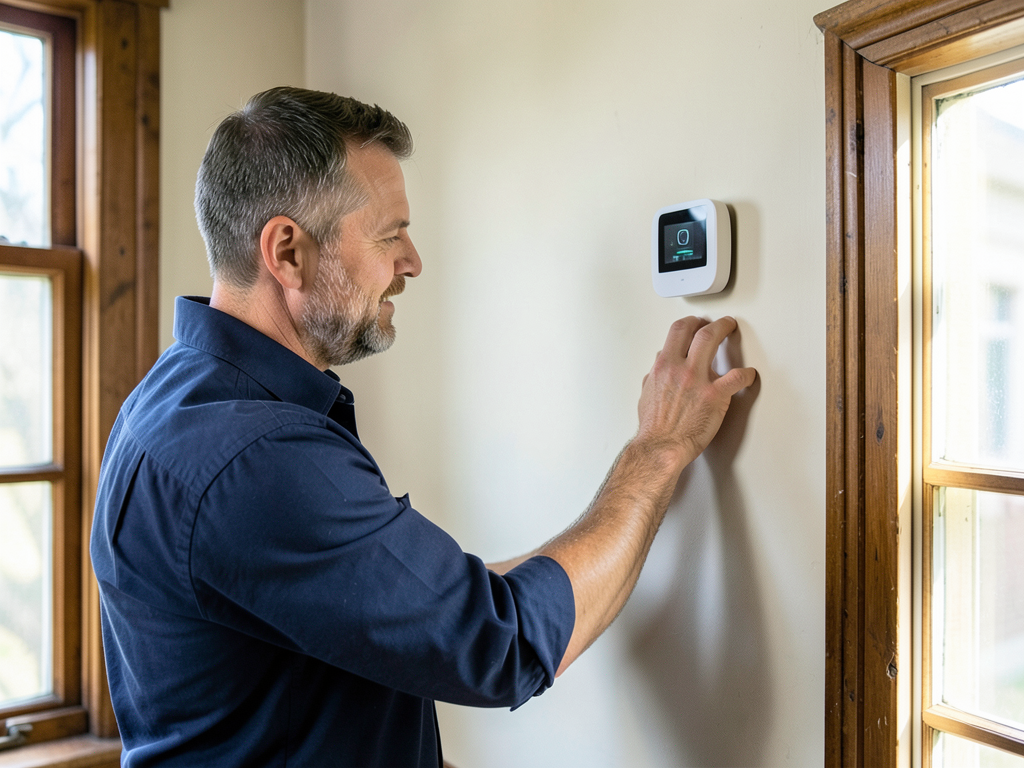
Finding the right spot for your thermostat in a First Ward cottage can feel like a guessing game. These charming 1920s homes sit right along the Buffalo River with narrow lots and older construction that lets drafts sneak in from every direction. The wrong thermostat location can make your furnace work overtime, send your energy bills soaring, and leave you shivering in one room while another bakes. Finding the Most Reliable Furnace Repair Services in Buffalo.
The good news is that with a few smart placement strategies you can get accurate temperature readings and even comfort throughout your cottage. We’ll show you exactly where to put your thermostat, what to avoid, and how First Ward’s unique building style affects your heating system’s performance.. Read more about The Ideal Winter Thermostat Setting for Your Buffalo Home While You Are Away on Vacation.
Where Should Your Thermostat Go in a First Ward Home
Start by thinking about the five-foot rule. Your thermostat needs to sit about five feet above the floor on an interior wall away from any heat sources or cold spots. In a typical First Ward cottage this usually means an inside hallway wall or living room wall that’s not exposed to the river breeze.. Read more about Making Your Second Floor Dormer Bedroom Actually Comfortable During a Heatwave.
Interior walls work better than exterior walls because they maintain more stable temperatures. First Ward homes often have balloon-frame construction which means cold air can travel easily between walls. An interior location keeps your thermostat from getting false readings from that chilly air movement.
Central placement matters too. Your thermostat should represent the average temperature of your main living area. For most First Ward cottages this means avoiding corners or rooms that get extra sun through those big old windows facing south toward the river.
Golden Rules for Thermostat Placement
Keep these five rules in mind when choosing your spot: Choosing the Right HVAC Contractor for Your West Seneca Home Renovation.
- Five feet above the floor on an interior wall
- At least three feet away from any heat sources like lamps or electronics
- Not near windows or exterior doors where drafts hit
- Away from kitchens where cooking heat can fool the sensor
- In a spot that represents your main living area’s average temperature
Following these rules helps your furnace run efficiently and keeps your home comfortable without wasting energy. Emergency Furnace Repair in Amherst When Your Heat Goes Out at Night.
Places to Never Put Your Thermostat
Some spots guarantee bad readings. Never put your thermostat:
- Above a radiator or near a heating vent
- On an outside wall that faces the Buffalo River
- In direct sunlight from those big First Ward windows
- Near a bathroom where steam can affect readings
- In a drafty hallway near the front door
- Above electronics that generate heat
- Walk through your home with a thermometer and note temperature variations
- Check for drafts near windows and doors with a candle flame
- Mark potential interior wall locations that meet the five-foot rule
- Avoid spots near any heat sources or electronics
- Test your current thermostat by comparing its reading to other rooms
- Your energy bills keep rising despite thermostat adjustments
- Certain rooms stay cold while others overheat
- Your furnace runs constantly or cycles on and off rapidly
- You’ve tried different locations but still have comfort issues
- Dust the sensor area monthly with a soft brush
- Check batteries in battery-powered models every six months
- Make sure the display is level and secure
- Test the system at the start of each heating season
- Keep the area around the thermostat clear of objects
- Putting the thermostat near the living room TV or entertainment center
- Mounting it too close to a kitchen doorway
- Placing it in a bedroom that gets closed off during the day
- Installing it on an exterior wall shared with a neighbor’s heated space
- Choosing a spot that’s hard to access for adjustments
- Wi-Fi enabled models for remote control and energy monitoring
- Models with built-in humidity sensors for better comfort control
- Systems that integrate with smart home platforms
- Units with learning capabilities that adapt to your schedule
These locations cause “ghost readings” where your thermostat thinks the room is warmer or cooler than it really is. Your furnace ends up running too long or shutting off too early.
First Ward Specific Challenges
First Ward cottages face unique heating challenges. Many were built before modern insulation standards with single-pane windows and minimal wall insulation. The proximity to the Buffalo River means these homes often experience stronger winds and more moisture in the air. HVAC Buffalo.
Balloon-frame construction common in First Ward allows cold air to move freely between wall cavities. This creates convection currents that can trick your thermostat into thinking the whole house is colder than it is. You might notice your furnace running constantly even when the main room feels okay.
The narrow lots and close proximity to neighboring homes also affects how heat moves through your cottage. Heat from adjacent buildings can create microclimates that make standard thermostat placement guidelines less effective.
Smart Thermostat Solutions for Drafty Homes
Smart thermostats with remote sensors can solve many First Ward placement problems. These systems let you put the main thermostat in a good central location while adding sensors in problem areas like drafty bedrooms or cold basements.
Models like the Ecobee SmartThermostat or Nest Learning Thermostat offer remote room sensors that give you more accurate readings throughout your home. You can set priorities for different rooms based on when you use them most.
Some smart thermostats also learn your home’s unique patterns. They can compensate for drafty areas by running the fan longer or adjusting the cycle times to maintain even temperatures despite the older construction.
Professional Calibration Makes a Difference
Even the best thermostat placement won’t help if your system isn’t properly calibrated. A professional HVAC technician can test your furnace’s output, check airflow, and make sure your thermostat is communicating correctly with your heating system.. Read more about What a Professional Energy Audit Reveals About Your High Buffalo Heating Bills.
During a calibration visit we measure the actual temperature at your thermostat location and compare it to other areas of your home. We can adjust your system’s cycle times or recommend additional returns to improve overall comfort.
For First Ward homes we often find that simple adjustments to ductwork or adding zoning controls can make a bigger difference than moving the thermostat itself.
DIY Thermostat Placement Checklist
Before calling a professional try this simple test:
If you notice big temperature swings or your furnace runs constantly, your thermostat location might be the culprit.
When to Call United HVAC Buffalo
Sometimes DIY solutions aren’t enough. Call us if:
We understand First Ward’s unique construction challenges and can recommend solutions that work with your home’s specific layout and heating system.
Maintaining Your Thermostat for Accuracy
Once you’ve found the perfect spot keep your thermostat working accurately with these simple maintenance steps:
Clean sensors read temperatures more accurately and help your system run efficiently.
Energy Savings Through Smart Placement
Proper thermostat placement can reduce your heating bills by 10-15% according to the U.S. Department of Energy. For a typical First Ward cottage that could mean $150-200 in annual savings. U.S. Department of Energy thermostat guide.
The savings come from your furnace running more efficiently and not working overtime to compensate for bad thermostat readings. You also extend the life of your heating system by reducing unnecessary cycling.
Combine good placement with a programmable schedule and you can maximize those savings while staying comfortable.
Common First Ward Thermostat Mistakes
Watch out for these common errors First Ward homeowners make:
These mistakes can cost you comfort and money without you even realizing it.
Future-Proofing Your Thermostat Setup
Consider these upgrades when replacing your thermostat:
These features can help compensate for older home construction while giving you more control over your comfort and energy use.
Getting Professional Help in First Ward
United HVAC Buffalo has been serving First Ward and surrounding Buffalo neighborhoods since 2010. We understand the specific challenges of heating these historic cottages and can recommend solutions that preserve your home’s character while improving comfort.
Our technicians are familiar with local building codes and can ensure any modifications meet current standards. We also offer emergency service for those times when your heating system needs immediate attention.
Don’t let another winter go by with uncomfortable rooms and high energy bills. Call United HVAC Buffalo at (716) 317-7757 to schedule your thermostat assessment today.
Frequently Asked Questions
Can I move my thermostat myself?
Moving a thermostat involves running new wiring and making proper connections. While simple battery-powered models are easier to relocate, most hardwired thermostats should be moved by a professional to ensure safe and code-compliant installation. Ductless AC Installation for Historical Homes in North Buffalo.
How far should my thermostat be from vents?
Your thermostat should be at least three feet away from any supply vents or returns. This prevents the direct airflow from affecting the temperature reading and causing your system to cycle incorrectly.
Does thermostat height really matter?
Yes, height affects accuracy. Hot air rises, so placing your thermostat too high can cause it to read warmer than the occupied space. The five-foot guideline helps ensure it reads the temperature where you actually live and breathe.
Should I get a smart thermostat for my old cottage?
Smart thermostats can be excellent for older homes because they offer features like remote sensors and learning capabilities that compensate for drafty construction. They also provide energy usage data that can help you identify problem areas in your home.
How often should I replace my thermostat?
Most thermostats last 10-15 years. Consider replacement if yours is older, has inaccurate readings, lacks modern features, or if you’re experiencing comfort issues that might be thermostat-related.
Ready to solve your thermostat troubles? Call United HVAC Buffalo at (716) 317-7757 today to schedule your professional assessment. We’ll help you find the perfect spot for your thermostat and ensure your First Ward cottage stays comfortable all winter long. For more information, visit EPA Energy Saver resources.
{
“@context”: “https://schema.org”,
“@type”: “BlogPosting”,
“headline”: “Finding the Right Spot for Your Thermostat in a Drafty First Ward Cottage”,
“description”: “Learn how to place your thermostat for accurate readings in Buffalo’s First Ward. Discover draft solutions, smart tech options, and local HVAC tips from United HVAC Buffalo.”,
“wordCount”: 1646,
“datePublished”: “2026-05-23T15:03:00.000Z”,
“dateModified”: “2026-05-23T15:03:00.000Z”,
“inLanguage”: “en-US”,
“mainEntityOfPage”: {
“@type”: “WebPage”,
“@id”: “https://unitedhvacbuffalo.com”
},
“publisher”: {
“@type”: “LocalBusiness”,
“name”: “United HVAC Buffalo”,
“url”: “https://unitedhvacbuffalo.com”
},
“author”: {
“@type”: “Organization”,
“name”: “United HVAC Buffalo”,
“url”: “https://unitedhvacbuffalo.com”
},
“image”: {
“@type”: “ImageObject”,
“url”: “https://unitedhvacbuffalo.com/wp-content/uploads/2026/03/finding-the-right-spot-for-your-thermostat-in-a-dr-1.png”
}
}
{
“@context”: “https://schema.org”,
“@type”: “HVACBusiness”,
“name”: “United HVAC Buffalo”,
“url”: “https://unitedhvacbuffalo.com”,
“address”: {
“@type”: “PostalAddress”,
“addressLocality”: “Buffalo”
},
“areaServed”: {
“@type”: “City”,
“name”: “Buffalo”
}
}
{
“@context”: “https://schema.org”,
“@type”: “FAQPage”,
“mainEntity”: [
{
“@type”: “Question”,
“name”: “Can I move my thermostat myself?”,
“acceptedAnswer”: {
“@type”: “Answer”,
“text”: “Moving a thermostat involves running new wiring and making proper connections. While simple battery-powered models are easier to relocate, most hardwired thermostats should be moved by a professional to ensure safe and code-compliant installation. Ductless AC Installation for Historical Homes in North Buffalo.”
}
},
{
“@type”: “Question”,
“name”: “How far should my thermostat be from vents?”,
“acceptedAnswer”: {
“@type”: “Answer”,
“text”: “Your thermostat should be at least three feet away from any supply vents or returns. This prevents the direct airflow from affecting the temperature reading and causing your system to cycle incorrectly.”
}
},
{
“@type”: “Question”,
“name”: “Does thermostat height really matter?”,
“acceptedAnswer”: {
“@type”: “Answer”,
“text”: “Yes, height affects accuracy. Hot air rises, so placing your thermostat too high can cause it to read warmer than the occupied space. The five-foot guideline helps ensure it reads the temperature where you actually live and breathe.”
}
},
{
“@type”: “Question”,
“name”: “Should I get a smart thermostat for my old cottage?”,
“acceptedAnswer”: {
“@type”: “Answer”,
“text”: “Smart thermostats can be excellent for older homes because they offer features like remote sensors and learning capabilities that compensate for drafty construction. They also provide energy usage data that can help you identify problem areas in your home.”
}
}
]
}
{
“@context”: “https://schema.org”,
“@type”: “BreadcrumbList”,
“itemListElement”: [
{
“@type”: “ListItem”,
“position”: 1,
“name”: “Home”,
“item”: “https://unitedhvacbuffalo.com”
},
{
“@type”: “ListItem”,
“position”: 2,
“name”: “Blog”,
“item”: “https://unitedhvacbuffalo.com/blog”
},
{
“@type”: “ListItem”,
“position”: 3,
“name”: “Finding the Right Spot for Your Thermostat in a Drafty First Ward Cottage”
}
]
}
{
“@context”: “https://schema.org”,
“@type”: “Service”,
“serviceType”: “HVAC”,
“provider”: {
“@type”: “LocalBusiness”,
“name”: “United HVAC Buffalo”,
“url”: “https://unitedhvacbuffalo.com”
},
“areaServed”: {
“@type”: “City”,
“name”: “Buffalo”
},
“description”: “Learn how to place your thermostat for accurate readings in Buffalo’s First Ward. Discover draft solutions, smart tech options, and local HVAC tips from United HVAC Buffalo.”
}