
How to Heat a Small Accessory Dwelling Unit or Tiny Home in Williamsville
Keeping a tiny home or accessory dwelling unit warm in Williamsville means understanding both the extreme Western New York climate and the unique heating needs of compact spaces. With Lake Erie’s lake-effect snow and winter temperatures that can drop below -10°F, standard residential heating systems often overpower small footprints while leaving cold spots. The key is selecting a system that delivers consistent, efficient heat without taking up precious interior space or driving up utility costs. Heat Pump Buying Guide.
The Buffalo Climate Challenge
Williamsville sits in USDA Plant Hardiness Zone 6a, where winter design temperatures reach -10°F. Lake-effect snow events can dump 2-3 feet of snow in 24 hours, creating unique heating demands. Tiny homes and ADUs often have less insulation than traditional construction, making them vulnerable to rapid heat loss during these extreme events. The challenge isn’t just heating the space—it’s maintaining consistent temperatures when wind chills push below -20°F and preventing moisture buildup that can lead to condensation on windows and walls.
Moisture control becomes critical in small spaces. A typical tiny home might have only 150-500 square feet of living area, meaning every BTU counts. Poor ventilation can trap humidity from cooking, showering, and breathing, leading to mold growth and structural damage. Williamsville’s humid summers (average relative humidity 70-80%) compound this problem, making year-round ventilation essential.
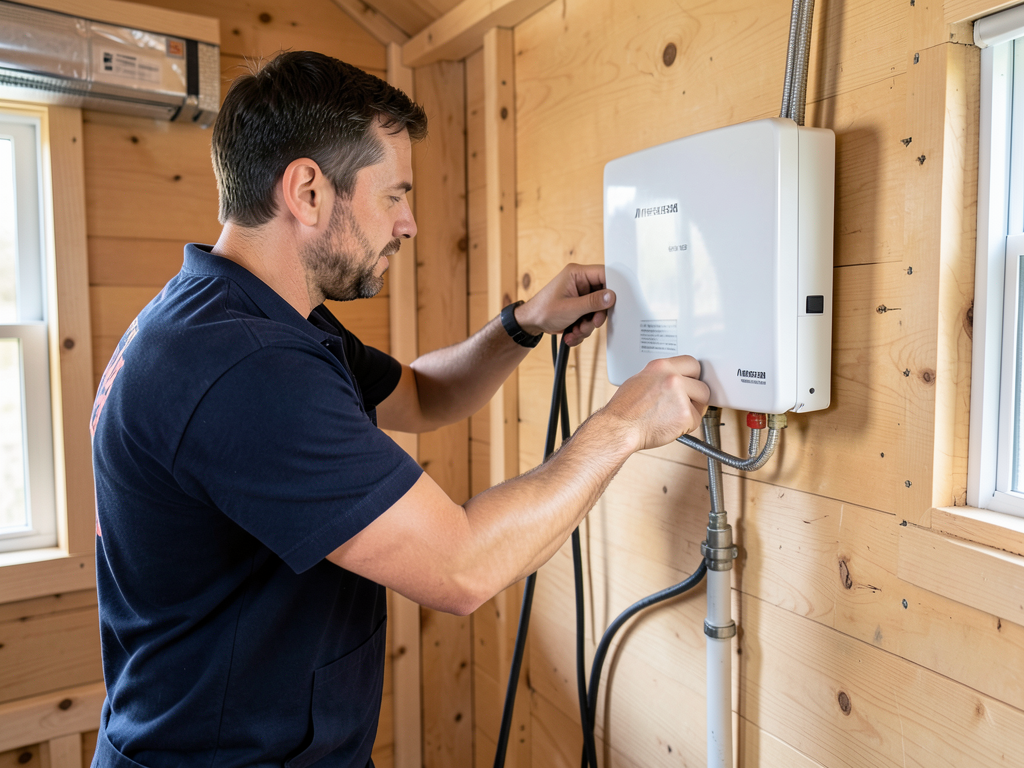
Top 3 Heating Systems for Tiny Houses in Buffalo
Cold Climate Air Source Heat Pumps
Cold climate mini-split heat pumps represent the most efficient option for Williamsville tiny homes. Modern units like Mitsubishi’s Hyper-Heat series maintain 100% heating capacity down to -13°F and continue operating at reduced capacity even below -20°F. These systems provide both heating and cooling, eliminating the need for separate equipment. The indoor units mount high on walls, preserving floor space, while the outdoor condenser requires only a small concrete pad with proper frost line protection. Outdoor Unit Not Spinning.
Installation requires a dedicated 240V circuit and proper condensate drainage to prevent freeze-ups. Williamsville’s building code (NYS Uniform Fire Prevention and Building Code Section 1303.2) mandates specific clearances from property lines and requires permits for all mechanical installations. The electrical panel in older Williamsville homes may need upgrading to handle the additional load. Ductless AC Installation for Historical Homes in North Buffalo.
Propane Direct-Vent Wall Heaters
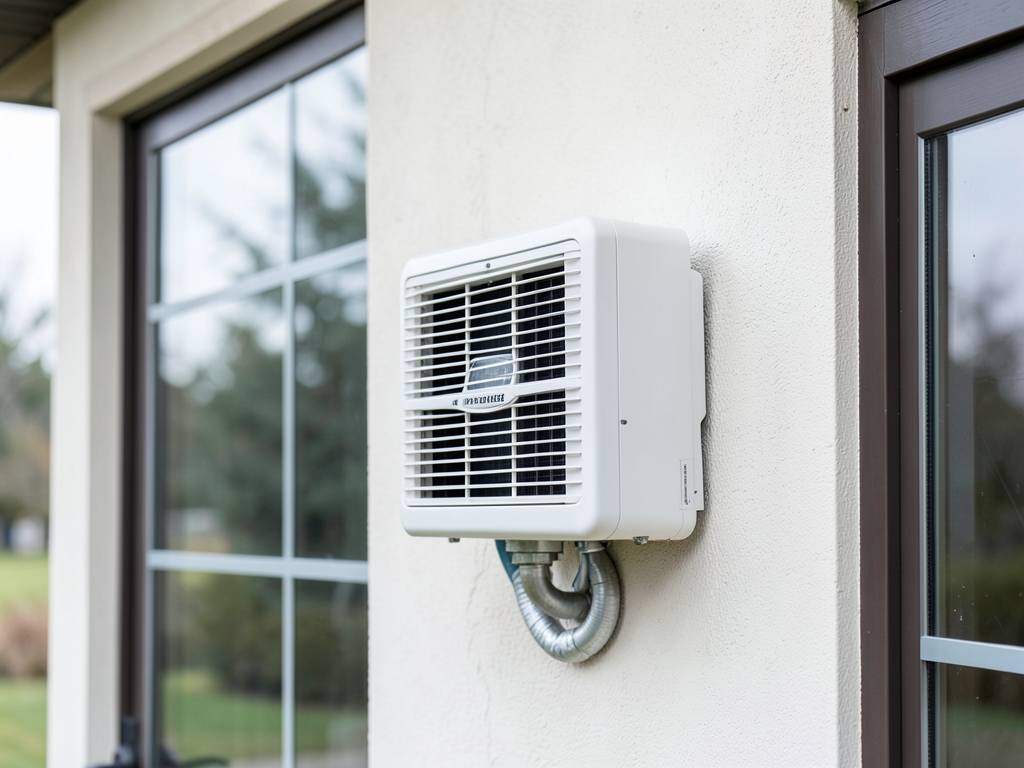
For off-grid locations or homes without natural gas service, propane direct-vent wall heaters offer reliable heat without electricity. Empire and Dickinson units mount directly to exterior walls and draw combustion air from outside while venting exhaust directly through the wall. A 20,000 BTU unit typically heats 500 square feet adequately in Zone 6 conditions. Finding the Most Reliable Furnace Repair Services in Buffalo.
Installation requires cutting through exterior walls and proper sealing to prevent drafts. Williamsville’s high clay soil content (Williamsville is built on the Onondaga Formation limestone bedrock with clay-rich overburden) means exterior walls need extra attention to prevent moisture infiltration around vent penetrations. Propane tanks require setback distances from property lines and buildings as specified in NYS Fire Code Section 6.10.4.
Electric Radiant Floor Heating
Electric radiant floor systems provide comfortable, even heat without visible equipment. Heating mats installed under tile or engineered flooring consume 10-15 watts per square foot. For a 200-square-foot tiny home, this means approximately 2,000-3,000 watts of heating capacity. While electric resistance heating costs more to operate than heat pumps, the comfort level and space savings justify the investment for many Williamsville residents.. Read more about Selecting the Best HVAC System for a Manufactured Home in Cheektowaga.
The system requires a dedicated electrical circuit and thermostat with floor sensors. Williamsville’s electrical code (NYS Electrical Code Article 424) mandates GFCI protection for all electric heating circuits. The thin profile (typically under 1/8 inch) preserves precious ceiling height in lofts and sleeping areas.
Sizing Your System: The ‘Manual J’ for Tiny Spaces
Traditional HVAC sizing uses Manual J calculations, but tiny homes require modified approaches. For Williamsville’s climate, calculate 30-40 BTU per square foot for well-insulated spaces. A 300-square-foot tiny home needs 9,000-12,000 BTU heating capacity. However, tiny home construction often includes higher R-values (R-20 walls, R-30 ceilings) than standard homes, reducing heating loads.
Consider these Williamsville-specific factors:
- Window U-values: Double-pane low-E windows reduce heat loss by 30-50%
- Door infiltration: Weatherstripping quality affects heating load significantly
- Thermal bridging: Metal framing conducts heat 300 times faster than wood
- Air changes per hour: Target 0.35 ACH for energy efficiency
Williamsville’s elevation (approximately 600 feet above sea level) and proximity to the Niagara Escarpment create microclimates that can vary 5-10°F from surrounding areas. South-facing ADUs may need less heating capacity than north-facing units due to solar gain through windows.
NY State Incentives and Rebates
NYSERDA’s Clean Heat Program offers rebates up to $1,000 for qualifying cold climate heat pumps installed in 2026. The EmPower+ program provides income-eligible homeowners with free energy assessments and up to $10,000 in energy efficiency improvements. Williamsville residents may qualify for both programs when upgrading from electric resistance or propane heating. NYSERDA Clean Heat Program.
Federal tax credits through the Energy Efficient Home Improvement Credit cover 30% of qualified heat pump costs up to $2,000 in 2026. These incentives make high-efficiency systems cost-competitive with standard equipment over their lifetime. The NY State Department of Environmental Conservation also offers grants for renewable energy systems that could offset heating costs in off-grid tiny homes.
Local utility National Grid provides additional rebates for heat pump installations, typically $500-$800 depending on system efficiency ratings. The program requires installation by certified contractors and submission of efficiency data within 90 days of installation.
Installation and Local Regulations
Erie County requires building permits for all HVAC installations in ADUs and tiny homes. The permit process includes submission of Manual J calculations, equipment specifications, and electrical load calculations. Williamsville’s zoning code (Chapter 255) permits ADUs on residential lots with specific setback requirements: 10 feet from side property lines and 20 feet from rear property lines.
Mechanical inspections verify proper venting, combustion air supply, and condensate drainage. For heat pumps, inspectors check refrigerant line insulation, electrical connections, and condensate pump operation if required. Propane installations require additional inspections for gas line sizing, leak testing, and carbon monoxide detector placement.
Williamsville’s frost line depth (approximately 42 inches) affects outdoor unit pad construction. Pads must extend below frost line to prevent heaving during freeze-thaw cycles. The county also requires exterior equipment to be screened from view when visible from public streets, often necessitating landscaping or decorative fencing.
Off-grid tiny homes in rural Williamsville areas face different requirements. Solar-powered heating systems must include battery backup sufficient to maintain minimum temperatures (typically 50°F) during extended cloudy periods. The NYS Energy Code mandates specific insulation requirements for thermal envelopes, regardless of heating source.
Moisture and Ventilation Management
Small spaces concentrate moisture problems. A family of two generates approximately 2-3 gallons of water vapor daily through breathing, cooking, and showering. Without proper ventilation, this moisture condenses on cold surfaces, creating ideal conditions for mold growth. Williamsville’s humid climate makes this problem worse during spring and fall shoulder seasons.
Energy Recovery Ventilators (ERVs) exchange indoor air with fresh outdoor air while transferring heat and moisture between airstreams. In winter, ERVs preheat incoming air using outgoing warm air, reducing heating loads by 30-40%. The units consume minimal electricity (typically under 100 watts) and maintain indoor air quality without significant heat loss.
Humidity control targets 30-50% relative humidity. Below 30% causes static electricity and dry skin; above 50% promotes mold growth. Smart thermostats with humidity sensors can activate ventilation systems automatically when humidity exceeds setpoints. Some Williamsville residents install dedicated dehumidifiers for summer operation, switching to humidification mode during extreme cold when indoor air becomes too dry.
Winterization and Emergency Preparedness
Williamsville’s severe winters require backup heating plans. Power outages lasting 24-48 hours occur during major storms. For heat pump systems, consider installing a small propane or kerosene heater as backup. These units provide 10,000-20,000 BTU of emergency heat without electricity. Emergency Furnace Repair in Amherst When Your Heat Goes Out at Night.
Outdoor heat pump units need protection from heavy snow accumulation. Install units at least 12 inches above expected snow levels and provide overhead protection from falling ice and snow from roofs. Williamsville’s average annual snowfall (95 inches) means snow buildup around outdoor equipment is inevitable without proper planning.
Freeze protection for plumbing becomes critical in tiny homes. Heat tape on water supply lines prevents freezing during extreme cold. Insulate all exposed pipes with R-4 minimum insulation. Consider installing a small electric heating cable in the main water supply line entering the home.
Emergency supplies should include battery-powered carbon monoxide detectors, battery-operated fans for air circulation during power outages, and thermal blankets for additional insulation. Williamsville’s emergency services recommend keeping at least three days of supplies on hand during winter months.
Cost Considerations and ROI
Heating system costs vary significantly by technology. A cold climate heat pump installation typically ranges from $3,500-$5,000 including equipment and labor. Propane direct-vent heaters cost $1,500-$2,500 installed. Electric radiant floor systems range from $8-$15 per square foot for materials, with installation adding $3-$5 per square foot.
Operating costs depend on fuel prices and system efficiency. In 2026, natural gas averages $1.50 per therm, electricity averages $0.18 per kWh, and propane averages $3.50 per gallon in the Buffalo area. A heat pump typically costs $30-$50 per month to operate during winter, while propane heating might cost $80-$120 per month depending on outdoor temperatures. HVAC Buffalo.
Payback periods range from 3-7 years for high-efficiency systems when accounting for utility rebates and energy savings. The environmental benefit includes reducing carbon emissions by 2-4 tons annually compared to electric resistance heating.
Maintenance and Longevity
Heat pumps require annual maintenance including coil cleaning, refrigerant level checks, and electrical connection inspection. Williamsville’s dusty conditions and pollen counts mean filters need replacement every 2-3 months during peak operation. Propane heaters need annual cleaning and burner inspection to maintain efficiency and prevent carbon monoxide production.
Electric radiant systems require minimal maintenance but need thermostat calibration every few years. The heating cables typically last 20-30 years with no moving parts to wear out. However, if a cable fails, the entire floor may need replacement to access the damaged section.
Air filter selection impacts system efficiency. MERV 8-11 filters provide good balance between air quality and system performance. Higher MERV ratings restrict airflow, reducing heating capacity and increasing energy consumption. Williamsville’s high pollen counts make frequent filter changes necessary during spring and fall.
Professional maintenance includes checking for refrigerant leaks using electronic leak detectors, measuring superheat and subcooling to verify proper refrigerant charge, and inspecting condensate drains for algae growth. These diagnostics prevent costly repairs and maintain manufacturer warranties.
Choosing the Right System for Your Williamsville Tiny Home
System selection depends on your specific situation. For grid-connected homes with access to natural gas, a cold climate heat pump offers the best combination of efficiency, comfort, and versatility. For off-grid locations or where natural gas isn’t available, propane direct-vent heaters provide reliable heat without electricity dependence.
Consider your usage patterns. If you’re away during winter months, choose a system with freeze protection and remote monitoring capabilities. Many modern thermostats connect to smartphone apps, allowing temperature adjustments from anywhere. This feature proves invaluable during unexpected cold snaps or travel delays.
Williamsville’s building inspectors look for proper permits, correct venting, and adequate combustion air supply. DIY installations often fail inspection, leading to costly corrections. Professional installation ensures code compliance and maintains manufacturer warranties, which typically require professional installation for full coverage.
Space constraints in tiny homes make equipment selection critical. Wall-mounted mini-splits preserve floor space but require wall reinforcement in some cases. Floor-standing units take up valuable square footage but may be easier to service. Consider your layout and traffic patterns when selecting equipment locations.
Climate change projections suggest Williamsville winters may see more extreme temperature swings in coming decades. Systems with wider operating ranges and better efficiency at partial loads will provide better long-term value. Investing in slightly oversized equipment now may prevent replacement in 10-15 years as climate patterns shift.
Call (716) 317-7757 today to schedule your inspection. Our Williamsville-based technicians understand local building codes and can recommend the perfect heating solution for your tiny home or ADU. Don’t wait until the first cold snap—plan your heating system now and stay comfortable all winter long.
Frequently Asked Questions
What size heat pump do I need for a 400-square-foot tiny home in Williamsville?
A 400-square-foot space typically needs 12,000-16,000 BTU heating capacity. For Williamsville’s climate, choose a unit rated for at least 15,000 BTU at 5°F to handle extreme cold snaps. Always verify with Manual J calculations that account for your specific insulation levels and window areas.
Can I install a heating system myself in my ADU?
DIY installation is not recommended and likely violates building codes. Erie County requires permits and professional installation for all HVAC systems. Improper installation can create carbon monoxide hazards, void warranties, and cause moisture problems that damage your structure.
How much does it cost to heat a tiny home in Williamsville during winter?
Monthly heating costs range from $30-$150 depending on your system and outdoor temperatures. Heat pumps cost the least to operate, while electric resistance heating costs the most. Propane prices fluctuate seasonally, with highest costs typically in January and February during peak demand.
Do I need a permit for a tiny home heating system in Williamsville?
Yes, Erie County requires permits for all mechanical installations including heating systems. The permit process ensures proper venting, electrical connections, and compliance with NYS building codes. Unpermitted work can result in fines and may complicate future property sales.
What’s the most reliable heating option for off-grid tiny homes?
Propane direct-vent heaters offer the best reliability for off-grid locations. They don’t require electricity and provide consistent heat during power outages. For solar-powered systems, consider a DC-powered mini-split that can run directly from battery banks without inverters.
You may also find this helpful. The Homeowners Guide to Buying a New HVAC System for a Rental Property in University Heights.
{
“@context”: “https://schema.org”,
“@type”: “BlogPosting”,
“headline”: “How to Heat a Small Accessory Dwelling Unit or Tiny Home in Williamsville”,
“description”: “Learn how to keep your tiny home or ADU warm through Buffalo winters with expert HVAC solutions for Williamsville’s unique climate and building requirements.”,
“wordCount”: 2315,
“datePublished”: “2026-06-13T09:55:00.000Z”,
“dateModified”: “2026-06-13T09:55:00.000Z”,
“inLanguage”: “en-US”,
“mainEntityOfPage”: {
“@type”: “WebPage”,
“@id”: “https://unitedhvacbuffalo.com”
},
“publisher”: {
“@type”: “LocalBusiness”,
“name”: “United HVAC Buffalo”,
“url”: “https://unitedhvacbuffalo.com”
},
“author”: {
“@type”: “Organization”,
“name”: “United HVAC Buffalo”,
“url”: “https://unitedhvacbuffalo.com”
},
“image”: {
“@type”: “ImageObject”,
“url”: “https://unitedhvacbuffalo.com/wp-content/uploads/2026/03/how-to-heat-a-small-accessory-dwelling-unit-or-tin-1.png”
}
}
{
“@context”: “https://schema.org”,
“@type”: “HVACBusiness”,
“name”: “United HVAC Buffalo”,
“url”: “https://unitedhvacbuffalo.com”,
“address”: {
“@type”: “PostalAddress”,
“addressLocality”: “Buffalo”
},
“areaServed”: {
“@type”: “City”,
“name”: “Buffalo”
}
}
{
“@context”: “https://schema.org”,
“@type”: “FAQPage”,
“mainEntity”: [
{
“@type”: “Question”,
“name”: “What size heat pump do I need for a 400-square-foot tiny home in Williamsville?”,
“acceptedAnswer”: {
“@type”: “Answer”,
“text”: “A 400-square-foot space typically needs 12,000-16,000 BTU heating capacity. For Williamsville’s climate, choose a unit rated for at least 15,000 BTU at 5°F to handle extreme cold snaps. Always verify with Manual J calculations that account for your specific insulation levels and window areas.”
}
},
{
“@type”: “Question”,
“name”: “Can I install a heating system myself in my ADU?”,
“acceptedAnswer”: {
“@type”: “Answer”,
“text”: “DIY installation is not recommended and likely violates building codes. Erie County requires permits and professional installation for all HVAC systems. Improper installation can create carbon monoxide hazards, void warranties, and cause moisture problems that damage your structure.”
}
},
{
“@type”: “Question”,
“name”: “How much does it cost to heat a tiny home in Williamsville during winter?”,
“acceptedAnswer”: {
“@type”: “Answer”,
“text”: “Monthly heating costs range from $30-$150 depending on your system and outdoor temperatures. Heat pumps cost the least to operate, while electric resistance heating costs the most. Propane prices fluctuate seasonally, with highest costs typically in January and February during peak demand.”
}
},
{
“@type”: “Question”,
“name”: “Do I need a permit for a tiny home heating system in Williamsville?”,
“acceptedAnswer”: {
“@type”: “Answer”,
“text”: “Yes, Erie County requires permits for all mechanical installations including heating systems. The permit process ensures proper venting, electrical connections, and compliance with NYS building codes. Unpermitted work can result in fines and may complicate future property sales.”
}
},
{
“@type”: “Question”,
“name”: “What’s the most reliable heating option for off-grid tiny homes?”,
“acceptedAnswer”: {
“@type”: “Answer”,
“text”: “Propane direct-vent heaters offer the best reliability for off-grid locations. They don’t require electricity and provide consistent heat during power outages. For solar-powered systems, consider a DC-powered mini-split that can run directly from battery banks without inverters.”
}
}
]
}
{
“@context”: “https://schema.org”,
“@type”: “BreadcrumbList”,
“itemListElement”: [
{
“@type”: “ListItem”,
“position”: 1,
“name”: “Home”,
“item”: “https://unitedhvacbuffalo.com”
},
{
“@type”: “ListItem”,
“position”: 2,
“name”: “Blog”,
“item”: “https://unitedhvacbuffalo.com/blog”
},
{
“@type”: “ListItem”,
“position”: 3,
“name”: “How to Heat a Small Accessory Dwelling Unit or Tiny Home in Williamsville”
}
]
}
{
“@context”: “https://schema.org”,
“@type”: “Service”,
“serviceType”: “HVAC”,
“provider”: {
“@type”: “LocalBusiness”,
“name”: “United HVAC Buffalo”,
“url”: “https://unitedhvacbuffalo.com”
},
“areaServed”: {
“@type”: “City”,
“name”: “Buffalo”
},
“description”: “Learn how to keep your tiny home or ADU warm through Buffalo winters with expert HVAC solutions for Williamsville’s unique climate and building requirements.”
}