
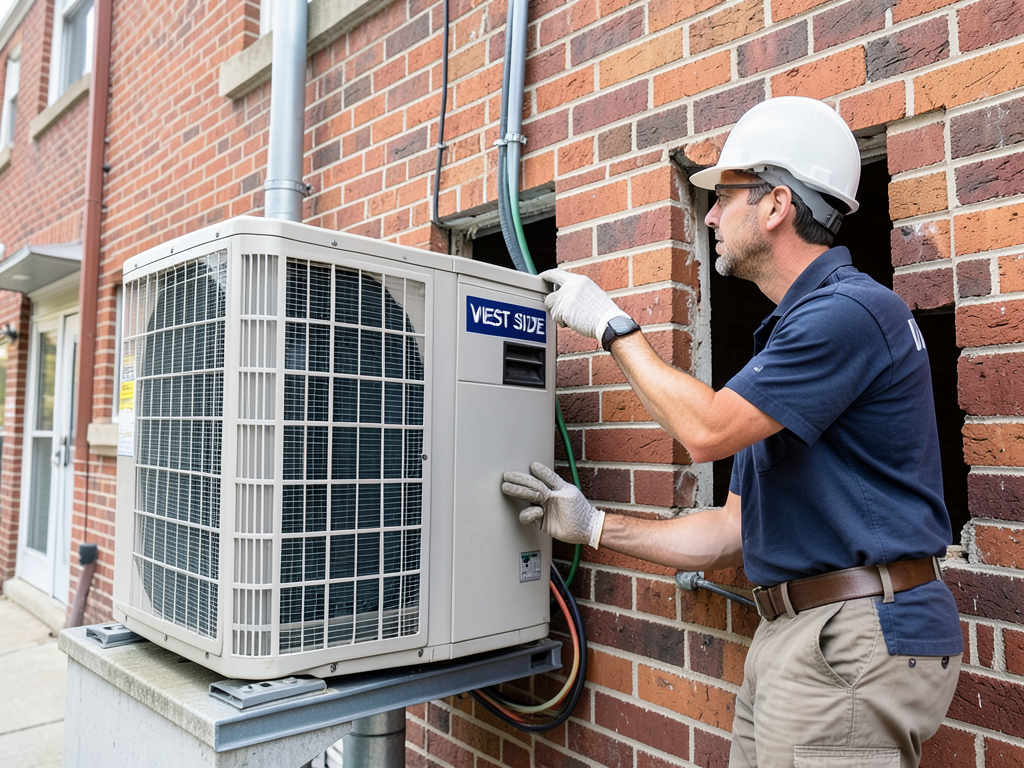
The Best HVAC Solutions for Landlords in Buffalo West Side Multi-Family Units
Buffalo’s West Side is booming with multi-family renovations. Landlords need HVAC systems that handle extreme winters, high tenant turnover, and separate utility billing. This guide breaks down the best heating and cooling options for 2-4 unit buildings, from Victorian conversions to modern apartments. HVAC Buffalo.
Understanding West Side Multi-Family HVAC Challenges
West Side properties face unique demands. Most buildings were constructed between 1900-1930 with balloon framing and shared chimneys. These structures often lack central ductwork, making traditional forced-air systems difficult to install without major demolition. The lake-effect climate means outdoor units must survive -15°F winters and 90°F humid summers. Outdoor Unit Not Spinning.
Buffalo’s 14201 zip code contains the highest concentration of multi-family units in the city. Many are being converted from single-family homes, creating a patchwork of heating needs across individual units. Property managers need systems that minimize tenant disruption during installation and provide reliable 24/7 heating for tenant safety. Ductless AC Installation for Historical Homes in North Buffalo.
VRF Systems: The Modern Multi-Family Standard
Variable Refrigerant Flow systems excel in West Side multi-family buildings. These systems use one outdoor unit to serve multiple indoor units, each with its own thermostat. Tenants control their own temperature without affecting neighbors. Installation requires only small refrigerant lines through walls, preserving historic plaster and trim.. Read more about Central Air Installation Options for Historic Bungalows in Kaisertown.
VRF systems achieve 30% better efficiency than traditional split systems. They provide simultaneous heating and cooling to different units. During shoulder seasons, they capture waste heat from sun-facing units and redistribute it to shaded areas. This reduces overall energy consumption across the building.. Read more about Why You Should Get a Second Opinion Before Replacing Your Hamburg Furnace.
Modern VRF units include freeze protection down to -22°F. They use inverter technology to maintain steady temperatures without the temperature swings of traditional systems. Noise levels stay below 35 decibels, making them ideal for bedroom installations in older buildings with thin walls.
PTAC Units for Individual Control
Packaged Terminal Air Conditioners work well for smaller West Side units. These through-the-wall units provide both heating and cooling in one package. They’re ideal for efficiency apartments under 600 square feet where VRF might be overkill.
PTAC units install through exterior walls with a chassis sleeve. They require 42-inch wide by 16-inch high openings. Most West Side brick buildings can accommodate these without structural modifications. Units slide into the sleeve for easy replacement and maintenance.
Modern PTAC units achieve 12+ SEER ratings. They include dehumidification modes for Buffalo’s humid summers. Electric heat strips provide backup heating, though gas-fired PTAC units offer better efficiency for Buffalo’s climate. Units typically last 8-10 years with proper maintenance.
Central Boiler Systems for Whole-Building Heat
Many West Side buildings still use central steam or hot water boilers. These systems provide whole-building heating through radiators in each unit. Modern high-efficiency condensing boilers achieve 95% efficiency compared to 60-70% for older units.
Replacing an old boiler requires proper sizing calculations. A heat loss analysis determines the exact BTU requirements for the building. Oversized boilers short-cycle, reducing efficiency and lifespan. Undersized units can’t maintain temperatures during extreme cold snaps.
Modern boilers include outdoor reset controls. These adjust water temperature based on outdoor conditions. During mild weather, they run cooler water through the system, saving energy. They also include low-water cutoff switches and pressure relief valves for safety.
Individual Metering Solutions for Separate Billing
Landlords need accurate utility billing for multi-family units. Heat pumps and VRF systems can include individual electric meters at each indoor unit. This allows precise tenant billing based on actual usage rather than estimates.
BTU meters for boiler systems track hot water flow and temperature differential. These calculate exactly how much heat each unit receives. Data logs provide monthly usage reports for tenant billing. Some systems integrate with property management software for automated billing.
Smart thermostats with occupancy sensors optimize energy use. They learn tenant patterns and adjust temperatures automatically. Vacation modes prevent heating empty units. Remote monitoring allows property managers to verify systems are operating correctly between tenant changes.
NYSERDA Incentives and Energy Rebates
New York State offers substantial rebates for energy-efficient HVAC upgrades. NYSERDA’s Clean Heat Program provides up to $1,500 per unit for heat pump installations. Multi-family buildings with 5+ units can qualify for additional incentives through the Multifamily Performance Program. NYSERDA Clean Heat Program.
National Fuel Gas offers rebates up to $450 for high-efficiency furnaces and $500 for smart thermostats. These rebates apply to both owner-occupied and rental properties. Applications must include before-and-after efficiency ratings from certified technicians. Emergency Furnace Repair in Amherst When Your Heat Goes Out at Night.
Federal tax credits through 2026 cover 30% of heat pump installation costs up to $2,000. These credits apply to both equipment and installation labor. Property owners should consult tax professionals about depreciation benefits for rental property upgrades.
24/7 Emergency Service for Tenant Safety
Tenant heating emergencies require immediate response. Buffalo’s building code mandates minimum 68°F indoor temperatures between September 15 and May 31. Property owners face fines and liability for heating failures during this period.
Emergency response protocols include spare parts inventory for common failures. Technicians carry universal control boards, capacitors, and contactors. This allows same-day repairs without ordering parts. Priority service contracts guarantee response within 2 hours for heat emergencies.
Preventive maintenance prevents most emergency calls. Quarterly inspections catch failing components before they break. Cleaning heat exchangers and checking refrigerant levels maintains efficiency. Testing safety controls ensures proper operation during extreme weather.
West Side Building Code Compliance
Buffalo’s building code follows the 2020 NY State Uniform Fire Prevention and Building Code. HVAC installations require permits and inspections. Mechanical permits cost $50-$100 depending on system size. Final inspections verify proper venting, electrical connections, and safety controls.
Gas-fired equipment must comply with NFPA 54 standards. This includes proper combustion air requirements and venting configurations. Combustion analyzers verify safe operation. Carbon monoxide detectors are mandatory in all sleeping areas.
Electrical connections must follow NEC Article 440 for HVAC equipment. This includes proper circuit sizing, disconnect requirements, and grounding. Dedicated circuits prevent nuisance tripping from other appliances. GFCI protection is required for outdoor units.
Noise Control and Tenant Relations
Older West Side buildings have minimal sound insulation between units. HVAC equipment must operate quietly to avoid tenant complaints. Sound attenuators on ductwork reduce air noise. Vibration isolation mounts prevent equipment vibration from transmitting through building structure.
Outdoor unit placement affects both performance and neighbor relations. Units need 24 inches of clearance for airflow. Condenser pads with rubber isolation reduce vibration transmission to adjacent units. Strategic landscaping can screen units from view and reduce noise.
Tenant education prevents many service calls. Providing simple operating instructions reduces thermostat misuse. Explaining normal system sounds prevents unnecessary emergency calls. Clear communication about scheduled maintenance builds trust and reduces complaints.
Cost Comparison: VRF vs. Traditional Systems
| System Type | Initial Cost | Annual Operating Cost | Typical Lifespan | Best For |
|---|---|---|---|---|
| VRF Multi-Split | $8,000-$12,000/unit | $400-$600/unit | 15-20 years | Victorian conversions, luxury rentals |
| Central Boiler | $15,000-$25,000 | $800-$1,200/building | 20-30 years | Whole-building heat only |
| PTAC Units | $1,200-$1,800/unit | $350-$500/unit | 8-10 years | Efficiency apartments |
| Ductless Mini-Split | $4,000-$6,000/unit | $450-$650/unit | 12-15 years | Budget-conscious landlords |
Maintenance Requirements by System Type
VRF systems require annual refrigerant checks and coil cleaning. Filters need replacement every 3-6 months depending on tenant habits. Condensate drains require cleaning to prevent mold growth. Outdoor units need clearance from snow and debris.
Boiler systems need annual combustion analysis and heat exchanger inspection. Low-water cutoffs and pressure relief valves require testing. Radiator vents need bleeding to remove air pockets. Water quality testing prevents scale buildup in heat exchangers.
PTAC units need quarterly filter changes and annual deep cleaning. Drain pans require mold treatment. Fan motors need lubrication if not permanently sealed. Thermostats should be calibrated annually for accurate temperature control.
Seasonal Preparation for Buffalo Winters
Fall maintenance prevents winter emergencies. Outdoor units need snow shields to prevent drifting. Condensate drains require heat tape to prevent freezing. Backup heating sources ensure tenant safety during extreme cold.
Winter storms can cause extended power outages. Systems with DC inverter compressors restart automatically when power returns. Battery backup systems maintain critical controls during brief outages. Landlords should provide tenants with emergency contact procedures.
Spring startup requires checking for winter damage. Rodents often nest in outdoor units. Ice damage can crack refrigerant lines. Early detection prevents mid-season failures when repair demand peaks.
Tenant Turnover and System Longevity
Multi-family systems face more wear than single-family units. Different tenants have different comfort preferences and maintenance habits. Some run systems continuously while others turn them off completely. This cycling affects equipment lifespan.
Individual control systems handle tenant changes better. When one tenant moves out, others maintain their comfort. Central systems may need complete reprogramming for new tenant preferences. Smart thermostats with occupancy sensors adapt automatically to changing usage patterns.
Landlords should document system condition during tenant changes. Photos of clean filters and proper operation protect against damage claims. Regular professional inspections provide third-party verification of system condition.
Future-Proofing Your Multi-Family Investment
Buffalo’s building electrification requirements will affect HVAC choices. NYSERDA’s Clean Heat Program aims for 85% electrification by 2050. Gas furnaces may face restrictions in future building codes. Planning for electric heat pumps now prevents costly retrofits later.
Electrical infrastructure may need upgrades for modern HVAC systems. Many West Side buildings have 60-100 amp service. Modern heat pumps often require 200+ amp service. Panel upgrades cost $1,500-$3,000 but enable future system flexibility.
Smart building integration allows centralized monitoring and control. Building management systems track energy usage across all units. They can optimize system operation based on occupancy and weather forecasts. This maximizes efficiency while maintaining tenant comfort.
Frequently Asked Questions
What’s the best HVAC system for a 3-unit Victorian conversion?
VRF systems typically provide the best balance of efficiency, individual control, and installation flexibility for 3-unit conversions. They preserve historic features while providing modern comfort. Heat pumps with backup electric heat work well in Buffalo’s climate.
How long does a typical multi-family HVAC installation take?
Most installations require 2-3 days per unit. VRF systems need less invasive installation than ducted systems. PTAC units can be replaced in 4-6 hours. Complete building conversions may take 1-2 weeks depending on scope and tenant scheduling.
Are there tax benefits for upgrading rental property HVAC systems?
Yes. Property owners can depreciate HVAC improvements over 15-27.5 years depending on the asset class. Energy-efficient upgrades may qualify for additional depreciation benefits. Consult a tax professional about specific deductions and credits available for your situation.
How do I handle tenant complaints about temperature variations?
Individual control systems eliminate most temperature disputes. For central systems, zoning with motorized dampers can create separate temperature areas. Smart thermostats with remote monitoring help identify actual vs. perceived temperature issues. Clear communication about system capabilities prevents unrealistic expectations.
Call (716) 317-7757 Today for Your Multi-Family HVAC Assessment
Don’t wait until winter to discover your system can’t handle Buffalo’s cold. Call (716) 317-7757 today to schedule a comprehensive assessment of your West Side multi-family property. We’ll evaluate your current system, recommend cost-effective upgrades, and show you available NYSERDA rebates that could save thousands on your investment.
Pick up the phone and call (716) 317-7757 before the next cold snap hits. Our experienced technicians understand the unique challenges of West Side multi-family buildings and can provide solutions that keep tenants comfortable while protecting your investment for years to come. For more information, visit Ohio Building Code Section 3781.
{
“@context”: “https://schema.org”,
“@type”: “BlogPosting”,
“headline”: “The Best HVAC Solutions for Landlords in Buffalo West Side Multi-Family Units”,
“description”: “Expert HVAC solutions for Buffalo West Side multi-family properties. Learn about VRF systems, NYSERDA rebates, and tenant-focused heating/cooling for Victorian conversions.”,
“wordCount”: 1887,
“datePublished”: “2026-04-19T09:14:00.000Z”,
“dateModified”: “2026-04-19T09:14:00.000Z”,
“inLanguage”: “en-US”,
“mainEntityOfPage”: {
“@type”: “WebPage”,
“@id”: “https://unitedhvacbuffalo.com”
},
“publisher”: {
“@type”: “LocalBusiness”,
“name”: “United HVAC Buffalo”,
“url”: “https://unitedhvacbuffalo.com”
},
“author”: {
“@type”: “Organization”,
“name”: “United HVAC Buffalo”,
“url”: “https://unitedhvacbuffalo.com”
},
“image”: {
“@type”: “ImageObject”,
“url”: “https://unitedhvacbuffalo.com/wp-content/uploads/2026/03/the-best-hvac-solutions-for-landlords-in-buffalo-w-1.png”
}
}
{
“@context”: “https://schema.org”,
“@type”: “HVACBusiness”,
“name”: “United HVAC Buffalo”,
“url”: “https://unitedhvacbuffalo.com”,
“address”: {
“@type”: “PostalAddress”,
“addressLocality”: “Buffalo”
},
“areaServed”: {
“@type”: “City”,
“name”: “Buffalo”
}
}
{
“@context”: “https://schema.org”,
“@type”: “FAQPage”,
“mainEntity”: [
{
“@type”: “Question”,
“name”: “What’s the best HVAC system for a 3-unit Victorian conversion?”,
“acceptedAnswer”: {
“@type”: “Answer”,
“text”: “VRF systems typically provide the best balance of efficiency, individual control, and installation flexibility for 3-unit conversions. They preserve historic features while providing modern comfort. Heat pumps with backup electric heat work well in Buffalo’s climate.”
}
},
{
“@type”: “Question”,
“name”: “How long does a typical multi-family HVAC installation take?”,
“acceptedAnswer”: {
“@type”: “Answer”,
“text”: “Most installations require 2-3 days per unit. VRF systems need less invasive installation than ducted systems. PTAC units can be replaced in 4-6 hours. Complete building conversions may take 1-2 weeks depending on scope and tenant scheduling.”
}
},
{
“@type”: “Question”,
“name”: “Are there tax benefits for upgrading rental property HVAC systems?”,
“acceptedAnswer”: {
“@type”: “Answer”,
“text”: “Yes. Property owners can depreciate HVAC improvements over 15-27.5 years depending on the asset class. Energy-efficient upgrades may qualify for additional depreciation benefits. Consult a tax professional about specific deductions and credits available for your situation.”
}
},
{
“@type”: “Question”,
“name”: “How do I handle tenant complaints about temperature variations?”,
“acceptedAnswer”: {
“@type”: “Answer”,
“text”: “Individual control systems eliminate most temperature disputes. For central systems, zoning with motorized dampers can create separate temperature areas. Smart thermostats with remote monitoring help identify actual vs. perceived temperature issues. Clear communication about system capabilities prevents unrealistic expectations.”
}
}
]
}
{
“@context”: “https://schema.org”,
“@type”: “BreadcrumbList”,
“itemListElement”: [
{
“@type”: “ListItem”,
“position”: 1,
“name”: “Home”,
“item”: “https://unitedhvacbuffalo.com”
},
{
“@type”: “ListItem”,
“position”: 2,
“name”: “Blog”,
“item”: “https://unitedhvacbuffalo.com/blog”
},
{
“@type”: “ListItem”,
“position”: 3,
“name”: “The Best HVAC Solutions for Landlords in Buffalo West Side Multi-Family Units”
}
]
}
{
“@context”: “https://schema.org”,
“@type”: “Service”,
“serviceType”: “HVAC”,
“provider”: {
“@type”: “LocalBusiness”,
“name”: “United HVAC Buffalo”,
“url”: “https://unitedhvacbuffalo.com”
},
“areaServed”: {
“@type”: “City”,
“name”: “Buffalo”
},
“description”: “Expert HVAC solutions for Buffalo West Side multi-family properties. Learn about VRF systems, NYSERDA rebates, and tenant-focused heating/cooling for Victorian conversions.”
}