
Buffalo’s Harsh Winters Make Energy Audits Essential
Buffalo’s freezing winters and lake-effect snow create unique challenges for homeowners. Professional energy audits reveal hidden problems that drive up heating costs. These comprehensive inspections use specialized tools to identify where your home loses heat and wastes energy. HVAC Buffalo.
Why Buffalo Homes Struggle with Heating Efficiency
Many Buffalo homes were built before modern energy codes existed. Older construction methods and materials cannot handle today’s extreme weather patterns. The combination of aging infrastructure and rising energy costs makes efficiency upgrades more important than ever.
Key Components of a Professional Energy Audit
Blower Door Testing Reveals Hidden Air Leaks
Energy auditors use blower door tests to measure how much air escapes through your home’s envelope. This test creates negative pressure inside your house while measuring airflow with specialized equipment. The results show exactly how leaky your home is compared to building standards. Building Performance Institute Certification.
During blower door testing auditors check common leak locations like windows doors and electrical outlets. They also examine less obvious areas such as attic hatches and plumbing penetrations. Each leak adds up to significant heat loss over an entire winter season.. Read more about Comparing Electric Baseboard Heating and Cold Climate Heat Pumps for Buffalo Homes.
Infrared Thermography Shows Heat Loss Patterns
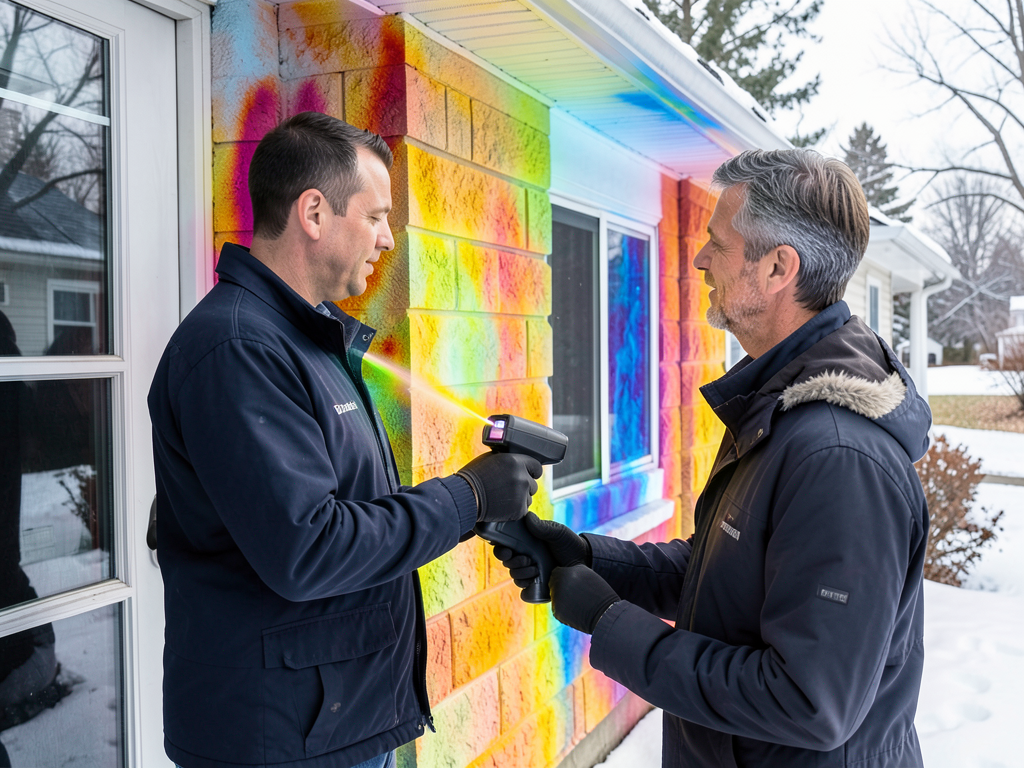
Thermal imaging cameras detect temperature differences across your home’s surfaces. These devices reveal exactly where insulation is missing or compressed. Cold spots appear as blue areas while warm spots show up as red or yellow.
Infrared scans often uncover problems behind walls and ceilings that homeowners never suspected. Missing insulation around electrical boxes and plumbing chases becomes clearly visible. The technology helps auditors pinpoint exact locations for targeted improvements.
Combustion Safety Testing Protects Your Family
Professional auditors test your heating equipment for proper combustion and venting. They measure carbon monoxide levels and check for backdrafting risks. These safety tests ensure your furnace or boiler operates without creating dangerous conditions. Emergency Furnace Repair in Amherst When Your Heat Goes Out at Night.
The testing includes checking flue gas temperatures and draft pressure. Auditors verify that exhaust gases flow properly up the chimney rather than back into your living space. This step prevents carbon monoxide poisoning and other health hazards.. Read more about Why You Need a Chimney Liner When Upgrading to a High Efficiency Boiler in Kenmore.
Common Buffalo Home Energy Problems
Attic Insulation Deficiencies
Many Buffalo homes have inadequate attic insulation due to age or settling. The recommended R-value for our climate zone is R-49 to R-60. Most older homes have only R-19 to R-30 which allows tremendous heat loss.
Insulation problems often occur around attic access points and near roof edges. Compressed insulation from storage or foot traffic reduces effectiveness. Air leaks through the attic floor create additional heat loss pathways.
Basement and Crawl Space Issues
Uninsulated basement walls and rim joists allow cold air infiltration. Many Buffalo homes have dirt floors in crawl spaces that contribute to moisture problems. These conditions create uncomfortable drafts and waste heating energy.
Foundation cracks and gaps around pipes create direct pathways for cold air. The stack effect pulls cold basement air up through the house. Proper insulation and air sealing can dramatically improve comfort.
Window and Door Air Leaks
Older windows often have failing seals and single-pane glass. Drafty doors with worn weatherstripping allow cold air to enter. These leaks force your heating system to work harder and longer.
Energy auditors measure air infiltration rates around windows and doors. They identify which units need repair versus replacement. Simple fixes like weatherstripping can provide immediate savings.
Buffalo-Specific Energy Challenges
Historic Home Construction Methods
Buffalo’s historic neighborhoods feature homes built with balloon framing and plaster walls. These construction methods create unique energy efficiency challenges. The original builders never anticipated today’s energy costs or climate extremes.
Many homes in the Elmwood Village and Allentown districts lack proper wall insulation. The balloon framing creates continuous air pathways from basement to attic. These hidden channels allow heated air to escape rapidly.
Lake-Effect Snow Impact
Buffalo’s lake-effect snow creates additional heating demands. Wet heavy snow increases roof loads and can damage insulation. The constant freeze-thaw cycles stress building materials and create new air leaks.
Energy auditors must consider snow accumulation when evaluating roof insulation. Ice dams indicate heat loss through the roof. Proper attic ventilation becomes crucial for preventing winter damage.
Older HVAC Systems
Many Buffalo homes still use original heating equipment from the 1970s or 1980s. These systems operate at 60-70% efficiency compared to modern 90-98% efficient units. The age alone creates significant energy waste.
Auditors test furnace and boiler efficiency using combustion analysis. They measure stack temperature and oxygen content in exhaust gases. These readings reveal how much energy your system wastes.
Building Code Requirements for Buffalo
New York State Energy Conservation Construction Code
The 2020 NY State Energy Code requires specific insulation levels for our climate zone. Section 502.2 mandates R-49 minimum attic insulation in Buffalo. Walls must meet R-20 minimum requirements.
Section 502.4.1 addresses air leakage requirements. New construction must test at or below 3 air changes per hour. Many existing homes exceed 10 air changes per hour without realizing it.
Local Amendments and Requirements
Erie County has adopted additional requirements for energy efficiency. The local code references ASHRAE Standard 90.1-2019 for commercial buildings. Residential requirements align with International Energy Conservation Code standards.
Buffalo’s Green Code encourages sustainable building practices. It includes provisions for renewable energy integration and high-performance building envelopes. These requirements affect both new construction and major renovations.
Cost-Benefit Analysis of Energy Improvements
Typical Payback Periods
Attic insulation upgrades often pay for themselves within 2-3 heating seasons. Air sealing projects typically return investment in 1-2 years. HVAC replacements take 5-7 years depending on fuel costs.
The current federal tax credits and NYSERDA incentives can reduce payback periods significantly. These programs cover 30-50% of improvement costs in many cases. The exact savings depend on your home’s specific conditions. NYSERDA Home Performance with ENERGY STAR.
Annual Energy Savings Estimates
A typical Buffalo home wastes 25-40% of heating energy through air leaks and poor insulation. Sealing these leaks and adding proper insulation can reduce heating bills by $500-1500 annually.
HVAC system upgrades provide additional savings of $300-800 per year. The total potential savings often exceed $2000 annually for comprehensive improvements. These figures assume current natural gas prices remain stable.
Step-by-Step Energy Audit Process
Initial Consultation and Data Collection
The audit begins with a walkthrough of your home. The auditor collects information about your heating system age and fuel type. They review past utility bills to establish baseline consumption patterns.
During this phase auditors ask about comfort issues and problem areas. They note the home’s age construction type and any previous improvements. This background information guides the technical testing phase.
Diagnostic Testing Phase
Technicians set up blower door equipment and conduct the depressurization test. They use smoke pencils to visualize air movement through leaks. Thermal imaging scans identify insulation gaps and thermal bridges.
The combustion safety testing follows established protocols. Auditors check carbon monoxide levels and draft pressure. They verify proper venting for all combustion appliances.
Report Generation and Recommendations
Auditors compile test results into a comprehensive report. The document includes infrared images thermal scans and air leakage measurements. Recommendations prioritize improvements by cost-effectiveness and impact.
The final report explains building science concepts in plain language. It provides specific R-values and air sealing targets. Cost estimates help homeowners plan improvements within their budget.
Local Resources and Incentives
New York State Programs
NYSERDA offers various energy efficiency programs for homeowners. The Home Performance with ENERGY STAR program provides up to $5000 in incentives. These funds cover insulation air sealing and HVAC improvements.
The state also offers low-interest financing through the Green Jobs-Green New York program. Loans up to $25000 help homeowners afford comprehensive upgrades. The interest rates typically range from 3.49% to 7.49%.
Federal Tax Credits
The federal government provides tax credits for energy efficiency improvements. The Energy Efficient Home Improvement Credit covers 30% of costs up to $1200 annually. This includes insulation air sealing and certain HVAC upgrades. Federal Energy Efficiency Tax Credits.
Additional credits exist for solar panels and geothermal heat pumps. These renewable energy incentives can cover 30% of installation costs. The credits apply through 2032 for qualifying improvements. Ductless AC Installation for Historical Homes in North Buffalo.
Choosing a Qualified Energy Auditor
Certification Requirements
Professional energy auditors should hold Building Performance Institute certification. BPI-certified professionals complete extensive training in building science. They understand the complex interactions between building systems.. Read more about Choosing Between a Traditional Gas Fireplace and an Energy Efficient Heat Pump for Your Lancaster Living Room.
Many auditors also hold RESNET HERS Rater certification. This credential demonstrates expertise in energy modeling and performance testing. Both certifications require continuing education to maintain.
Questions to Ask Potential Auditors
Ask about their experience with Buffalo’s specific housing stock. Request references from similar homes in your neighborhood. Inquire about their testing equipment and certification status.
Professional auditors should provide sample reports before you hire them. They should explain their methodology clearly. Avoid auditors who recommend expensive improvements without proper testing.
Preparing for Your Energy Audit
Pre-Audit Checklist
Clear access to all areas of your home before the audit. Move items away from attic access points and basement walls. Ensure your heating system operates normally during testing.
Have your utility bills available for the past 12 months. Note any comfort problems or high-bill complaints. Prepare questions about specific concerns in your home.
What to Expect During the Audit
The complete audit typically takes 3-4 hours for an average home. Technicians will need to access all rooms and mechanical systems. They may need to move furniture or remove outlet covers.
Testing involves creating temporary pressure changes in your home. This process is completely safe when performed by certified professionals. The auditors will explain each step as they work.
Frequently Asked Questions
How Much Does an Energy Audit Cost
Professional energy audits typically cost $400-600 in Buffalo. Some utilities offer discounted audits for $100-200. The investment often pays for itself through identified savings.
Many homeowners qualify for free or reduced-cost audits through NYSERDA programs. These subsidized audits include the same comprehensive testing as paid services. The main difference is paperwork requirements.
How Long Do Improvements Take to Complete
Simple air sealing projects finish in 1-2 days. Attic insulation typically requires 1-2 days depending on access. Major HVAC replacements need 2-3 days including system commissioning.
Comprehensive home performance projects may take 1-2 weeks total. This timeline includes testing improvements and final verification. Most homeowners remain in their homes during the work.
Take Action Today
High heating bills indicate energy waste in your home. A professional energy audit reveals exactly where you’re losing money. The solutions are often simple and cost-effective.
Buffalo’s harsh winters make energy efficiency essential for comfort and affordability. Don’t wait until your heating system fails or energy costs rise further. Understanding your home’s energy performance puts you in control.
Call (716) 317-7757 today to schedule your professional energy audit. Our certified technicians will identify your home’s specific energy waste problems. We’ll provide clear recommendations to reduce your heating bills and improve comfort.
Every day you wait means more wasted energy and higher bills. Take the first step toward a more comfortable efficient home. Your wallet and your family will thank you this winter.
{
“@context”: “https://schema.org”,
“@type”: “BlogPosting”,
“headline”: “What a Professional Energy Audit Reveals About Your High Buffalo Heating Bills”,
“description”: “Discover what energy auditors find in Buffalo homes. Learn about insulation gaps, air leaks, and HVAC inefficiencies causing high heating bills. Call (716) 317-7757.”,
“wordCount”: 1845,
“datePublished”: “2026-06-02T13:03:00.000Z”,
“dateModified”: “2026-06-02T13:03:00.000Z”,
“inLanguage”: “en-US”,
“mainEntityOfPage”: {
“@type”: “WebPage”,
“@id”: “https://unitedhvacbuffalo.com”
},
“publisher”: {
“@type”: “LocalBusiness”,
“name”: “United HVAC Buffalo”,
“url”: “https://unitedhvacbuffalo.com”
},
“author”: {
“@type”: “Organization”,
“name”: “United HVAC Buffalo”,
“url”: “https://unitedhvacbuffalo.com”
},
“image”: {
“@type”: “ImageObject”,
“url”: “https://unitedhvacbuffalo.com/wp-content/uploads/2026/03/what-a-professional-energy-audit-reveals-about-you-1.png”
}
}
{
“@context”: “https://schema.org”,
“@type”: “HVACBusiness”,
“name”: “United HVAC Buffalo”,
“url”: “https://unitedhvacbuffalo.com”,
“address”: {
“@type”: “PostalAddress”,
“addressLocality”: “Buffalo”
},
“areaServed”: {
“@type”: “City”,
“name”: “Buffalo”
}
}
{
“@context”: “https://schema.org”,
“@type”: “BreadcrumbList”,
“itemListElement”: [
{
“@type”: “ListItem”,
“position”: 1,
“name”: “Home”,
“item”: “https://unitedhvacbuffalo.com”
},
{
“@type”: “ListItem”,
“position”: 2,
“name”: “Blog”,
“item”: “https://unitedhvacbuffalo.com/blog”
},
{
“@type”: “ListItem”,
“position”: 3,
“name”: “What a Professional Energy Audit Reveals About Your High Buffalo Heating Bills”
}
]
}
{
“@context”: “https://schema.org”,
“@type”: “Service”,
“serviceType”: “HVAC”,
“provider”: {
“@type”: “LocalBusiness”,
“name”: “United HVAC Buffalo”,
“url”: “https://unitedhvacbuffalo.com”
},
“areaServed”: {
“@type”: “City”,
“name”: “Buffalo”
},
“description”: “Discover what energy auditors find in Buffalo homes. Learn about insulation gaps, air leaks, and HVAC inefficiencies causing high heating bills. Call (716) 317-7757.”
}