
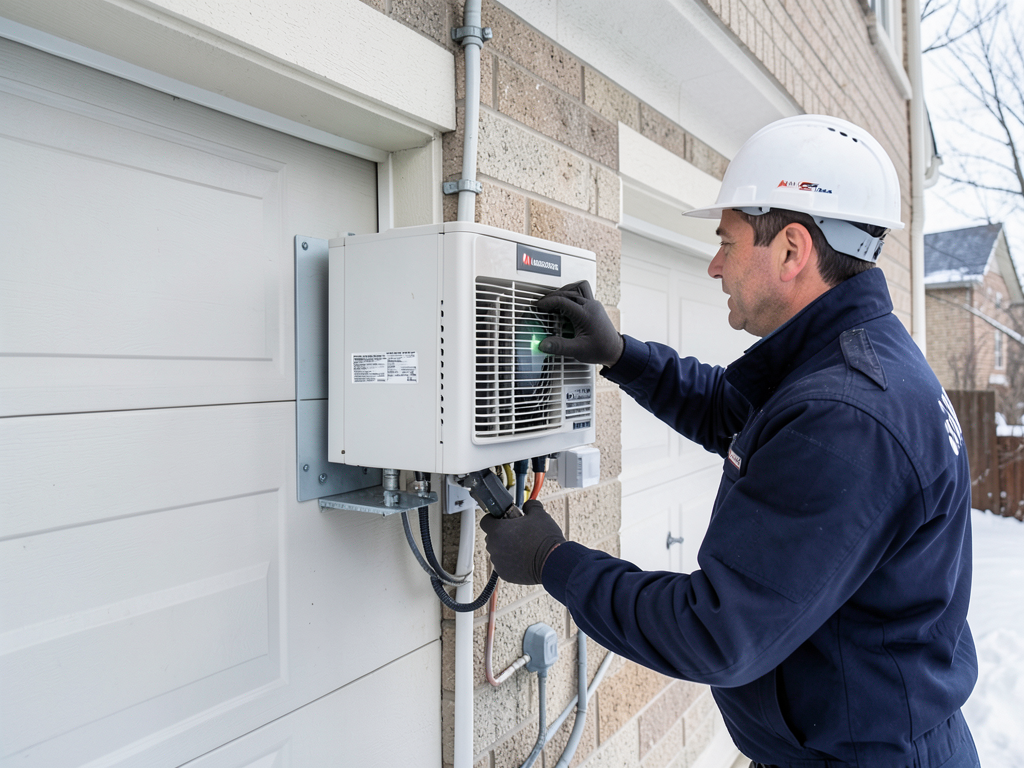
Why You Might Need a Mini-Split for Your Workshop or Garage in West Seneca
West Seneca’s brutal winters and humid summers make your garage or workshop uncomfortable for more than half the year. Traditional space heaters create safety hazards and struggle when temperatures plummet below zero. A ductless mini-split system delivers reliable heating and cooling without the ductwork headaches, keeping your workspace productive year-round. Ductless AC Installation for Historical Homes in North Buffalo.
Mini-splits use inverter technology to maintain precise temperatures while using less electricity than conventional systems. For West Seneca’s climate zone, you need a cold-climate heat pump that performs efficiently even when outdoor temperatures hit -13°F. These systems also provide crucial dehumidification during summer months, preventing moisture damage to tools and stored materials. Outdoor Unit Not Spinning.
Why Mini Splits Are the Best Solution for Buffalo Garages
Garages weren’t designed for climate control. Most lack insulation, have concrete floors that conduct cold, and feature large overhead doors that leak air constantly. Traditional ductwork would require cutting into finished walls or running exposed ducts that look unprofessional in a workspace.
Mini-splits mount on walls or ceilings and connect to an outdoor condenser through small refrigerant lines. Installation requires only a three-inch hole for the line set, making them ideal for finished spaces. The indoor units operate quietly at just 19-26 decibels, quieter than a refrigerator.
Energy efficiency matters in West Seneca where heating costs can exceed $2,000 annually for a poorly insulated garage. Mini-splits achieve SEER2 ratings up to 30 and HSPF2 ratings above 12, meaning they produce 3-4 times more heating energy than the electricity they consume.
Cold Climate Performance: Staying Warm in WNY Winters
Standard heat pumps lose efficiency when temperatures drop below freezing. West Seneca’s lake-effect snow and sub-zero cold snaps require specialized equipment. Mitsubishi’s Hyper-Heating INVERTER technology maintains 100% heating capacity down to -13°F, while Fujitsu’s Low Ambient Heating operates at full power until -15°F.
These systems use advanced compressor designs and enhanced defrost cycles to prevent ice buildup. The outdoor units include snow stands that elevate the condenser 12-18 inches above ground level, preventing snow burial during West Seneca’s typical 80-inch annual snowfall.. Read more about The Best Way to Heat and Cool Your Year Round Sunroom in Amherst.
Temperature performance data shows that cold-climate mini-splits deliver 12,000 BTUs of heating at 5°F outdoor temperature, compared to just 7,000 BTUs from standard units. This means your 400-square-foot workshop stays at 70°F even when it’s -10°F outside.
Sizing Your Garage Unit: BTU Guide
Proper sizing prevents short cycling and ensures comfort. For West Seneca garages, calculate BTU requirements based on square footage, ceiling height, and insulation quality. A 1-car garage (12×22 feet) needs approximately 6,000-8,000 BTUs, while a 2-car garage (20×22 feet) requires 12,000-15,000 BTUs.
Insulation dramatically impacts sizing. An uninsulated garage with R-13 walls needs 30% more heating capacity than one with R-19 insulation. Garage doors are often the weakest point – adding R-8 insulation to the door can reduce required BTUs by 15%.. Read more about Adding a Second HVAC System for Your Finished Attic in Elmwood Village.
Climate zone adjustments are crucial. Buffalo’s Zone 5 climate requires adding 10-15% capacity to standard sizing charts. High ceilings also matter – add 10% capacity for each foot above eight feet. HVAC Buffalo.
| Garage Size | Square Footage | Recommended BTUs | Climate Zone Adjustment |
|---|---|---|---|
| 1-Car | 250-350 | 6,000-8,000 | +10% |
| 1.5-Car | 350-450 | 9,000-12,000 | +12% |
| 2-Car | 400-600 | 12,000-18,000 | +15% |
| Larger Workshop | 600+ | 18,000-24,000 | +15-20% |
The Installation Process: What to Expect
Professional installation ensures warranty coverage and optimal performance. The process begins with an on-site evaluation to assess electrical capacity, mounting locations, and condensate drainage requirements. Most West Seneca garages need a dedicated 220V circuit, which may require electrical panel upgrades.
Outdoor unit placement requires careful consideration of snow loads and prevailing winds. Units should face south or east to minimize snow accumulation and maximize winter sun exposure. Wall mounting brackets must support 100+ pounds and include vibration isolation pads.
Indoor mounting height affects performance. Wall units work best mounted 6-8 feet high on exterior walls, while ceiling cassettes distribute air more evenly in larger spaces. Line sets run through walls or along exterior surfaces, insulated to prevent condensation.
Installation typically takes 4-8 hours for a single-zone system. Two technicians handle electrical connections, refrigerant charging, and system testing. They verify proper drainage slope – condensate lines must pitch 1/4 inch per foot toward drains or outdoor discharge points.
NYS Clean Heat Rebates & Incentives
New York State offers substantial rebates through the NYSERDA Clean Heat Program. Mini-split installations qualify for rebates of $500-$1,500 depending on system efficiency ratings and installation scope. National Grid and NYSEG customers may receive additional utility rebates of $200-$400. NYSERDA Clean Heat Program.
Federal tax credits through 2032 provide 30% of installation costs up to $2,000 for qualifying ENERGY STAR certified systems. These credits apply to both equipment and installation labor, making high-efficiency systems more affordable.
Local incentives vary by utility provider. National Grid customers in Erie County can access instant rebates at participating distributors, reducing upfront costs by $150-$300. NYSEG offers similar programs with slightly different qualification criteria based on system size and efficiency. National Grid heating rebates.
Financing options through NYSERDA include 3.49% interest loans for up to $14,999 with terms up to 10 years. These programs help spread costs while taking advantage of energy savings from day one.
Frequently Asked Questions
Do I need to insulate my garage door?
Insulating your garage door significantly improves mini-split efficiency and comfort. An uninsulated door can lose 40% of your heating energy. Adding R-8 insulation panels costs $150-$300 but can reduce heating costs by 20-30% annually.
How long does installation take?
Most single-zone installations complete in one day. The actual installation takes 4-6 hours, with additional time for electrical work if needed. Two technicians handle the entire process, including cleanup and system testing.. Read more about Navigating NYS Clean Heat Rebates for Your Buffalo HVAC Upgrade.
Can I install a mini-split myself?
DIY installation voids manufacturer warranties and risks improper refrigerant charging, which reduces efficiency by 30% or more. Professional installation ensures proper sizing, electrical safety, and optimal performance. Licensed technicians also handle refrigerant recovery and disposal according to EPA regulations.
What about humidity control in summer?
Mini-splits provide excellent dehumidification, removing 2-3 pints of moisture per hour in cooling mode. This prevents mold growth and protects tools from rust. The dehumidification mode operates independently of cooling, maintaining 45-55% relative humidity year-round.
How do I maintain the system?
Annual maintenance includes cleaning filters, checking refrigerant levels, and inspecting electrical connections. Most systems require only filter cleaning every 3 months. Professional tune-ups cost $150-$250 and ensure optimal efficiency and longevity.
Call (716) 317-7757 Today to Schedule Your Inspection
Don’t wait until winter hits to discover your garage is unusable. Our certified technicians provide free on-site evaluations to determine the perfect mini-split solution for your West Seneca workshop or garage. We handle everything from sizing calculations to final installation, ensuring your space stays comfortable year-round.
Call (716) 317-7757 now to schedule your consultation. We’ll assess your space, explain available rebates, and provide a detailed quote with no pressure. Your workshop deserves better than space heaters and frozen tools. Make the call before the next cold snap arrives.
Pick up the phone and call (716) 317-7757 before the next storm hits. Our team understands West Seneca’s unique climate challenges and can recommend systems that perform when temperatures plummet. Don’t let another winter go by without proper climate control for your valuable workspace.
You may also find this helpful. The Pros and Cons of Installing an Attic AC Unit in Your Snyder Cape Cod.
{
“@context”: “https://schema.org”,
“@type”: “BlogPosting”,
“headline”: “Why You Might Need a Mini-Split for Your Workshop or Garage in West Seneca”,
“description”: “Discover why ductless mini-splits are perfect for West Seneca workshops and garages. Learn about cold-climate performance, NYSERDA rebates, and sizing for your space.”,
“wordCount”: 1213,
“datePublished”: “2026-05-10T12:24:00.000Z”,
“dateModified”: “2026-05-10T12:24:00.000Z”,
“inLanguage”: “en-US”,
“mainEntityOfPage”: {
“@type”: “WebPage”,
“@id”: “https://unitedhvacbuffalo.com”
},
“publisher”: {
“@type”: “LocalBusiness”,
“name”: “United HVAC Buffalo”,
“url”: “https://unitedhvacbuffalo.com”
},
“author”: {
“@type”: “Organization”,
“name”: “United HVAC Buffalo”,
“url”: “https://unitedhvacbuffalo.com”
},
“image”: {
“@type”: “ImageObject”,
“url”: “https://unitedhvacbuffalo.com/wp-content/uploads/2026/03/why-you-might-need-a-mini-split-for-your-workshop-1.png”
}
}
{
“@context”: “https://schema.org”,
“@type”: “HVACBusiness”,
“name”: “United HVAC Buffalo”,
“url”: “https://unitedhvacbuffalo.com”,
“address”: {
“@type”: “PostalAddress”,
“addressLocality”: “Buffalo”
},
“areaServed”: {
“@type”: “City”,
“name”: “Buffalo”
}
}
{
“@context”: “https://schema.org”,
“@type”: “FAQPage”,
“mainEntity”: [
{
“@type”: “Question”,
“name”: “Do I need to insulate my garage door?”,
“acceptedAnswer”: {
“@type”: “Answer”,
“text”: “Insulating your garage door significantly improves mini-split efficiency and comfort. An uninsulated door can lose 40% of your heating energy. Adding R-8 insulation panels costs $150-$300 but can reduce heating costs by 20-30% annually.”
}
},
{
“@type”: “Question”,
“name”: “How long does installation take?”,
“acceptedAnswer”: {
“@type”: “Answer”,
“text”: “Most single-zone installations complete in one day. The actual installation takes 4-6 hours, with additional time for electrical work if needed. Two technicians handle the entire process, including cleanup and system testing.”
}
},
{
“@type”: “Question”,
“name”: “Can I install a mini-split myself?”,
“acceptedAnswer”: {
“@type”: “Answer”,
“text”: “DIY installation voids manufacturer warranties and risks improper refrigerant charging, which reduces efficiency by 30% or more. Professional installation ensures proper sizing, electrical safety, and optimal performance. Licensed technicians also handle refrigerant recovery and disposal according to EPA regulations.”
}
},
{
“@type”: “Question”,
“name”: “What about humidity control in summer?”,
“acceptedAnswer”: {
“@type”: “Answer”,
“text”: “Mini-splits provide excellent dehumidification, removing 2-3 pints of moisture per hour in cooling mode. This prevents mold growth and protects tools from rust. The dehumidification mode operates independently of cooling, maintaining 45-55% relative humidity year-round.”
}
},
{
“@type”: “Question”,
“name”: “How do I maintain the system?”,
“acceptedAnswer”: {
“@type”: “Answer”,
“text”: “Annual maintenance includes cleaning filters, checking refrigerant levels, and inspecting electrical connections. Most systems require only filter cleaning every 3 months. Professional tune-ups cost $150-$250 and ensure optimal efficiency and longevity.”
}
}
]
}
{
“@context”: “https://schema.org”,
“@type”: “BreadcrumbList”,
“itemListElement”: [
{
“@type”: “ListItem”,
“position”: 1,
“name”: “Home”,
“item”: “https://unitedhvacbuffalo.com”
},
{
“@type”: “ListItem”,
“position”: 2,
“name”: “Blog”,
“item”: “https://unitedhvacbuffalo.com/blog”
},
{
“@type”: “ListItem”,
“position”: 3,
“name”: “Why You Might Need a Mini-Split for Your Workshop or Garage in West Seneca”
}
]
}
{
“@context”: “https://schema.org”,
“@type”: “Service”,
“serviceType”: “HVAC”,
“provider”: {
“@type”: “LocalBusiness”,
“name”: “United HVAC Buffalo”,
“url”: “https://unitedhvacbuffalo.com”
},
“areaServed”: {
“@type”: “City”,
“name”: “Buffalo”
},
“description”: “Discover why ductless mini-splits are perfect for West Seneca workshops and garages. Learn about cold-climate performance, NYSERDA rebates, and sizing for your space.”
}