
Why Your Thermostat Says 70 Degrees But You Feel Cold in Your North Park Home
You set your thermostat to 70 degrees. The display reads 70. But you’re still shivering under a blanket. If this sounds familiar, you’re not alone. Thousands of Buffalo homeowners face this exact problem every winter, especially in older neighborhoods like North Park where Victorian homes and early 20th-century construction create unique heating challenges. HVAC Buffalo.
The issue isn’t always your furnace. Sometimes it’s working perfectly fine. The problem lies in how heat moves through your home, how your body perceives temperature, and what’s happening inside your walls, windows, and ductwork. Let’s break down the real reasons you’re cold and what you can do about it. Emergency Furnace Repair in Amherst When Your Heat Goes Out at Night.
Immediate DIY Checks (The ‘Low-Hanging Fruit’)
Before calling a professional, run through these quick diagnostic steps. Many cold-house problems have simple fixes that cost nothing.. Read more about What a Professional Energy Audit Reveals About Your High Buffalo Heating Bills.
- Check your air filter. A clogged filter restricts airflow, making your furnace work harder while delivering less heat. Replace it if it’s dirty.
- Inspect all supply and return vents. Make sure none are blocked by furniture, rugs, or closed off entirely.
- Verify your thermostat fan setting. ‘Auto’ runs only when heating or cooling. ‘On’ runs continuously, which can help even out temperatures but may feel drafty.
- Feel for drafts near windows and doors. Even small gaps let cold air in and warm air out.
- Test different rooms. If one room is significantly colder, the issue might be specific to that zone.
Why Your Buffalo Home Loses Heat (The Physics of Cold)
Buffalo’s climate creates unique heat loss challenges. Our location near Lake Erie means we experience rapid temperature swings, high humidity, and strong winds that pull heat from your home faster than you might expect.. Read more about Why Your Old Buffalo Steam Radiators Keep Making That Annoying Clicking Noise.
The Stack Effect is a major culprit in older North Park homes. As warm air rises, it escapes through gaps in your attic. This creates negative pressure that pulls cold air up from your basement through gaps around pipes, wiring, and sill plates. The result? Cold drafts at your feet even when your thermostat reads 70.. Read more about Finding the Right Spot for Your Thermostat in a Drafty First Ward Cottage.
Your home’s R-value matters more here than in many other regions. R-value measures insulation’s resistance to heat flow. Buffalo building codes require R-49 in attics, but many North Park homes built before the 1980s have far less. That means heat escapes through your ceiling faster than your furnace can replace it.. Read more about Red Flags to Look for in a Furnace When Buying a Home in West Seneca.
Windows present another challenge. Single-pane glass has virtually no insulation value. Even modern double-pane windows lose heat through conduction. In a Victorian home with original windows, you might be losing 25% of your heat through glass alone.
According to the U.S. Department of Energy, proper insulation can reduce heating costs by 20% or more. In Buffalo’s climate, that translates to hundreds of dollars saved each winter.
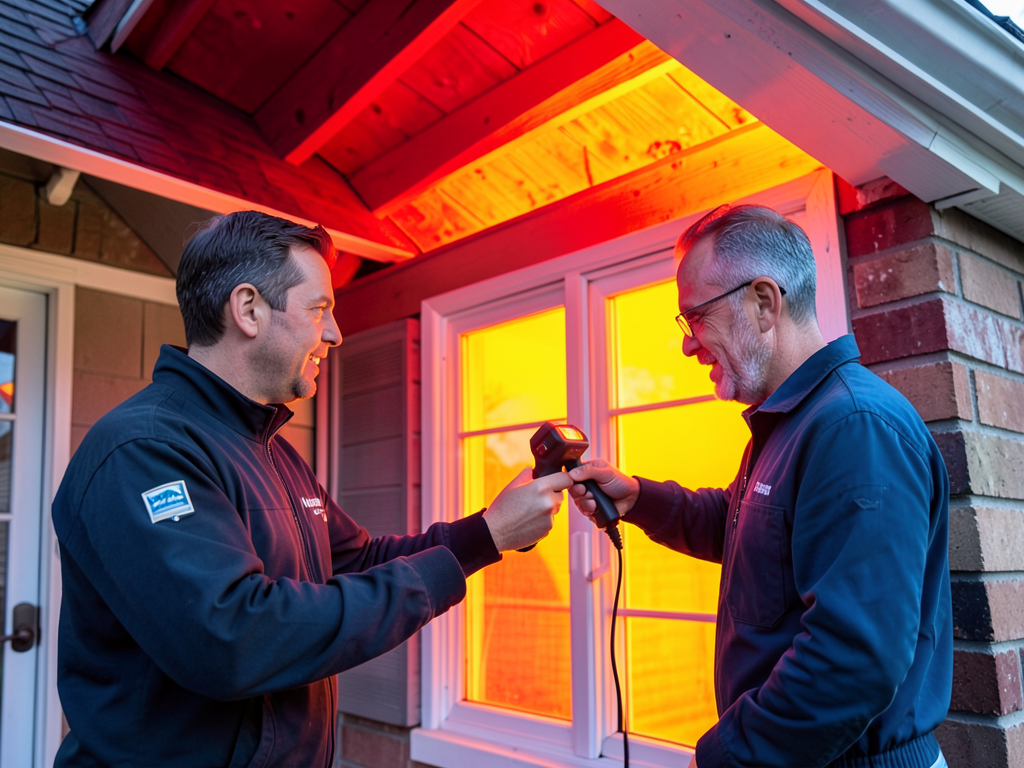
Image description: Infrared thermal scan of a typical North Park home showing heat loss through attic, windows, and foundation gaps. Red and yellow areas indicate where warm air escapes.. Read more about How Your Attic Heating Mistakes are Actually Causing Ice Dams in Snyder.
HVAC System Mechanical Failures
Sometimes the problem is mechanical. Your furnace might be running, but it’s not delivering the heat you need.
Short cycling is a common issue in Buffalo homes. Your furnace turns on, runs for a few minutes, then shuts off before properly heating your home. This happens when the system overheats due to restricted airflow, a faulty limit switch, or an oversized unit. The constant starting and stopping wastes energy and leaves you cold.. Read more about How to Keep Your Buffalo Mudroom Warm and Dry After Shoveling Snow.
The heat exchanger is the heart of your furnace. Over time, especially in older units, cracks can develop. A cracked heat exchanger not only reduces efficiency but can leak carbon monoxide into your home. According to the EPA, carbon monoxide poisoning causes over 400 deaths annually in the U.S.
Blower motor problems affect airflow. If the motor is failing or the capacitor is weak, your furnace can’t move enough air across the heat exchanger. You might hear the burner ignite, but feel minimal airflow from your vents.
Ductwork leaks are particularly problematic in unconditioned spaces like attics and crawlspaces. Buffalo’s freeze-thaw cycles cause expansion and contraction that can separate duct joints. Even small leaks can reduce efficiency by 20% or more.
The ASHRAE Standard 62.1 recommends specific ventilation rates for indoor air quality. Poor duct design or leaks can compromise this, leading to both comfort and health issues.
Image description: Technician using a combustion analyzer to test furnace efficiency and check for carbon monoxide leaks in a North Park basement installation. Ductless AC Installation for Historical Homes in North Buffalo.
When to Call a Buffalo HVAC Professional
Some problems require professional diagnosis and repair. Here are clear signs it’s time to call United HVAC Buffalo.
Strange noises from your furnace indicate mechanical problems. Banging sounds might mean delayed ignition. Squealing could signal a failing blower motor bearing. Clicking that doesn’t result in ignition suggests ignition system failure.. Read more about Preparing Your HVAC System for a Large Buffalo Bills Watch Party Crowd.
Yellow or flickering pilot lights indicate incomplete combustion. A healthy gas flame should burn blue. Yellow flames produce more carbon monoxide and signal that your furnace needs immediate attention.
Consistent temperature differences of 5 degrees or more between rooms suggest ductwork problems, zoning issues, or an improperly sized system.. Read more about Choosing Between a Traditional Gas Fireplace and an Energy Efficient Heat Pump for Your Lancaster Living Room.
Age matters. If your furnace is over 15-20 years old, it’s likely operating at 60-70% efficiency compared to modern units that achieve 95% or higher. The energy savings alone often justify replacement.
High energy bills despite normal usage patterns indicate your system is working harder than it should. This could mean anything from dirty coils to failing components.
Ice formation on your heat pump’s outdoor unit during mild weather suggests a defrost cycle problem or refrigerant issue. Outdoor Unit Not Spinning.
According to NYSERDA, New York homeowners can receive rebates up to $1,000 for high-efficiency furnace installations. United HVAC Buffalo stays current on all available incentives to help you save money.
Safety Warning: Carbon Monoxide Signs
Carbon monoxide is odorless, colorless, and deadly. Every Buffalo homeowner needs to understand the warning signs.
Symptoms of CO poisoning include headache, dizziness, weakness, nausea, vomiting, chest pain, and confusion. These symptoms often improve when you leave the house, then return when you come back.
Physical signs include excessive condensation on windows, sooty stains around appliances, and a yellow or orange flame instead of blue in gas appliances.
The CDC recommends installing CO detectors on every level of your home, especially near sleeping areas. Test them monthly and replace batteries annually.
If your CO detector sounds, evacuate immediately. Call 911 from outside. Don’t re-enter until emergency responders declare it safe.
Annual furnace maintenance by a qualified technician includes checking for CO leaks, testing safety controls, and ensuring proper combustion. This simple step could save your life.
Image description: Close-up of a technician inspecting a furnace heat exchanger with a digital inspection camera, looking for cracks or damage that could cause carbon monoxide leaks.
Buffalo’s Unique Climate Challenges
Living in North Park means dealing with specific climate factors that affect your comfort.
Lake-effect snow can bury your outdoor unit, restricting airflow and causing system strain. Keep at least two feet of clearance around heat pumps and AC units.
Buffalo’s high humidity in summer and low humidity in winter affect how we perceive temperature. Humid air feels warmer in summer but makes winter feel colder because moisture conducts heat away from your body faster.. Read more about The Ideal Winter Thermostat Setting for Your Buffalo Home While You Are Away on Vacation.
Rapid temperature swings are common here. A 40-degree day can drop to zero overnight. Your HVAC system needs to handle these extremes without failing.
Wind chill isn’t just a weather report number. Strong winds can pull heat from your home through even small gaps, making your furnace work overtime.. Read more about Making Your Second Floor Dormer Bedroom Actually Comfortable During a Heatwave.
The National Weather Service Buffalo office issues specific alerts for our region’s unique weather patterns. Pay attention to wind chill warnings, as they indicate dangerous conditions for both people and heating systems.
Smart Solutions for Modern Comfort
Technology offers new ways to solve old comfort problems.
Smart thermostats learn your schedule and preferences. They can automatically adjust temperatures when you’re asleep or away, saving energy without sacrificing comfort.
Zoning systems divide your home into separate temperature zones. This means you can keep bedrooms cooler at night while maintaining warmth in living areas.
Variable-speed furnaces adjust their output based on demand. Instead of cycling on and off, they run at lower speeds for longer periods, maintaining more consistent temperatures and using less energy.
Heat pump technology has improved dramatically. Modern cold-climate heat pumps can extract heat from outdoor air even when temperatures drop below zero, providing efficient heating without fossil fuels.
According to the New York State Energy Research and Development Authority, heat pumps can reduce heating costs by 30-50% compared to electric resistance heating.
Call (716) 317-7757 Today to Schedule Your Inspection
Don’t spend another winter shivering in a cold house. United HVAC Buffalo understands the unique challenges of heating older homes in our harsh climate. Our NATE-certified technicians can diagnose your specific problem and recommend solutions that fit your budget and comfort needs.
We offer comprehensive system evaluations, honest recommendations, and upfront pricing. Whether you need a simple filter change, duct sealing, or a complete system upgrade, we’re here to help.
Pick up the phone and call (716) 317-7757 before the next storm hits. Your comfort and safety are too important to leave to chance.
Frequently Asked Questions
Why does my house feel colder than the thermostat setting?
Several factors affect how we perceive temperature. Humidity, air movement, and radiant heat all influence comfort. A drafty room at 70 degrees can feel colder than a still room at 65 degrees. Your body loses heat faster when air moves across your skin or when surrounding surfaces are cold.
How often should I replace my furnace filter?
Replace standard 1-inch filters every 30-60 days. If you have pets, allergies, or live in a dusty area, check them monthly. High-efficiency media filters can last 6-12 months. A clean filter improves airflow, reduces energy costs, and extends your system’s life.
What’s the ideal thermostat setting for winter in Buffalo?
Set your thermostat to 68 degrees when you’re home and awake. Lower it to 60-65 degrees when sleeping or away. Each degree you lower your thermostat for 8 hours can save about 1% on your heating bill. Smart thermostats automate these adjustments for optimal comfort and efficiency.
How do I know if my furnace is sized correctly?
A properly sized furnace runs long cycles to maintain temperature rather than short, frequent cycles. If your system turns on and off every few minutes, it’s likely oversized. If it runs constantly without reaching temperature, it may be undersized or have other issues like duct leaks or poor insulation.
You may also find this helpful. Preventing Your Historic Elmwood Village Hardwood Floors from Gapping in the Winter.
{
“@context”: “https://schema.org”,
“@type”: “BlogPosting”,
“headline”: “Why Your Thermostat Says 70 Degrees But You Feel Cold in Your North Park Home”,
“description”: “Discover why your North Park home feels cold at 70 degrees. Learn about Buffalo’s unique climate challenges, heat loss physics, and when to call a local HVAC expert.”,
“wordCount”: 1784,
“datePublished”: “2026-05-18T06:47:00.000Z”,
“dateModified”: “2026-05-18T06:47:00.000Z”,
“inLanguage”: “en-US”,
“mainEntityOfPage”: {
“@type”: “WebPage”,
“@id”: “https://unitedhvacbuffalo.com”
},
“publisher”: {
“@type”: “LocalBusiness”,
“name”: “United HVAC Buffalo”,
“url”: “https://unitedhvacbuffalo.com”
},
“author”: {
“@type”: “Organization”,
“name”: “United HVAC Buffalo”,
“url”: “https://unitedhvacbuffalo.com”
},
“image”: {
“@type”: “ImageObject”,
“url”: “https://unitedhvacbuffalo.com/wp-content/uploads/2026/03/why-your-thermostat-says-70-degrees-but-you-feel-c-1.png”
}
}
{
“@context”: “https://schema.org”,
“@type”: “HVACBusiness”,
“name”: “United HVAC Buffalo”,
“url”: “https://unitedhvacbuffalo.com”,
“address”: {
“@type”: “PostalAddress”,
“addressLocality”: “Buffalo”
},
“areaServed”: {
“@type”: “City”,
“name”: “Buffalo”
}
}
{
“@context”: “https://schema.org”,
“@type”: “FAQPage”,
“mainEntity”: [
{
“@type”: “Question”,
“name”: “Why does my house feel colder than the thermostat setting?”,
“acceptedAnswer”: {
“@type”: “Answer”,
“text”: “Several factors affect how we perceive temperature. Humidity, air movement, and radiant heat all influence comfort. A drafty room at 70 degrees can feel colder than a still room at 65 degrees. Your body loses heat faster when air moves across your skin or when surrounding surfaces are cold.”
}
},
{
“@type”: “Question”,
“name”: “How often should I replace my furnace filter?”,
“acceptedAnswer”: {
“@type”: “Answer”,
“text”: “Replace standard 1-inch filters every 30-60 days. If you have pets, allergies, or live in a dusty area, check them monthly. High-efficiency media filters can last 6-12 months. A clean filter improves airflow, reduces energy costs, and extends your system’s life.”
}
},
{
“@type”: “Question”,
“name”: “What’s the ideal thermostat setting for winter in Buffalo?”,
“acceptedAnswer”: {
“@type”: “Answer”,
“text”: “Set your thermostat to 68 degrees when you’re home and awake. Lower it to 60-65 degrees when sleeping or away. Each degree you lower your thermostat for 8 hours can save about 1% on your heating bill. Smart thermostats automate these adjustments for optimal comfort and efficiency.”
}
},
{
“@type”: “Question”,
“name”: “How do I know if my furnace is sized correctly?”,
“acceptedAnswer”: {
“@type”: “Answer”,
“text”: “A properly sized furnace runs long cycles to maintain temperature rather than short, frequent cycles. If your system turns on and off every few minutes, it’s likely oversized. If it runs constantly without reaching temperature, it may be undersized or have other issues like duct leaks or poor insulation.”
}
}
]
}
{
“@context”: “https://schema.org”,
“@type”: “BreadcrumbList”,
“itemListElement”: [
{
“@type”: “ListItem”,
“position”: 1,
“name”: “Home”,
“item”: “https://unitedhvacbuffalo.com”
},
{
“@type”: “ListItem”,
“position”: 2,
“name”: “Blog”,
“item”: “https://unitedhvacbuffalo.com/blog”
},
{
“@type”: “ListItem”,
“position”: 3,
“name”: “Why Your Thermostat Says 70 Degrees But You Feel Cold in Your North Park Home”
}
]
}
{
“@context”: “https://schema.org”,
“@type”: “Service”,
“serviceType”: “HVAC”,
“provider”: {
“@type”: “LocalBusiness”,
“name”: “United HVAC Buffalo”,
“url”: “https://unitedhvacbuffalo.com”
},
“areaServed”: {
“@type”: “City”,
“name”: “Buffalo”
},
“description”: “Discover why your North Park home feels cold at 70 degrees. Learn about Buffalo’s unique climate challenges, heat loss physics, and when to call a local HVAC expert.”
}