
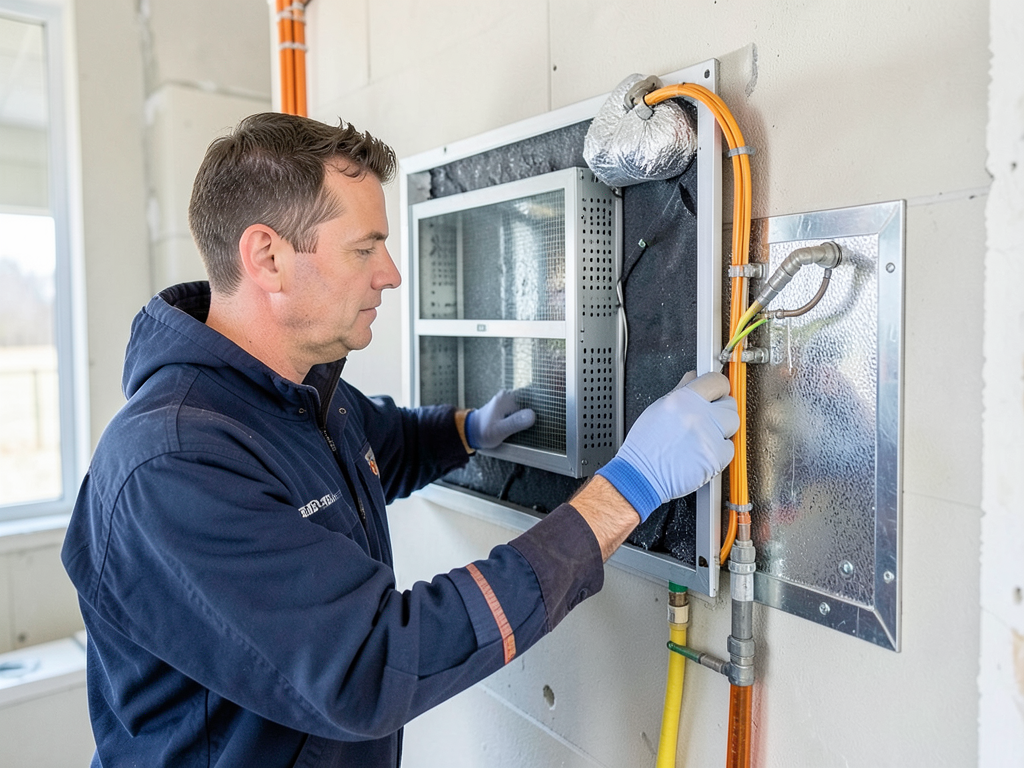
Choosing Between an ERV and an HRV for Your Airtight New Build in Clarence
When building a new home in Clarence you need ventilation that works with your airtight envelope not against it. The right system keeps your indoor air fresh while protecting your energy efficiency investment. This guide breaks down the key differences between Energy Recovery Ventilators (ERVs) and Heat Recovery Ventilators (HRVs) specifically for Clarence’s cold climate and high-performance construction. Choosing the Right HVAC Contractor for Your West Seneca Home Renovation.
How ERVs and HRVs Work in Modern Homes
Both systems provide balanced ventilation by exchanging stale indoor air with fresh outdoor air. The critical difference lies in moisture transfer. An HRV transfers only heat between air streams using a heat exchanger core. An ERV transfers both heat and moisture using a desiccant-coated membrane. Outdoor Unit Not Spinning.
In Clarence’s climate this distinction matters. During winter your indoor air holds moisture from cooking showers and breathing. An ERV can retain some of that moisture preventing your home from becoming uncomfortably dry. An HRV sends all that moisture outdoors leaving you with desert-like indoor conditions.. Read more about Why Your Kitchen Cooking Smells Stay Trapped in Your Downtown Buffalo Loft.
During summer the process reverses. An ERV removes humidity from incoming air keeping your AC from working overtime. An HRV brings all that sticky outdoor air inside forcing your cooling system to handle the extra load.
Moisture Management in Clarence’s Seasonal Swings
Clarence experiences dramatic humidity shifts throughout the year. Winter brings relative humidity as low as 20% outside while summer peaks can exceed 85%. Your ventilation system needs to handle both extremes.
An ERV’s enthalpy core acts like a selective barrier. Water vapor molecules pass through while larger contaminants stay out. This keeps winter indoor humidity between 35-45% which feels comfortable and protects wood floors and musical instruments from cracking.
During those damp spring months when outdoor humidity hovers around 70% an ERV prevents that moisture from overwhelming your dehumidification system. Your ERV core essentially pre-treats the air before it enters your living space.. Read more about Surviving Spring Allergy Season Near Delaware Park with Better Home Air Filtration.
Energy Efficiency Numbers That Matter
Modern ERVs achieve Sensible Recovery Efficiency (SRE) ratings of 80-90%. This means they transfer 80-90% of the energy between air streams. HRVs typically reach 85-95% SRE since they only handle heat not moisture.
The energy penalty for an ERV’s moisture transfer is minimal. In Clarence’s climate you might see a 2-3% reduction in heat recovery efficiency compared to an HRV. However the ERV often saves more energy overall by reducing the load on your humidifier in winter and dehumidifier in summer.
Consider a 2000 square foot home with a 200 CFM ventilation system running 24/7 during the 6-month heating season. An HRV might use 1200 kWh for humidification. An ERV could eliminate most of that load saving you $150-200 annually on utility bills.
Core Freezing and Defrost Cycles
Clarence’s sub-zero nights create unique challenges. When temperatures drop below -10°F moisture in an HRV core can freeze blocking airflow entirely. ERV cores resist freezing better because the moisture transfer process keeps the core slightly warmer.
Quality ERVs include frost protection that monitors core temperature. When approaching freezing the system reduces airflow temporarily allowing the core to warm through residual indoor heat. This cycle repeats automatically without interrupting ventilation.
Some high-end HRVs use a recirculating defrost mode. They close the fresh air damper and circulate warm indoor air through the core. This uses more energy but prevents freeze-ups. The trade-off: your home gets zero fresh air during defrost cycles which can last 10-15 minutes.
Maintenance Requirements for Western New York Conditions
Clarence’s air carries fine mineral dust from agricultural areas and road salt during winter. Both systems need annual core cleaning but ERV cores require more attention. The desiccant coating can accumulate deposits that reduce moisture transfer efficiency.
ERV maintenance involves removing the core and washing it with warm water. Most cores last 10-15 years before replacement. HRV cores typically need only vacuuming and can last 20+ years.
Both systems use MERV 6-8 filters that need replacement every 3-6 months. During construction or nearby farming seasons you might need monthly changes. A clogged filter reduces efficiency by up to 30% and strains the fan motor.
Cost Comparison for New Construction
ERV units cost $300-500 more than comparable HRV models. Installation costs remain similar since both use identical ductwork and controls. The price difference pays for itself within 3-5 years through energy savings. Ductless AC Installation for Historical Homes in North Buffalo.
Consider a typical 2000 square foot Clarence home. An HRV system might cost $3200 installed. An ERV system runs $3600-3800. Over a 15-year lifespan the ERV could save $2000-3000 in operating costs while providing better comfort.
Factor in potential rebates. NYSERDA offers incentives for high-efficiency ventilation equipment. ERVs often qualify for larger rebates because they contribute to overall home energy performance. NYSERDA ventilation incentives.
Air Quality Benefits Beyond Temperature
Modern airtight construction reduces natural air exchange to near zero. This saves energy but concentrates indoor pollutants. Both systems solve this but ERVs offer additional benefits.
ERVs maintain more stable indoor humidity levels. This prevents condensation on windows during cold snaps which can lead to mold growth around frames. The consistent moisture levels also reduce static electricity and improve respiratory comfort.
The desiccant core in an ERV can capture some VOCs and odors while allowing oxygen to pass through. This provides a slight air purification effect that HRVs cannot match.
System Sizing for Your Clarence Home
ASHRAE 62.2 requires 0.35 air changes per hour or 15 CFM per person plus 5 CFM per 100 square feet. For a typical 4-bedroom Clarence home this means 120-180 CFM continuous ventilation. ASHRAE Standard 62.2.
ERVs handle this range efficiently. Units come in 70 130 200 and 300 CFM capacities. Choose based on your home’s airtightness level measured by a blower door test. Most new Clarence builds achieve 1.5-3.0 air changes per hour at 50 Pascals.. Read more about How to Choose the Right Whole House Dehumidifier for Sticky Buffalo Summers.
Oversizing causes short cycling and reduces efficiency. An oversized ERV runs at partial capacity most of the time where it operates least efficiently. Match your system to your home’s calculated ventilation needs.
Integration with Your HVAC System
Both systems work with any heating and cooling setup. The ventilation air integrates through existing ductwork or dedicated supply/return runs.
ERVs slightly reduce the load on your HVAC system. By preconditioning incoming air they can reduce heating and cooling demands by 10-15%. This extends equipment life and reduces maintenance needs.
During summer the ERV removes humidity before it enters your AC system. This allows your air conditioner to focus on cooling rather than dehumidification. The result: faster temperature recovery and lower energy bills.
Clarence’s Specific Climate Considerations
Clarence sits in Climate Zone 5 where winter design temperatures reach -10°F. This puts significant stress on ventilation equipment. The area also experiences lake-effect humidity variations that inland areas don’t face.
During winter lake-effect snow events outdoor humidity can spike to 90% even at freezing temperatures. An ERV handles these conditions better than an HRV by preventing that moisture from entering your home.
Spring and fall bring wild humidity swings. A system that only transfers heat struggles during these shoulder seasons. An ERV maintains consistent indoor conditions regardless of outdoor fluctuations.
Installation Best Practices
Proper installation determines system performance. Both units need insulated intake and exhaust ducts to prevent condensation. The core must sit level and have adequate clearance for maintenance.
ERV cores should mount vertically with the airflow arrow pointing up. This prevents moisture from pooling in the core. The condensate drain must connect to your home’s drainage system with an air gap to prevent backflow.
Mount the unit near your air handler if possible. This minimizes duct runs and reduces static pressure losses. Keep intake and exhaust vents at least 10 feet apart to prevent cross-contamination.
Long-Term Value and Home Performance
Choosing an ERV often increases your home’s resale value. Buyers recognize the comfort and efficiency benefits. The system also helps meet increasingly strict energy codes.
New York State Energy Code requires mechanical ventilation in airtight homes. An ERV not only meets this requirement but exceeds it by improving overall building performance.
The investment pays dividends through lower utility bills better indoor air quality and protected interior finishes. Wood floors stay stable paint lasts longer and electronics suffer less from static discharge.
Making Your Final Decision
For most Clarence new builds an ERV provides the best balance of comfort efficiency and moisture control. The system handles our extreme seasonal variations while protecting your energy efficiency investment.
Choose an HRV only if you have specific concerns about core maintenance or if your home includes a dedicated whole-house dehumidifier that handles moisture independently.
Consider your lifestyle too. Families with children pets and active cooking generate more indoor moisture. An ERV helps manage these loads naturally. Empty nesters in tightly sealed retirement homes might prefer the simplicity of an HRV.
Either choice represents a significant upgrade over exhaust-only ventilation. The key is installing a balanced system that provides fresh air without wasting energy.
Frequently Asked Questions
Which system costs less to operate in Clarence’s climate?
ERVs typically cost 10-15% less to operate annually because they reduce the load on your humidifier and dehumidifier. The energy savings usually offset the higher initial cost within 3-5 years.
Can I install these systems myself?
Professional installation is strongly recommended. Both systems require proper duct sealing electrical connections and commissioning to achieve rated efficiency. Improper installation can void warranties and create indoor air quality problems.
How long do the cores last?
ERV cores typically last 10-15 years with proper maintenance. HRV cores can last 20+ years. Replacement cores cost $300-600 depending on size and features.
Ready to Breathe Easier in Your New Clarence Home?
Call (716) 317-7757 today to schedule your ventilation consultation. Our experts will evaluate your specific needs and recommend the perfect system for your airtight new build. Don’t let poor ventilation compromise your home’s comfort and efficiency.
Pick up the phone and call (716) 317-7757 before the next construction phase begins. The right ventilation system starts with the right planning.
You may also find this helpful. Do UV Lights Actually Kill Mold and Bacteria in Your Buffalo AC System?.
{
“@context”: “https://schema.org”,
“@type”: “BlogPosting”,
“headline”: “Choosing Between an ERV and an HRV for Your Airtight New Build in Clarence”,
“description”: “Compare ERV vs HRV systems for Clarence’s cold climate. Learn which ventilation system maximizes energy efficiency and indoor air quality for your airtight new home.”,
“wordCount”: 1673,
“datePublished”: “2026-04-27T14:27:00.000Z”,
“dateModified”: “2026-04-27T14:27:00.000Z”,
“inLanguage”: “en-US”,
“mainEntityOfPage”: {
“@type”: “WebPage”,
“@id”: “https://unitedhvacbuffalo.com”
},
“publisher”: {
“@type”: “LocalBusiness”,
“name”: “United HVAC Buffalo”,
“url”: “https://unitedhvacbuffalo.com”
},
“author”: {
“@type”: “Organization”,
“name”: “United HVAC Buffalo”,
“url”: “https://unitedhvacbuffalo.com”
},
“image”: {
“@type”: “ImageObject”,
“url”: “https://unitedhvacbuffalo.com/wp-content/uploads/2026/03/choosing-between-an-erv-and-an-hrv-for-your-airtig-1.png”
}
}
{
“@context”: “https://schema.org”,
“@type”: “HVACBusiness”,
“name”: “United HVAC Buffalo”,
“url”: “https://unitedhvacbuffalo.com”,
“address”: {
“@type”: “PostalAddress”,
“addressLocality”: “Buffalo”
},
“areaServed”: {
“@type”: “City”,
“name”: “Buffalo”
}
}
{
“@context”: “https://schema.org”,
“@type”: “FAQPage”,
“mainEntity”: [
{
“@type”: “Question”,
“name”: “Which system costs less to operate in Clarence’s climate?”,
“acceptedAnswer”: {
“@type”: “Answer”,
“text”: “ERVs typically cost 10-15% less to operate annually because they reduce the load on your humidifier and dehumidifier. The energy savings usually offset the higher initial cost within 3-5 years.”
}
},
{
“@type”: “Question”,
“name”: “Can I install these systems myself?”,
“acceptedAnswer”: {
“@type”: “Answer”,
“text”: “Professional installation is strongly recommended. Both systems require proper duct sealing electrical connections and commissioning to achieve rated efficiency. Improper installation can void warranties and create indoor air quality problems.”
}
},
{
“@type”: “Question”,
“name”: “How long do the cores last?”,
“acceptedAnswer”: {
“@type”: “Answer”,
“text”: “ERV cores typically last 10-15 years with proper maintenance. HRV cores can last 20+ years. Replacement cores cost $300-600 depending on size and features.”
}
},
{
“@type”: “Question”,
“name”: “Ready to Breathe Easier in Your New Clarence Home?”,
“acceptedAnswer”: {
“@type”: “Answer”,
“text”: “Call (716) 317-7757 today to schedule your ventilation consultation. Our experts will evaluate your specific needs and recommend the perfect system for your airtight new build. Don’t let poor ventilation compromise your home’s comfort and efficiency.”
}
}
]
}
{
“@context”: “https://schema.org”,
“@type”: “BreadcrumbList”,
“itemListElement”: [
{
“@type”: “ListItem”,
“position”: 1,
“name”: “Home”,
“item”: “https://unitedhvacbuffalo.com”
},
{
“@type”: “ListItem”,
“position”: 2,
“name”: “Blog”,
“item”: “https://unitedhvacbuffalo.com/blog”
},
{
“@type”: “ListItem”,
“position”: 3,
“name”: “Choosing Between an ERV and an HRV for Your Airtight New Build in Clarence”
}
]
}
{
“@context”: “https://schema.org”,
“@type”: “Service”,
“serviceType”: “HVAC”,
“provider”: {
“@type”: “LocalBusiness”,
“name”: “United HVAC Buffalo”,
“url”: “https://unitedhvacbuffalo.com”
},
“areaServed”: {
“@type”: “City”,
“name”: “Buffalo”
},
“description”: “Compare ERV vs HRV systems for Clarence’s cold climate. Learn which ventilation system maximizes energy efficiency and indoor air quality for your airtight new home.”
}