
How to Fix Airflow Issues and Cold Spots in Your Cheektowaga Ranch Home
Ranch homes in Cheektowaga suffer from uneven heating because their sprawling single-story layouts create long duct runs that lose heat before reaching distant rooms. Buffalo’s brutal winters and lake-effect snow make these problems worse. This guide shows you exactly why your ranch home gets cold spots and what to do about them. HVAC Buffalo.
The most common issue is static pressure drop. When warm air travels through 30-40 feet of ductwork, friction reduces airflow volume. Rooms farthest from your furnace can be 5-8 degrees colder than the living area. Add Buffalo’s R-value requirements of R-49 to R-60 for attics and the problem compounds. Emergency Furnace Repair in Amherst When Your Heat Goes Out at Night.
Why Ranch Homes in Buffalo Struggle with Uneven Heating
Ranch-style homes built between 1950 and 1980 dominate Cheektowaga neighborhoods like Union East and Maryvale. These homes typically feature concrete slab foundations or shallow crawl spaces with minimal insulation. The long, low-pitched rooflines create large attic spaces that lose heat rapidly when under-insulated.. Read more about The Pros and Cons of Installing an Attic AC Unit in Your Snyder Cape Cod.
Buffalo’s climate zone 5/6 requirements mean attics need R-60 insulation. Many Cheektowaga ranches still have only R-19 fiberglass batts from original construction. This creates a perfect storm: heat escapes through the attic while ducts buried in uninsulated crawl spaces lose temperature before reaching bedrooms.. Read more about How to Inspect Your Own HVAC System Before the First Buffalo Snowfall.
National Fuel’s current rebate programs offer up to $750 for attic insulation upgrades when paired with HVAC improvements. This makes fixing the root cause financially viable for most homeowners. National Fuel rebate programs.
Common Causes of Cold Spots in Single-Story Layouts
The primary culprit is inadequate return air capacity. Many ranch homes have only one central return vent, forcing the system to pull air from distant rooms through undersized door undercuts. This creates negative pressure that reduces supply airflow to those rooms.
Another issue is duct leakage. In crawl space installations common in Cheektowaga’s post-war housing, ducts often develop gaps at joints. Even small leaks can reduce system efficiency by 20%. The EPA estimates typical homes lose 20-30% of conditioned air through duct leaks. EPA duct sealing recommendations.
Thermostat placement matters significantly. If your thermostat sits in a hallway near the furnace, it shuts off before remote bedrooms reach comfortable temperatures. This creates the classic pattern of a warm living room and cold master suite.. Read more about Why Your Thermostat Says 70 Degrees But You Feel Cold in Your North Park Home.
The Impact of Buffalo’s Lake Effect Snow on Your HVAC System
Lake-effect snow doesn’t just affect your roof. It impacts your furnace’s ability to maintain consistent temperatures. When outdoor temperatures drop below zero, your furnace runs continuously. Any heat loss through poor insulation or duct leakage becomes magnified. Outdoor Unit Not Spinning.
Buffalo’s annual snowfall averages 95 inches, with some Cheektowaga neighborhoods seeing over 100 inches. This means your HVAC system works harder for longer periods. A 10% improvement in duct efficiency can reduce heating costs by $200-300 annually based on National Fuel rate data.
Humidity also plays a role. Buffalo summers push indoor humidity above 70%, making your AC work harder. Many ranch homes lack proper return air pathways for cooling, creating hot spots in summer that mirror winter cold spots.
Specific Challenges: Slab Foundations vs. Crawl Spaces
Cheektowaga ranches built on slabs face different challenges than those with crawl spaces. Slab homes often have ducts running through concrete slabs, where temperature fluctuations are extreme. Concrete conducts cold readily, cooling supply air before it reaches registers.
Crawl space homes have their own issues. Erie County’s frost line requires footings at 42 inches deep, but many crawl spaces have minimal vapor barriers. This allows moisture to condense on cold ductwork, creating efficiency losses and potential mold growth.
The New York State Energy Code mandates R-10 insulation for crawl space walls and R-30 for floors above unconditioned spaces. Many Cheektowaga homes don’t meet these standards, contributing to cold spots and high energy bills.
5 Proven Solutions for Ranch Home Heating Problems
1. Professional Duct Sealing with Aeroseal Technology
Aeroseal technology seals duct leaks from the inside using polymer particles. Unlike traditional mastic sealing, it reaches hidden leaks in wall cavities and under floors. Most Cheektowaga ranch homes see 15-25% efficiency improvements after Aeroseal treatment.
2. Zoning System Installation
Zoning divides your home into temperature-controlled areas. For ranches, this typically means separate zones for living areas and bedrooms. Smart dampers direct airflow where needed, eliminating the battle between a warm living room and cold bedrooms.
3. Ductwork Redesign and Insulation
Sometimes the best solution is replacing long duct runs with shorter, more direct paths. Adding R-8 insulation to supply ducts in unconditioned spaces prevents heat loss. This is especially important for ducts running through crawl spaces or garages.
4. High-Efficiency Furnace with Variable Speed Blower
Modern furnaces with ECM motors adjust airflow based on demand. They maintain consistent temperatures better than single-speed units and use less electricity. When paired with proper duct design, they eliminate most cold spot issues.
5. Heat Pump Hybrid Systems
Buffalo’s climate suits hybrid systems that use heat pumps for mild weather and gas furnaces for extreme cold. Heat pumps provide excellent dehumidification in summer and efficient heating when temperatures stay above 25-30 degrees.
When to Call a Buffalo HVAC Specialist
Call a professional when your bedroom stays 8+ degrees colder than your thermostat setting, when energy bills spike unexpectedly, or when you hear whistling sounds from registers indicating airflow restrictions.
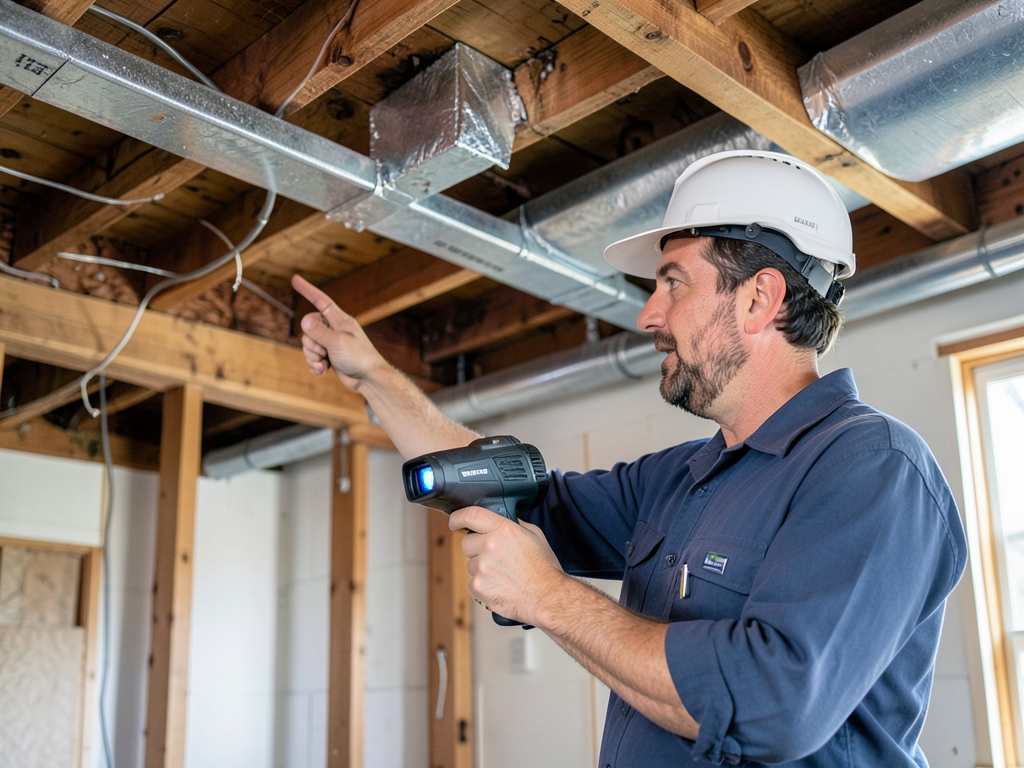
Professional diagnosis includes static pressure testing, duct leakage testing, and thermal imaging to find heat loss points. These tests reveal problems invisible to homeowners and provide data for precise solutions.
National Fuel offers free energy audits that identify HVAC inefficiencies. These audits often uncover duct issues and qualify you for rebates on improvements. The current program covers up to 50% of insulation and sealing costs.
Don’t wait until winter hits hard. Most HVAC companies in Buffalo book 2-3 weeks out during peak season. Getting ahead of problems means you’re not waiting in a cold house when temperatures plummet.
Call (716) 317-7757 today to schedule your inspection. Our NATE-certified technicians understand Cheektowaga’s specific challenges and can recommend solutions that actually work for your ranch home’s layout.
Frequently Asked Questions
Why are my bedrooms always colder than my living room?
Bedrooms are typically at the end of long duct runs where airflow drops due to friction and static pressure. Poor insulation in attics or crawl spaces, undersized return air pathways, and thermostat placement all contribute to this common ranch home problem.
How much does it cost to fix cold spots in a ranch home?
Costs vary widely based on the solution. Simple duct sealing might cost $800-1,500 while a complete zoning system with new ductwork can run $3,000-6,000. National Fuel rebates and NYSERDA incentives can offset 30-50% of these costs for qualifying improvements.. Read more about Why You Might Need a Mini-Split for Your Workshop or Garage in West Seneca.
Can I fix cold spots myself or do I need a professional?
Basic steps like changing filters and adjusting dampers are DIY-friendly. However, proper diagnosis requires specialized tools like manometers and thermal cameras. Professional solutions involving duct sealing, zoning, or system redesign need HVAC certification to ensure safety and code compliance.
How long does it take to fix airflow problems in a ranch home?
Simple duct sealing takes 4-6 hours. Zoning system installation typically requires 1-2 days. Complete system redesign with new ductwork might take 3-5 days. Most homeowners see immediate improvement, though some solutions show full benefits after a heating season. Ductless AC Installation for Historical Homes in North Buffalo.
Will fixing cold spots reduce my energy bills?
Yes. Most airflow improvements increase system efficiency by 15-30%. For a typical Cheektowaga ranch using 800 therms annually, this translates to $200-400 in annual savings. The improvements also extend equipment life by reducing run time and strain on your furnace.
Ready to eliminate cold spots for good? Call (716) 317-7757 and let our Buffalo HVAC experts solve your ranch home heating problems before the next cold snap hits.
You may also find this helpful. Why Your Kitchen Cooking Smells Stay Trapped in Your Downtown Buffalo Loft.
You may also find this helpful. The Best Way to Heat and Cool Your Year Round Sunroom in Amherst.
{
“@context”: “https://schema.org”,
“@type”: “BlogPosting”,
“headline”: “How to Fix Airflow Issues and Cold Spots in Your Cheektowaga Ranch Home”,
“description”: “Fix cold spots in your Cheektowaga ranch home with expert airflow solutions. Learn how Buffalo’s climate affects ranch-style heating and get proven fixes from local HVAC pros.”,
“wordCount”: 1316,
“datePublished”: “2026-04-26T10:23:00.000Z”,
“dateModified”: “2026-04-26T10:23:00.000Z”,
“inLanguage”: “en-US”,
“mainEntityOfPage”: {
“@type”: “WebPage”,
“@id”: “https://unitedhvacbuffalo.com”
},
“publisher”: {
“@type”: “LocalBusiness”,
“name”: “United HVAC Buffalo”,
“url”: “https://unitedhvacbuffalo.com”
},
“author”: {
“@type”: “Organization”,
“name”: “United HVAC Buffalo”,
“url”: “https://unitedhvacbuffalo.com”
},
“image”: {
“@type”: “ImageObject”,
“url”: “https://unitedhvacbuffalo.com/wp-content/uploads/2026/03/how-to-fix-airflow-issues-and-cold-spots-in-your-c-1.png”
}
}
{
“@context”: “https://schema.org”,
“@type”: “HVACBusiness”,
“name”: “United HVAC Buffalo”,
“url”: “https://unitedhvacbuffalo.com”,
“address”: {
“@type”: “PostalAddress”,
“addressLocality”: “Buffalo”
},
“areaServed”: {
“@type”: “City”,
“name”: “Buffalo”
}
}
{
“@context”: “https://schema.org”,
“@type”: “FAQPage”,
“mainEntity”: [
{
“@type”: “Question”,
“name”: “Why are my bedrooms always colder than my living room?”,
“acceptedAnswer”: {
“@type”: “Answer”,
“text”: “Bedrooms are typically at the end of long duct runs where airflow drops due to friction and static pressure. Poor insulation in attics or crawl spaces, undersized return air pathways, and thermostat placement all contribute to this common ranch home problem.”
}
},
{
“@type”: “Question”,
“name”: “How much does it cost to fix cold spots in a ranch home?”,
“acceptedAnswer”: {
“@type”: “Answer”,
“text”: “Costs vary widely based on the solution. Simple duct sealing might cost $800-1,500 while a complete zoning system with new ductwork can run $3,000-6,000. National Fuel rebates and NYSERDA incentives can offset 30-50% of these costs for qualifying improvements.”
}
},
{
“@type”: “Question”,
“name”: “Can I fix cold spots myself or do I need a professional?”,
“acceptedAnswer”: {
“@type”: “Answer”,
“text”: “Basic steps like changing filters and adjusting dampers are DIY-friendly. However, proper diagnosis requires specialized tools like manometers and thermal cameras. Professional solutions involving duct sealing, zoning, or system redesign need HVAC certification to ensure safety and code compliance.”
}
},
{
“@type”: “Question”,
“name”: “How long does it take to fix airflow problems in a ranch home?”,
“acceptedAnswer”: {
“@type”: “Answer”,
“text”: “Simple duct sealing takes 4-6 hours. Zoning system installation typically requires 1-2 days. Complete system redesign with new ductwork might take 3-5 days. Most homeowners see immediate improvement, though some solutions show full benefits after a heating season. Ductless AC Installation for Historical Homes in North Buffalo.”
}
},
{
“@type”: “Question”,
“name”: “Will fixing cold spots reduce my energy bills?”,
“acceptedAnswer”: {
“@type”: “Answer”,
“text”: “Yes. Most airflow improvements increase system efficiency by 15-30%. For a typical Cheektowaga ranch using 800 therms annually, this translates to $200-400 in annual savings. The improvements also extend equipment life by reducing run time and strain on your furnace.”
}
}
]
}
{
“@context”: “https://schema.org”,
“@type”: “BreadcrumbList”,
“itemListElement”: [
{
“@type”: “ListItem”,
“position”: 1,
“name”: “Home”,
“item”: “https://unitedhvacbuffalo.com”
},
{
“@type”: “ListItem”,
“position”: 2,
“name”: “Blog”,
“item”: “https://unitedhvacbuffalo.com/blog”
},
{
“@type”: “ListItem”,
“position”: 3,
“name”: “How to Fix Airflow Issues and Cold Spots in Your Cheektowaga Ranch Home”
}
]
}
{
“@context”: “https://schema.org”,
“@type”: “Service”,
“serviceType”: “HVAC”,
“provider”: {
“@type”: “LocalBusiness”,
“name”: “United HVAC Buffalo”,
“url”: “https://unitedhvacbuffalo.com”
},
“areaServed”: {
“@type”: “City”,
“name”: “Buffalo”
},
“description”: “Fix cold spots in your Cheektowaga ranch home with expert airflow solutions. Learn how Buffalo’s climate affects ranch-style heating and get proven fixes from local HVAC pros.”
}