
Red Flags to Look for in a Furnace When Buying a Home in West Seneca
Buying a home in West Seneca means preparing for harsh Western New York winters where your furnace becomes your lifeline. A failing heating system in January isn’t just inconvenient—it’s an emergency that can cost thousands in emergency repairs or replacement. Before you sign on the dotted line, you need to know what furnace problems could be hiding in plain sight. Emergency Furnace Repair in Amherst When Your Heat Goes Out at Night.
Many West Seneca homes were built between the 1950s and 1980s when furnace technology was vastly different from today’s high-efficiency units. These older systems often show warning signs that a standard home inspection might miss. Understanding these red flags can save you from unexpected costs and dangerous situations after you move in.. Read more about Why New Homes in Clarence Center Still Struggle with Basement Humidity.
Let me walk you through the critical furnace warning signs that every West Seneca home buyer should check before making an offer. These aren’t just minor issues—they’re indicators of systems that could fail when you need heat the most.. Read more about Why You Should Never Try to Relight a Stubborn Furnace Pilot Light Yourself.
Why Furnace Age and Condition Matter More in West Seneca
West Seneca experiences some of the harshest winter conditions in Erie County, with average January lows around 18°F and frequent sub-zero temperature spikes. The area’s older housing stock, particularly in neighborhoods like East and West Seneca, often contains furnaces that have been running for 20+ years without proper maintenance.
According to National Fuel Gas Company data, West Seneca homes built before 1980 typically have gas furnaces with 60-70% efficiency ratings, compared to today’s minimum 80% efficiency standards. These older units not only cost more to operate but are also more prone to dangerous failures like cracked heat exchangers. National Fuel Gas Company.
The soil composition in West Seneca, with its heavy clay content, can also affect basement humidity levels. This moisture can accelerate rust and corrosion on furnace components, especially in homes without proper dehumidification systems.. Read more about Selecting the Best HVAC System for a Manufactured Home in Cheektowaga.
Visual Red Flags That Signal Serious Problems
When you’re touring a home in West Seneca, pay close attention to the furnace area. Here are the visual warning signs that should make you pause:
Rust and Corrosion on the Heat Exchanger
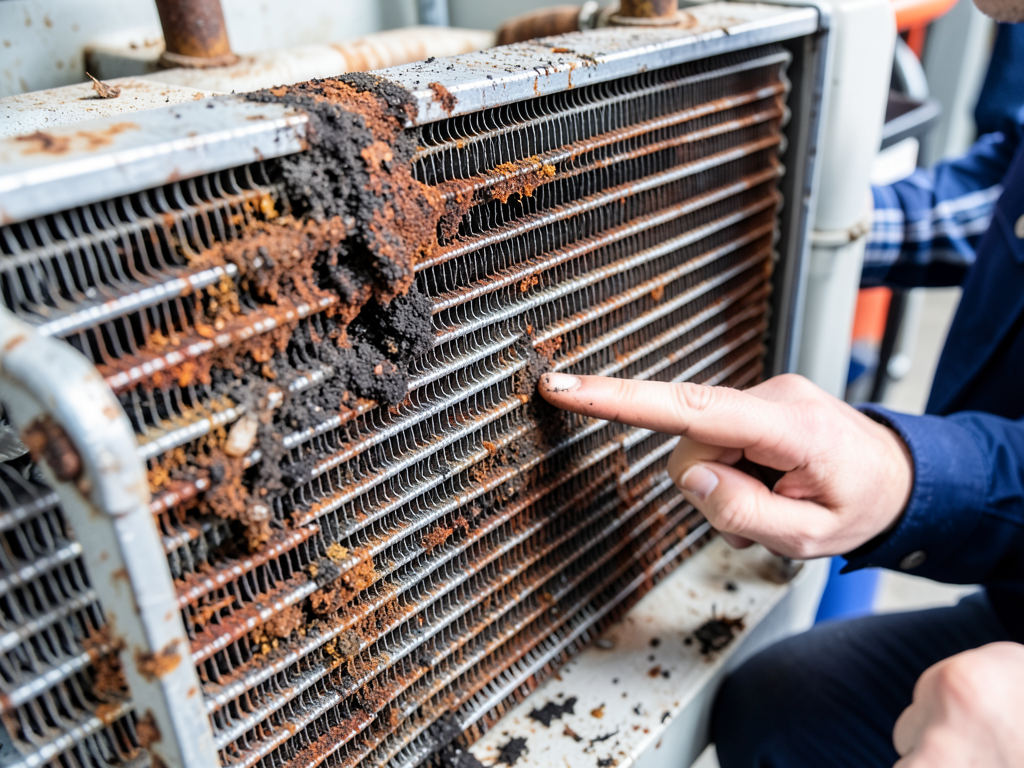
Surface rust on the furnace cabinet might seem minor, but rust on the heat exchanger is a major safety hazard. Heat exchangers are designed to contain combustion gases, and rust indicates the metal is deteriorating. This can lead to carbon monoxide leaks into your living space.
Look for rust streaks running down the front of the furnace or around the base. If you see rust on the heat exchanger itself, this system is likely nearing the end of its life and poses a carbon monoxide risk.
Soot Accumulation Inside the Furnace
Black soot around the burner area or inside the combustion chamber indicates incomplete combustion. This could mean the burners are dirty, the heat exchanger is cracked, or the system isn’t getting proper airflow. Soot is a sign the furnace isn’t burning fuel efficiently and could be producing dangerous carbon monoxide.
During a recent inspection in the Briarwood neighborhood, I found significant soot buildup in a 15-year-old furnace that the homeowner thought was working fine. The system was actually operating at only 50% efficiency and had a cracked heat exchanger.
Yellow or Flickering Burner Flames
Healthy gas burners should produce a steady blue flame. Yellow flames indicate incomplete combustion, which means the furnace isn’t getting enough oxygen or the burners are dirty. This inefficiency wastes fuel and produces carbon monoxide.
If you notice flames that dance around or have yellow tips, this furnace needs immediate professional attention. The problem could be as simple as dirty burners or as serious as a cracked heat exchanger.
Frayed or Damaged Wiring
Check the wiring connections near the furnace. Frayed wires, burn marks on terminals, or melted insulation are serious safety hazards that could cause electrical fires or system failures. These issues often develop from age, rodent damage, or previous improper repairs.
West Seneca’s older homes, particularly those in the Gardenville area, frequently have outdated electrical systems that weren’t designed for modern furnace electronics. This mismatch can cause wiring problems over time.
Excessive Cycling or Short Run Times
If the furnace turns on and off frequently during your visit, this could indicate several problems: a failing thermostat, improper sizing, or a malfunctioning control board. Short cycling wastes energy and puts extra wear on components.
Listen for the furnace to start and stop. A healthy system should run for several minutes before cycling off. If it’s turning on and off every minute or two, there’s likely a control issue.
The Age Factor: When Replacement Becomes Inevitable
The average lifespan of a gas furnace in Western New York is 15-20 years, but that’s under ideal conditions. West Seneca’s harsh winters and high humidity can shorten this lifespan significantly. Here’s what to consider about furnace age:
The 15-Year Rule
If the furnace is over 15 years old, you should budget for replacement within the next few years, regardless of its current condition. Even well-maintained units become less efficient and more prone to failures as they age.
Older furnaces in West Seneca typically have efficiency ratings of 60-75%, while new units start at 80% and can reach 95% efficiency. This means you could cut your heating bills by 20-35% by upgrading.. Read more about Why You Need a Chimney Liner When Upgrading to a High Efficiency Boiler in Kenmore.
AFUE Ratings and Operating Costs
AFUE (Annual Fuel Utilization Efficiency) tells you what percentage of fuel actually heats your home. A 70% AFUE furnace wastes 30% of every dollar you spend on gas. In contrast, a 95% AFUE unit wastes only 5%.
For a typical West Seneca home using 800 therms per winter, upgrading from a 70% to a 95% efficient furnace could save $300-400 annually on heating costs, according to National Fuel rate data.
Warranty Considerations
Most furnace manufacturers offer 5-10 year warranties on parts, but these warranties are often non-transferable or expire when a home changes ownership. Ask the seller for documentation of any remaining warranty coverage.
Even if the furnace is under warranty, you’ll still face labor costs for repairs, which can range from $200-800 depending on the issue. And warranties don’t cover emergency service calls, which can cost $150-300 just for a technician to arrive after hours.
Hidden Dangers: What You Can’t See
Some of the most dangerous furnace problems aren’t visible during a standard home tour. Here’s what could be lurking inside:
Cracked Heat Exchangers
A cracked heat exchanger is the most dangerous furnace problem because it allows carbon monoxide to leak into your home. These cracks often develop from metal fatigue over years of heating cycles, especially in older units.
Heat exchanger cracks are typically too small to see with the naked eye but can be detected with specialized testing equipment. This is why a professional HVAC inspection is crucial before buying any home with an older furnace.. Read more about The Homeowners Guide to Buying a New HVAC System for a Rental Property in University Heights.
Blocked Flue Pipes
The flue pipe carries combustion gases safely outside your home. Over time, these pipes can become blocked by debris, bird nests, or rust corrosion. A blocked flue forces dangerous gases back into your home.
Check that the flue pipe appears intact and properly connected. Any signs of rust, holes, or improper connections are red flags that need immediate professional evaluation.
Improper Venting
Modern high-efficiency furnaces require specific venting configurations. If the home has been upgraded with a new high-efficiency furnace but the venting wasn’t properly modified, you could face dangerous backdrafting issues.
Look for PVC vent pipes near the furnace. If you see them but the furnace appears older, ask if the venting was properly upgraded for the current system.
Questions to Ask the Seller Before Making an Offer
Before you commit to buying a West Seneca home, ask these critical questions about the furnace:
Maintenance History
“When was the last professional furnace maintenance performed?” Regular maintenance is crucial for furnace longevity and safety. A furnace that hasn’t been serviced in several years is more likely to have developing problems.
Ask for maintenance records showing when filters were changed, burners cleaned, and safety controls tested. Lack of documentation often indicates neglect.
Age and Brand Information
“How old is the furnace and what brand is it?” This information helps you research typical lifespans and common issues for that specific model. Some brands are known for reliability while others have frequent problems.
You can usually find the manufacturing date on a label inside the furnace cabinet or on the exterior. If the seller doesn’t know the age, that’s a red flag suggesting they haven’t maintained the system well.
Recent Repairs or Issues
“Have there been any recent repairs or problems with the furnace?” Even if issues were fixed, this information helps you understand the system’s reliability and potential future problems.
Ask specifically about thermostat replacements, control board issues, or any carbon monoxide alarms that went off. These could indicate developing problems.
Energy Bills
“What are the typical winter heating costs?” While this won’t tell you everything about the furnace’s condition, unusually high heating bills could indicate efficiency problems or inadequate insulation that’s forcing the furnace to work harder.
According to National Fuel data, a typical West Seneca home of 2,000 square feet should spend $800-1,200 on gas heating during an average winter. Bills significantly higher than this warrant investigation.
Professional Inspection vs. Standard Home Inspection
While a standard home inspection covers basic furnace operation, it often misses critical internal problems that only a specialized HVAC technician can detect. Here’s what you need to know:
Limitations of Home Inspectors
Most home inspectors are generalists who test that the furnace turns on and produces heat. They typically don’t disassemble units, test for carbon monoxide leaks, or inspect internal components like heat exchangers.
According to the New York State Uniform Fire Prevention and Building Code, furnaces must meet specific safety standards, but a visual inspection alone cannot verify compliance with these codes.
What a Professional HVAC Inspection Includes
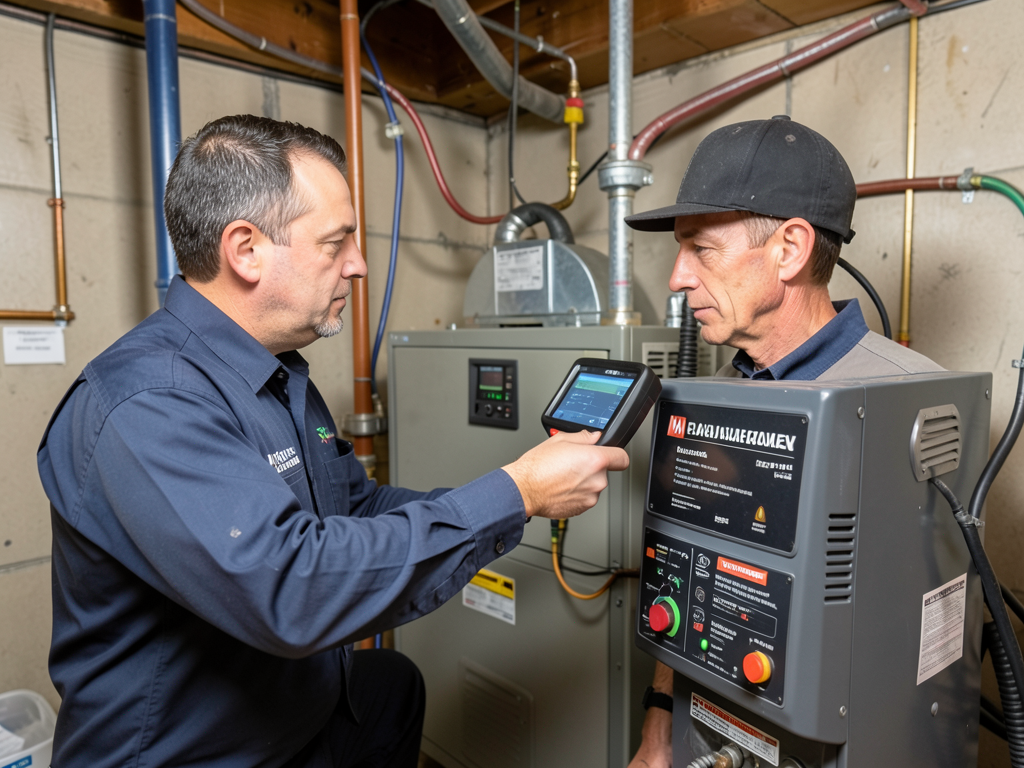
A qualified HVAC technician will use specialized tools to test for carbon monoxide, measure combustion efficiency, and inspect internal components. They can detect problems like cracked heat exchangers using infrared cameras or combustion analyzers.
Professional inspections typically cost $150-300 but can identify problems that would cost thousands to repair if discovered after purchase. This is money well spent when you’re making a major investment.
Timing Considerations
Schedule your HVAC inspection as a contingency in your purchase agreement. This allows you to renegotiate or walk away if serious problems are found. Don’t wait until after closing to discover furnace issues.
Ideally, schedule the inspection during cold weather when the furnace has been running, as some problems only manifest during extended operation.
Cost Considerations for West Seneca Buyers
Understanding potential furnace replacement costs helps you budget appropriately. Here’s what West Seneca buyers should expect:
| Furnace Type | Efficiency Rating | Estimated Cost Range | Typical Lifespan |
|---|---|---|---|
| 80% Standard Efficiency | 80% AFUE | $3,500 – $5,000 | 15-20 years |
| 95% High Efficiency | 95% AFUE | $4,500 – $7,000 | 15-20 years |
| Modulating/Variable Speed | 96%+ AFUE | $6,000 – $9,000 | 15-20 years |
These costs include equipment, installation, permits, and removal of the old unit. High-efficiency units cost more upfront but save money on utility bills over time. Ductless AC Installation for Historical Homes in North Buffalo.
National Fuel offers rebates up to $400 for high-efficiency furnace installations in Erie County, which can help offset the higher initial cost of efficient units.
Making Your Decision: When to Walk Away
Sometimes the furnace problems you discover are serious enough to reconsider the purchase. Here are situations where you might want to negotiate or walk away:
Safety Hazards
Any indication of carbon monoxide risk, gas leaks, or electrical hazards should be taken extremely seriously. These aren’t just expensive problems—they’re life-threatening.
If the seller won’t address these issues or significantly reduce the price to cover repairs, you might be better off finding a different home. Finding the Most Reliable Furnace Repair Services in Buffalo.
Imminent Replacement Needs
If the furnace is over 20 years old and shows signs of wear, you could be facing a $4,000-8,000 replacement within a year or two of purchase. Factor this into your offer price or ask the seller to replace it before closing.
Consider whether you want to deal with an aging system during your first winter in the home. Emergency replacements in January often cost 20-30% more than planned upgrades during the off-season.
Energy Efficiency Concerns
While not a safety issue, an extremely inefficient furnace could cost you hundreds of dollars extra each winter. If you’re planning to stay in the home long-term, factor these ongoing costs into your decision.
Modern high-efficiency furnaces can reduce heating costs by 30% or more, which adds up to significant savings over the system’s lifetime.
Protecting Yourself: The Smart Buyer’s Approach
The best way to avoid furnace surprises is to be proactive during your home buying process. Here’s your action plan:
- Include a professional HVAC inspection contingency in your purchase agreement
- Ask the seller specific questions about maintenance and repairs
- Look for visual red flags during your home tours
- Consider the age and efficiency of the system relative to your long-term plans
- Budget for potential replacement costs if the system is aging
Remember that a thorough furnace evaluation isn’t just about avoiding costs—it’s about ensuring your family’s safety and comfort during Western New York’s brutal winters.
Don’t let furnace problems turn your dream home into a nightmare. Take the time to investigate these red flags before you commit. Your future self will thank you when you’re enjoying reliable heat on the coldest night of the year.
Frequently Asked Questions
How can I tell if a furnace is safe to use?
Look for visual signs like rust, soot, yellow flames, and frayed wiring. However, the only way to truly verify safety is through professional testing with carbon monoxide detectors and combustion analyzers. Never rely on visual inspection alone for safety assessment.
Should I ask the seller to replace the furnace before buying?
If the furnace is over 20 years old or shows significant problems, you can request replacement as a contingency. However, many sellers prefer to offer a credit instead. Consider whether you want to choose the replacement system yourself or have the seller make that decision.
How much does a professional furnace inspection cost in West Seneca?
Professional HVAC inspections typically cost $150-300 in the West Seneca area. This includes testing for carbon monoxide, checking efficiency, and inspecting internal components. While this is an added expense during home buying, it can prevent costly surprises after purchase.
What’s the most dangerous furnace problem I should watch for?
Cracked heat exchangers are the most dangerous because they can leak carbon monoxide into your home without obvious signs. Soot accumulation, yellow flames, and rust on the heat exchanger are visual indicators that warrant immediate professional attention.
Call (716) 317-7757 today to schedule your professional furnace inspection before you buy your West Seneca home. Don’t wait until it’s too late to discover dangerous or costly furnace problems. For more information, visit NYSERDA Clean Heat Program.
{
“@context”: “https://schema.org”,
“@type”: “BlogPosting”,
“headline”: “Red Flags to Look for in a Furnace When Buying a Home in West Seneca”,
“description”: “Buying a home in West Seneca? Discover the critical furnace red flags every buyer should know before closing. Get expert tips from local HVAC pros.”,
“wordCount”: 2500,
“datePublished”: “2026-05-24T13:10:00.000Z”,
“dateModified”: “2026-05-24T13:10:00.000Z”,
“inLanguage”: “en-US”,
“mainEntityOfPage”: {
“@type”: “WebPage”,
“@id”: “https://unitedhvacbuffalo.com”
},
“publisher”: {
“@type”: “LocalBusiness”,
“name”: “United HVAC Buffalo”,
“url”: “https://unitedhvacbuffalo.com”
},
“author”: {
“@type”: “Organization”,
“name”: “United HVAC Buffalo”,
“url”: “https://unitedhvacbuffalo.com”
},
“image”: {
“@type”: “ImageObject”,
“url”: “https://unitedhvacbuffalo.com/wp-content/uploads/2026/03/red-flags-to-look-for-in-a-furnace-when-buying-a-h-1.png”
}
}
{
“@context”: “https://schema.org”,
“@type”: “HVACBusiness”,
“name”: “United HVAC Buffalo”,
“url”: “https://unitedhvacbuffalo.com”,
“address”: {
“@type”: “PostalAddress”,
“addressLocality”: “Buffalo”
},
“areaServed”: {
“@type”: “City”,
“name”: “Buffalo”
}
}
{
“@context”: “https://schema.org”,
“@type”: “FAQPage”,
“mainEntity”: [
{
“@type”: “Question”,
“name”: “How can I tell if a furnace is safe to use?”,
“acceptedAnswer”: {
“@type”: “Answer”,
“text”: “Look for visual signs like rust, soot, yellow flames, and frayed wiring. However, the only way to truly verify safety is through professional testing with carbon monoxide detectors and combustion analyzers. Never rely on visual inspection alone for safety assessment.”
}
},
{
“@type”: “Question”,
“name”: “Should I ask the seller to replace the furnace before buying?”,
“acceptedAnswer”: {
“@type”: “Answer”,
“text”: “If the furnace is over 20 years old or shows significant problems, you can request replacement as a contingency. However, many sellers prefer to offer a credit instead. Consider whether you want to choose the replacement system yourself or have the seller make that decision.”
}
},
{
“@type”: “Question”,
“name”: “How much does a professional furnace inspection cost in West Seneca?”,
“acceptedAnswer”: {
“@type”: “Answer”,
“text”: “Professional HVAC inspections typically cost $150-300 in the West Seneca area. This includes testing for carbon monoxide, checking efficiency, and inspecting internal components. While this is an added expense during home buying, it can prevent costly surprises after purchase.”
}
},
{
“@type”: “Question”,
“name”: “What’s the most dangerous furnace problem I should watch for?”,
“acceptedAnswer”: {
“@type”: “Answer”,
“text”: “Cracked heat exchangers are the most dangerous because they can leak carbon monoxide into your home without obvious signs. Soot accumulation, yellow flames, and rust on the heat exchanger are visual indicators that warrant immediate professional attention.”
}
}
]
}
{
“@context”: “https://schema.org”,
“@type”: “BreadcrumbList”,
“itemListElement”: [
{
“@type”: “ListItem”,
“position”: 1,
“name”: “Home”,
“item”: “https://unitedhvacbuffalo.com”
},
{
“@type”: “ListItem”,
“position”: 2,
“name”: “Blog”,
“item”: “https://unitedhvacbuffalo.com/blog”
},
{
“@type”: “ListItem”,
“position”: 3,
“name”: “Red Flags to Look for in a Furnace When Buying a Home in West Seneca”
}
]
}
{
“@context”: “https://schema.org”,
“@type”: “Service”,
“serviceType”: “HVAC”,
“provider”: {
“@type”: “LocalBusiness”,
“name”: “United HVAC Buffalo”,
“url”: “https://unitedhvacbuffalo.com”
},
“areaServed”: {
“@type”: “City”,
“name”: “Buffalo”
},
“description”: “Buying a home in West Seneca? Discover the critical furnace red flags every buyer should know before closing. Get expert tips from local HVAC pros.”
}