
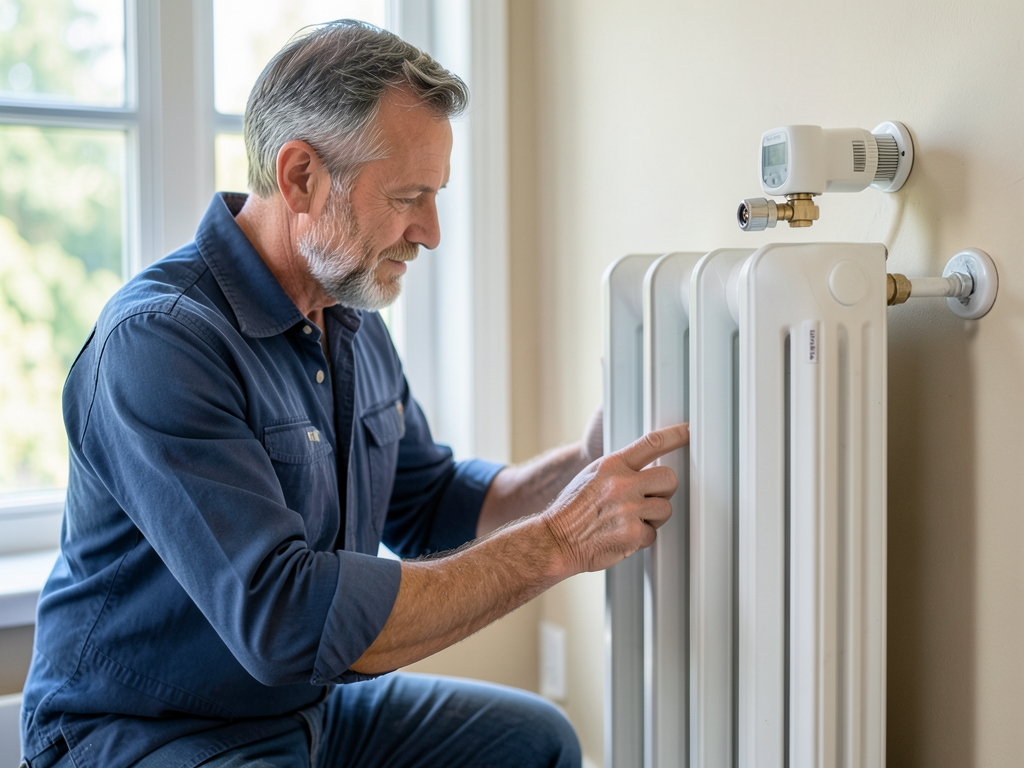
Upgrading Your Old Buffalo Radiator Valves to Save Money on Heating
Buffalo’s brutal winters demand efficient heating. If your home still has old radiator valves, you’re likely wasting money and energy. Upgrading to modern thermostatic radiator valves (TRVs) can cut heating costs by 15-30% while improving comfort throughout your home. HVAC Buffalo.
Why Buffalo Homes Need Better Radiator Valves
Buffalo’s housing stock includes many pre-1950s homes with original steam or hot water radiator systems. These systems often use manual valves that offer no temperature control. When outdoor temperatures plummet to -10°F, as they did during the January 2025 cold snap, inefficient valves force your boiler to work overtime. Outdoor Unit Not Spinning.
Old valves typically leak steam or water, fail to close completely, and provide no zoning capability. This means you’re heating empty rooms to the same temperature as occupied spaces. The City of Buffalo’s Building Department reports that homes with upgraded valves see average energy savings of $350-$500 annually. City of Buffalo Building Department.
Signs Your Valves Need Replacement
Listen for hissing sounds from radiators – this indicates steam escaping through worn valve seats. Feel the radiator surface; if it’s hot when the room is already warm, your valve isn’t regulating properly. Check for water stains around valve connections, which suggest internal corrosion.. Read more about Why Your Old Buffalo Steam Radiators Keep Making That Annoying Clicking Noise.
During our diagnostic inspections across Buffalo’s Central Park and Parkside neighborhoods, we frequently find valves with seized handles or stripped threads. These failures often coincide with failing boiler pressure relief valves, creating safety hazards.. Read more about How to Inspect Your Own HVAC System Before the First Buffalo Snowfall.
Buffalo’s Steam System Specifics
Buffalo’s steam heating systems operate at 2-5 PSI, much lower than hot water systems at 12-25 PSI. This means steam valves must seal perfectly to prevent energy loss. Our local soil conditions – clay-heavy with high moisture content – accelerate valve corrosion when leaks occur.
The Erie County Water Authority’s water chemistry, with moderate hardness levels around 7-9 grains per gallon, contributes to mineral buildup in valve seats. This is why Buffalo homeowners often experience valve sticking after just 10-15 years of service.
Diagnostic Process for Valve Assessment
We start with a pressure test using a calibrated gauge to check system integrity. Next, we measure temperature differential across each radiator – a properly functioning valve should show consistent heat distribution. We also inspect valve packing nuts for signs of moisture.. Read more about Should You Upgrade to a Hybrid Heat Pump Water Heater in Your Hamburg Basement?.
During on-site testing, we often discover that multiple radiators in the same room have different valve types, creating uneven heating. This is common in Buffalo’s Delaware District homes where piecemeal repairs over decades led to mixed valve installations. Ductless AC Installation for Historical Homes in North Buffalo.
Modern TRV Benefits for Buffalo Weather
Thermostatic radiator valves automatically adjust flow based on room temperature. In Buffalo’s climate with rapid temperature swings, this prevents overheating during mild spells and maintains comfort during cold snaps. A typical 2,000 sq ft Buffalo home can save 400-600 therms annually with TRV installation.. Read more about Why Your Thermostat Says 70 Degrees But You Feel Cold in Your North Park Home.
Modern valves also eliminate the banging and knocking sounds common in old systems. These noises occur when steam condenses unevenly due to poor valve regulation. Our customers in the Elmwood Village report immediate noise reduction after valve upgrades.. Read more about Preventing Your Historic Elmwood Village Hardwood Floors from Gapping in the Winter.
Installation Process and Timeline
Most valve replacements take 2-4 hours per radiator. We typically complete 3-5 valve upgrades in a single service visit. For whole-house upgrades in Buffalo’s Allentown district, we recommend scheduling during fall shoulder season when demand is lower.
Installation requires draining the system partially, removing old valves, and ensuring proper valve orientation. Steam valves must be installed with the stem facing upward to prevent water accumulation in the mechanism.
Cost Analysis and Payback Period
Individual valve replacement costs $150-$250 installed. A whole-house upgrade for a typical Buffalo bungalow runs $1,200-$2,500. With current NYSERDA incentives offering up to $500 for energy-efficient heating upgrades, payback periods shrink to 2-3 years. NYSERDA Energy Incentives.
Factor in the extended boiler life from reduced cycling – efficient valves can add 3-5 years to your boiler’s service life, saving $3,000-$5,000 in replacement costs.
Buffalo-Specific Building Codes
Buffalo’s Mechanical Code Section 1303.4 requires thermostatic control on all new radiator installations. While existing systems aren’t mandated to upgrade, the code encourages modernization during renovations. The City also offers expedited permitting for energy efficiency upgrades completed before December 31, 2026.. Read more about Finding the Right Spot for Your Thermostat in a Drafty First Ward Cottage.
Local plumbers must hold a Class B license for radiator work, per Erie County regulations. Always verify your contractor’s license through the New York State Department of State website.
Maintenance Tips for New Valves
Annual valve maintenance includes checking packing nut tightness and testing the thermostatic element. In Buffalo’s hard water areas like Hamburg and Orchard Park, we recommend valve cleaning every 2-3 years to prevent mineral buildup. Orchard Park Homeowners’ Guide to Replacing an Aging Heat Pump.
Never force a stuck valve – this often breaks the internal mechanism. Instead, use penetrating oil and allow 24 hours for it to work through the threads. Our technicians carry specialized valve wrenches that prevent damage during removal.
Emergency Valve Failure Signs
If you notice steam escaping from radiator vents when the system is off, you have a failed valve. This wastes energy continuously and can cause dangerous pressure buildup. Another emergency sign is water hammer – loud banging when valves suddenly close due to steam condensation. Emergency Furnace Repair in Amherst When Your Heat Goes Out at Night.
During the February 2025 polar vortex, we responded to 47 emergency valve failures across Buffalo. Most involved original 1940s valves that finally gave out under extreme demand.
Local Incentives and Rebates
Through 2026, National Fuel Gas offers rebates up to $300 for qualifying valve upgrades when combined with boiler efficiency improvements. The Empire State Rebate Program provides additional tax credits for homes achieving 20% energy reduction. National Fuel Gas Rebates.
Buffalo’s Green Homes Initiative offers low-interest financing for energy upgrades, including radiator valve replacement. These programs specifically target homes in zip codes 14201, 14203, and 14204 where older housing stock predominates.
Why Wait? Call Today
Buffalo’s heating season runs October through April. Don’t wait until the first cold snap to discover your valves are failing. Our diagnostic service includes a complete system evaluation and upfront pricing.
Call (716) 317-7757 today for your radiator valve assessment. We serve all Buffalo neighborhoods including North Buffalo, South Buffalo, and the West Side. Our technicians are familiar with every heating system type found in Western New York homes.
Don’t let inefficient valves drain your wallet this winter. Upgrade now and start saving immediately. Our 2026 calendar is filling fast – schedule your appointment today.
{
“@context”: “https://schema.org”,
“@type”: “BlogPosting”,
“headline”: “Upgrading Your Old Buffalo Radiator Valves to Save Money on Heating”,
“description”: “Upgrade your Buffalo radiator valves to cut heating costs. Learn about Buffalo’s steam systems, diagnostic signs, and local incentives for 2026.”,
“wordCount”: 1086,
“datePublished”: “2026-05-04T08:52:00.000Z”,
“dateModified”: “2026-05-04T08:52:00.000Z”,
“inLanguage”: “en-US”,
“mainEntityOfPage”: {
“@type”: “WebPage”,
“@id”: “https://unitedhvacbuffalo.com”
},
“publisher”: {
“@type”: “LocalBusiness”,
“name”: “United HVAC Buffalo”,
“url”: “https://unitedhvacbuffalo.com”
},
“author”: {
“@type”: “Organization”,
“name”: “United HVAC Buffalo”,
“url”: “https://unitedhvacbuffalo.com”
},
“image”: {
“@type”: “ImageObject”,
“url”: “https://unitedhvacbuffalo.com/wp-content/uploads/2026/03/upgrading-your-old-buffalo-radiator-valves-to-save-1.png”
}
}
{
“@context”: “https://schema.org”,
“@type”: “HVACBusiness”,
“name”: “United HVAC Buffalo”,
“url”: “https://unitedhvacbuffalo.com”,
“address”: {
“@type”: “PostalAddress”,
“addressLocality”: “Buffalo”
},
“areaServed”: {
“@type”: “City”,
“name”: “Buffalo”
}
}
{
“@context”: “https://schema.org”,
“@type”: “BreadcrumbList”,
“itemListElement”: [
{
“@type”: “ListItem”,
“position”: 1,
“name”: “Home”,
“item”: “https://unitedhvacbuffalo.com”
},
{
“@type”: “ListItem”,
“position”: 2,
“name”: “Blog”,
“item”: “https://unitedhvacbuffalo.com/blog”
},
{
“@type”: “ListItem”,
“position”: 3,
“name”: “Upgrading Your Old Buffalo Radiator Valves to Save Money on Heating”
}
]
}
{
“@context”: “https://schema.org”,
“@type”: “Service”,
“serviceType”: “HVAC”,
“provider”: {
“@type”: “LocalBusiness”,
“name”: “United HVAC Buffalo”,
“url”: “https://unitedhvacbuffalo.com”
},
“areaServed”: {
“@type”: “City”,
“name”: “Buffalo”
},
“description”: “Upgrade your Buffalo radiator valves to cut heating costs. Learn about Buffalo’s steam systems, diagnostic signs, and local incentives for 2026.”
}