


West Seneca sits in the heart of the Lake Erie snowbelt where extreme temperature swings test every heating and cooling system. Winter temps drop below zero while lake effect snow dumps feet of accumulation on rooftops. Summer brings humid 90-degree days where AC units run nonstop. This freeze-thaw cycle stresses ductwork, cracks heat exchangers, and causes condensate lines to freeze.
The heavy clay soil common throughout neighborhoods like Ebenezer and South Buffalo creates foundation settling that disconnects ductwork and damages HVAC pads. Ice dams form on roofs near Cazenovia Creek, forcing moisture into attic units. Salt air from the lake corrodes outdoor condensers faster than inland areas. High water tables in areas near Buffalo Creek mean basement furnaces face flooding risks during spring thaws.
Your HVAC system works harder in West Seneca than almost anywhere else. Systems installed near Ridge Road endure constant temperature extremes. Units serving homes near Transit Road face road salt exposure that degrades components. This isn't theoretical wear and tear. It's daily reality that shortens equipment life and causes unexpected breakdowns when you need reliable climate control most.
United HVAC Buffalo has served West Seneca through every blizzard, heat wave, and midnight emergency for years. We built our reputation on one simple promise: show up fast, diagnose accurately, fix it right. When your furnace quits during a January cold snap, you don't need platitudes. You need a technician who knows Carrier, Trane, and Lennox systems inside out, carries parts on the truck, and gets heat flowing again.
Our technicians live and work in Western New York. They understand how lake effect weather destroys equipment. They've replaced corroded condensers in Gardenville, repiped frozen condensate lines near South Park, and restored heat to homes throughout the Ridge Road corridor. This local knowledge matters when diagnosing problems specific to our climate.
We don't upsell unnecessary replacements. If your 15-year-old furnace needs a $200 ignitor instead of a $5,000 replacement, we tell you straight. If your system is genuinely at end of life, we explain why with evidence you can see. Our diagnostic process includes combustion analysis, refrigerant testing, and airflow measurement, not guesswork.
Response time separates us from competitors. We dispatch technicians within hours for emergencies, not days. Our trucks stock common parts for major brands, so most repairs finish same-visit. We provide upfront pricing before starting work. No surprises, no hidden fees, no pressure tactics. Just honest HVAC service when West Seneca residents need it most.

We dispatch within hours for heating and cooling emergencies across West Seneca. Our technicians respond 24/7 with fully stocked trucks, ready to restore comfort fast. When your family is freezing or overheating, we prioritize your call and arrive prepared to fix the problem immediately.

We diagnose problems accurately using combustion analysis, refrigerant testing, and system performance measurement. You see the evidence before we recommend repairs. If a simple fix solves the problem, that's what we do. No unnecessary replacements, no scare tactics, just straight answers about your HVAC system.
Our trucks carry extensive parts inventory for Carrier, Trane, Lennox, Rheem, and other major brands. This means most repairs finish same-visit without return trips. We stock components that commonly fail in Western New York climate conditions, so you get heat or cooling restored without delays.
We've repaired thousands of systems damaged by lake effect weather, freeze-thaw cycles, and salt corrosion specific to West Seneca. Our technicians recognize problems other companies miss because they work in these conditions daily. This local expertise means faster diagnosis and repairs that address root causes.
United HVAC Buffalo handles every heating and cooling need for West Seneca residents. From emergency furnace repair at 3 AM to complete system replacements and seasonal maintenance, our technicians deliver reliable service across all HVAC disciplines. We service gas furnaces, heat pumps, central air conditioning, ductless mini-splits, and hybrid systems.
Our service range covers emergency repairs when systems fail unexpectedly, planned maintenance to prevent breakdowns, and full installations when equipment reaches end of life. We work on residential systems of all sizes, from small ranch homes near Ebenezer to large colonials in South Buffalo. Our technicians receive ongoing training on new equipment and refrigerants, so we service both legacy systems and modern high-efficiency units.
Whether you need immediate AC service during a heat wave, furnace repair before winter arrives, or duct cleaning to improve air quality, United HVAC Buffalo provides comprehensive solutions. We evaluate complete HVAC systems including ductwork, thermostats, air handlers, and outdoor units to identify problems affecting comfort and efficiency. Our approach addresses the whole system, not just the broken component.
Furnaces quit during cold snaps. Air conditioners fail during heat waves. We respond 24/7 to restore heat and cooling when you need it most. Our emergency service covers no heat calls, AC failures, gas leaks, strange noises, burning smells, and complete system shutdowns. We arrive with diagnostic equipment and common replacement parts to complete most repairs same-visit. Your comfort and safety come first, which is why we prioritize emergency calls and dispatch experienced technicians immediately.
Old systems eventually cost more to repair than replace. We provide complete furnace and air conditioner installations when equipment reaches end of life. Our installation process includes load calculations to properly size equipment, ductwork modifications if needed, and disposal of old systems. We install high-efficiency gas furnaces, heat pumps, central air conditioning, and ductless mini-splits. You receive upfront pricing, manufacturer warranties, and installation guarantees. We help West Seneca homeowners choose systems that match their home size, budget, and efficiency goals.
Regular maintenance prevents emergency breakdowns and extends equipment life. Our tune-ups include cleaning burners, testing ignition systems, measuring airflow, checking refrigerant levels, inspecting electrical connections, and lubricating motors. We catch small problems before they cause failures. Fall furnace tune-ups ensure reliable heat all winter. Spring AC maintenance guarantees cooling when summer heat arrives. Maintenance customers receive priority scheduling and discounts on repairs. Prevent 2 AM furnace failures by scheduling service before problems start.
West Seneca's brutal climate creates specific HVAC problems that plague local homeowners. Lake effect snow loads roofs with weight that damages attic units. Extreme cold causes heat exchangers to crack and ignitors to fail. Summer humidity overwhelms undersized air conditioners and causes condensate drainage problems. Freeze-thaw cycles disconnect ductwork in crawl spaces and attics.
Salt from winter roads corrodes outdoor condensing units, especially homes near Transit Road and Ridge Road. High water tables flood basement furnaces during spring thaws near Buffalo Creek. Clay soil settlement pulls apart duct connections as foundations shift. These aren't rare problems. They affect thousands of West Seneca homes every year, causing comfort loss, high energy bills, and unexpected repair costs.
Understanding these common issues helps homeowners recognize warning signs early. Strange noises, weak airflow, short cycling, and rising utility bills all indicate developing problems. Addressing issues early prevents complete system failures during extreme weather when you need reliable heating and cooling most.
West Seneca's subzero temperatures cause metal heat exchangers to expand and contract repeatedly, eventually forming cracks. Cracked heat exchangers leak carbon monoxide into homes, creating deadly safety hazards. Furnaces shutting down on cold nights often have cracked exchangers. This requires immediate replacement, not repair, to protect your family.
Air conditioner condensate drains freeze during cold weather or when AC runs during cool spring nights. Ice blocks drainage, causing water to back up into homes and damage ceilings. Homes near Cazenovia Creek face this problem frequently due to high humidity. Clearing frozen drains and installing heat tape prevents repeat flooding.
Road salt spray corrodes outdoor condensing units, especially coils and electrical connections. Homes near busy roads like Union Road experience accelerated corrosion that causes refrigerant leaks and electrical failures. Corroded coils reduce efficiency and eventually fail completely. Regular cleaning and protective coatings extend equipment life in high-salt areas.
Clay soil causes West Seneca foundations to settle and shift over time. This movement pulls apart duct connections in crawl spaces and attics, wasting heated and cooled air into unconditioned spaces. Rooms that never get comfortable often have disconnected supply ducts. Resealing and securing ductwork restores airflow and reduces energy waste.
We understand calling for HVAC service means something is wrong. Your home is too cold, too hot, or you smell something concerning. The last thing you need is uncertainty about who's coming, when they'll arrive, or what it will cost.
United HVAC Buffalo provides clear communication from your first call through job completion. You speak with knowledgeable staff who ask relevant questions to understand your problem. We provide arrival windows and call before showing up. Our technicians arrive in marked vehicles with ID badges, not unmarked vans.
The service experience focuses on solving your problem efficiently and honestly. We diagnose first, explain what we found, then provide upfront pricing before starting repairs. You make informed decisions based on facts, not pressure. If we recommend replacement over repair, we explain why with evidence you can verify. Our goal is fixing your HVAC system right, not maximizing ticket price.
You speak with trained staff who understand HVAC problems, not order takers reading scripts. We ask questions to assess urgency and dispatch appropriately. You receive realistic arrival windows, not vague "sometime today" promises. We call before arriving and update you if delays occur. After service, we explain what we did, why it was necessary, and how to prevent future problems. You're never left wondering what happened or why.
Our technicians diagnose problems completely before quoting prices. You receive detailed explanations of what's wrong, what needs fixing, and exactly what it costs. We provide options when multiple solutions exist, explaining pros and cons of each approach. No work starts until you approve pricing in writing. No surprises appear on final invoices. The price we quote is the price you pay.
We guarantee our repair work and the parts we install. If problems develop with our repairs, we return to make it right at no additional charge. You receive documentation of all work performed, parts installed, and warranty coverage. We follow up after major repairs to ensure systems perform correctly. Questions after service receive prompt responses from technicians who understand your system.
HVAC service shouldn't be complicated or stressful. We've structured our process to minimize disruption while solving problems efficiently. From your initial call through testing the repaired system, every step focuses on clear communication and quality work.
Call United HVAC Buffalo at (716) 317-7757 and describe your HVAC problem. We assess urgency and dispatch a technician with relevant expertise. You receive an arrival window and technician contact information. For emergencies, we prioritize your call and respond within hours. For scheduled service, we arrange convenient appointment times. We call before arriving and respect your property throughout the visit.
Our technician inspects your system completely, using diagnostic equipment to identify problems accurately. We explain what's wrong in plain language and show you evidence when possible. You receive upfront pricing for recommended repairs with multiple options if applicable. Once you approve work, we complete repairs efficiently using quality parts. Most service calls finish same-visit because our trucks stock common components.
After repairs, we test system operation thoroughly to confirm proper function. You receive documentation of work performed, parts installed, and warranty information. We clean up our work area completely and answer all questions about system operation. For major repairs, we follow up to ensure continued proper operation. You have direct contact information for future questions or concerns.
Professional HVAC service requires adherence to specific technical standards that protect safety and ensure proper operation. United HVAC Buffalo follows all New York State mechanical codes, manufacturer specifications, and industry best practices for every installation and repair.
Refrigerant handling follows EPA Section 608 certification requirements. We recover, recycle, and charge systems according to manufacturer specifications using calibrated equipment. With R-22 phased out and R-410A being replaced by newer refrigerants, proper handling prevents environmental damage and ensures system efficiency. We never estimate refrigerant charge by pressure alone. Subcooling and superheat measurements confirm proper levels.
Gas furnace installations and repairs follow National Fuel Gas Code requirements. We test for gas leaks using electronic detectors and soap solutions. Combustion analysis measures flue gas composition to verify complete combustion and proper venting. Carbon monoxide levels must stay below 50 PPM in flue gases. Cracked heat exchangers require immediate replacement, not temporary patches.
Ductwork modifications follow ACCA Manual D standards for proper sizing and airflow. Undersized ducts cause high static pressure that damages blowers and reduces efficiency. We calculate required duct sizes based on airflow requirements, not guesswork. Duct sealing uses mastic compound, not standard duct tape which fails quickly. Proper insulation in unconditioned spaces prevents energy loss.
Load calculations for replacement systems follow ACCA Manual J methodology. We measure home square footage, insulation levels, window area, and orientation to size equipment accurately. Oversized equipment short cycles and fails prematurely. Undersized equipment runs constantly and never reaches comfortable temperatures. Proper sizing ensures efficiency and comfort.
All HVAC installations and modifications must meet New York State Mechanical Code requirements including proper permits, venting standards, clearances, and safety controls. Furnace installations require CO detectors within 15 feet. Gas line sizing must match BTU input. Condensate drains require proper traps and termination. Code compliance protects safety and home value.
Proper equipment sizing requires ACCA Manual J load calculations that account for insulation, windows, orientation, and infiltration. Oversized furnaces and air conditioners short cycle, waste energy, and fail early. Undersized units run constantly without reaching set temperatures. Proper sizing based on actual heat loss and gain ensures comfort and efficiency throughout West Seneca's extreme climate.
EPA Section 608 certification is mandatory for refrigerant handling. Proper charging requires superheat and subcooling measurements, not pressure guesses. R-410A systems operate at higher pressures than old R-22 systems and require compatible tools. Refrigerant leaks must be repaired before recharging. Recovery equipment prevents atmospheric release during repairs. Proper handling ensures efficiency and environmental compliance.
Gas furnaces require combustion analysis to verify safe operation. Flue gas testing measures carbon monoxide, oxygen levels, and combustion efficiency. CO levels above 50 PPM indicate incomplete combustion requiring immediate attention. Draft testing confirms proper venting. Heat exchanger inspection detects cracks that leak CO into homes. These tests protect your family from deadly carbon monoxide poisoning.
This video explains common HVAC problems affecting West Seneca, NY homes and how to choose reliable heating and cooling repair services. Topics include heat exchanger failures from extreme cold, frozen AC condensate lines, salt corrosion on outdoor units, and ductwork disconnection from foundation settlement. United HVAC Buffalo demonstrates diagnostic procedures, proper repair methods, and maintenance practices that prevent emergency breakdowns in Western New York's harsh climate conditions.
United HVAC Buffalo provides comprehensive heating and cooling service throughout West Seneca and neighboring Erie County communities. Our service area extends from the dense residential neighborhoods near South Park Avenue to the suburban developments along Transit Road and Ridge Road. We respond to calls across West Seneca's diverse housing stock, from older homes in Ebenezer and Gardenville to newer construction near the Southgate Plaza area.
The Cazenovia Creek corridor presents unique HVAC challenges with higher humidity levels and flooding risks during spring thaws. Homes in this area frequently experience basement furnace flooding and condensate drainage problems we've solved hundreds of times. Properties near the Buffalo city line in North West Seneca often have older heating systems requiring specialized knowledge of legacy equipment and conversion options to modern high-efficiency units.
East West Seneca neighborhoods along Union Road and Seneca Street feature mid-century ranch homes with aging ductwork in crawl spaces vulnerable to disconnection from foundation settlement. We've resealed and modified countless duct systems in these areas to restore comfort and efficiency. The heavily traveled Union Road corridor exposes outdoor AC units to road salt spray requiring more frequent coil cleaning and corrosion protection.
South toward Orchard Park, newer subdivisions present different needs including proper sizing of HVAC systems in larger homes and integration with modern smart thermostats and zoning systems. Hamburg border areas share similar lake effect weather patterns creating demand for robust heating systems capable of handling extended cold snaps common to Western New York.
West Seneca's proximity to Buffalo Niagara International Airport means frequent temperature monitoring and weather awareness. We track incoming weather systems to staff appropriately for emergency calls during severe cold and heat events. Our dispatch system prioritizes calls based on urgency and location, ensuring rapid response throughout all West Seneca neighborhoods including areas near the West Seneca town center and outlying residential zones.
Replace your air filter every 30 to 60 days in West Seneca. The area's humidity and seasonal pollen increase airborne particles. If you have pets or allergies, change filters monthly. A clogged filter forces your system to work harder and reduces air quality. Check your filter monthly by holding it up to light. If you see little to no light through it, replace it immediately. Standard 1-inch filters need more frequent changes than thicker 4-inch models. Keep spare filters on hand to maintain consistent replacement schedules.
A typical West Seneca ranch home between 1,200 and 1,800 square feet needs a 2.5 to 3.5-ton air conditioner. Your exact size depends on insulation quality, window count, ceiling height, and sun exposure. An oversized unit cycles on and off too frequently, failing to remove humidity. An undersized unit runs continuously and never reaches comfortable temperatures. A local HVAC technician performs a load calculation using Manual J protocols. This calculation accounts for your home's specific characteristics and West Seneca's climate patterns.
Furnace replacement pricing in West Seneca varies widely based on several factors. Your home size, existing ductwork condition, and chosen efficiency rating affect the total investment. High-efficiency models reduce monthly utility expenses but require higher upfront spending. The installation complexity matters too. Older homes sometimes need ductwork modifications or electrical upgrades. Get three written estimates from licensed contractors. Each estimate should detail equipment specifications, labor requirements, and timeline expectations. Many manufacturers offer rebates for high-efficiency models during certain seasons.
Replace your air filter every 30 to 60 days in West Seneca. The area's humidity and seasonal pollen increase airborne particles. If you have pets or allergies, change filters monthly. A clogged filter forces your system to work harder and reduces air quality. Check your filter monthly by holding it up to light. If you see little to no light through it, replace it immediately. Standard 1-inch filters need more frequent changes than thicker 4-inch models. Keep spare filters on hand to maintain consistent replacement schedules.
A typical West Seneca ranch home between 1,200 and 1,800 square feet needs a 2.5 to 3.5-ton air conditioner. Your exact size depends on insulation quality, window count, ceiling height, and sun exposure. An oversized unit cycles on and off too frequently, failing to remove humidity. An undersized unit runs continuously and never reaches comfortable temperatures. A local HVAC technician performs a load calculation using Manual J protocols. This calculation accounts for your home's specific characteristics and West Seneca's climate patterns.
Furnace replacement pricing in West Seneca varies widely based on several factors. Your home size, existing ductwork condition, and chosen efficiency rating affect the total investment. High-efficiency models reduce monthly utility expenses but require higher upfront spending. The installation complexity matters too. Older homes sometimes need ductwork modifications or electrical upgrades. Get three written estimates from licensed contractors. Each estimate should detail equipment specifications, labor requirements, and timeline expectations. Many manufacturers offer rebates for high-efficiency models during certain seasons.
Your AC freezes when airflow drops or refrigerant runs low. Dirty air filters block airflow and cause evaporator coils to ice over. Blocked return vents create the same problem. Low refrigerant from leaks makes coils too cold and triggers freezing. Running your AC when outdoor temperatures drop below 60 degrees also causes ice buildup. Turn off your system immediately when you spot ice. Let it thaw completely before restarting. Clean or replace your filter first. If freezing continues, call a technician to check refrigerant levels and airflow.
West Seneca homes typically need dehumidifiers in summer and humidifiers in winter. Summer humidity from Lake Erie creates muggy indoor conditions and mold growth. A whole-home dehumidifier keeps indoor humidity between 30 and 50 percent. Winter heating dries indoor air below 30 percent, causing dry skin, static electricity, and respiratory irritation. A whole-home humidifier adds moisture back into your heated air. Monitor humidity levels with a hygrometer. Keep summer levels near 45 percent and winter levels near 35 percent for optimal comfort and health.
Furnaces in West Seneca last 15 to 20 years with proper maintenance. The area's frequent freeze-thaw cycles and heavy winter usage stress heating systems. Annual maintenance extends lifespan by catching small problems before they become major failures. High-efficiency furnaces sometimes have shorter lifespans due to complex components. Installation quality matters as much as equipment quality. Poor installation shortens equipment life by years. Replace your furnace when repair expenses exceed half the replacement investment or when efficiency drops significantly. Newer models offer better efficiency and lower monthly operating expenses.
Schedule professional furnace maintenance each fall before temperatures drop. A technician inspects heat exchangers, tests safety controls, cleans burners, and checks airflow. Replace your furnace filter and stock up on spares. Test your thermostat by raising temperature settings and confirming the furnace responds. Clear vents and registers of furniture and debris. Inspect ductwork for visible gaps or damage. Test your carbon monoxide detectors and replace batteries. Check outdoor vents for blockages from leaves or nests. Seal air leaks around windows and doors to reduce heating demands.
Modern cold-climate heat pumps work efficiently in West Seneca winters. New models operate effectively down to negative 15 degrees. They extract heat from outdoor air even in freezing temperatures. Heat pumps provide both heating and cooling, eliminating the need for separate systems. They use electricity rather than gas, which appeals to some homeowners. A backup heat source helps during extreme cold snaps below zero. Heat pumps reduce energy consumption compared to traditional furnaces in mild winter conditions. Your home's insulation quality affects heat pump performance significantly.
Your furnace blows cold air for several common reasons. The thermostat setting might be on fan mode instead of auto mode. Your pilot light or ignition system failed to light the burners. A tripped circuit breaker or blown fuse cuts power to heating elements. Your furnace needs time to warm up after starting, especially on startup cycles. Dirty flame sensors shut down burners as a safety measure. A malfunctioning limit switch turns off heat while the fan continues running. Check your thermostat settings first, then inspect your circuit breaker before calling for service.
Lower your thermostat to 68 degrees when home and 62 degrees when sleeping or away. Each degree reduction cuts heating expenses by three percent. Install a programmable thermostat to automate temperature changes. Seal air leaks around windows, doors, and outlets with caulk or weatherstripping. Add insulation to your attic if you have less than 12 inches. Close vents in unused rooms and shut doors. Open curtains on south-facing windows during sunny days. Replace furnace filters monthly. Reverse ceiling fans to push warm air downward. Schedule annual furnace tune-ups to maintain peak efficiency.
Your AC freezes when airflow drops or refrigerant runs low. Dirty air filters block airflow and cause evaporator coils to ice over. Blocked return vents create the same problem. Low refrigerant from leaks makes coils too cold and triggers freezing. Running your AC when outdoor temperatures drop below 60 degrees also causes ice buildup. Turn off your system immediately when you spot ice. Let it thaw completely before restarting. Clean or replace your filter first. If freezing continues, call a technician to check refrigerant levels and airflow.
West Seneca homes typically need dehumidifiers in summer and humidifiers in winter. Summer humidity from Lake Erie creates muggy indoor conditions and mold growth. A whole-home dehumidifier keeps indoor humidity between 30 and 50 percent. Winter heating dries indoor air below 30 percent, causing dry skin, static electricity, and respiratory irritation. A whole-home humidifier adds moisture back into your heated air. Monitor humidity levels with a hygrometer. Keep summer levels near 45 percent and winter levels near 35 percent for optimal comfort and health.
Furnaces in West Seneca last 15 to 20 years with proper maintenance. The area's frequent freeze-thaw cycles and heavy winter usage stress heating systems. Annual maintenance extends lifespan by catching small problems before they become major failures. High-efficiency furnaces sometimes have shorter lifespans due to complex components. Installation quality matters as much as equipment quality. Poor installation shortens equipment life by years. Replace your furnace when repair expenses exceed half the replacement investment or when efficiency drops significantly. Newer models offer better efficiency and lower monthly operating expenses.
Schedule professional furnace maintenance each fall before temperatures drop. A technician inspects heat exchangers, tests safety controls, cleans burners, and checks airflow. Replace your furnace filter and stock up on spares. Test your thermostat by raising temperature settings and confirming the furnace responds. Clear vents and registers of furniture and debris. Inspect ductwork for visible gaps or damage. Test your carbon monoxide detectors and replace batteries. Check outdoor vents for blockages from leaves or nests. Seal air leaks around windows and doors to reduce heating demands.
Modern cold-climate heat pumps work efficiently in West Seneca winters. New models operate effectively down to negative 15 degrees. They extract heat from outdoor air even in freezing temperatures. Heat pumps provide both heating and cooling, eliminating the need for separate systems. They use electricity rather than gas, which appeals to some homeowners. A backup heat source helps during extreme cold snaps below zero. Heat pumps reduce energy consumption compared to traditional furnaces in mild winter conditions. Your home's insulation quality affects heat pump performance significantly.
Your furnace blows cold air for several common reasons. The thermostat setting might be on fan mode instead of auto mode. Your pilot light or ignition system failed to light the burners. A tripped circuit breaker or blown fuse cuts power to heating elements. Your furnace needs time to warm up after starting, especially on startup cycles. Dirty flame sensors shut down burners as a safety measure. A malfunctioning limit switch turns off heat while the fan continues running. Check your thermostat settings first, then inspect your circuit breaker before calling for service.
Lower your thermostat to 68 degrees when home and 62 degrees when sleeping or away. Each degree reduction cuts heating expenses by three percent. Install a programmable thermostat to automate temperature changes. Seal air leaks around windows, doors, and outlets with caulk or weatherstripping. Add insulation to your attic if you have less than 12 inches. Close vents in unused rooms and shut doors. Open curtains on south-facing windows during sunny days. Replace furnace filters monthly. Reverse ceiling fans to push warm air downward. Schedule annual furnace tune-ups to maintain peak efficiency.
We are proud to serve the entire Buffalo area and its surrounding communities with our expert HVAC services. Our centrally located team allows us to respond quickly to your needs, whether you are in the city or a nearby suburb. We are committed to being your local, trusted resource for all things heating and cooling, and we look forward to serving you right where you are.
Address:
West Seneca, NY, 14224
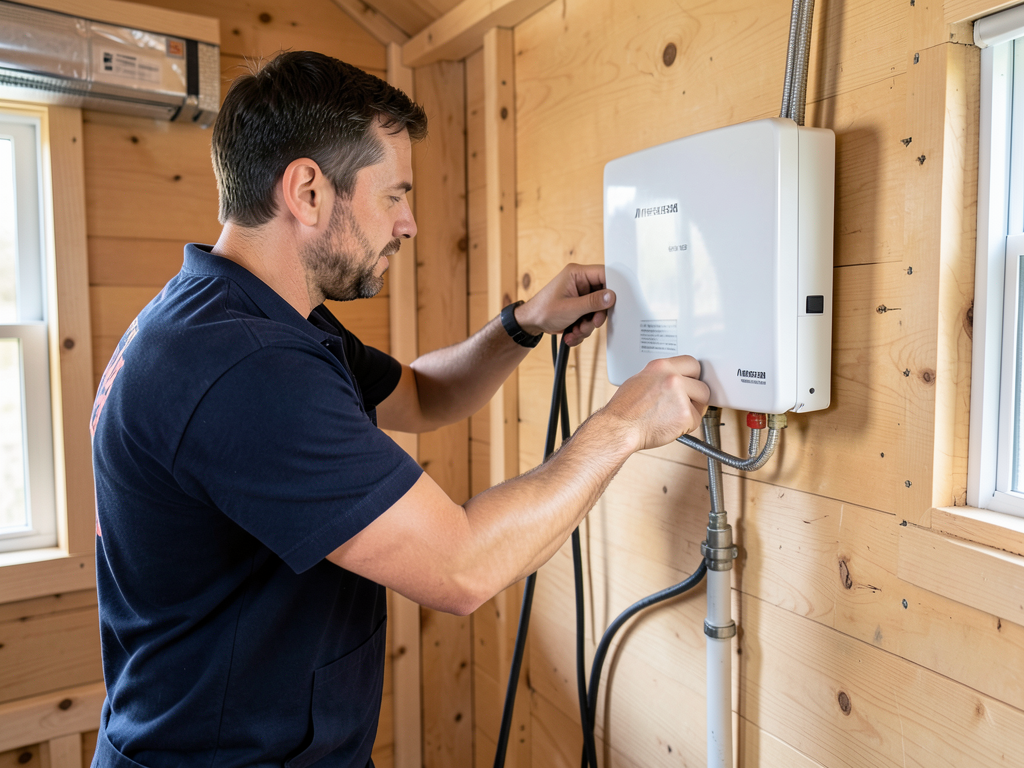
How to Heat a Small Accessory Dwelling Unit or Tiny Home in Williamsville Keeping a tiny home or accessory dwelling unit warm in Williamsville means understanding both the extreme Western New York climate and the…
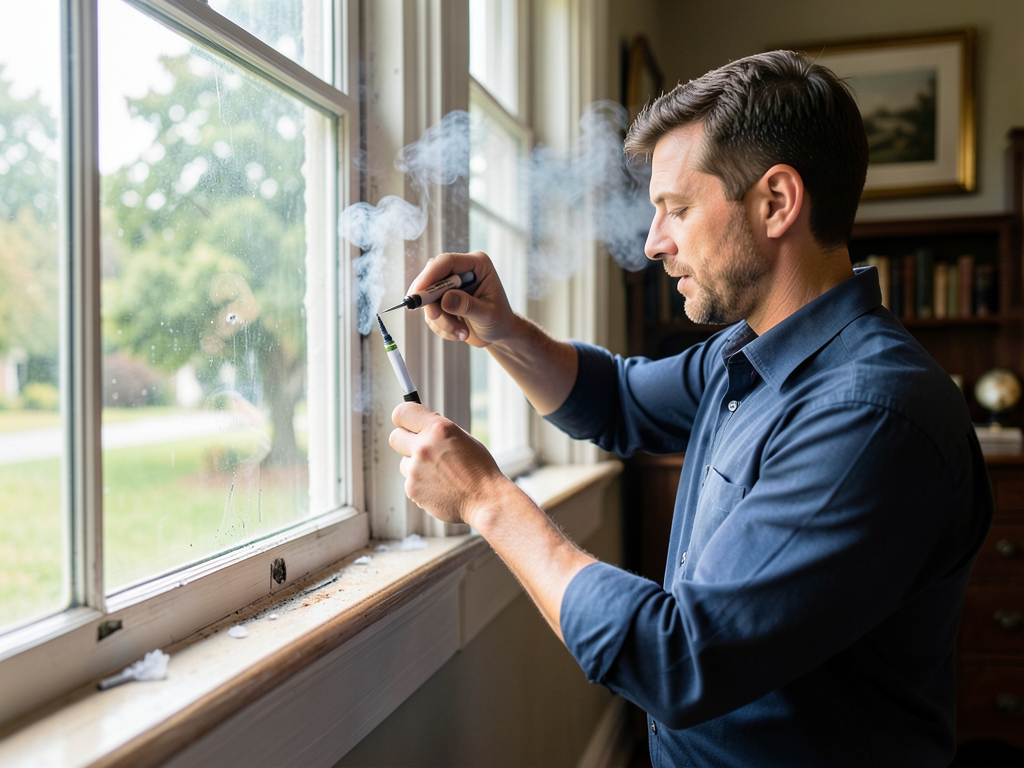
Managing Excessive Dust in Your South Buffalo Home During High Wind Events South Buffalo homes…
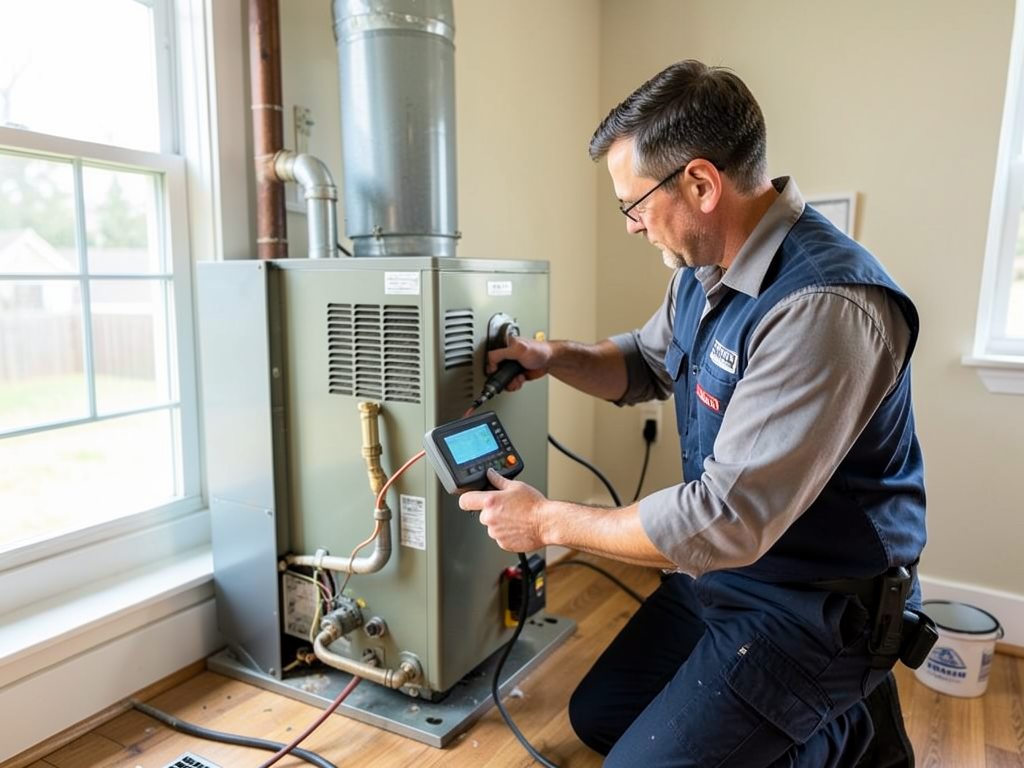
Is it Better to Pay for a Monthly HVAC Maintenance Plan or Just Call When…
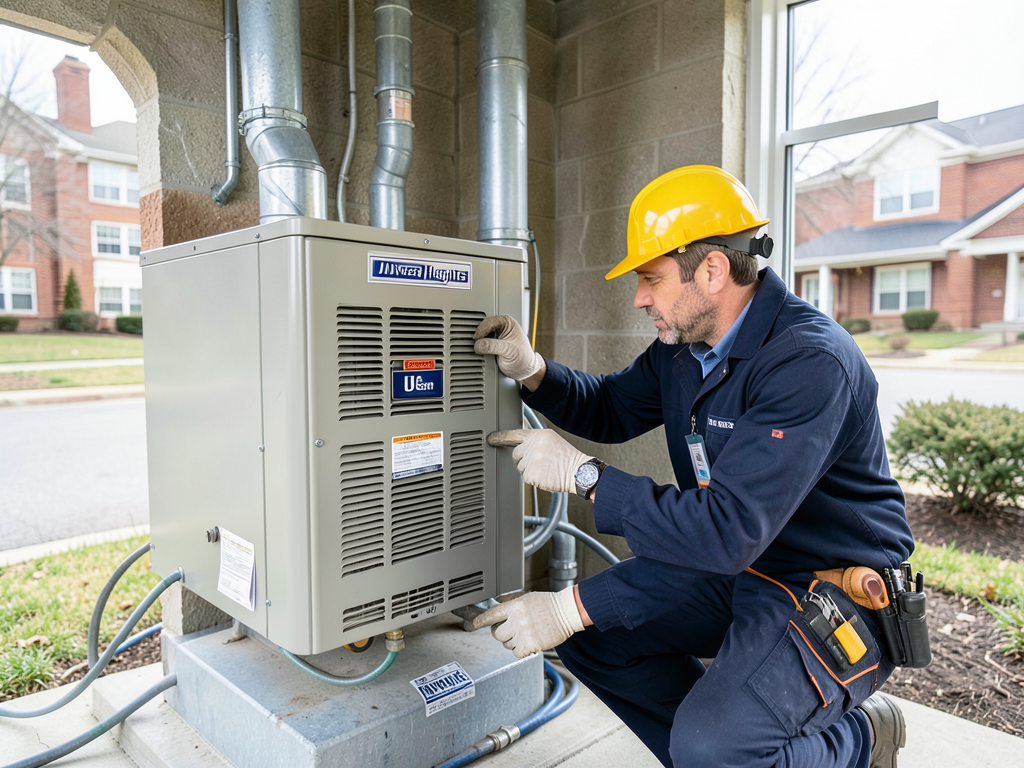
The Homeowners Guide to Buying a New HVAC System for a Rental Property in University…
Your comfort matters. Call United HVAC Buffalo now at (716) 317-7757 for emergency repairs, system replacement, or maintenance service. We respond quickly with experienced technicians ready to solve your heating and cooling problems right.