Buffalo experiences more heating degree days than 90 percent of U.S. cities, forcing furnaces to operate at capacity for months. Lake Erie moisture creates indoor humidity that corrodes heat exchangers and electrical components faster than dry climates. Homes in Kaisertown, South Buffalo, and Black Rock were built between 1920 and 1960 with radiator heating later converted to forced air. These retrofits often feature undersized ductwork, poor return air placement, and furnaces installed in damp basements that accelerate corrosion. Compounding the problem, Buffalo's electrical grid in older neighborhoods struggles to support modern high efficiency equipment, causing voltage fluctuations that damage control boards and compressors. Weekend failures spike during extreme weather because systems run continuously without the relief of milder weekday temperatures when families are at work and school.
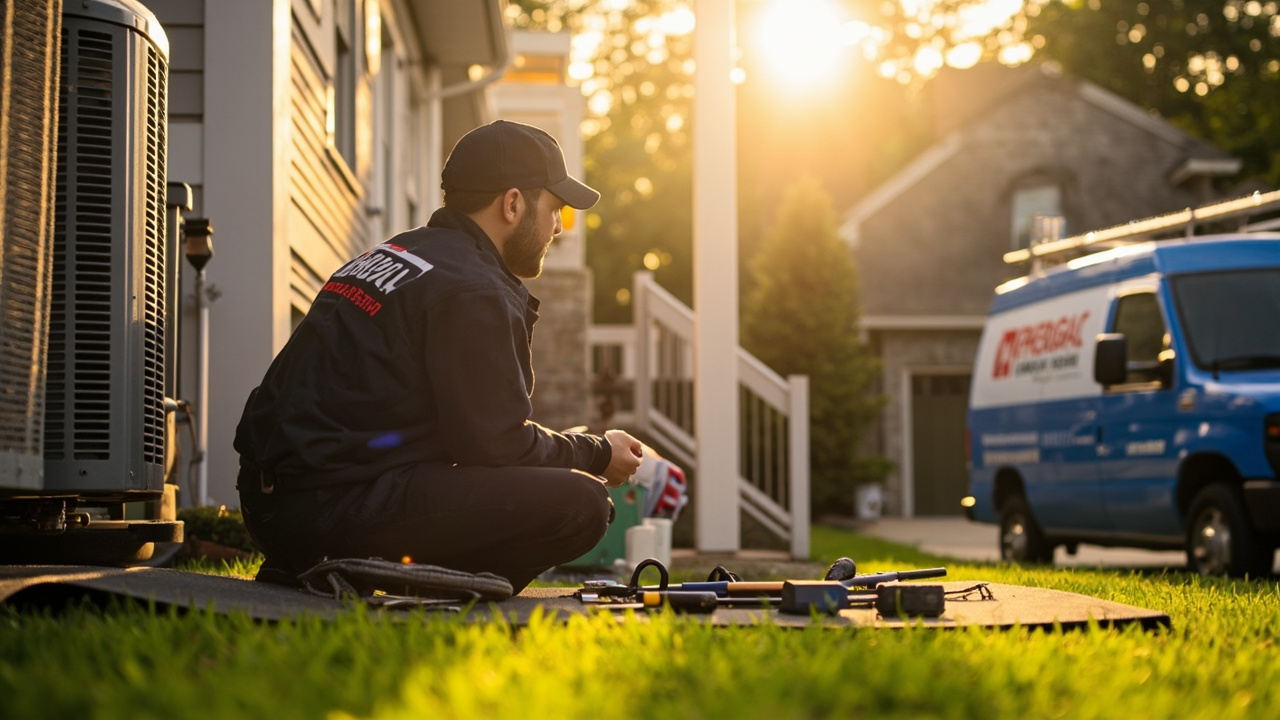
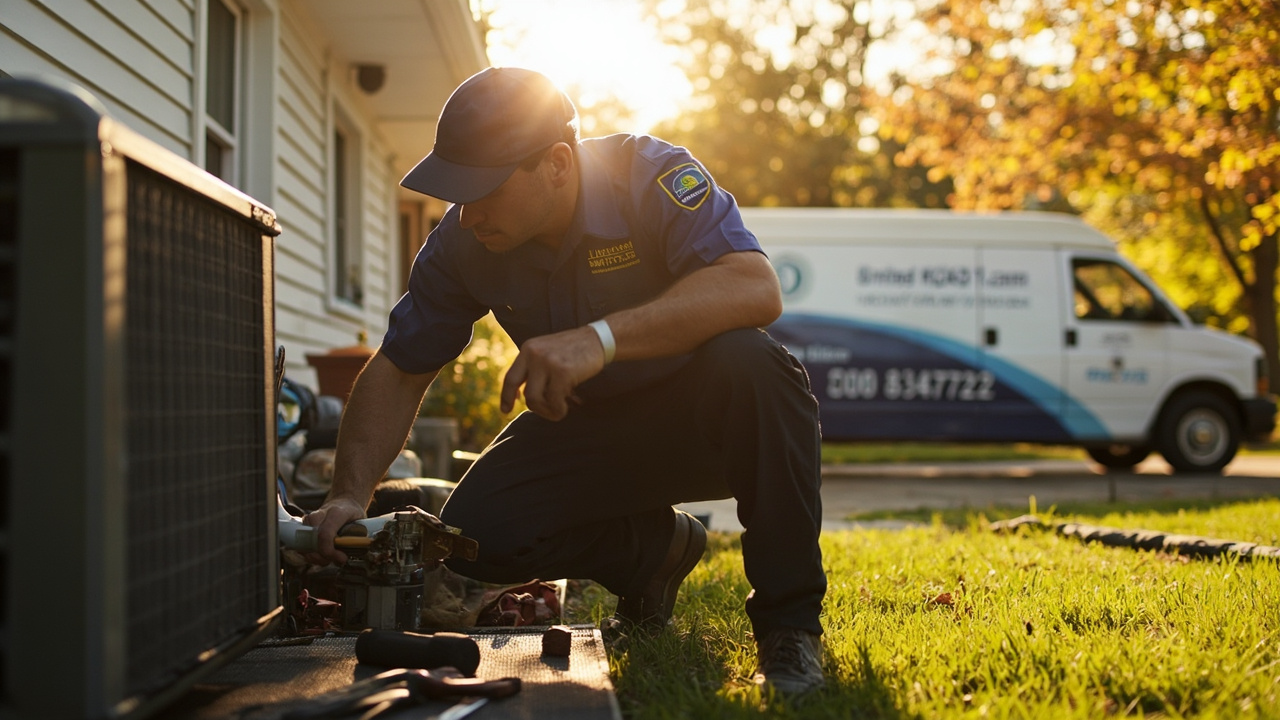
United HVAC Buffalo technicians train specifically on the HVAC challenges common to Western New York construction. We understand how to navigate tight crawl spaces in bungalows along Hertel Avenue, access furnaces in unfinished basements with low ceiling clearance in Riverside, and work around knob and tube wiring still present in older Delaware Avenue homes. Our parts inventory reflects the brands installed by local contractors over two decades. We maintain relationships with Erie County supply houses that open for emergency parts access on weekends, giving us sourcing options unavailable to out-of-area companies. This local expertise translates to faster repairs, higher first-visit success rates, and solutions tailored to Buffalo's unique combination of old housing stock and extreme weather conditions.