menu

Emergency Carbon Monoxide Leak Detection in Buffalo – Immediate Dispatch, 24/7 Expert Testing

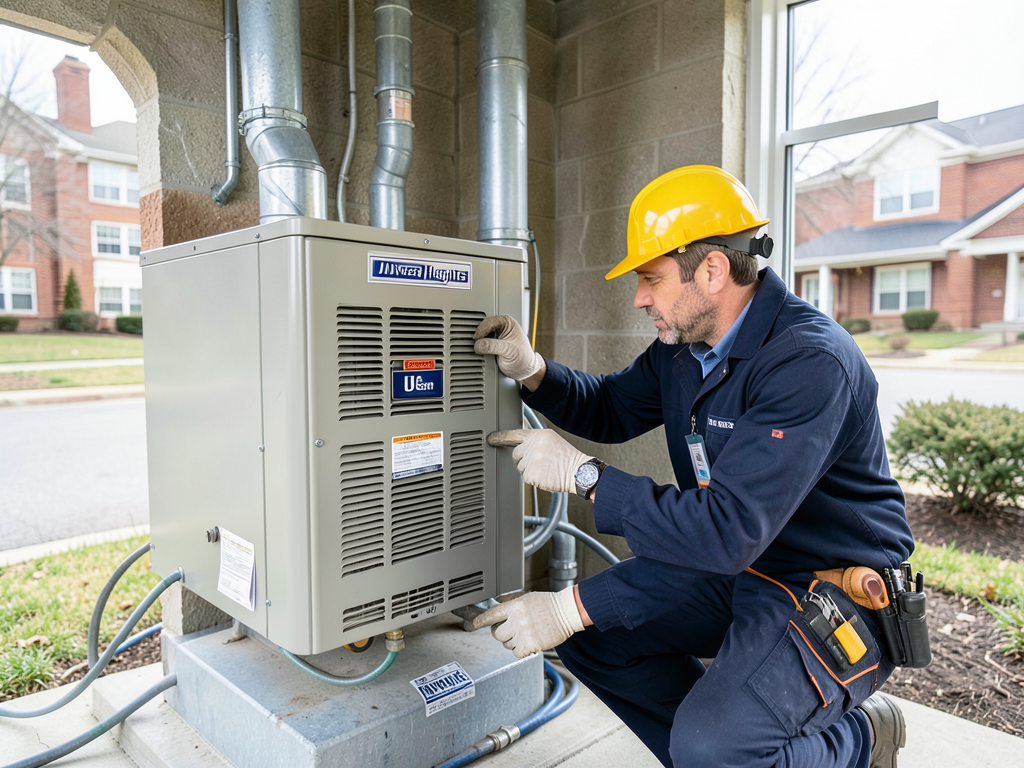
When your carbon monoxide detector alarms or you suspect a leak, United HVAC Buffalo responds immediately with certified technicians, advanced CO gas detection equipment, and emergency carbon monoxide testing to protect your family tonight.

Slider Image 1
Slider Image 2
Slider Image 3
Slider Image 4
Slider Image 5
Slider Image 7
Slider Image 8
Slider Image 9
Slider Image 10
Slider Image 11

Carbon Monoxide Is Invisible, Odorless, and Deadly in Buffalo Homes

You cannot see it. You cannot smell it. Carbon monoxide kills without warning, and Buffalo's aging housing stock makes the risk worse. Many homes in the Elmwood Village, Allentown, and North Buffalo neighborhoods were built before modern ventilation codes. Older furnaces, water heaters, and gas appliances develop cracks, corrosion, and ventilation failures that allow carbon monoxide to seep into your living space.

Buffalo's harsh winters force you to seal windows and doors tight. That same insulation that keeps heating bills down also traps carbon monoxide inside. When your furnace cycles constantly through January and February cold snaps, small leaks become life-threatening concentrations in hours.

Symptoms start mild. Headaches, dizziness, nausea, and fatigue often get mistaken for the flu. But carbon monoxide poisoning does not improve with rest. It worsens. Confusion, loss of consciousness, and death follow if the source is not found and stopped.

If your carbon monoxide detector sounds, if you feel sick only at home, or if multiple family members develop symptoms simultaneously, you need professional CO leak inspection immediately. Ventilating your home and evacuating are critical first steps, but only urgent carbon monoxide check with calibrated instruments can locate the source, measure concentrations, and verify your home is safe to re-enter.

United HVAC Buffalo dispatches certified technicians with advanced CO gas detection service equipment. We do not guess. We measure parts per million in every room, trace combustion gases to their source, and stop the leak before you return.

Carbon Monoxide Is Invisible, Odorless, and Deadly in Buffalo Homes
How Emergency CO Leak Detection Works in Buffalo Homes

How Emergency CO Leak Detection Works in Buffalo Homes

Carbon monoxide leak testing requires specialized equipment and expertise. Standard home detectors tell you there is a problem. They do not tell you where the leak originates, how severe the concentration is, or whether fixing one appliance solves the entire problem.

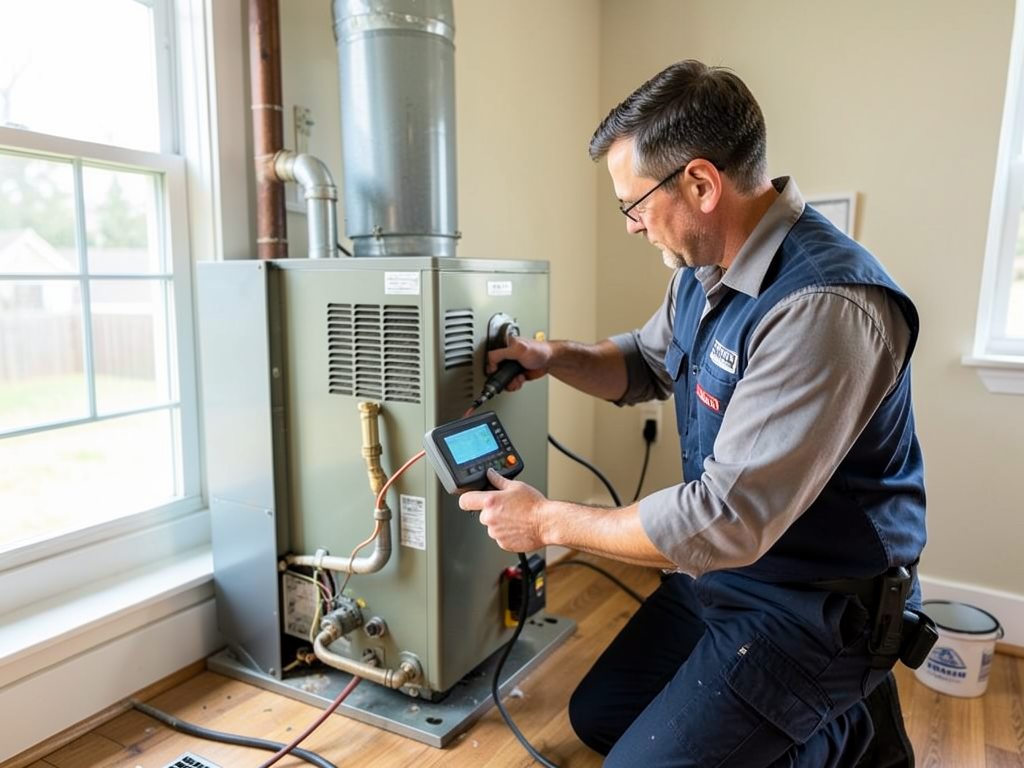
United HVAC Buffalo uses calibrated digital CO analyzers that measure concentrations in parts per million. We test ambient air in every room, focusing on bedrooms and high-occupancy areas where prolonged exposure occurs. We then inspect every fuel-burning appliance: furnaces, boilers, water heaters, gas ranges, and fireplaces.

Our technicians use combustion analyzers to test flue gases, checking for backdrafting, cracked heat exchangers, and failed ventilation systems. We inspect vent pipes for corrosion, improper installation, and blockages. Birds nest in chimneys. Ice dams block exhaust vents. These failures are common in Buffalo's climate and often invisible until professional CO leak inspection exposes them.

We also evaluate mechanical ventilation. Modern high-efficiency furnaces require proper air intake and exhaust routing. Negative pressure conditions caused by bathroom exhaust fans, range hoods, or clothes dryers can pull combustion gases back into your home. We measure pressure differentials and airflow to identify these hidden risks.

After locating the source, we provide clear next steps. Some leaks require immediate appliance shutdown and repair. Others require vent modifications or appliance replacement. We explain findings in plain language, document concentrations with printed reports, and confirm safe levels before clearing your home for re-occupancy. You get facts, not fear.

What Happens During Your Emergency Carbon Monoxide Inspection

Emergency Carbon Monoxide Leak Detection in Buffalo – Immediate Dispatch, 24/7 Expert Testing
01

Immediate Safety Assessment

Our technician arrives with calibrated CO detection instruments and begins testing ambient air levels in every room. We prioritize sleeping areas and spaces where you spend the most time. If dangerous concentrations exist, we immediately identify unsafe zones and recommend ventilation or evacuation. You receive real-time readings and clear safety instructions within minutes of our arrival.
02

Source Location and Testing

We systematically inspect every fuel-burning appliance using combustion analyzers. Furnaces, water heaters, boilers, and gas ranges all receive flue gas testing. We check heat exchangers for cracks, inspect vent pipes for blockages or corrosion, and measure draft pressure. This step identifies the exact source and severity of the carbon monoxide leak, whether it is a failed component or improper ventilation.
03

Clearance and Next Steps

After identifying the source, we provide a written report with CO concentration readings and required repairs. If the leak source can be isolated and ventilation restores safe levels, we clear your home for occupancy. If appliance repair or replacement is needed, we coordinate immediate service. You receive documentation for insurance claims and clear instructions on maintaining safe indoor air quality.

Why Buffalo Residents Trust United HVAC for CO Leak Emergencies

Carbon monoxide emergencies demand immediate response and technical expertise. United HVAC Buffalo operates 24 hours a day, seven days a week, because furnace failures and ventilation problems do not wait for business hours. We dispatch technicians within 60 minutes to homes across the greater Buffalo metro, from South Buffalo to Kenmore, from Lancaster to Cheektowaga.

Our technicians are trained in combustion analysis and carbon monoxide detection protocols. We invest in professional-grade instruments that measure CO concentrations accurately and reliably. Cheap detectors give false readings. Our equipment provides court-admissible documentation if you need proof for insurance claims or landlord disputes.

Buffalo's housing mix requires local knowledge. Victorian homes in Allentown have different ventilation challenges than post-war bungalows in Kaisertown. We understand how Buffalo's building codes evolved, where common failure points exist, and how seasonal weather patterns affect combustion appliance performance. That expertise translates to faster diagnosis and correct solutions.

We also coordinate repairs immediately. If your furnace heat exchanger is cracked, we do not leave you without heat in January. We provide temporary heating solutions, schedule expedited repair or replacement, and follow up to verify safe operation. If your water heater is backdrafting, we do not just identify the problem and walk away. We fix it or replace it, often the same day.

Trust matters in emergencies. Families across Buffalo have called us in the middle of the night when detectors alarmed and panic set in. We stop the panic with fast, competent service and clear communication.

What to Expect During Your CO Leak Detection Service

Emergency Response Time

When you call our emergency line, we dispatch a certified technician immediately. Most Buffalo-area homes receive service within 60 minutes, even during overnight hours or holidays. We understand that carbon monoxide poisoning is a medical emergency. Our technicians carry the tools and testing equipment needed to diagnose the problem on the first visit. You do not wait days for an appointment. You get help now, when it matters most.

Comprehensive Testing Protocol

Our technicians test ambient air in every room using calibrated CO analyzers, then inspect each fuel-burning appliance individually. We use combustion analyzers to measure flue gases, check for cracked heat exchangers, inspect vent pipes, and evaluate mechanical ventilation. You receive printed documentation showing CO concentrations in parts per million, location of unsafe levels, and identified sources. This is not a quick visual check. It is a thorough diagnostic procedure that locates the problem.

Clearance and Safe Re-Entry

Your home is not safe to occupy until CO levels return to safe thresholds and the source is mitigated. We ventilate your home, isolate or repair the leaking appliance, and retest ambient air before clearing your home for re-entry. You receive a written clearance report documenting safe CO levels. If repairs cannot be completed immediately, we provide clear instructions on safe appliance use and recommend temporary heating or hot water alternatives.

Ongoing Monitoring Recommendations

After resolving the immediate leak, we recommend annual combustion safety inspections to prevent future incidents. Carbon monoxide detectors should be tested monthly and replaced every five to seven years. We also provide guidance on proper appliance maintenance, vent inspections, and warning signs to watch for. Many homeowners qualify for low-cost or free CO detectors through local utility programs, and we connect you with those resources. Prevention saves lives.

Frequently Asked Questions

You Have Questions,
We Have Answers

How do you know if carbon monoxide is leaking? +

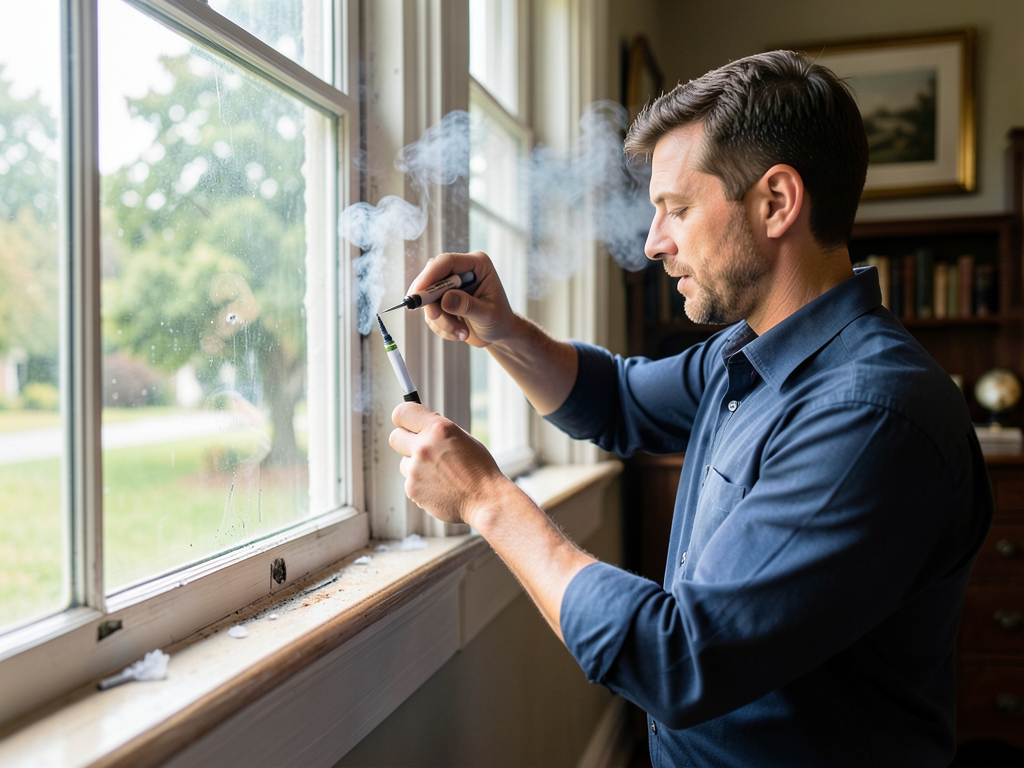
You cannot see or smell carbon monoxide, so detection requires equipment. Warning signs include a yellow or orange flame on your gas furnace instead of blue, soot buildup around appliances, or excess moisture on windows. Physical symptoms include sudden headaches, dizziness, nausea, or confusion affecting multiple people in your Buffalo home. If your CO detector alarms, evacuate immediately and call 911. Do not ignore symptoms during Buffalo's heating season when furnaces run constantly. Get professional testing if you suspect a leak. Your life depends on fast action.

How do you test for carbon monoxide leaks? +

Professional HVAC technicians use electronic carbon monoxide detectors that measure parts per million in your home's air. We test near all fuel-burning appliances including furnaces, water heaters, and gas ranges. The testing process takes 15 to 30 minutes and checks combustion efficiency and venting systems. For Buffalo homes with older heating systems or recent snow blocking exterior vents, annual testing prevents deadly exposure. You can also install plug-in or battery-powered CO alarms in bedrooms and near appliances. Professional testing catches problems before alarms sound and verifies your equipment burns fuel safely.

What are two warning signs of carbon monoxide? +

The first warning sign is physical symptoms. Multiple people experiencing sudden headaches, dizziness, nausea, weakness, or flu-like symptoms without fever indicates possible exposure. Pets may act lethargic or disoriented before humans show symptoms. The second sign is equipment malfunction. Watch for yellow or orange flames on gas appliances, excessive soot, frequent pilot light outages, or moisture condensation on walls and windows. Buffalo's cold winters force furnaces to work harder, increasing leak risk. If you notice these signs, evacuate your home immediately, call 911, and get emergency testing before returning.

Can my cell phone detect carbon monoxide? +

No. Your cell phone cannot detect carbon monoxide. Some apps claim detection capability, but they are ineffective and dangerous to rely on. CO detection requires specialized electrochemical sensors that measure gas concentration in the air. Only dedicated carbon monoxide detectors or professional testing equipment can accurately identify leaks. Do not trust your phone to protect your Buffalo home. Install UL-listed CO alarms on every floor, especially near sleeping areas and furnace rooms. Replace detector batteries twice yearly and replace the entire unit every five to seven years. Your phone is worthless in a CO emergency.

How long can you live in a house with a carbon monoxide leak? +

You cannot safely live in a house with a carbon monoxide leak. Exposure time and concentration determine survival. Low-level leaks cause symptoms within hours. High concentrations kill within minutes. CO poisoning is cumulative, so even brief exposure damages your body. Buffalo homes with blocked vents from snow or malfunctioning furnaces create fatal conditions fast. If you suspect a leak, evacuate immediately and call 911. Do not re-enter until professionals clear your home. Sleeping in a house with CO is deadly because you will not wake up. Get emergency testing now if you have any suspicion.

Can a small gas leak make you feel sick? +

Yes. Even small natural gas leaks cause headaches, fatigue, nausea, dizziness, and breathing difficulty. Natural gas contains mercaptan, which smells like rotten eggs, but you can experience symptoms before detecting the odor. Gas leaks also displace oxygen in enclosed spaces, worsening symptoms. Buffalo's tight home construction for energy efficiency traps gas faster. Infants, elderly residents, and people with respiratory conditions suffer symptoms first. If you smell gas or feel sick near appliances, evacuate immediately and call your gas company or 911. Do not use light switches, phones, or anything creating sparks. Get professional leak detection before returning.

How quickly will you know if you have carbon monoxide poisoning? +

Symptom onset depends on carbon monoxide concentration. At 50 parts per million, you feel symptoms within one to two hours. At 200 ppm, you experience headaches and dizziness within 30 minutes. At 400 ppm, life-threatening symptoms occur within 15 minutes. At 800 ppm or higher, you lose consciousness and die within minutes. Buffalo homes with malfunctioning furnaces during winter create high concentrations fast. If multiple people feel suddenly ill, especially with headaches or nausea, evacuate immediately. Do not wait to confirm CO poisoning. Get fresh air and call 911. Minutes matter in survival.

Is it possible to test for CO at home? +

Yes. Install carbon monoxide detectors throughout your Buffalo home. Place alarms on every floor, outside sleeping areas, and near fuel-burning appliances. Digital detectors show real-time CO levels. Test detectors monthly by pressing the test button. Replace batteries twice yearly and replace units every five to seven years. Detectors provide warning before dangerous concentrations accumulate. However, home alarms only alert you to existing problems. Schedule annual professional inspections of your furnace, water heater, and venting systems. Buffalo's harsh winters stress heating equipment, increasing leak risk. Prevention through maintenance beats detection through alarms.

Can I call the fire department to check for carbon monoxide? +

Yes. Buffalo Fire Department responds to carbon monoxide emergencies 24 hours daily. If your detector alarms or you suspect a leak, call 911 immediately. Firefighters arrive with professional CO detection equipment and clear your home before you re-enter. This service is free and potentially lifesaving. However, fire crews identify leaks but do not repair equipment. After they confirm safe levels, you need a licensed HVAC technician to locate and fix the source. Do not feel embarrassed calling for help. False alarms are better than fatalities. Buffalo firefighters prefer checking ten false alarms over one poisoning death.

How can you tell if there's carbon monoxide without an alarm? +

You cannot reliably detect carbon monoxide without an alarm. Watch for physical symptoms including sudden headaches, dizziness, nausea, confusion, or weakness affecting multiple people. Check your furnace flame, which should burn blue. Yellow or orange flames indicate incomplete combustion producing CO. Look for soot streaks around appliances, excessive humidity, or frequent pilot light outages. Buffalo's heating season increases risk when snow blocks exterior vents or furnaces malfunction. If you suspect exposure, evacuate immediately and call 911. Install CO detectors today. Trying to detect this invisible killer without equipment is gambling with your life.

Why Buffalo's Heating Season Makes Carbon Monoxide Detection Critical

Buffalo's heating season runs from October through April, forcing furnaces and boilers to cycle almost continuously for six months. That constant operation accelerates wear on heat exchangers, exhaust vents, and combustion chambers. Older cast iron furnaces develop cracks. High-efficiency condensing units experience vent pipe corrosion from acidic condensation. Lake-effect snow buries exhaust vents on sidewalls and roofs, blocking flue gases and forcing carbon monoxide back into your home. These conditions are not theoretical. They happen every winter in Buffalo, and professional CO leak inspection is the only way to catch failures before they become fatal.

United HVAC Buffalo has served the greater Buffalo metro for years, responding to emergency carbon monoxide calls across city neighborhoods and surrounding suburbs. We understand local building codes, recognize the unique risks of Buffalo's historic housing stock, and maintain relationships with local fire departments and emergency responders. When you call us, you work with technicians who know Buffalo homes, not a national chain dispatching contractors from out of town. That local expertise means faster diagnosis, correct solutions, and follow-through you can count on.
HVAC Services in The Buffalo Area

We are proud to serve the entire Buffalo area and its surrounding communities with our expert HVAC services. Our centrally located team allows us to respond quickly to your needs, whether you are in the city or a nearby suburb. We are committed to being your local, trusted resource for all things heating and cooling, and we look forward to serving you right where you are.

Address:
United HVAC Buffalo, 360 Delaware Ave, Buffalo, NY, 14202

Additional Services We Offer

Our news updates

Latest Articles & News from The Blogs

Managing Excessive Dust in Your South Buffalo Home During High Wind Events South Buffalo homes face unique dust challenges when…

Managing Excessive Dust in Your South Buffalo Home During High Wind Events

Managing Excessive Dust in Your South Buffalo Home During High Wind Events South Buffalo homes face unique dust challenges when…

Is it Better to Pay for a Monthly HVAC Maintenance Plan or Just Call When Something Breaks?

Is it Better to Pay for a Monthly HVAC Maintenance Plan or Just Call When Something Breaks? When your furnace…

The Homeowners Guide to Buying a New HVAC System for a Rental Property in University Heights

The Homeowners Guide to Buying a New HVAC System for a Rental Property in University Heights University Heights landlords face…

Contact Us

If your carbon monoxide detector is alarming or you suspect a leak, evacuate immediately and call (716) 317-7757. Our emergency technicians dispatch now, test thoroughly, and restore safety to your Buffalo home tonight. Do not wait. Carbon monoxide kills.