menu

Noisy AC or Heater in Buffalo – We Diagnose the Real Problem Fast

When your furnace rattles or your air conditioner screams, you need precision diagnosis in hours, not days. United HVAC Buffalo identifies the exact source of noisy HVAC systems and stops the racket before it becomes a breakdown.

Slider Image 1
Slider Image 2
Slider Image 3
Slider Image 4
Slider Image 5
Slider Image 7
Slider Image 8
Slider Image 9
Slider Image 10
Slider Image 11

Why Your HVAC System Is So Loud in Buffalo Homes

You hear it at night when the furnace kicks on. A grinding sound. A high-pitched squeal. A rhythmic banging that wakes you up. Your loud heater or air conditioner making noise is not background hum anymore. It is disruptive, and it signals a mechanical issue that will worsen.

Buffalo's brutal freeze-thaw cycles stress HVAC components harder than temperate climates. Your furnace runs heavy from October through April. The blower motor, heat exchanger, and ductwork expand and contract constantly. This cycling causes mounting brackets to loosen, bearings to wear, and metal panels to vibrate. A noisy hvac system here is often a symptom of thermal fatigue.

Summer humidity compounds the problem. Air conditioners pull moisture from the air, and condensate drains clog with algae and sediment. When the drain pan overflows, water drips onto the blower assembly. Wet bearings grind. Wet fan blades wobble. What starts as a faint rattle becomes a loud air conditioner that cycles off prematurely.

Older homes near the Elmwood Village or Allentown have undersized ductwork retrofitted for central air. When the blower pushes air through narrow ducts, you get whistling, popping, and sheet metal flex noise. Add loose screws or a cracked heat exchanger, and you have a furnace making noise that echoes through every register.

Ignoring these sounds does not make them go away. It makes the repair more expensive. A worn bearing destroys a blower motor. A cracked heat exchanger leaks carbon monoxide. The noise is your early warning system.

Why Your HVAC System Is So Loud in Buffalo Homes
How We Isolate the Source of HVAC Noise Accurately

How We Isolate the Source of HVAC Noise Accurately

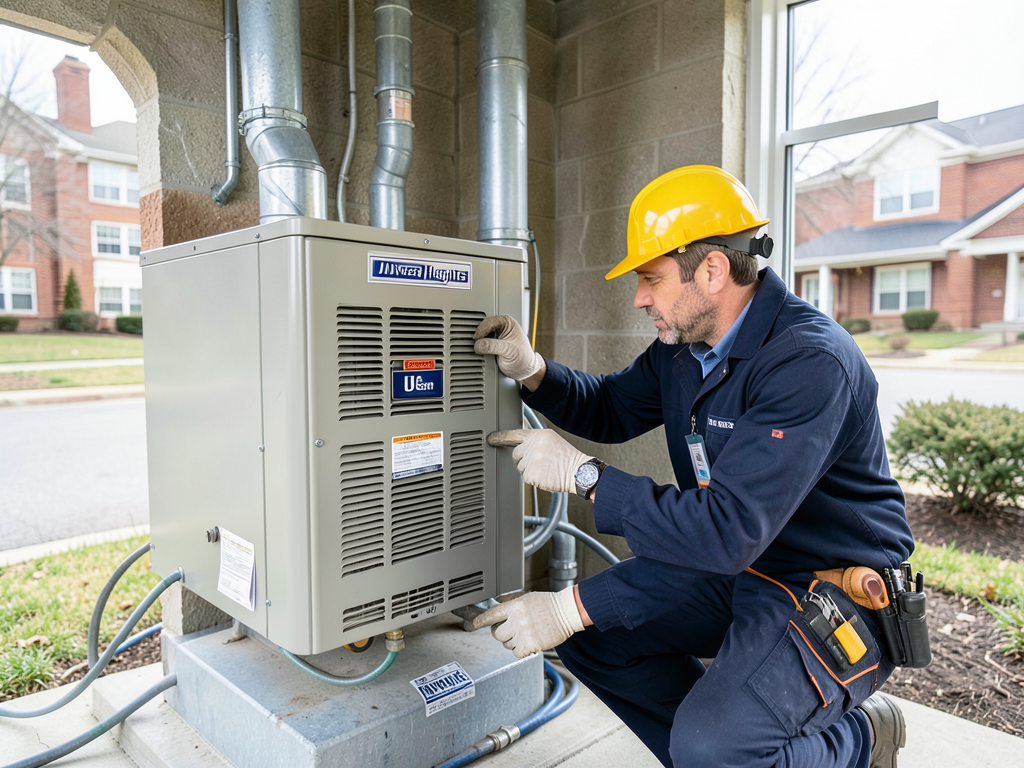
Most techs listen for a second, guess at the part, and swap it. We do not operate that way. Our diagnostic protocol isolates the exact failure point before we pull a wrench.

We start with a blower door test to measure system airflow and static pressure. High static pressure means restricted airflow, which forces the blower to work harder and louder. We check filter condition, duct dampers, and return air pathways. If the blower is screaming, it is often starved for air.

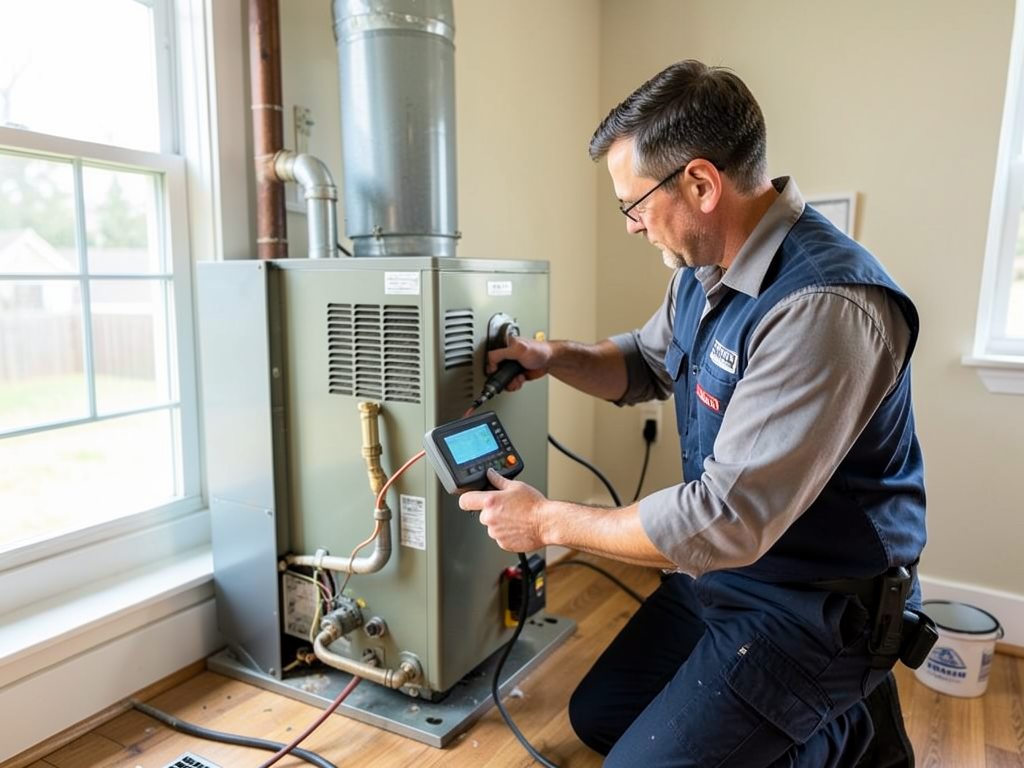
Next, we inspect the blower assembly with the panel off and the system running. We measure motor amperage and compare it to the nameplate rating. High amperage indicates bearing drag or capacitor failure. We check for loose set screws on the blower wheel and inspect the wheel itself for dirt buildup or imbalance. A quarter-inch of dust on the blower wheel creates vibration that sounds like a freight train.

For furnaces making noise during ignition or burner operation, we inspect the heat exchanger with a borescope camera. Cracks in the exchanger cause a rumbling or popping sound as hot combustion gases leak into the blower chamber. We also check for delayed ignition, which causes a loud boom when gas finally lights.

For air conditioners, we measure refrigerant pressures and inspect the compressor mounts. A loud air conditioner at startup often has a failing compressor or worn rubber isolators. We check the condenser fan blade for cracks and the motor bearings for play.

We document every finding with photos and measurements. You see exactly what failed and why. No upselling. No guessing. Just accurate diagnosis and a repair plan that fixes the noise permanently.

What Happens When You Call About a Noisy System

Noisy AC or Heater in Buffalo – We Diagnose the Real Problem Fast
01

Same-Day Diagnostic Visit

You call, and we schedule a diagnostic appointment within hours, not days. Our technician arrives with a full set of metering tools, a borescope camera, and replacement parts for common noise issues. We listen to the system under normal operating conditions and replicate the noise you describe. You show us when it happens, and we confirm the symptom before we start disassembly.
02

Component-Level Inspection

We remove access panels and inspect every moving part: blower wheel, motor bearings, inducer assembly, compressor mounts, and ductwork connections. We measure electrical draw and refrigerant pressures. We use a decibel meter to quantify the noise level and determine if it exceeds manufacturer specs. You get a written report with photos of the worn components and a repair quote with no markup surprises.
03

Repair and Noise Verification

Once you approve the repair, we replace the failed component and verify the noise is gone. We run the system through a full heating or cooling cycle and measure sound levels again. You hear the difference immediately. We reassemble everything, vacuum debris, and leave your mechanical room cleaner than we found it. The noise does not come back because we fixed the root cause, not the symptom.

Why Buffalo Homeowners Trust Us With Loud HVAC Problems

You need someone who has seen every permutation of noisy hvac system failures in Buffalo's climate. We have worked in drafty Victorians with gravity furnaces converted to forced air. We have diagnosed loud air conditioners in North Buffalo bungalows with undersized ducts. We have replaced cracked heat exchangers in Amherst split-levels where the furnace ran 18 hours a day.

We understand how Buffalo's weather accelerates wear. The lake effect snow means your furnace cycles more frequently than units downstate. The summer humidity clogs condensate drains faster. The freeze-thaw cycles loosen mounting hardware. We account for these local stressors in every diagnosis.

Our technicians are not paid on commission. They do not upsell you a new system when a blower motor and cleaning would solve the problem. We show you the failed part and explain why it failed. If your system is 20 years old and the compressor is shot, we will recommend replacement. If your system is eight years old and needs a capacitor, we replace the capacitor.

We stock OEM parts for Carrier, Trane, Lennox, Rheem, and Goodman units on every truck. We do not leave your home to hunt down a part. We fix it the first visit.

We also know Buffalo's building codes. If your noisy heater is a result of improper ductwork installation, we will point it out and recommend the correct fix. We do not band-aid code violations. We correct them so your system runs quietly and safely.

When you call United HVAC Buffalo, you get a technician who listens, diagnoses accurately, and fixes the problem correctly the first time. No drama. No surprises. Just quiet, efficient HVAC performance.

What to Expect During a Noisy HVAC Service Call

Response Time and Availability

We schedule diagnostic visits within 24 hours, and same-day service is available for most calls placed before noon. If your loud heater or air conditioner making noise is disrupting sleep or daily routines, we prioritize your appointment. Our techs arrive in a two-hour window and call 30 minutes ahead. We work evenings and weekends to accommodate your schedule. Emergency service for furnaces making noise in winter is available after hours, because we know a failing furnace in January cannot wait until Monday.

Diagnostic Process and Transparency

We run the system and listen with you present. We explain what we hear and what it indicates. You watch us measure pressures, check electrical draw, and inspect components. We take photos of worn parts and show you the damage on your phone. You get a written diagnostic report with the failure mode, the root cause, and the recommended repair. We quote the repair on-site with parts and labor broken out separately. No hidden fees. No diagnostic charge if you approve the repair the same day.

Repair Quality and Results

We use OEM or equivalent-grade parts, not bargain-bin replacements. Blower motors get new mounting hardware and are dynamically balanced before reinstallation. Compressors are vacuum-tested and charged to exact subcooling specs. Heat exchangers are pressure-tested after replacement. We verify the noise is eliminated before we leave. You sign off on the work only after you hear the difference. If the noise returns within 30 days due to our error, we come back and fix it at no charge. The system runs quietly because we fixed the actual failure, not a guess.

Preventive Maintenance and Longevity

After the repair, we recommend a maintenance schedule to prevent future noise. Blower assemblies need annual cleaning in Buffalo because of dust and pet dander. Condensate drains need algae treatment before cooling season. Bearings need lubrication on older motors. We offer service plans that include two visits per year: one before heating season and one before cooling season. Members get priority scheduling and discounted repairs. Preventive maintenance catches small issues before they become loud, expensive failures. A well-maintained system runs quieter, uses less energy, and lasts longer.

Frequently Asked Questions

You Have Questions,
We Have Answers

Why is my AC so loud all of a sudden? +

A sudden loud AC means something changed inside the system. Loose fan blades create banging or rattling sounds. A failing compressor makes grinding or screeching noises. Debris stuck in the outdoor unit causes clanking. Worn bearings in the blower motor produce squealing. Buffalo's freeze-thaw cycles can loosen mounting hardware over time, causing vibration noise. Refrigerant leaks sometimes create hissing sounds. Ductwork expanding and contracting makes popping noises during startup. Turn off your system immediately if you hear metal-on-metal grinding. Continuing to run a loud AC can turn a minor repair into a complete system replacement. A technician can diagnose the exact source during an inspection.

What is the 3 minute rule for AC? +

The 3 minute rule protects your compressor from damage. After your AC shuts off, wait at least three minutes before restarting it. This waiting period allows refrigerant pressure to equalize throughout the system. Starting too soon forces the compressor to work against high pressure, which can burn out the motor. Buffalo homeowners often violate this rule during power outages or when adjusting thermostats repeatedly. Modern systems have time-delay relays built into the circuit board to enforce this wait automatically. If your system tries to restart immediately and makes clicking sounds without starting, the relay is working correctly. Never override this safety feature.

What is the $5000 AC rule? +

The 5000 dollar AC rule is an IRS guideline for when you must capitalize a repair versus expensing it. If your AC repair costs exceed this threshold, the IRS may consider it a system replacement, requiring you to depreciate the cost over several years instead of deducting it immediately. This matters more for Buffalo rental property owners than homeowners. Replacing a compressor, evaporator coil, and air handler together often crosses this line. The rule changed in 2016, raising the threshold from 2500 dollars. Your tax advisor should review major HVAC expenses. This is a tax strategy question, not an HVAC performance issue.

What does an AC compressor sound like when it's going out? +

A dying compressor makes distinct sounds before it fails completely. Grinding noises mean internal bearings are wearing out. Clicking without the unit starting indicates electrical failure or a seized motor. Rattling or banging suggests loose internal components bouncing around the housing. Screaming or screeching points to extremely high pressure from a refrigerant restriction. Buffalo's temperature swings stress compressors harder than mild climates, accelerating wear. Some compressors make a loud humming sound but fail to start, which means the motor is locked up. If you hear any of these sounds, shut down your system immediately to prevent further damage. Compressor replacement is expensive.

How to tell if an AC blower motor is going out? +

A failing blower motor shows several warning signs before it quits. Weak airflow from your vents means the motor struggles to spin at full speed. Squealing or screeching noises indicate worn bearings that need lubrication or replacement. The motor overheating and triggering the limit switch causes short cycling. You might smell burning plastic or electrical odors from overheated windings. Higher electric bills appear when the motor draws more amperage while working harder. Buffalo's humid summers make motors work overtime, shortening their lifespan. Some motors make humming sounds without spinning, which means the capacitor failed. Check your air filter first because a clogged filter mimics these symptoms.

How much does it cost to replace a capacitor in an AC unit? +

Capacitor replacement typically costs between 150 and 400 dollars for parts and labor. The capacitor itself is cheap, usually 20 to 50 dollars. You pay mostly for the technician's diagnostic time, travel, and expertise. Dual capacitors that serve both the compressor and fan motor cost more than single capacitors. Emergency service calls on weekends or holidays increase the price. Buffalo HVAC companies charge similar rates to other Northeast markets. Some contractors include capacitor testing during routine maintenance, catching failures before they strand you without cooling. Capacitors wear out every 5 to 10 years in our climate. Never attempt DIY capacitor work because they store lethal voltage even when power is off.

What are signs of a failing AC compressor? +

Failing compressors give you multiple warnings before total breakdown. Hard starting with lights dimming when the unit tries to turn on means electrical struggle. Warm air from your vents despite the system running indicates the compressor cannot pump refrigerant. Circuit breakers tripping repeatedly point to electrical overload from a failing motor. Loud clanking, grinding, or rattling noises signal internal mechanical damage. Reduced cooling capacity where your home never reaches set temperature shows declining compression. Buffalo homeowners often mistake compressor failure for low refrigerant, but they are different problems. Higher electric bills appear as the compressor works harder while accomplishing less. Professional diagnosis prevents misdiagnosis and wasted money.

How cool should my house be if it's 100 outside? +

Your AC should maintain an indoor temperature 15 to 20 degrees cooler than outside. When it hits 100 degrees outdoors, expect your Buffalo home to reach 80 to 85 degrees at best. Residential AC systems are not designed to create larger temperature differentials. Trying to force your thermostat to 70 during extreme heat overworks the compressor and wastes energy. Proper insulation and sealed windows help your system perform better. Close blinds during peak sun hours to reduce heat gain. Run ceiling fans to improve comfort without lowering the thermostat. If your home stays above 85 when it is 100 outside, you might have refrigerant issues or undersized equipment.

Why is my AC set at 74 but reads 78? +

A 4 degree gap between your thermostat setting and actual temperature points to system capacity problems. Your AC cannot remove heat fast enough to keep pace with heat gain. Causes include low refrigerant from a leak, which reduces cooling power. Dirty evaporator or condenser coils restrict heat transfer. Undersized equipment for your home's square footage struggles during hot days. Thermostat placement near heat sources like windows or appliances gives false readings. Buffalo's humid summer days make your AC work harder because it must remove moisture and heat. Ductwork leaks waste cooled air before it reaches living spaces. A blower motor running at reduced speed moves less air across coils.

Can I write off my new AC unit on my taxes? +

You can claim a federal tax credit for qualifying high-efficiency AC units. The Inflation Reduction Act allows up to 30 percent of equipment and installation costs, capped at 2000 dollars for heat pumps or central AC systems. The unit must meet specific SEER2 ratings to qualify. Buffalo homeowners can also claim New York State clean heating and cooling rebates that stack with federal credits. Keep all receipts and the manufacturer's certification statement for your tax preparer. Standard efficiency replacements do not qualify. Medical necessity deductions exist separately if a doctor prescribes AC for specific health conditions. Consult a tax professional because rules change frequently and depend on your specific situation.

How Buffalo's Heating Demands Accelerate Noisy HVAC Failures

Buffalo furnaces run longer and harder than systems in milder climates. From late October through early April, your furnace cycles 10 to 15 times per day, every day. That is 1,500 heating cycles per winter. Blower bearings wear faster. Inducer motors accumulate carbon buildup. Heat exchangers flex and crack from thermal stress. A furnace making noise in Buffalo is often a direct result of extended runtime and temperature swings. Lake effect snow dumps moisture into attics and crawlspaces, causing ductwork to sweat and sheet metal to corrode. Rusted duct joints vibrate and rattle. Corroded blower wheels become unbalanced. The noise you hear is mechanical fatigue accelerated by Buffalo's relentless cold.

Choosing a local HVAC contractor means working with technicians who understand these stressors. We have diagnosed noisy systems in every Buffalo neighborhood, from the drafty Victorians in Allentown to the 1960s ranches in Cheektowaga. We know which brands hold up in high-cycle environments and which fail prematurely. We know how Buffalo's building codes impact ductwork installation and combustion air requirements. We stock parts for the furnace and air conditioner models most common in this region. When you call United HVAC Buffalo, you get a technician who has solved your exact problem 50 times before. That local experience translates to faster diagnosis, accurate repairs, and systems that stay quiet through another Buffalo winter.

HVAC Services in The Buffalo Area

We are proud to serve the entire Buffalo area and its surrounding communities with our expert HVAC services. Our centrally located team allows us to respond quickly to your needs, whether you are in the city or a nearby suburb. We are committed to being your local, trusted resource for all things heating and cooling, and we look forward to serving you right where you are.

Address:
United HVAC Buffalo, 360 Delaware Ave, Buffalo, NY, 14202

Additional Services We Offer

Our news updates

Latest Articles & News from The Blogs

Why You Should Clear Fallen Leaves Away from Your Outdoor AC Unit in Larkinville Fallen leaves accumulating around your outdoor…

Why You Should Clear Fallen Leaves Away from Your Outdoor AC Unit in Larkinville

Why You Should Clear Fallen Leaves Away from Your Outdoor AC Unit in Larkinville Fallen leaves accumulating around your outdoor…

Making Your Second Floor Dormer Bedroom Actually Comfortable During a Heatwave

Making Your Second Floor Dormer Bedroom Actually Comfortable During a Heatwave Your dormer bedroom on the second floor feels like…

Why New Homes in Clarence Center Still Struggle with Basement Humidity

Why New Homes in Clarence Center Still Struggle with Basement Humidity New construction in Clarence Center comes with an unexpected…

Contact Us

Your loud air conditioner or furnace making noise will not fix itself. Call United HVAC Buffalo now at (716) 317-7757 for same-day diagnostics. We identify the problem, explain the fix, and restore quiet comfort fast. No guessing. No upselling. Just accurate repairs.