

menu

Excess Dust in Home in Buffalo – Expert Diagnostics That Fix the Root Cause

If you notice constant dust in house no matter how often you clean, your HVAC system may be circulating contaminated air. United HVAC Buffalo identifies the exact source of excessive house dust and eliminates it at the filter, duct, or airflow level.

Slider Image 1
Slider Image 2
Slider Image 3
Slider Image 4
Slider Image 5
Slider Image 7
Slider Image 8
Slider Image 9
Slider Image 10
Slider Image 11

Why Buffalo Homes Battle Constant Dust Buildup Year-Round

You dust on Sunday. By Tuesday, surfaces are covered again. You see too much dust in home even when windows stay closed. This is not normal, and it is not about your cleaning habits.

Buffalo's freeze-thaw cycles create unique conditions for heavy dust buildup. When outdoor temperatures swing from below freezing to above 40 degrees in a single day, your home's envelope contracts and expands. This movement pulls outdoor particulates through tiny gaps around windows, doors, and foundation joints. Once inside, that dust circulates through your HVAC system.

The seasonal heating cycle compounds the problem. Forced air systems push air through ductwork that may not have been cleaned in years. Filters rated at MERV 8 or lower allow fine particles to pass through. Leaky return ducts in basements or crawl spaces draw in fiberglass insulation fragments, drywall dust, and concrete particulates. Every heating cycle redistributes these contaminants across your living spaces.

Buffalo's older housing stock adds another layer. Homes built before 1980 often have uninsulated ductwork in unconditioned spaces. These ducts accumulate decades of debris. When the blower activates, that debris becomes airborne. If you notice unusually dusty home conditions during heating season, the ductwork is the first place to investigate.

Humidity fluctuations also play a role. Winter indoor humidity drops below 30 percent in most Buffalo homes. Dry air causes skin cells, fabric fibers, and hair to break apart into finer particles. Your HVAC system then redistributes these particles. The result is a layer of dust that reappears within hours of cleaning.

Why Buffalo Homes Battle Constant Dust Buildup Year-Round
How United HVAC Buffalo Eliminates Dust at the Source

How United HVAC Buffalo Eliminates Dust at the Source

Generic advice tells you to change your filter and vacuum more. That does not solve excessive house dust caused by system-level failures.

We start with blower door diagnostics to measure envelope leakage. A reading above 2,000 CFM50 indicates your home is pulling in outdoor air and particulates faster than your HVAC filter can capture them. We identify the specific leak points around rim joists, attic hatches, and recessed lighting. Sealing these entry points cuts dust infiltration immediately.

Next, we perform a duct leakage test using a calibrated fan. If total duct leakage exceeds 10 percent of system airflow, you are circulating attic dust, basement particulates, or crawl space debris. We seal supply and return ducts with mastic and foil tape at joints, boot connections, and plenum seams. This eliminates the path for contaminated air to enter your breathing zone.

Filter media matters. Standard fiberglass filters capture only large particles. We install MERV 13 pleated filters that trap pollen, mold spores, and fine dust down to 0.3 microns. If your system cannot handle the static pressure of a MERV 13 filter, we upgrade the blower motor or resize the filter rack.

We also inspect the return air pathway. Many Buffalo homes have a single return grille, often located in the hallway. This forces the system to pull air from gaps around doors and windows, bringing dust with it. We add return air grilles in bedrooms and living areas to balance airflow and reduce negative pressure.

Finally, we check blower wheel buildup. A coated blower wheel reduces airflow by up to 30 percent, forcing the system to run longer cycles. Longer cycles mean more dust circulation. We clean the wheel and verify CFM output matches the design specification.

What Happens During Your Dust Elimination Service

Excess Dust in Home in Buffalo – Expert Diagnostics That Fix the Root Cause
01

Airflow and Pressure Diagnostics

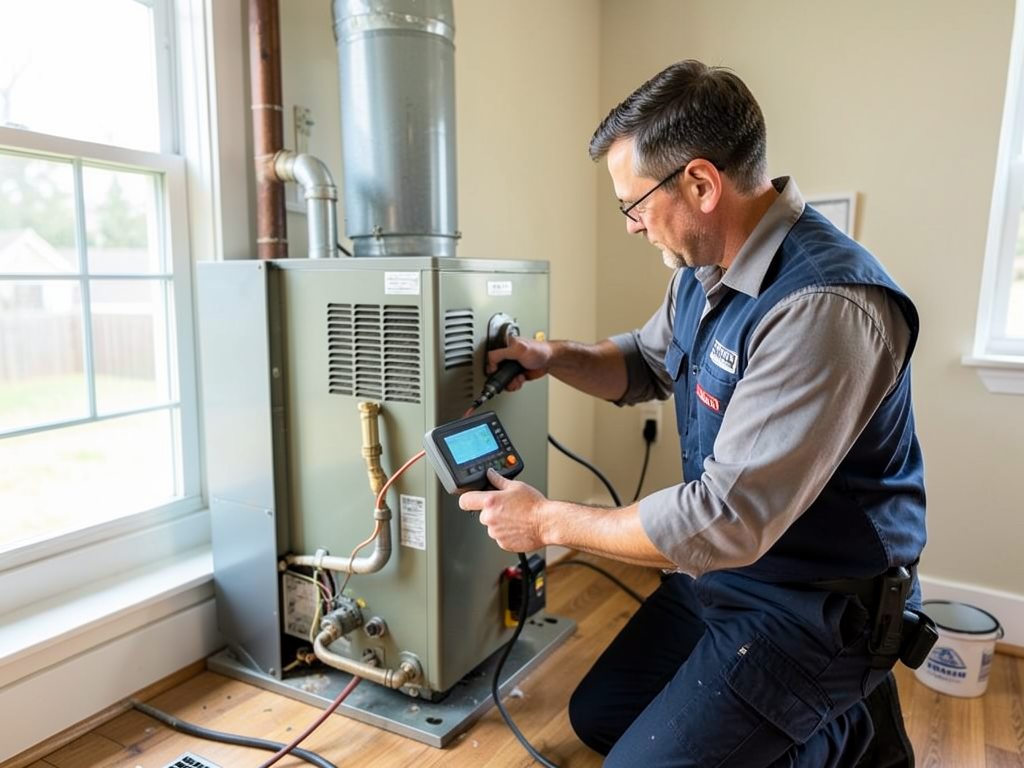
We measure static pressure at the filter, supply plenum, and return plenum using a digital manometer. High static pressure indicates a clogged filter, undersized ductwork, or closed dampers. We also test for negative pressure in individual rooms. If a bedroom shows negative pressure relative to the hallway, it is pulling dusty air through construction gaps. These measurements pinpoint exactly where your system is pulling in or redistributing particulates.
02

Duct Inspection and Sealing

We visually inspect accessible ductwork with a borescope camera to document debris, biological growth, or disconnected sections. We seal visible gaps with mastic and embedded mesh. For hidden ductwork, we use Aeroseal duct sealing technology, which injects polymer particles into the pressurized system. The particles migrate to leak points and seal them from the inside. This process reduces duct leakage by up to 90 percent and eliminates the dusty air pathway.
03

Filter Upgrade and Verification

After sealing leaks, we install a high-efficiency filter matched to your blower capacity. We retest static pressure to confirm the system can handle the denser media without strain. We verify airflow at each register using an anemometer to ensure balanced distribution. You receive a written report showing before and after duct leakage, static pressure readings, and filter MERV rating. Most clients notice a reduction in constant dust in house within 48 hours.

Why Buffalo Homeowners Trust United HVAC Buffalo for Dust Solutions

Dust problems require diagnostic equipment, not guesswork. United HVAC Buffalo uses the same blower door and duct testing protocols required by the Building Performance Institute. We do not upsell duct cleaning unless the camera inspection shows visible debris. We do not replace equipment unless airflow testing proves the existing system cannot support proper filtration.

Buffalo's housing diversity demands adaptable solutions. A 1920s bungalow in Elmwood Village has different duct challenges than a 1980s ranch in Cheektowaga. Older homes often have uninsulated trunk lines in vented crawl spaces. Newer homes may have flex duct with compression at corners. We adjust our approach based on the construction type, insulation quality, and existing HVAC configuration.

We also understand local code requirements. Buffalo adopted the 2020 IECC energy code, which mandates duct leakage testing for new installations and major renovations. If your home was recently remodeled and you now have heavy dust buildup, the contractor may have left duct connections unsealed. We provide third-party verification and remediation that satisfies code inspectors.

Our clients value transparency. You receive digital photos of every duct leak, filter condition, and blower wheel before we start work. You see the static pressure readings and airflow measurements in writing. If a duct cleaning company quoted you a flat rate without inspecting your system, you are paying for a service you may not need. We charge based on measured leakage and documented contamination.

We also address the underlying causes. If your basement floods during spring thaw and you notice unusually dusty home conditions afterward, we check for mold growth in the return plenum. If you remodeled and added recessed lighting, we verify those penetrations are sealed. Fixing dust means fixing the building envelope and the HVAC system together.

What to Expect When You Schedule a Dust Diagnostic

Same-Week Diagnostic Availability

We schedule diagnostics within three business days of your call. Most appointments take 90 to 120 minutes. We arrive with calibrated manometers, infrared cameras, and duct inspection equipment. You do not need to prepare your home beyond providing access to the furnace, all return grilles, and the attic hatch if applicable. If you call on Monday, we can typically arrive by Thursday. Emergency dust issues caused by recent renovations or water intrusion can be prioritized for next-day service during non-winter months.

Comprehensive System Assessment

The diagnostic includes static pressure measurement, blower door testing, and duct leakage quantification. We photograph filter condition, blower wheel buildup, and any visible duct disconnections. We test airflow at each register and measure room-to-room pressure differentials. You receive a printed report with photos, test data, and a prioritized repair list. We explain which repairs eliminate too much dust in home immediately and which provide incremental improvement. You decide what gets fixed and when. No high-pressure sales, no same-day signatures required.

Measurable Results Within Days

After duct sealing and filter upgrades, most clients report less surface dust within 48 hours. Homes with severe leakage may require additional envelope sealing around windows or foundation joints. We provide specific guidance based on your blower door results. If dust levels do not improve after our work, we return to retest and verify repairs at no charge. The goal is elimination of constant dust in house, not temporary improvement. We measure success with a post-repair airflow test and a follow-up call two weeks after completion.

Filter Maintenance and Seasonal Checkups

High-efficiency filters require replacement every 60 to 90 days depending on occupancy and pets. We offer filter delivery and seasonal HVAC tune-ups that include filter replacement, blower inspection, and airflow verification. During the tune-up, we recheck static pressure to confirm the duct sealing remains intact. If new leaks develop due to building settling or mechanical vibration, we address them under our workmanship commitment. Scheduled maintenance prevents the return of heavy dust buildup and keeps your system operating at design efficiency.

Frequently Asked Questions

You Have Questions,
We Have Answers

Why do I have so much dust in my house? +

Excess dust usually points to your HVAC system. Dirty air filters force your furnace or air conditioner to recirculate particles instead of trapping them. Leaky ductwork pulls dust from attics, crawl spaces, or wall cavities into your living areas. Buffalo homes face freeze-thaw cycles that crack duct seals over time. Poor airflow from undersized return vents also stirs up settled dust. Check your filter first. If you replaced it recently and dust persists, you likely have ductwork leaks or a system imbalance that needs professional attention.

How do I stop my house from getting so dusty? +

Start with monthly air filter changes. Upgrade to MERV 11 or higher filters to catch finer particles without restricting airflow. Seal ductwork leaks, especially in unconditioned spaces like attics or basements common in Buffalo homes. Install return air vents in every room to balance pressure and reduce particle movement. Schedule annual HVAC maintenance to clean coils and check airflow. Address foundation cracks or gaps around windows where outdoor dust infiltrates. A whole-home air cleaner integrated into your HVAC system provides the most effective long-term solution for dust control.

Do air purifiers actually reduce dust? +

Yes, but effectiveness depends on the type. Standalone units only clean air in one room and need proper sizing. HEPA filters capture 99.97% of particles, but the unit must cycle enough air volume to make a difference. For Buffalo homes, whole-home air purifiers integrated into your HVAC ductwork treat every room simultaneously and run whenever your system operates. They handle higher volumes and remove particles before they settle. Portable units work for bedrooms or nurseries, but they cannot address system-wide dust issues caused by leaky ducts or poor filtration.

Is it unhealthy to live in a dusty house? +

Yes. Household dust contains allergens, dead skin cells, dust mites, mold spores, and fine particulates that irritate lungs and sinuses. Buffalo's seasonal humidity shifts encourage mold growth in dust buildup. Prolonged exposure triggers asthma, worsens allergies, and causes chronic respiratory inflammation. Children and older adults face higher risks. If you notice increased coughing, sneezing, or trouble breathing indoors, excess dust is likely the culprit. Addressing the root cause through improved HVAC filtration and duct sealing protects your health and improves indoor air quality year-round.

What is grandmas' simple trick to eliminate dust? +

The old trick is dampening your dusting cloth with water or a vinegar solution. Dry cloths just push dust into the air where it resettles minutes later. A slightly damp microfiber cloth traps particles instead of scattering them. This works for surfaces, but it does not fix the source. Buffalo homes need more than surface cleaning because furnace cycling during cold months constantly stirs airborne particles. If you dust weekly and still see buildup within days, your HVAC system is the problem, not your cleaning routine.

Does vacuuming every day reduce dust? +

Daily vacuuming removes settled dust from floors and carpets, but it does not stop new dust from circulating. You are treating the symptom, not the cause. Buffalo homes with forced-air heating systems recirculate air constantly. If your ductwork leaks or your filter is inadequate, vacuuming just clears what landed while more particles stay airborne. Use a vacuum with a HEPA filter to avoid blowing fine dust back into the room. For lasting results, pair regular vacuuming with improved HVAC filtration and duct maintenance to reduce the dust entering your home.

What absorbs dust in the house? +

Nothing truly absorbs dust. Air filters and purifiers trap particles mechanically. Your HVAC filter is the primary defense, capturing dust before it circulates. Whole-home air cleaners with HEPA or electrostatic filters handle finer particles. In Buffalo, where heating systems run heavily during winter, a high-efficiency filter is critical. Some products claim to attract dust, but they only collect what settles nearby. The real solution is stopping dust at the source through proper filtration, sealed ductwork, and balanced airflow that prevents particles from spreading throughout your home.

Does opening a window reduce dust? +

Sometimes. Opening windows brings fresh air but also outdoor pollen, dirt, and particles, especially near busy streets or construction zones. In Buffalo, springtime pollen counts and winter road salt dust make this tricky. Windows help if indoor air is stale or if you are cleaning and want to exhaust airborne particles. However, if your HVAC system is the dust source, fresh air does not fix leaky ducts or dirty filters. For consistent air quality, rely on mechanical ventilation and filtration rather than hoping outdoor air will dilute the problem.

Is it better to dust with a wet or dry cloth? +

Wet or damp is better. Dry cloths scatter dust into the air where it resettles on other surfaces or gets pulled into return vents. A microfiber cloth lightly dampened with water traps particles on contact. Avoid soaking the cloth, which leaves streaks and moisture on wood surfaces. For Buffalo homes, dusting is only part of the solution. If you dust properly but see buildup return within days, your HVAC system is distributing particles faster than you can clean. Address the mechanical source for lasting improvement.

Is there a machine that removes dust from the air? +

Yes. Whole-home air cleaners integrate into your HVAC ductwork and filter every cubic foot of air your system moves. They use HEPA filters, electrostatic precipitators, or UV light to capture or neutralize airborne particles. Portable air purifiers work for single rooms but lack the capacity to treat an entire home. For Buffalo residents dealing with dust from aging ductwork or high system runtime during winter, a ducted air cleaner provides the most effective and efficient solution. It runs automatically whenever your furnace or air conditioner operates, continuously removing dust before it settles.

How Buffalo's Freeze-Thaw Cycles Worsen Excess Dust in Home

Buffalo averages 30 freeze-thaw cycles each winter. When temperatures drop below freezing, building materials contract. When they rise above 40 degrees, materials expand. This movement opens gaps around window frames, foundation sill plates, and exterior wall penetrations. Cold air rushes in through these gaps, carrying fine particulates from snow melt, road salt, and airborne soil. Your HVAC system then redistributes this outdoor dust throughout your home. Homes near Delaware Park or along the Niagara River experience higher particulate infiltration due to wind exposure and older building stock.

United HVAC Buffalo works with the same building science principles used by local weatherization contractors and energy auditors. We understand how Buffalo's climate stresses building envelopes and HVAC systems. Our technicians receive annual training on blower door diagnostics and duct testing through the Building Performance Institute. This training is the same standard required for New York State energy retrofit programs. When you hire us, you get diagnostics performed to measurable standards, not generic duct cleaning upsells.

HVAC Services in The Buffalo Area

We are proud to serve the entire Buffalo area and its surrounding communities with our expert HVAC services. Our centrally located team allows us to respond quickly to your needs, whether you are in the city or a nearby suburb. We are committed to being your local, trusted resource for all things heating and cooling, and we look forward to serving you right where you are.

Address:
United HVAC Buffalo, 360 Delaware Ave, Buffalo, NY, 14202

Additional Services We Offer

Our news updates

Latest Articles & News from The Blogs

Managing Excessive Dust in Your South Buffalo Home During High Wind Events South Buffalo homes face unique dust challenges when…

Managing Excessive Dust in Your South Buffalo Home During High Wind Events

Managing Excessive Dust in Your South Buffalo Home During High Wind Events South Buffalo homes face unique dust challenges when…

Is it Better to Pay for a Monthly HVAC Maintenance Plan or Just Call When Something Breaks?

Is it Better to Pay for a Monthly HVAC Maintenance Plan or Just Call When Something Breaks? When your furnace…

The Homeowners Guide to Buying a New HVAC System for a Rental Property in University Heights

The Homeowners Guide to Buying a New HVAC System for a Rental Property in University Heights University Heights landlords face…

Contact Us

Call United HVAC Buffalo at (716) 317-7757 to schedule your dust diagnostic. We identify the exact source of excessive house dust and fix it with measured, verifiable results. Same-week appointments available.