
menu

Humidity Issues Indoors in Buffalo – Expert Diagnosis and Permanent Solutions for High Indoor Moisture

From basement dampness to condensation on windows, United HVAC Buffalo identifies the root cause of humidity issues indoors and implements targeted HVAC solutions that restore comfort and protect your home.

Slider Image 1
Slider Image 2
Slider Image 3
Slider Image 4
Slider Image 5
Slider Image 7
Slider Image 8
Slider Image 9
Slider Image 10
Slider Image 11

Why Buffalo Homes Struggle with Indoor Moisture Problems

Buffalo's position along Lake Erie creates a unique climate challenge. The lake effect brings heavy precipitation, and the constant freeze-thaw cycles from November through March create pressure on your home's envelope. When exterior moisture penetrates foundation walls or attic spaces, and when heating systems run continuously during our long winters, you get excess indoor moisture trapped inside.

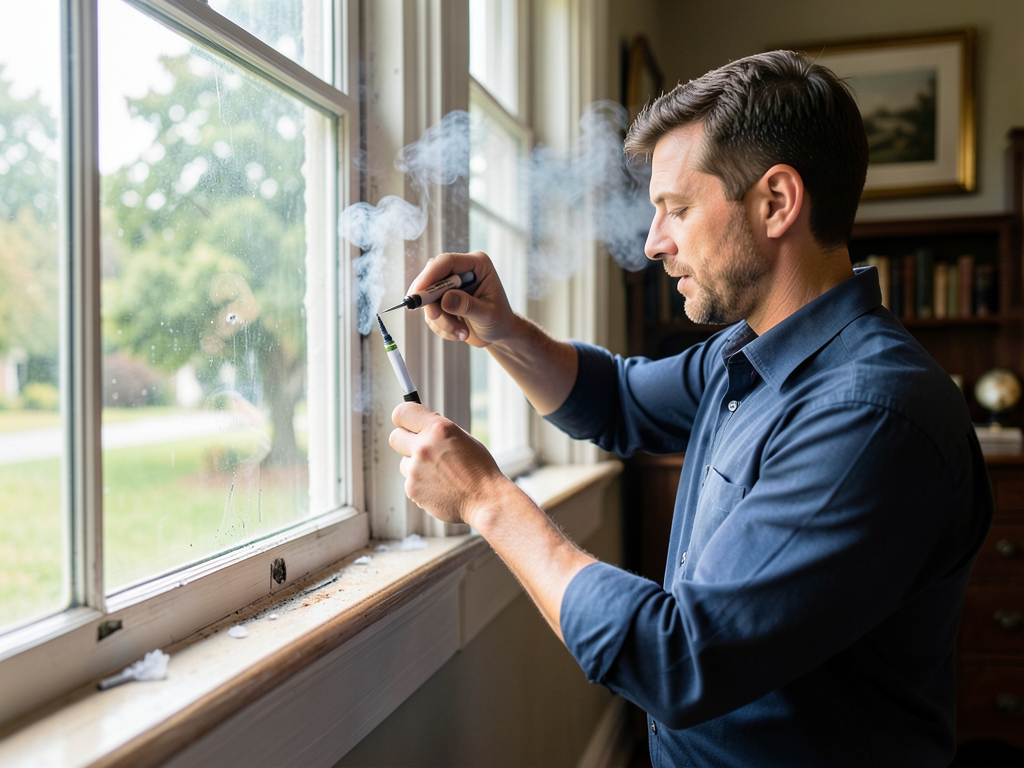
You see it as condensation streaming down windows. You smell it as mustiness in the basement. You feel it as clammy air that makes 68 degrees feel like 75.

High humidity in house environments above 60 percent relative humidity creates ideal conditions for mold growth, dust mites, and wood rot. In Buffalo's older housing stock, particularly in neighborhoods like Elmwood Village and North Buffalo where homes were built before modern vapor barriers, poor humidity control becomes a year-round problem.

Winter creates a different challenge. When you heat cold outdoor air, it enters your home bone-dry. Your heating system runs constantly, but without proper humidification, indoor air can drop below 30 percent relative humidity. This causes respiratory irritation, static electricity, and cracking in wood floors and furniture.

The problem is not your home. The problem is that your HVAC system was not designed to manage Buffalo's dramatic humidity swings. High indoor humidity levels in summer and desert-dry air in winter both stem from the same issue: your heating and cooling equipment is moving air without controlling moisture.

Why Buffalo Homes Struggle with Indoor Moisture Problems
How We Diagnose and Fix Humidity Control Problems

How We Diagnose and Fix Humidity Control Problems

We do not sell dehumidifiers to every customer who calls. We perform psychrometric testing to measure the actual moisture content in your air, not just the temperature. This tells us if you have a ventilation problem, an equipment sizing problem, or a ductwork issue.

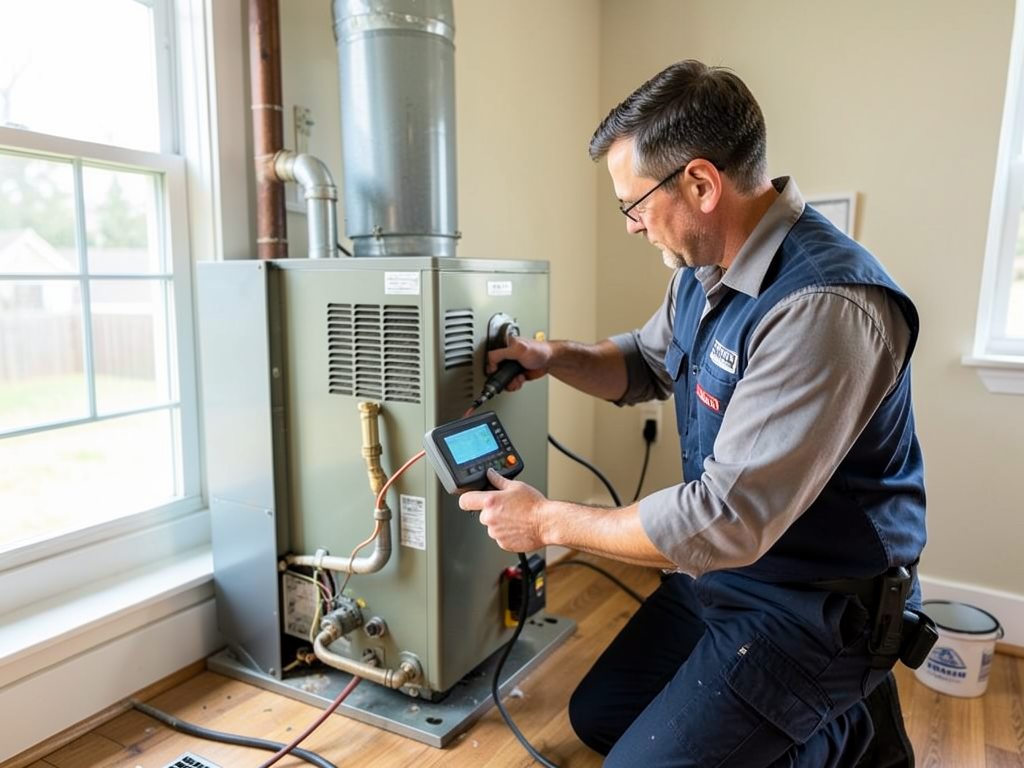
Our technicians use digital hygrometers at multiple locations throughout your home to map humidity distribution. A bedroom that reads 70 percent while your living room sits at 45 percent indicates a return air imbalance or a sealed-off area without proper airflow.

We inspect your air handler and evaporator coil operation. During cooling season, your AC should remove moisture as it cools. If your coil is oversized or your system short-cycles, it cools the air but never runs long enough to condense water vapor. You get cold, clammy air instead of dry, comfortable air.

For homes with persistent basement moisture, we evaluate your HVAC zoning and return air pathways. Many Buffalo basements have finished living spaces but no dedicated return duct. Humid air gets trapped, and your main system never pulls it through the dehumidification cycle.

We test static pressure in your ductwork. Leaky return ducts pull humid air from crawlspaces or attics directly into your living space, bypassing filtration and conditioning. Sealing these leaks often resolves humidity problems without adding equipment.

Based on diagnostics, we recommend whole-home dehumidifiers integrated with your HVAC system, humidifiers for winter dryness, upgraded ventilation with energy recovery ventilators, or duct sealing and airflow rebalancing. The solution depends on what the testing reveals, not what we want to sell.

What Happens During a Humidity Assessment

Humidity Issues Indoors in Buffalo – Expert Diagnosis and Permanent Solutions for High Indoor Moisture
01

Whole-Home Moisture Mapping

Our technician measures relative humidity in every occupied room, plus your attic, basement, and crawlspace if accessible. We document temperature and humidity readings to calculate dew point and identify where moisture is entering your system. This creates a complete picture of how air and moisture move through your home.
02

HVAC System Performance Testing

We evaluate your air handler runtime, measure airflow across the evaporator coil, and check refrigerant charge. Improper airflow or refrigerant levels prevent moisture removal even when the system cools properly. We also inspect ductwork for leaks that introduce unconditioned humid air into your living spaces, bypassing your equipment entirely.
03

Customized Solution Design

You receive a written report with humidity readings, identified problem areas, and recommended solutions ranked by impact and cost. We explain which fixes address the root cause versus which provide temporary relief. You decide what fits your budget and timeline. No pressure, no upselling equipment you do not need.

Why Buffalo Homeowners Choose United HVAC Buffalo for Indoor Air Quality

We have diagnosed humidity problems in hundreds of Buffalo homes, from Victorian mansions on Delaware Avenue to post-war bungalows in Kaisertown. We know how lake-effect snow loads affect attic ventilation. We know how basements in older neighborhoods flood during spring thaw and how that impacts foundation moisture.

Our technicians understand the difference between a dehumidification problem and a ventilation problem. Selling you a dehumidifier when you need duct sealing wastes your money and leaves the problem unsolved. We test first, then recommend solutions based on data.

We work with Buffalo's housing stock as it exists. Many homes here were built between 1900 and 1950, long before modern HVAC design standards. Retrofitting humidity control into these homes requires understanding how gravity furnaces were converted to forced air, how additions were tied into existing ductwork, and how insulation upgrades changed building envelope performance.

United HVAC Buffalo installs whole-home dehumidifiers that integrate with your existing HVAC system, not portable units you empty twice a day. These systems pull air through your return ducts, remove moisture, then send dry air back through your supply vents. You control target humidity levels from your thermostat.

For winter dryness, we install steam or evaporative humidifiers that add moisture without over-humidifying and causing condensation on windows. Proper humidification protects your home, your health, and your comfort during Buffalo's cold months.

We also install energy recovery ventilators that bring fresh outdoor air into your home while exhausting stale indoor air. The heat exchanger transfers energy between the two airstreams, so you get fresh air without losing heating or cooling efficiency. This is critical in tight, well-insulated homes where indoor air becomes stagnant.

What You Get with Our Humidity Control Services

Fast Assessment Scheduling

We schedule humidity assessments within 48 hours of your call. Most evaluations take 60 to 90 minutes depending on the size of your home and the complexity of your HVAC system. You receive same-day results and recommendations. If we identify an urgent issue like a refrigerant leak or a duct disconnection, we can often make the repair during the same visit if you approve the work.

Transparent Diagnostic Process

Our technician explains what they are testing and why. You see the humidity readings in real time. We show you problem areas like leaking ductwork or improperly sized equipment. You receive a written report with photos, measurements, and our findings. We explain what is causing your humidity problem and what will fix it, not what we want to sell you.

Proven Moisture Control Solutions

We install equipment designed for Buffalo's climate. Whole-home dehumidifiers remove up to 100 pints per day and maintain your target humidity automatically. Humidifiers add moisture during heating season without creating window condensation. Energy recovery ventilators provide fresh air without energy waste. All equipment integrates with your existing HVAC system and thermostat for seamless control.

Ongoing Performance Monitoring

After installation, we return to verify your humidity levels have stabilized in the target range. We check equipment operation, adjust settings if needed, and show you how to monitor and control your system. We include humidity checks in your annual HVAC maintenance visits to catch problems before they affect your comfort. You also get priority scheduling if issues arise.

Frequently Asked Questions

You Have Questions,
We Have Answers

What are the symptoms of too much humidity in your house? +

You will notice condensation on windows and mirrors, musty odors in closets or basements, and visible water stains on ceilings or walls. Your home may feel clammy or sticky, even when the temperature is comfortable. Mold spots appear in bathrooms, around window frames, or on basement walls. Wood floors may warp or buckle, and paint can peel. Buffalo homes with poor ventilation often show these signs during humid summer months or after spring thaws when moisture infiltrates from melted snow. Your HVAC system may run constantly but fail to cool properly when humidity levels climb too high.

Can humidity cause nausea? +

High humidity can trigger nausea in some people, though it is not the most common symptom. When indoor air holds excess moisture, your body struggles to cool itself through perspiration. This heat stress can cause dizziness, headaches, and nausea. The combination of poor air quality and mold spores, which thrive in humid environments, can also upset your stomach. If you feel nauseous in your Buffalo home during summer months or notice the feeling worsens in damp basements, check your indoor humidity levels. Proper ventilation and dehumidification often resolve these symptoms quickly.

Can mold grow at 50% humidity? +

Mold can grow at 50% humidity, though it prefers higher levels. Most mold species thrive between 60% and 80% relative humidity, but some varieties start colonizing at 50% if other conditions exist. Temperature, poor air circulation, and organic materials like drywall or wood provide additional factors mold needs. In Buffalo homes, condensation on cold surfaces during winter creates microclimates where mold grows even when overall humidity reads 50%. Bathrooms, basements, and crawl spaces often harbor mold because localized humidity exceeds the whole-house measurement. Keep indoor humidity between 30% and 50% year-round for best prevention.

Does opening a window reduce humidity? +

Opening windows can reduce humidity, but only when outdoor air is drier than indoor air. In Buffalo during summer months, outdoor humidity often exceeds indoor levels, making this strategy counterproductive. You will bring in more moisture rather than removing it. Windows work best for humidity control during spring and fall when outdoor conditions are moderate. Winter ventilation helps too, since cold air holds less moisture. The key is checking outdoor humidity before opening windows. Cross-ventilation helps when conditions are right, but mechanical dehumidification gives you consistent control regardless of weather outside.

What is dangerously humid indoors? +

Indoor humidity above 60% becomes dangerous for your health and home. At these levels, mold grows rapidly, dust mites multiply, and respiratory problems worsen. Readings above 70% create ideal conditions for structural damage, including wood rot and drywall deterioration. Buffalo homes face particular risk during humid summer months when Lake Erie moisture combines with poor ventilation. You may experience breathing difficulty, allergy flare-ups, and sleep disruption. Prolonged exposure to humidity above 60% damages furniture, electronics, and personal belongings. Ideal indoor humidity stays between 30% and 50% year-round for health and comfort.

Do dehumidifiers really work for humidity? +

Dehumidifiers work effectively when properly sized and maintained. They pull moisture from air, collecting it in a reservoir or draining it continuously. A quality unit removes several gallons of water daily from Buffalo basements and living spaces. The key is matching dehumidifier capacity to your square footage and moisture load. Portable units handle single rooms or small basements. Whole-house dehumidifiers integrate with your HVAC system for comprehensive control. You must empty collection tanks regularly and clean filters monthly. In high-humidity areas like Buffalo, dehumidifiers are necessary tools, not optional luxury items.

What are the symptoms of humidity sickness? +

Humidity sickness presents as persistent fatigue, difficulty breathing, headaches, and increased allergy symptoms. You may experience sinus congestion, coughing, and throat irritation. Skin feels clammy and sleep quality drops because your body cannot cool properly. Some people develop dizziness or confusion in extremely humid conditions. Buffalo residents often notice these symptoms worsen during summer or in poorly ventilated basements where moisture accumulates. If symptoms improve when you leave your home but return quickly, indoor humidity is the probable cause. Long-term exposure can trigger asthma attacks and respiratory infections, particularly in children and elderly residents.

What are 5 signs of heat-related illness? +

Heat-related illness shows these five warning signs. Heavy sweating or complete absence of sweating signals trouble. Muscle cramps indicate electrolyte imbalance from excessive perspiration. Dizziness, confusion, or fainting means your body is overheating. Rapid heartbeat and shallow breathing accompany heat stress. Red, hot, dry skin or pale, clammy skin both indicate dangerous conditions. High indoor humidity worsens these symptoms because your body cannot cool through evaporation. Buffalo homes without proper air conditioning or dehumidification during summer months create risk. If you notice these signs, move to cooler conditions immediately and hydrate. Severe cases require emergency medical attention.

Why can't I tolerate humidity? +

You may struggle with humidity because of underlying health conditions, age, or body composition. People with respiratory issues, heart conditions, or autoimmune disorders experience worse symptoms in humid environments. Your body cools through evaporation, and high humidity prevents this natural process. Some individuals produce more body heat or have less efficient cooling systems. Medications like blood pressure drugs or antihistamines can impair temperature regulation. Buffalo residents often notice humidity intolerance worsens in basements or during summer months. If you consistently feel worse in humid conditions while others seem comfortable, consult a doctor about underlying causes and consider aggressive indoor humidity control.

What are the first signs of mold sickness? +

Early mold exposure symptoms include persistent sneezing, runny nose, and red, itchy eyes. You may develop a chronic cough or experience wheezing and chest tightness. Skin rashes or irritation appear without other explanation. Headaches and fatigue that improve when you leave your home suggest mold problems. Buffalo homes with basement moisture or roof leaks often harbor hidden mold growth. Some people experience brain fog or difficulty concentrating. If multiple household members show these symptoms, especially worsening in specific rooms, inspect for mold. Black spots, musty odors, or recent water damage confirm suspicion. Professional testing identifies mold species and concentration.

How Lake Erie Weather Intensifies Indoor Humidity Problems in Buffalo Homes

Lake Erie creates a microclimate that makes humidity control more challenging than in inland cities. Summer humidity regularly exceeds 70 percent, and lake breezes push moist air into your home every time you open a window. During winter, lake-effect snow systems dump moisture on the region, but heating that cold air indoors creates desert-dry conditions below 25 percent relative humidity. Your HVAC system must handle both extremes, often within the same week during spring and fall transitions.

Buffalo's older neighborhoods, including Allentown, Hamlin Park, and the Fruit Belt, contain housing stock built before central air conditioning existed. Retrofitting modern humidity control into these homes requires understanding how knob-and-tube wiring limits equipment placement, how radiator heating affects air circulation, and how original plaster walls and wood windows change moisture dynamics. United HVAC Buffalo has worked in these neighborhoods for years and understands how to integrate modern HVAC solutions into historic Buffalo homes.
HVAC Services in The Buffalo Area

We are proud to serve the entire Buffalo area and its surrounding communities with our expert HVAC services. Our centrally located team allows us to respond quickly to your needs, whether you are in the city or a nearby suburb. We are committed to being your local, trusted resource for all things heating and cooling, and we look forward to serving you right where you are.

Address:
United HVAC Buffalo, 360 Delaware Ave, Buffalo, NY, 14202

Additional Services We Offer

Our news updates

Latest Articles & News from The Blogs

Managing Excessive Dust in Your South Buffalo Home During High Wind Events South Buffalo homes face unique dust challenges when…

Managing Excessive Dust in Your South Buffalo Home During High Wind Events

Managing Excessive Dust in Your South Buffalo Home During High Wind Events South Buffalo homes face unique dust challenges when…

Is it Better to Pay for a Monthly HVAC Maintenance Plan or Just Call When Something Breaks?

Is it Better to Pay for a Monthly HVAC Maintenance Plan or Just Call When Something Breaks? When your furnace…

The Homeowners Guide to Buying a New HVAC System for a Rental Property in University Heights

The Homeowners Guide to Buying a New HVAC System for a Rental Property in University Heights University Heights landlords face…

Contact Us

Call United HVAC Buffalo at (716) 317-7757 to schedule a whole-home humidity assessment. We will test your air, identify the problem, and give you a clear solution. No sales pitch, just answers.