menu

New HVAC System Cost 2026 in Buffalo – Transparent Pricing for Lake Effect Weather Demands

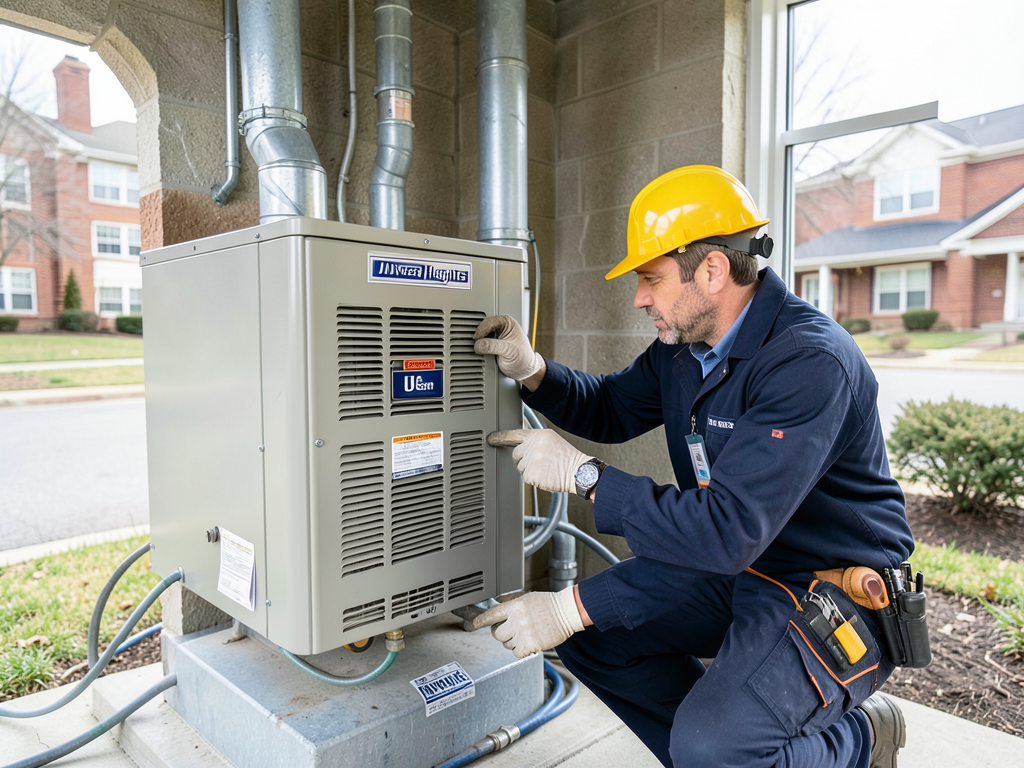
Understanding new HVAC system cost 2026 factors means making informed decisions about heating and cooling capacity sized correctly for Buffalo's extreme seasonal swings and lake effect snow loads.

Slider Image 1
Slider Image 2
Slider Image 3
Slider Image 4
Slider Image 5
Slider Image 7
Slider Image 8
Slider Image 9
Slider Image 10
Slider Image 11

Why Buffalo HVAC Replacement Costs Differ From National Averages

Buffalo homeowners researching 2026 HVAC replacement cost quickly discover that national pricing guides miss critical local factors. Lake effect snow creates heating demands that push systems harder than anywhere else in New York State. Your furnace runs longer cycles from November through March, and equipment sizing calculations must account for wind chill factors that regularly drop temperatures 15 to 20 degrees below actual readings.

The average HVAC system price 2026 in Buffalo reflects this climate reality. Systems require proper British Thermal Unit capacity to handle subzero stretches without running continuously. Undersized equipment fails faster here because compressors and heat exchangers cycle too frequently under extreme load. Oversized systems short cycle and waste energy while failing to dehumidify properly during humid summer months when Lake Erie moisture saturates the air.

New HVAC installation pricing 2026 also accounts for Buffalo's older housing stock. Homes built before 1950 often lack proper return air pathways, require ductwork modifications, and need additional insulation around line sets to prevent freeze damage. The 2026 heating and cooling system cost includes these structural considerations that newer construction in sunbelt markets never encounters.

Building codes here mandate specific clearances for exhaust venting due to snow accumulation on roofs. Installation crews need cold weather expertise to properly commission refrigerant systems when outdoor temperatures drop below manufacturer specifications. These factors make Buffalo installations more complex than standard procedures, and any HVAC replacement price guide 2026 must reflect regional installation challenges.

Understanding these cost drivers helps you evaluate quotes accurately and avoid contractors who use inadequate equipment specifications to appear cheaper.

Why Buffalo HVAC Replacement Costs Differ From National Averages
How System Sizing and Equipment Selection Drive Your Investment

How System Sizing and Equipment Selection Drive Your Investment

Accurate Manual J load calculations determine the 2026 HVAC replacement cost foundation. This engineering protocol accounts for Buffalo's 6,927 heating degree days, insulation R-values in your walls and attic, window U-factors, and infiltration rates. Contractors who skip this step and size equipment by square footage alone install systems that cost you thousands in wasted energy over their lifespan.

Equipment tier selection significantly impacts the average HVAC system price 2026. Single stage furnaces and air conditioners represent entry level pricing but run at full capacity regardless of actual demand. Two stage systems offer better efficiency by operating at lower capacity during milder weather, reducing wear on components. Variable speed systems provide the highest efficiency and comfort by modulating output in small increments, but carry premium pricing.

SEER2 and AFUE ratings directly correlate to operating costs. A 16 SEER2 air conditioner uses approximately 20 percent less electricity than a builder grade 13 SEER2 unit. An 80 AFUE furnace wastes 20 cents of every dollar spent on natural gas through the exhaust vent, while a 96 AFUE condensing furnace captures that heat for your home. New HVAC installation pricing 2026 reflects these efficiency differences through higher upfront equipment costs that pay back through lower utility bills.

Ductwork condition affects the 2026 heating and cooling system cost significantly. Leaky ducts waste 25 to 40 percent of conditioned air before it reaches living spaces. Proper sealing using mastic compound and reinforced foil tape, plus insulation upgrades in unconditioned spaces, adds to project scope but ensures your new equipment performs as designed. United HVAC Buffalo includes duct evaluation in every estimate to identify these hidden efficiency losses.

Your Buffalo HVAC Replacement Investment Roadmap

New HVAC System Cost 2026 in Buffalo – Transparent Pricing for Lake Effect Weather Demands
01

Comprehensive Home Assessment

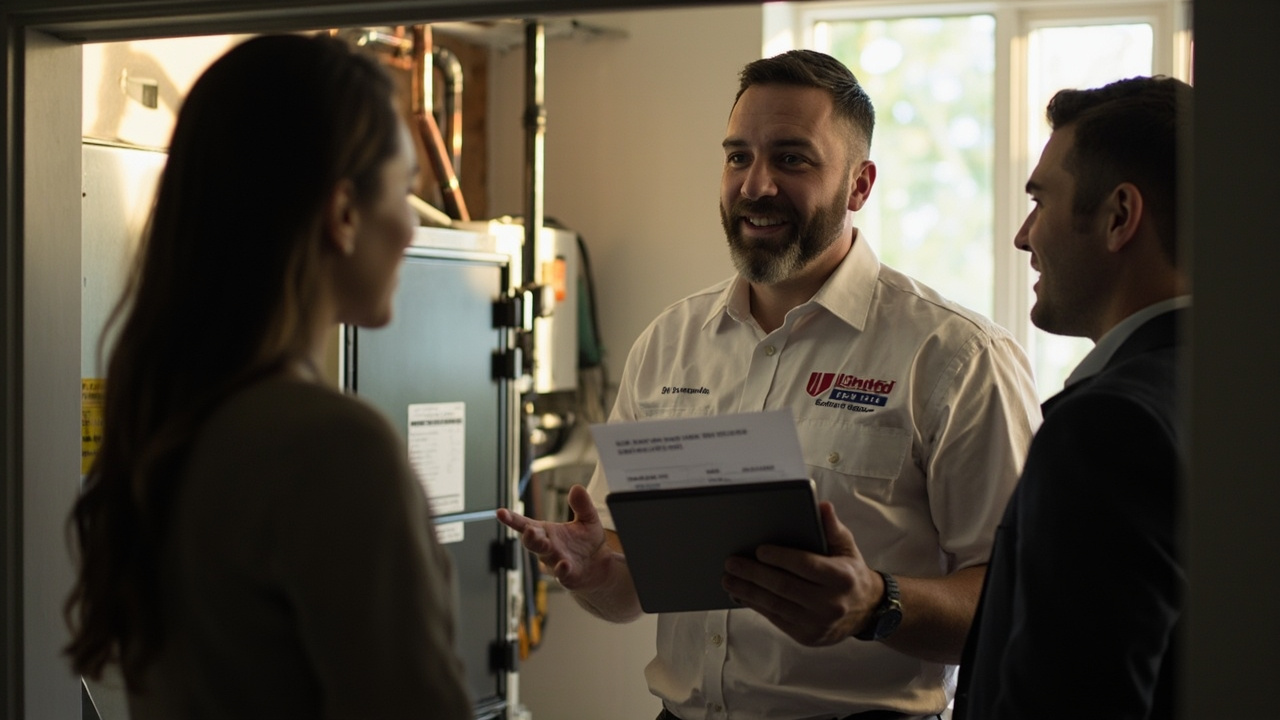
We perform detailed Manual J load calculations measuring your home's actual heating and cooling requirements. This includes blower door testing to quantify air leakage, thermal imaging to identify insulation gaps, and ductwork inspection using pressure testing equipment. You receive documentation showing exactly why we recommend specific tonnage and BTU capacity for your Buffalo home's unique characteristics.
02

Equipment and Scope Pricing

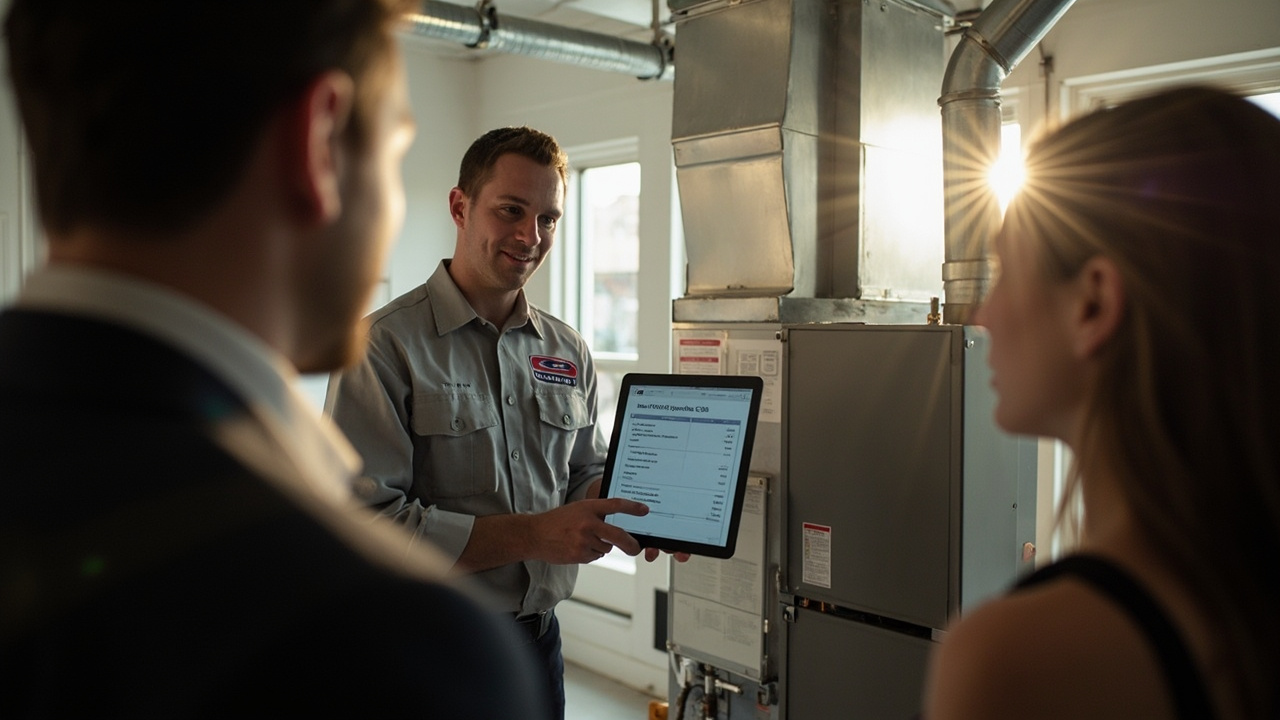
Your estimate breaks down equipment costs, installation labor, necessary ductwork modifications, electrical upgrades for new circuit requirements, and permit fees. We present tier options comparing lifecycle costs between efficiency levels so you understand the total ownership expense beyond initial purchase price. Every line item includes manufacturer model numbers and warranty coverage details for transparency.
03

Installation and Commissioning

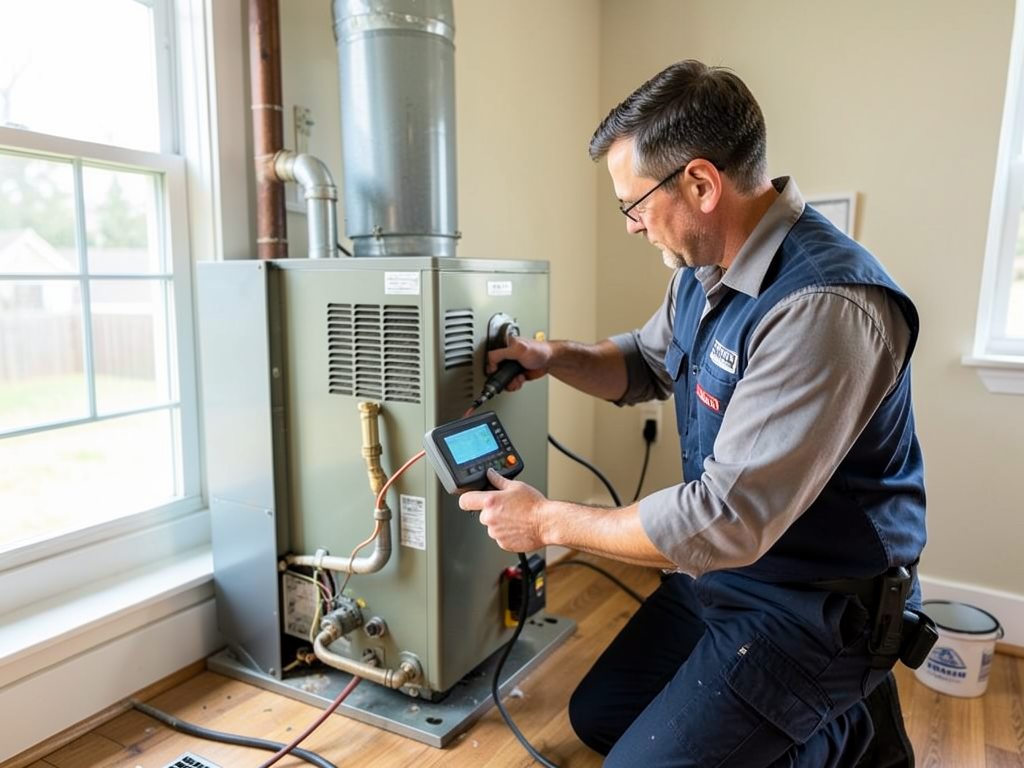
Installation crews follow refrigerant charging protocols using digital manifolds and superheat calculations rather than sight glass guessing. We verify airflow using anemometers at each supply register, test combustion efficiency with flue gas analyzers, and program thermostat staging to match your equipment capacity. You receive commissioning reports documenting system performance metrics before we consider the job complete.

Why Buffalo Homeowners Choose Local HVAC Expertise

National chains send techs who learned their trade in moderate climates and apply cookie cutter approaches to every job. Buffalo demands contractors who understand how lake effect weather patterns stress HVAC systems differently than continental climate zones. We stock cold weather heat pump models rated for heating operation down to negative 13 degrees Fahrenheit, not the standard equipment that loses capacity below 25 degrees.

Our installation crews know Buffalo's housing stock intimately. We have worked in Elmwood Village Victorians with knob and tube wiring, North Buffalo bungalows with outdated fuse panels, and Southtowns colonials with additions that complicate duct routing. This familiarity means accurate estimates the first time without surprise change orders when we encounter typical local building characteristics.

The 2026 HVAC replacement cost includes compliance with local codes that differ from generic state minimums. Buffalo requires specific condensate pump installations to prevent freeze damage, mandates secondary drain pans in attic installations, and enforces strict combustion air requirements for furnaces in mechanical closets. Contractors unfamiliar with these regulations create code violations that surface during home sales or insurance inspections.

We maintain relationships with local inspectors, understand their specific interpretation of mechanical codes, and schedule inspections to keep your project on timeline. Our supply chain includes Western New York distributors who stock parts year round, not warehouses three states away that delay repair service when components fail.

Choosing United HVAC Buffalo means working with technicians who live in this climate and maintain systems under the same conditions your equipment will face. We have no incentive to recommend inadequate solutions because we will be the ones you call when problems arise.

What Your HVAC Investment Timeline and Process Includes

Project Scheduling and Duration

Most single family HVAC replacements take one to two days depending on ductwork modifications and electrical upgrades. We schedule installations during shoulder seasons when weather cooperates and equipment availability peaks. Emergency replacements during heating season receive priority scheduling within 48 hours. You receive confirmed installation dates after permit approval, typically seven to ten business days from contract signing. We coordinate with your schedule to minimize disruption and never leave your home without functional heating or cooling overnight.

Pre-Installation Evaluation Details

Your assessment appointment takes 90 minutes to two hours and covers attic access for ductwork inspection, basement or crawlspace evaluation, electrical panel capacity verification, and gas line sizing confirmation. We measure supply and return register airflow, photograph existing equipment installation for documentation, and identify any code violations in current setup that require correction. You receive a written report within 24 hours outlining recommended system specifications with detailed cost breakdown by component. This evaluation identifies hidden issues before installation day to prevent unexpected expenses.

System Performance Standards

Completed installations meet manufacturer specifications for refrigerant charge, airflow CFM per ton, temperature rise across heat exchangers, and combustion efficiency percentages. We provide written commissioning reports showing these measurements alongside acceptable ranges. Thermostat programming includes setback schedules optimized for your occupancy patterns to maximize efficiency. You receive operation training covering filter replacement intervals, emergency shutdown procedures, and seasonal maintenance requirements. Systems are tested under load to verify proper cycling and capacity before our crew leaves your property.

Warranty Coverage and Maintenance Planning

Manufacturer warranties cover parts for five to ten years depending on equipment tier, with compressors and heat exchangers often carrying extended coverage. Installation labor warranties typically run one year covering workmanship issues separate from equipment defects. We offer preventive maintenance agreements including annual tune ups, priority service response, and discounted repair rates that preserve warranty validity. These agreements include spring cooling system checks and fall heating preparation to catch minor issues before they become expensive failures. Maintenance records are stored digitally for warranty claim documentation and future service history reference.

Frequently Asked Questions

You Have Questions,
We Have Answers

Will HVAC prices go down in 2026? +

HVAC prices in 2026 will likely stay flat or increase slightly. Material costs, supply chain factors, and labor rates continue to rise across Western New York. Buffalo's harsh winters drive demand for reliable heating systems, which keeps pricing stable. New refrigerant regulations and energy efficiency mandates add to equipment costs. If you need a replacement now, waiting will not save you money. Older systems lose efficiency each year, costing more to operate. Get quotes early in the season when contractors have more availability and can offer better scheduling options.

Will HVAC systems be more expensive in 2025? +

Yes. HVAC systems cost more in 2025 than in previous years. The shift to new refrigerants like R-454B drives up equipment prices. Energy efficiency requirements also increase manufacturing costs. Buffalo homeowners face higher labor rates as skilled technicians remain in short supply. Installation costs for cold-climate heat pumps and high-efficiency furnaces exceed older models. Supply chain issues from 2023 and 2024 still affect pricing. If your system struggles through another Buffalo winter, replacing it now prevents emergency repairs when temperatures drop below zero and availability becomes limited.

What is the $5000 rule for HVAC? +

The $5,000 rule helps you decide between repair and replacement. If your system repair costs more than $5,000, and your equipment is over 10 years old, replacement makes better financial sense. Multiply the repair cost by the age of your unit. If the total exceeds $5,000, replace the system. Buffalo's temperature extremes stress HVAC equipment, shortening lifespans. An aging furnace or air conditioner will need more frequent repairs. Investing in a new high-efficiency system saves money long-term through lower utility bills and fewer service calls during extreme weather.

How much is HVAC to cost in 2025? +

HVAC replacement in 2025 varies based on system type and home size. A mid-efficiency gas furnace with standard air conditioning runs in the mid-range for most Buffalo homes. High-efficiency cold-climate heat pumps cost more upfront but qualify for federal tax credits. Ductwork modifications, zoning systems, and humidifiers add to total project costs. Buffalo's older housing stock sometimes requires electrical upgrades or ventilation improvements. Get multiple quotes during spring or fall when demand is lower. Financing options spread costs over time, making replacement more manageable than emergency installations in January.

Should I wait until 2026 to buy a home? +

Waiting until 2026 to buy a home will not reduce HVAC costs. Buffalo's real estate market moves independently from equipment pricing. A home with an old or failing system gives you negotiation leverage now. You can request seller credits for HVAC replacement or negotiate a lower purchase price. Interest rates and home prices matter more than equipment costs in your buying decision. If you find the right property, address the HVAC issue during inspection. Replacing a system after closing lets you choose equipment that fits your efficiency goals and budget.

Is a new HVAC system tax deductible in 2025? +

New HVAC systems may qualify for federal tax credits in 2025, not traditional deductions. The Inflation Reduction Act offers credits up to $2,000 for high-efficiency heat pumps and central air conditioners meeting specific ENERGY STAR criteria. Gas furnaces with 97 percent AFUE or higher qualify for smaller credits. You must own your Buffalo home and use it as your primary residence. Keep receipts and manufacturer certifications for tax filing. Credits reduce your tax bill dollar-for-dollar. Consult a tax professional to confirm eligibility based on your specific equipment and installation date.

How Lake Effect Snow Impacts Buffalo HVAC System Specifications

Buffalo receives an average 95 inches of snow annually with lake effect bands creating localized accumulations exceeding 150 inches in southtowns neighborhoods. This precipitation pattern creates unique challenges for new HVAC installation pricing 2026 that moderate climates never encounter. Condensing furnaces and high efficiency air conditioners produce condensate that must drain properly year round. Standard drain lines freeze solid during January cold snaps, causing system shutdowns and potential water damage. Proper installations include heat trace cable on exterior drain routing, secondary condensate pumps with battery backup, and overflow switches that prevent flooding if primary drainage fails. These components add cost but prevent emergency service calls during blizzards when response times extend to days rather than hours.

United HVAC Buffalo has served Western New York communities since contractors first installed central air conditioning in post war housing developments. Our technicians train specifically on cold climate installation requirements that protect equipment from freeze damage and maintain efficiency during subzero operation. We understand how Niagara River humidity affects indoor air quality differently than continental climates, requiring specific attention to dehumidification capacity during sizing calculations. This regional expertise means your 2026 heating and cooling system cost reflects proper equipment selection rather than generic specifications copied from national pricing databases. When lake effect weather tests your system's limits, you want contractors who designed the installation for Buffalo conditions from the beginning.

HVAC Services in The Buffalo Area

We are proud to serve the entire Buffalo area and its surrounding communities with our expert HVAC services. Our centrally located team allows us to respond quickly to your needs, whether you are in the city or a nearby suburb. We are committed to being your local, trusted resource for all things heating and cooling, and we look forward to serving you right where you are.

Address:
United HVAC Buffalo, 360 Delaware Ave, Buffalo, NY, 14202

Additional Services We Offer

Our news updates

Latest Articles & News from The Blogs

Managing Excessive Dust in Your South Buffalo Home During High Wind Events South Buffalo homes face unique dust challenges when…

Managing Excessive Dust in Your South Buffalo Home During High Wind Events

Managing Excessive Dust in Your South Buffalo Home During High Wind Events South Buffalo homes face unique dust challenges when…

Is it Better to Pay for a Monthly HVAC Maintenance Plan or Just Call When Something Breaks?

Is it Better to Pay for a Monthly HVAC Maintenance Plan or Just Call When Something Breaks? When your furnace…

The Homeowners Guide to Buying a New HVAC System for a Rental Property in University Heights

The Homeowners Guide to Buying a New HVAC System for a Rental Property in University Heights University Heights landlords face…

Contact Us

Stop guessing about new HVAC system cost 2026 and get transparent pricing based on your home's actual requirements. Call United HVAC Buffalo at (716) 317-7757 for a comprehensive assessment with detailed equipment options and lifecycle cost analysis. We provide written estimates within 24 hours.